
Last updated November 15, 2026
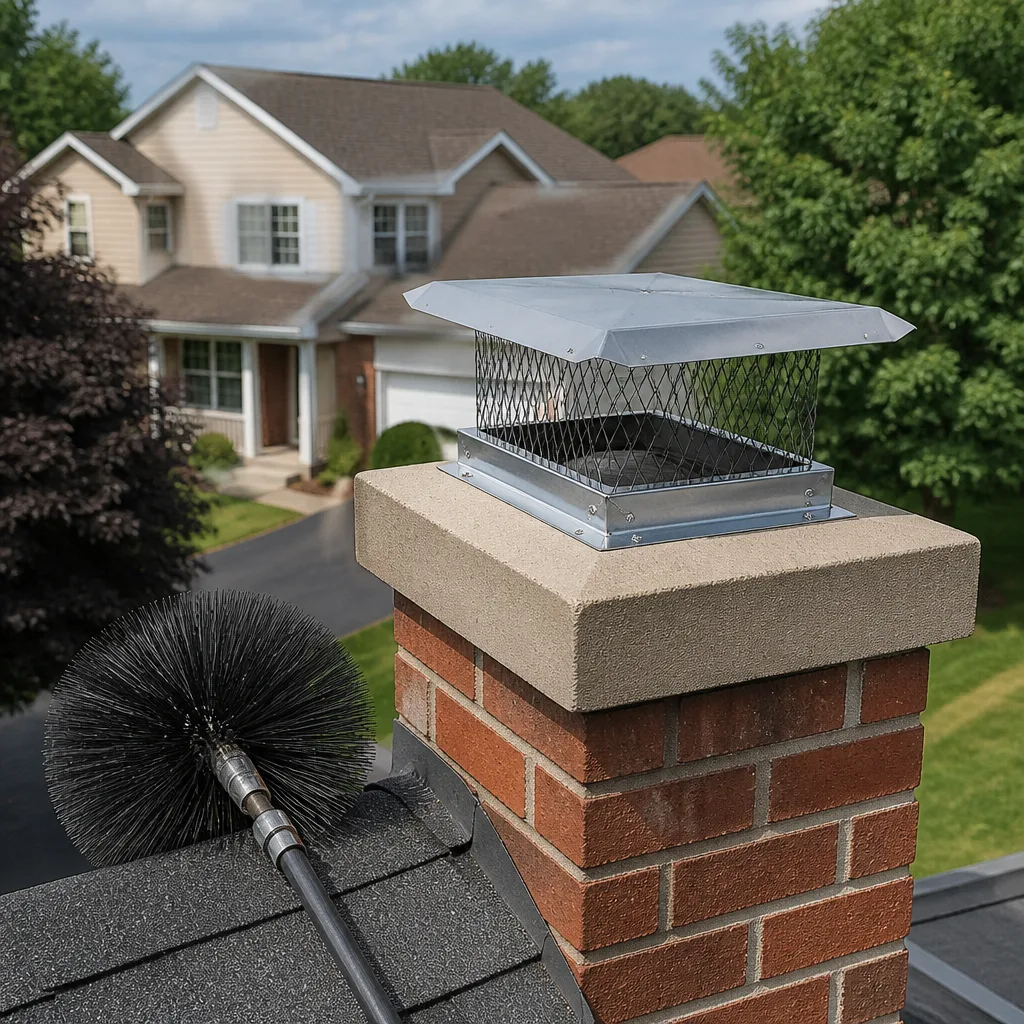 Sweep & inspection
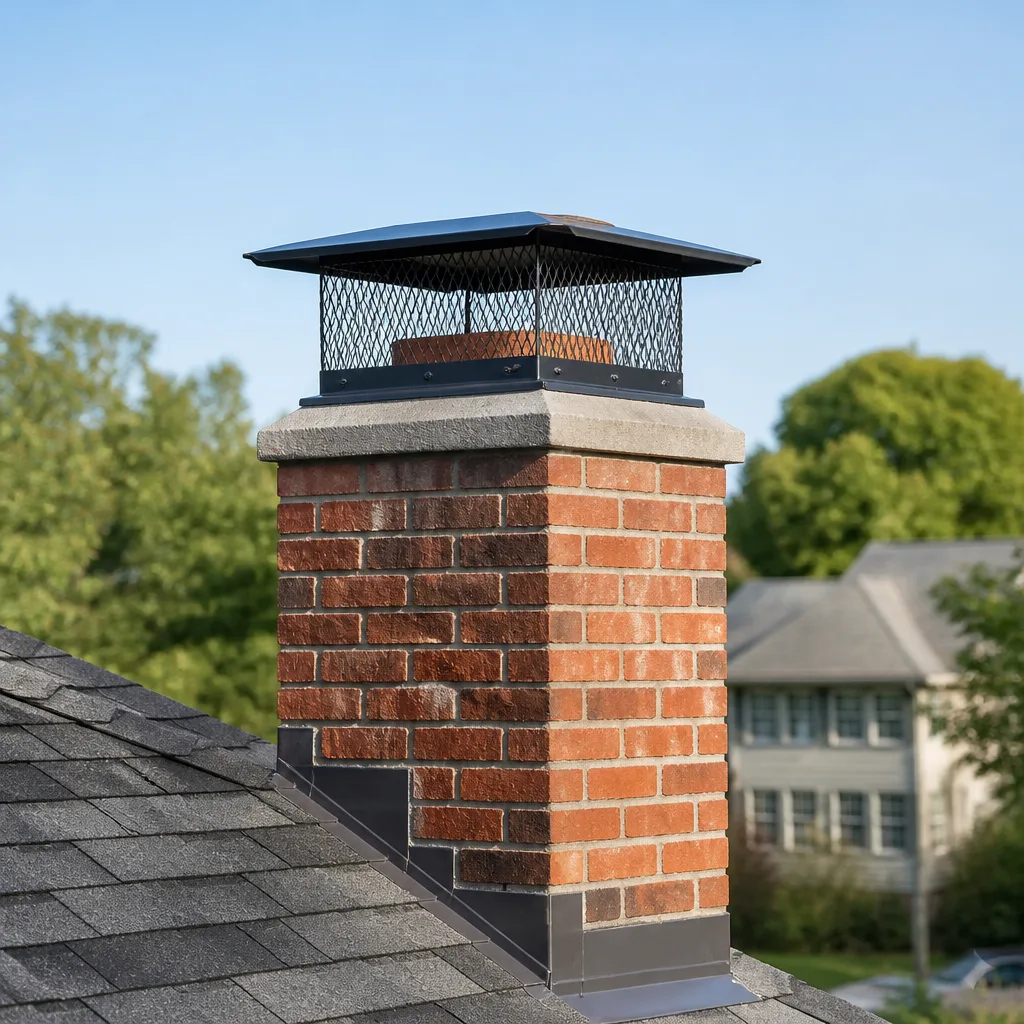 Caps & crowns
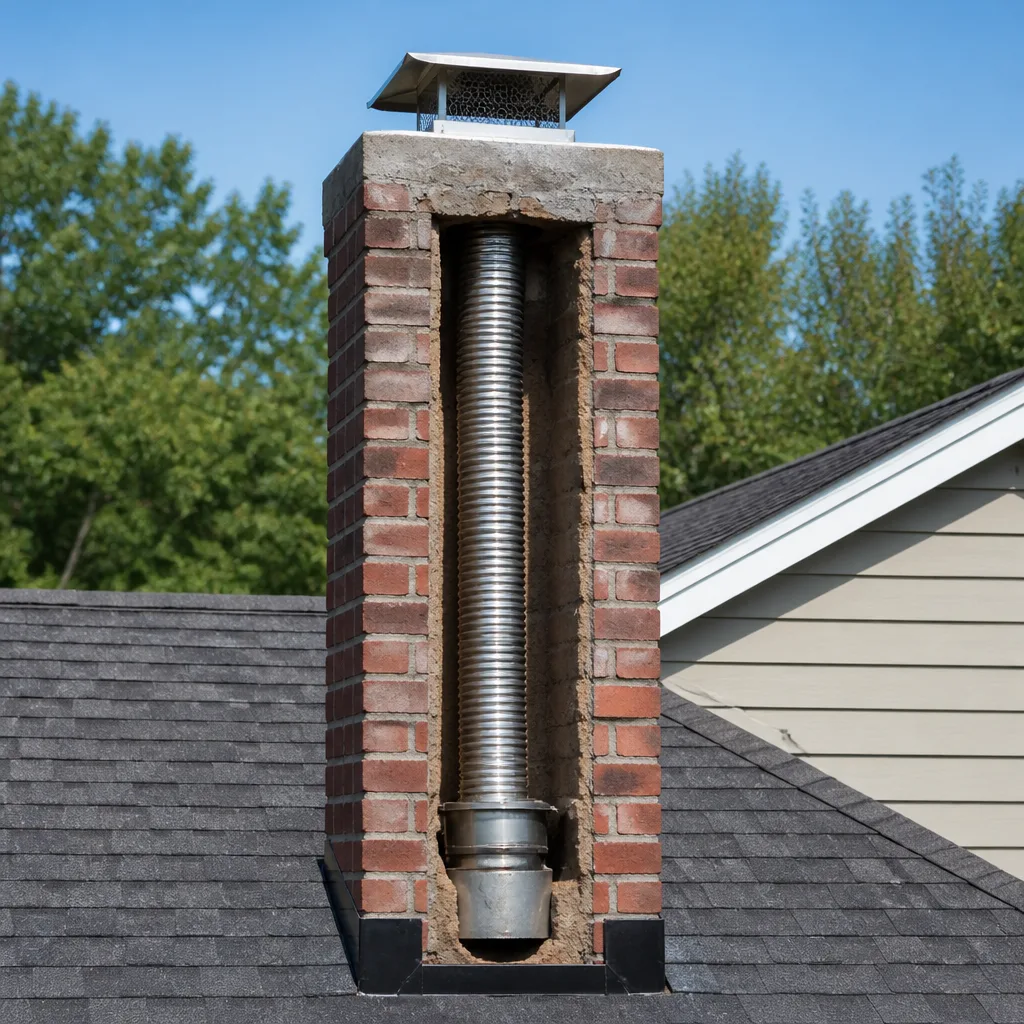 Flue relining
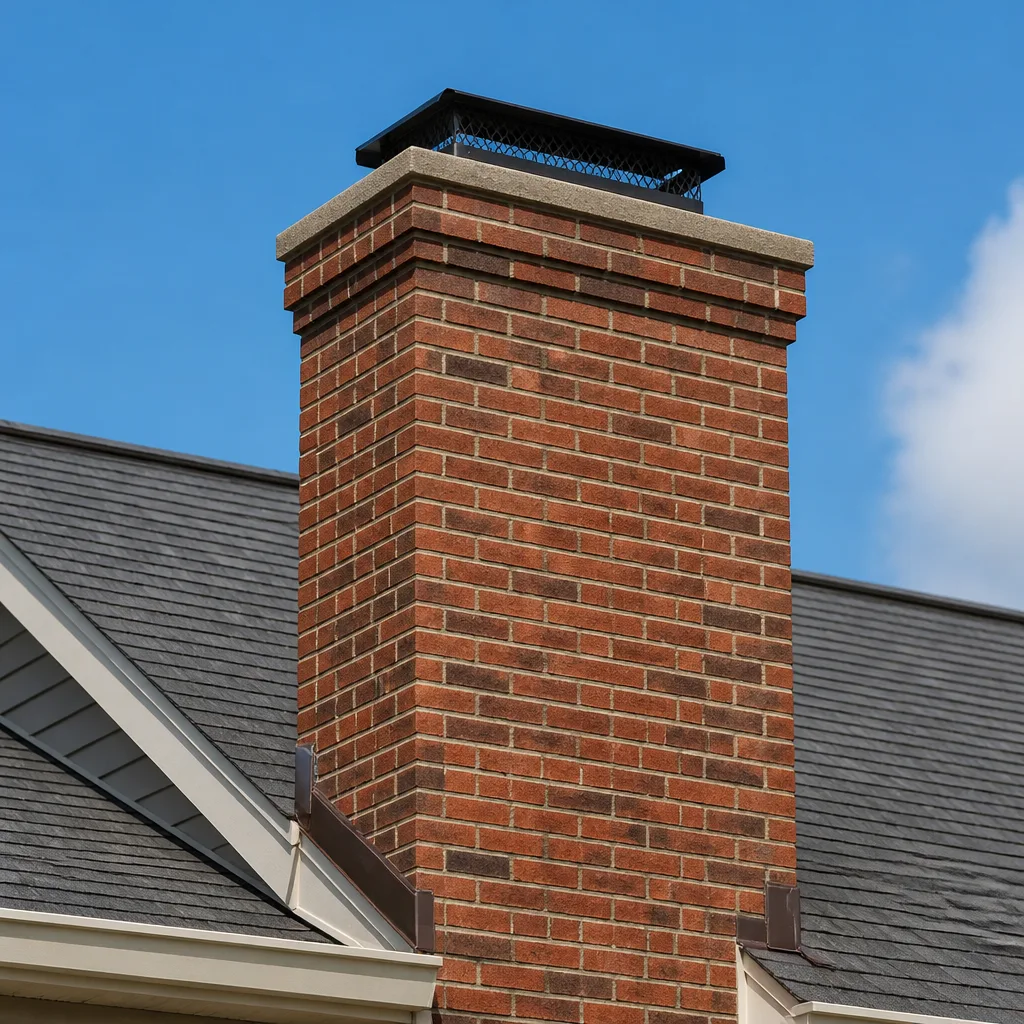 Masonry repair
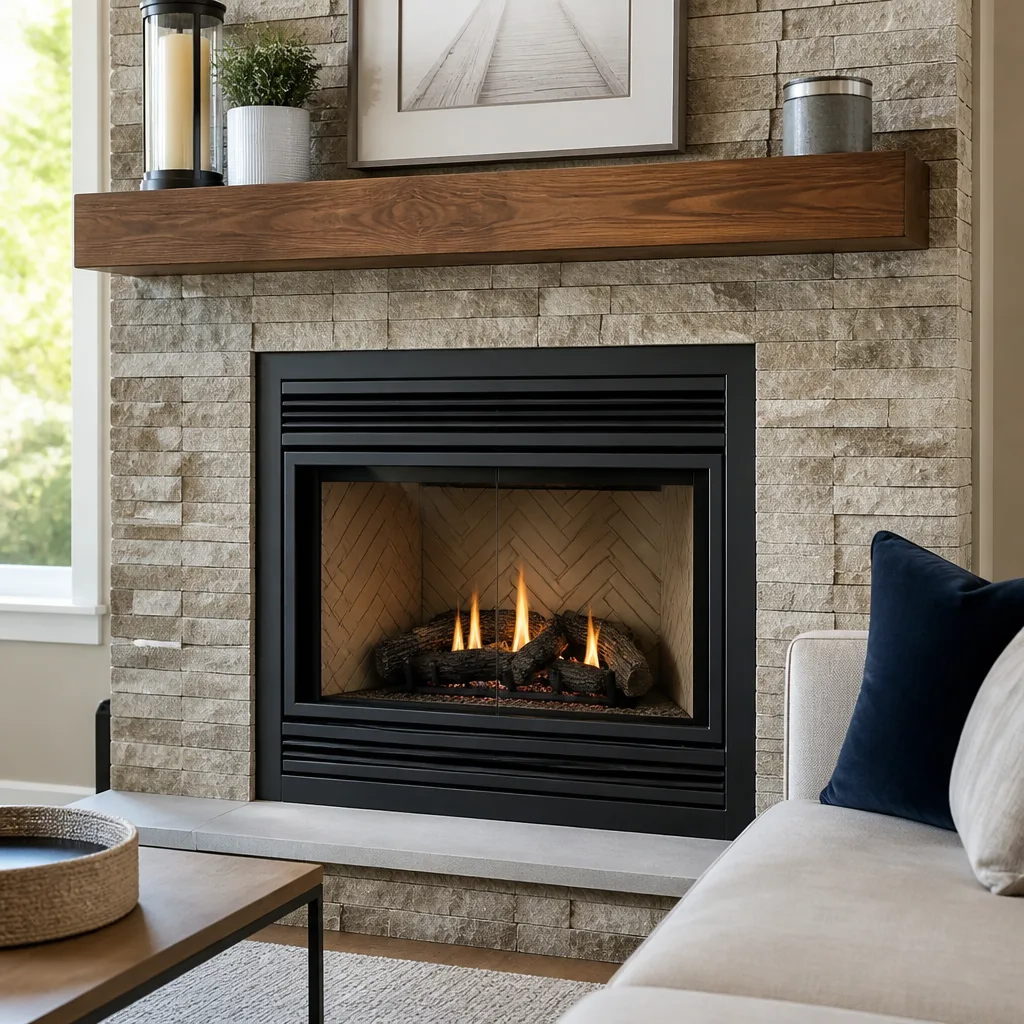 Gas fireplace service
Level 1 sweep and inspection to the NFPA 211 annual standard - flue, crown, cap, and flashing checked and photographed
Chimney sweep logs do not sweep chimneys. They loosen some creosote - which then falls where a brush and vacuum still have to collect it.
Chimney Sweep Troubleshooting in Sparks: Common Problems and How to Fix Them
A smoky living room isn’t a chimney problem. It’s a symptom. The actual problem could be a blocked flue, a failed damper, negative air pressure in the house, or a flue sized wrong for the insert sitting in the firebox. Get that wrong and you pay to fix something that was never broken while the real issue keeps smoking. We see it constantly in Sparks, where high-desert wind, cold nights, and tight modern houses team up to create draft problems that national troubleshooting guides barely mention. This guide maps the symptoms you’re seeing to the root cause behind them, separates the checks you can safely do yourself from the ones that need a certified sweep, and shows you what a proper inspection actually reveals. By the end, you’ll know exactly what you’re looking at before you call anyone.
Quick Answer
Most chimney problems in Sparks trace back to four causes: a blocked or dirty flue, a damaged or missing cap, a failed damper or gasket, or draft trouble caused by the house’s air pressure and this area’s wind. A Level 1 inspection with a camera identifies which one you’re dealing with, and the fix is usually a sweep, a cap replacement, or a liner repair rather than a full rebuild. Don’t buy structural work until someone has shown you the evidence on camera.
Styles & brands we work with
- Sweep & inspection
- Caps & crowns
- Flue relining
- Masonry repair
- Gas fireplace service
Table of Contents
- Symptom to Cause: How to Read What Your Chimney Is Telling You
- Why Your Fireplace Smokes: Backdraft and Slow Draw in Sparks
- Chimney Odors: What That Smell Actually Means
- Visible Cracking: Where It Is and What It Implies
- Level 1 vs. Level 2 Inspections: Which One Your Problem Needs
- What You Can Check Yourself and What You Can’t
- When a Liner Repair Is the Right Fix (and When It Isn’t)
- Sweep, Repair, or Rebuild: Matching the Fix to the Finding
Symptom to Cause: How to Read What Your Chimney Is Telling You
Every chimney complaint you’ll ever have falls into one of a few buckets, and each bucket has its own diagnostic path. Learning to sort your symptom into the right bucket before you call anyone saves a diagnostic step and often a service visit. Here’s how we think about it.
- Smoke rolling back into the room. This is a pressure or blockage problem, not a cleanliness problem. It points to a flue restriction, a closed or broken damper, a flue that’s undersized for the firebox opening, or negative pressure in the house.
- Slow, lazy draw and a fire that won’t catch. Often the same causes as backdraft, but sometimes it’s a cold flue that needs priming or a cap that’s restricting flow.
- Odor, smoky or creosote smell when the fireplace is cold. This usually means creosote buildup, moisture getting in through a missing or damaged cap, or soot deposits left after a poorly cleaned sweep.
- Visible cracking in the firebox or on the exterior. Masonry cracks are structural signals. Where the crack sits tells you which repair applies.
- Water stains or rust inside the firebox. A cap or crown failure is letting water in. This one gets worse quietly and is worth catching early.
Sorting your symptom into one of these categories tells you roughly which repair family you’re in before anyone touches the chimney. That’s how you avoid paying for the wrong fix. If your symptom spans two buckets, treat it as the more serious of the two until an inspection says otherwise.
Why Your Fireplace Smokes: Backdraft and Slow Draw in Sparks
Smoke that rolls back into the room is a pressure problem, not a cleanliness problem. In Sparks, that pressure problem has local character. We sit at elevation in a high-desert basin, and that combination does two things to a chimney: it reduces the density of the air the chimney is trying to move, and it adds wind that whips across rooflines and down flues. A chimney that drafts fine at sea level can struggle here on a windy cold night.
Here’s the diagnostic path, in order:
- Check the damper first. A damper that won’t open fully, or a broken linkage, restricts flow before anything else gets a chance. This is a free check and a common culprit.
- Check for a blockage. A nest, a collapsed flue tile, or heavy creosote at the smoke shelf can choke the flow. A camera inspection finds this.
- Look at the cap. Some caps restrict draft more than they help. A cap sized wrong for the flue, or one clogged with debris, can slow draw to a crawl.
- Rule out house pressure. Tight modern homes in Sparks can’t feed a fire enough makeup air. Bathroom fans, kitchen exhaust, and even a clothes dryer pull air out of the house and starve the chimney.
- Check flue sizing. A firebox opening too large for the flue, or an insert installed into a flue that was never sized for it, is a structural mismatch that no amount of cleaning will fix.
Work through those in order. Most backdraft calls end at step one or two. If you get to step five, you’re looking at a sizing problem that needs a proper assessment, not a sweep.
Chimney Odors: What That Smell Actually Means
A smoky smell when the fireplace is cold usually points to creosote, moisture, or both. That smell is the chimney telling you it’s holding onto something it shouldn’t. In our experience, Sparks homes fall into three common odor scenarios.
Creosote odor. Wood smoke leaves creosote deposits on the flue walls. When the weather turns warm or humid, those deposits smell. The fix is a proper sweep with a camera check afterward to confirm the flue came clean. A sweep that leaves soot behind on the smoke shelf is a sweep that leaves the smell behind too.
Moisture odor. A missing cap, a cracked crown, or a damaged flue tile lets water in. Wet creosote smells sharper than dry, and it’s a sign water is actively getting in. Capping and resealing the crown usually resolves it, but the water damage underneath needs to be looked at before you re-cap.
Dead animal odor. Birds and small mammals get into flues through uncapped chimneys. The odor is distinct and often comes with a buzzing sound. Never try to remove it yourself; the animal may still be present, and disturbing a flue full of loose creosote is a genuine hazard.
Don’t mask an odor with an air freshener. Odor is a symptom, and the right response is to find the source. If your smell returns every season, the underlying cause was never fixed.
Visible Cracking: Where It Is and What It Implies
A crack in your chimney is never just a crack. Its location tells you which repair applies and how urgent the work is. Here’s how we map cracking in Sparks homes:
- Cracks in the firebox (the masonry box the fire sits in). These can let heat and gases reach the structure behind. It’s a safety issue and usually requires resurfacing with a product like HeatShield, which restores the ceramic lining without rebuilding the whole firebox.
- Cracks in the flue tiles. Flue tiles are the clay liners that run up the interior of the chimney. When they crack, gases can escape into the surrounding masonry. The typical fix is a full liner installation, often using a flexible system like DuraFlex that works around offsets and turns in the flue.
- Cracks in the crown (the concrete top of the chimney). Cracks in the crown let water in. This one is usually the least urgent structurally, but the most urgent for water damage. A resealed crown prevents a much larger repair downstream.
- Cracks in the exterior masonry or brick. These can be normal settling or a sign of structural movement. They need eyes-on assessment, because a hairline crack and a spreading one are different problems.
Cracking that shows up on the exterior but not the interior, or vice versa, tells you which layer is failing. Water stains on the ceiling near the chimney chase are a signal the flashing or crown is the culprit, not the flue. Getting the layer right is the whole game.
Level 1 vs. Level 2 Inspections: Which One Your Problem Needs
The right inspection depends on what you’re seeing. A Level 1 inspection is the routine annual look, done from the firebox and the accessible parts of the flue. A Level 2 inspection adds a camera run through the full flue and a look at the chimney’s external structure, and it’s what you need when there’s a symptom to diagnose.
Here’s how we decide which one a Sparks homeowner needs:
- Annual maintenance, no symptoms. Level 1. A sweep plus a visual inspection of the firebox, damper, smoke shelf, and accessible flue. This is your baseline safety check.
- Smoke, odor, slow draw, or visible cracking. Level 2. The camera finds what the visual can’t see: cracked tiles, blockages, and creosote depth on the far side of the flue.
- After a chimney fire or a change to the system (new insert, new liner, new cap). Level 2, always. You need to know the system still performs as configured.
- Buying or selling a home in Sparks with a wood-burning system. Level 2, before you sign. It’s the single best way to know what you’re inheriting.
The Level 2 report should include photos you can look at yourself. If a company recommends a repair, ask to see the image of the problem. In our experience, an honest inspector is happy to show you. A camera photo report isn’t a sales tool, it’s a record of the chimney’s condition at a point in time.
If you’re only after the routine annual visit, our chimney sweep service covers that alongside the Level 1 inspection. For a symptom that needs diagnosing, ask for the camera inspection. Both are part of the same visit and give you a full picture.
What You Can Check Yourself and What You Can’t
There’s a useful line between what a homeowner can safely check and what belongs to a professional. Know that line and you’ll save time without putting yourself or your chimney at risk. The safe checks are visual and light-touch. Anything involving the flue interior, the roof, or the firebox lining belongs to a trained professional.
Safe for you to check:
- Damper movement. Open and close the damper by hand. It should move smoothly and seat fully. If it’s stuck, gritty, or won’t close, that’s a note for the technician.
- Firebox debris. Clear out ash and any loose soot from the firebox floor. Never vacuum with an ordinary shop vac; ash and soot are a fire hazard to vacuum without a proper unit.
- Cap condition. Look at the cap from the ground with binoculars. It should sit on the flue, be securely attached, and not be clogged with debris or damaged.
- Exterior crown. From the ground, look for visible cracking or crumbling on the chimney crown. Note it and mention it.
Not safe for you to check or fix:
- Anything inside the flue above the firebox. Creosote is flammable, and climbing a flue is a fall and poisoning hazard.
- Roof work: cap replacement, crown repair, and flashing. These are fall hazards and require proper access and safety gear.
- Firebox lining repair. Ceramic relining with HeatShield is a specialist application, and doing it wrong leaves you with a liner that looks finished but isn’t sealed.
- Blockage removal. A nest or collapse may involve live animals or structural material that can shift while you’re working.
If a check raises a question, stop and get the professional opinion. Reaching into a flue to “just look” is the kind of thing that goes badly. Ask us instead.
When a Liner Repair Is the Right Fix (and When It Isn’t)
A liner repair is the correct fix when the flue tiles themselves are compromised: cracked, spalling, or missing. A liner replaces the protection those tiles provided, containing the gases and heat inside a single sealed tube. It is also the correct fix when the existing flue is the wrong size for the appliance, or when the chimney has an offset that a rigid liner can’t navigate. Flexible DuraFlex liner systems are made for exactly those situations: navigating the offset and completing the run.
A liner repair is not the right fix when the problem is upstream of the flue. If your symptom is smoke backdraft and the cause is a closed damper or a starved house, a new liner won’t fix it. If the creosote is heavy but the tiles are intact, a sweep fixes it. If the crown is letting water in and the flue is undamaged, the crown is the repair.
Two repair types come up often in Sparks, and each addresses a different structural failure:
- Ceramic flue resurfacing (HeatShield). This addresses a firebox or flue interior that has lost its original ceramic lining. It restores the surface rather than inserting a liner. It’s appropriate when the damage is in the firebox and the flue above is intact.
- Flexible liner installation (DuraFlex). This addresses cracked, spalled, or under-sized flue tiles and completes a run through offsets that a rigid liner can’t reach. It’s appropriate when the flue itself is compromised.
These aren’t interchangeable. The wrong one wastes money and leaves the actual problem in place. That’s why the camera inspection comes first and the recommendation comes from what the camera shows, not from what the schedule looks like. Our chimney repair work is planned this way: find the failure mode, then choose the repair that matches it.
Sweep, Repair, or Rebuild: Matching the Fix to the Finding
Every chimney problem resolves to one of three categories of work. The trick is not to jump to the biggest one before the diagnosis says you need it. Here’s how we think about the three tiers in Sparks homes:
- Sweep (cleaning). The fix when the flue is dirty but structurally sound. Creosote removal, soot removal, and a confirmation clean. It’s the right call for annual maintenance and mild odor. It is not the fix for smoke backdraft or cracking.
- Repair (targeted component work). The fix for a specific failed component: a cap, a crown, a damper, a cracked flue tile, or a firebox lining. Repair is the middle tier and the answer to most of the calls we get. It’s shorter, cheaper, and more often correct than a rebuild.
- Rebuild (masonry reconstruction). Rare. Reserved for structural masonry failure that no liner or resurfacing can protect. A rebuild is a last resort, not a first recommendation. If a company jumps to a rebuild without a camera inspection and a written report, get a second opinion.
Most chimney calls in Sparks end at tier one or tier two. Knowing the tier before you get a quote lets you ask the right questions when a recommendation comes in. If someone recommends a rebuild, ask to see the photos of the structural failure. A structural rebuild should have a cause you can see.
All three tiers are what we do. If you need the full lifecycle of the chimney handled by one team, keep the Chimney Sweep Sparks page in view. We sweep, repair, and inspect, and we source from professional-grade brands including Copperfield, Gelco, DuraFlex, and HeatShield. The material choice follows the diagnosis, not the other way around.
One more thing on the local side: Sparks homes tend to sit on clay soil that shifts with moisture. That shift is what turns a small crack in a chimney crown into a spreading one, and what makes flashing failures show up after a dry stretch followed by rain. When we look at exterior cracking, we’re asking whether it’s a masonry problem or a foundation movement problem. Getting that answer right determines whether a repair holds.
Common Mistakes to Avoid
- Buying a new liner to fix a draft problem. If the smoke comes back the day you light the first fire, the liner wasn’t the fix. A draft problem is a pressure problem, and the diagnostic path starts at the damper, not the flue. Don’t let a symptom that lives upstream get answered with a repair that lives downstream.
- Mopping up the smoke instead of finding it. A smoky living room is a symptom. If you seal the room better and the smoke still shows up, the chimney’s draw is the issue and no amount of air freshener or open window will fix it. Troubleshoot the cause, not the smell.
- Skipping the camera inspection because the chimney “looks fine.” A flue can look intact from the firebox and be cracked eight feet up. The camera is what tells you. In our experience, the most expensive repairs are discovered late, and the cheapest are caught by a camera that found the problem while it was still small.
- Accepting a rebuild quote with no photos. A rebuild is the biggest tier of work and the one most often oversold to homeowners who can’t verify it. Ask to see the images. If the company won’t show you, the quote isn’t a diagnosis.
- Sealing the crown before fixing the flashing. Water comes in at the crown and it comes in at the flashing. Fix the crown and ignore the flashing, and the leak keeps going. Any water repair should address every entry point on the list, not just the most obvious one.
- Cleaning the firebox with a household vacuum. Ash and soot can ignite or damage a standard vacuum. This is a small thing that turns into a real fire hazard. Leave ash removal to a technician with the right equipment, or use a metal container and a proper ash vacuum only at the firebox, never inside the flue.
- Waiting until heating season to book a sweep. Sparks heating season fills a chimney sweep’s calendar fast, and a problem found in October can mean a wait through the cold months. Fall is the time to book, and it’s also the time when a camera inspection catches what the summer hid.
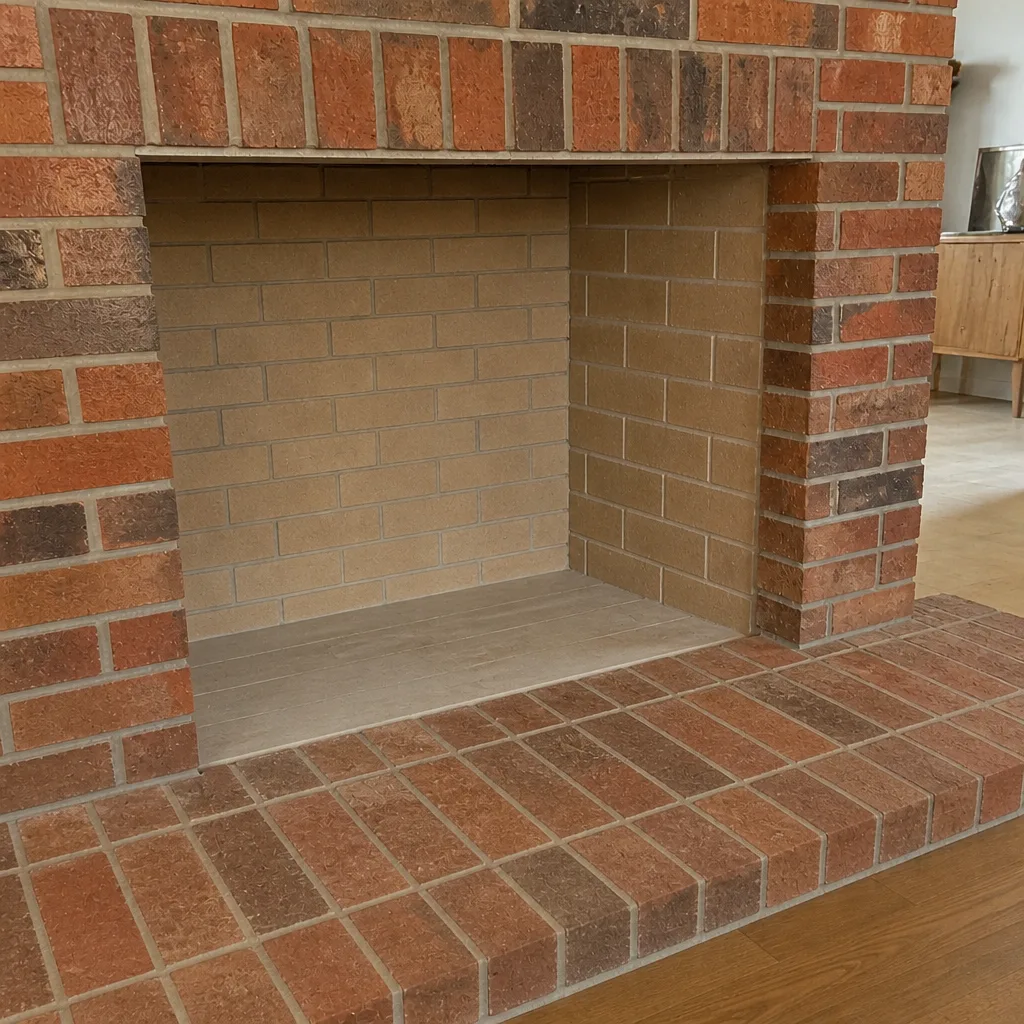
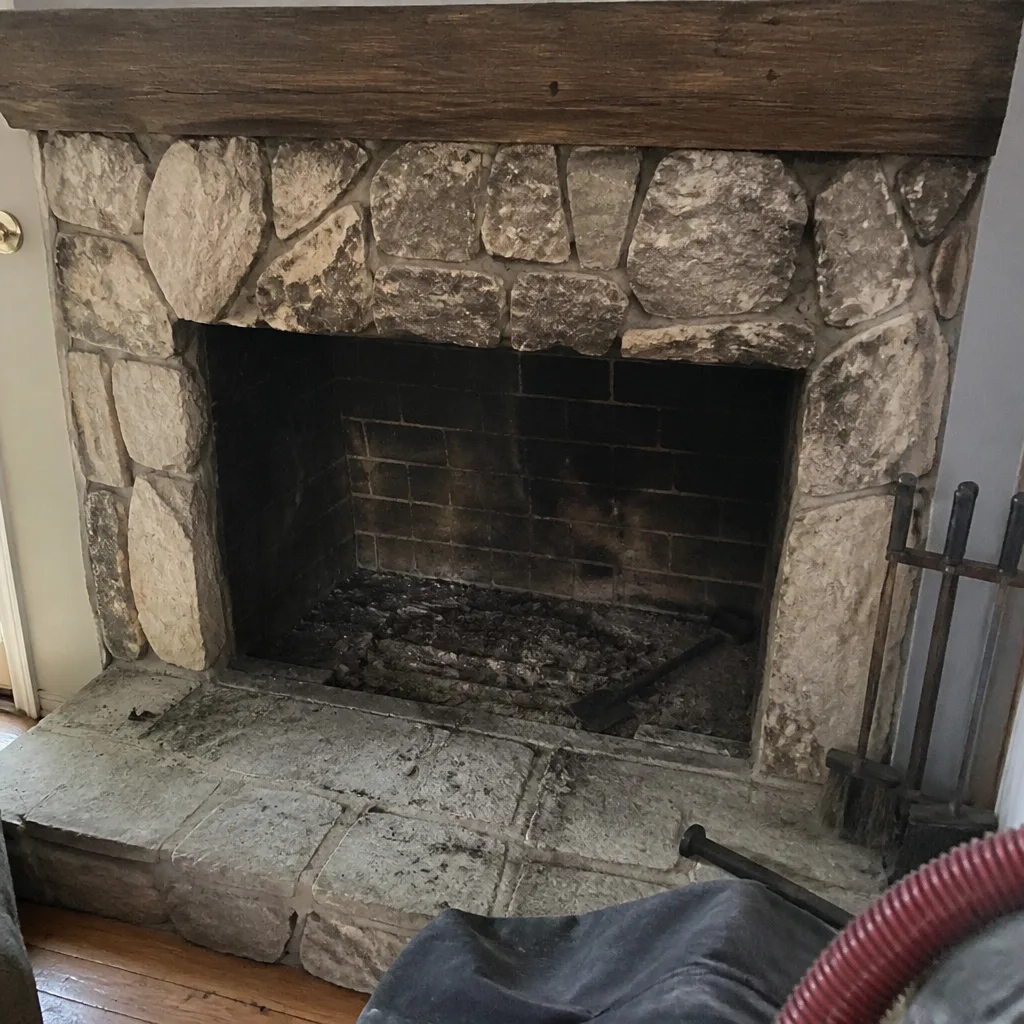
See the difference
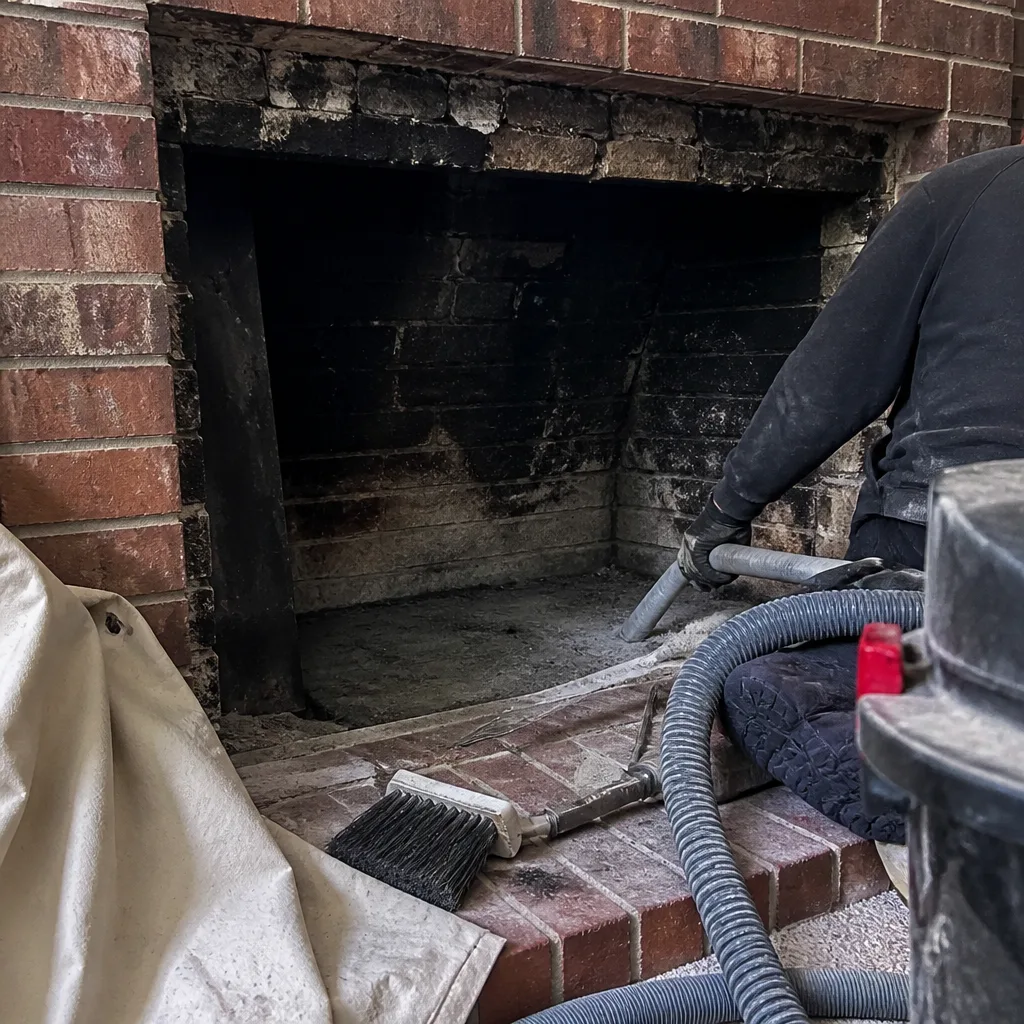 Before
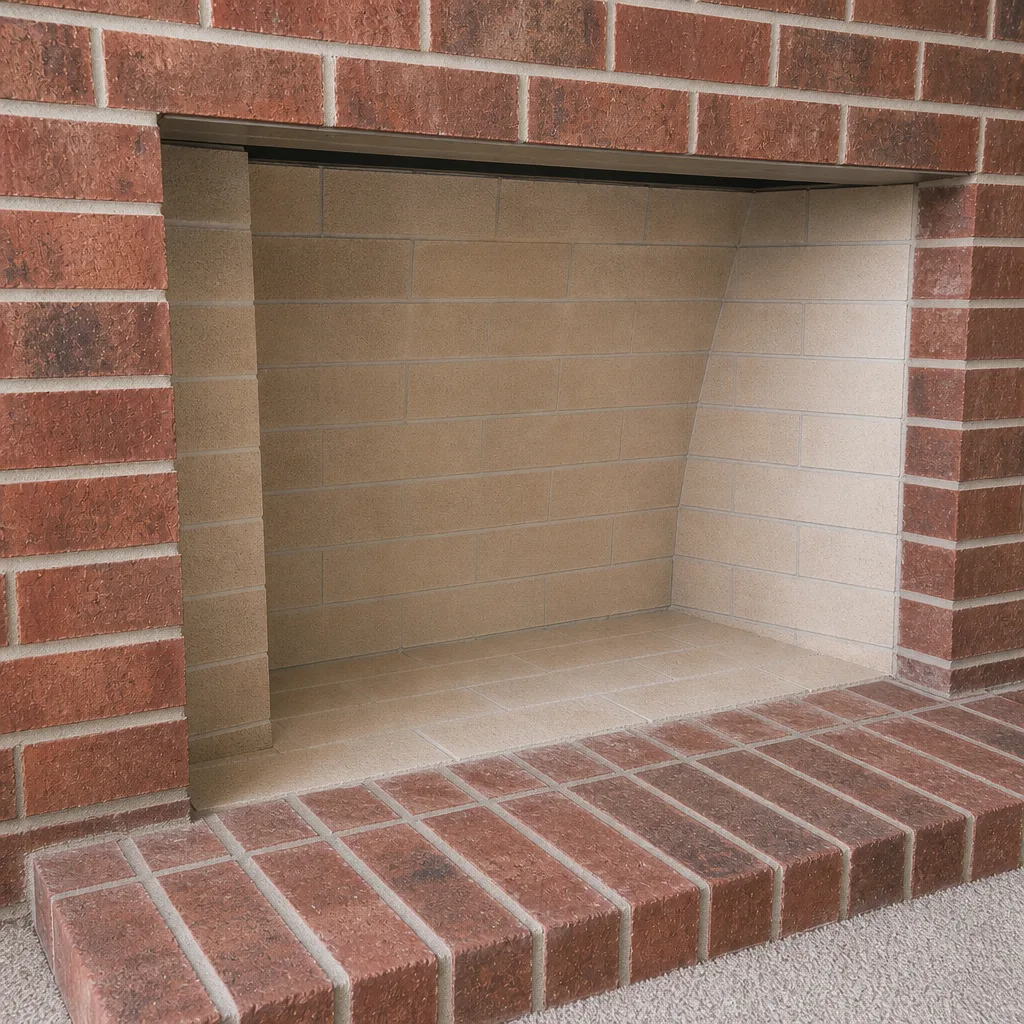 After
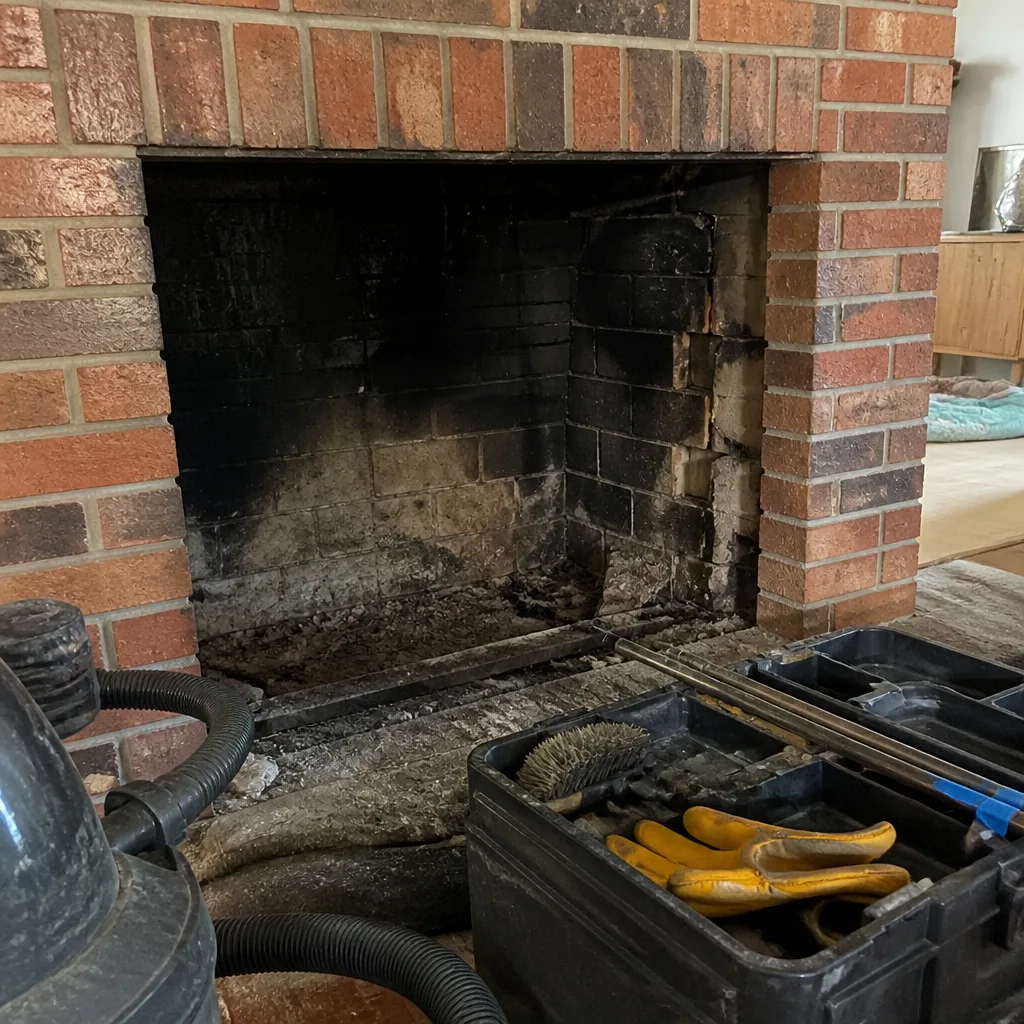 Before
 After
 Before
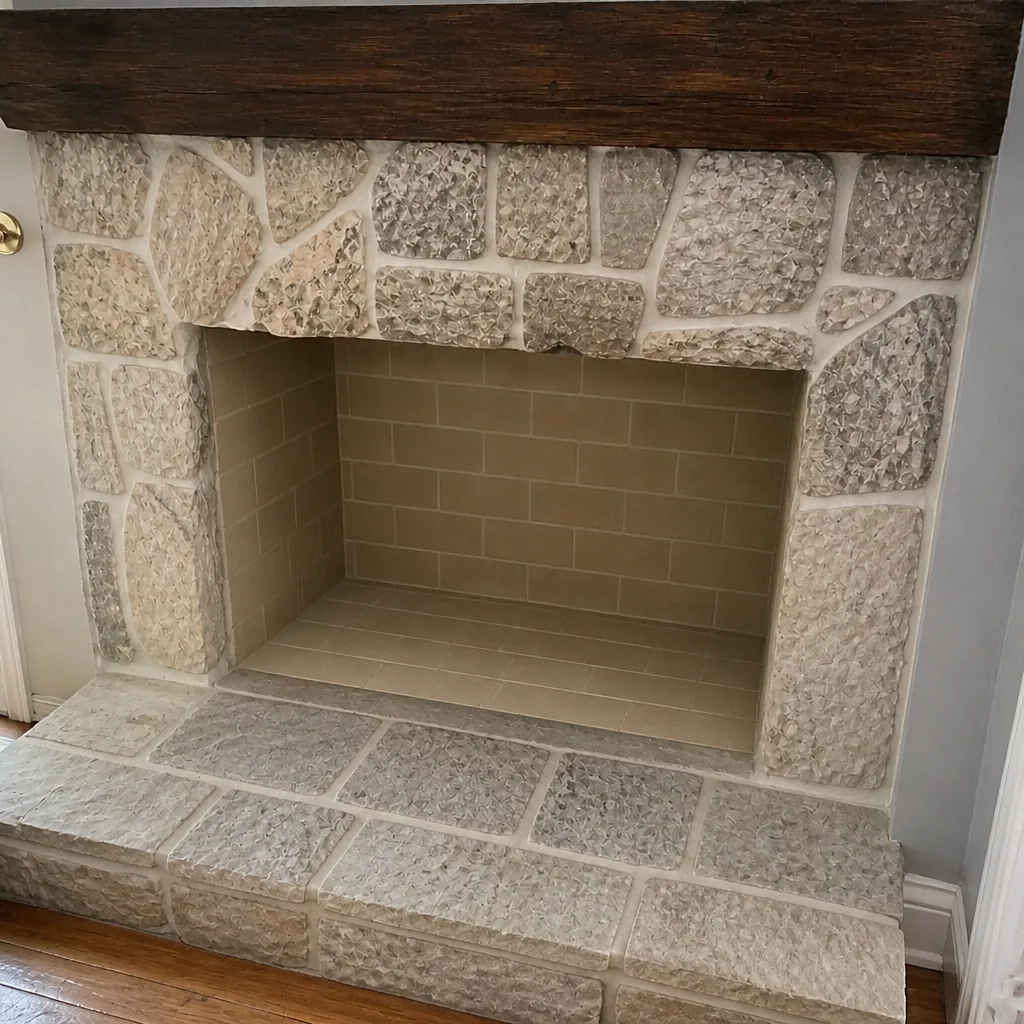 After
When to Call a Professional
Some symptoms deserve a call rather than another weekend of troubleshooting. Call us when smoke enters the room even with the damper fully open, when you smell gas or creosote, when you see cracked flue tiles or water stains inside the firebox, when a cap is missing or damaged, or when the chimney hasn’t been swept in a season. Call us too if you’ve had a chimney fire, even a small one; the flue needs to be assessed before the next burn. And call if you’re buying a home in Sparks with a wood-burning system, before you commit to inheriting its problems. Chimney Sweep Sparks offers free estimates in Sparks. Call (855) 360-7181. We answer 24/7. Fast dispatch from 7am to 7pm, Sunday through Friday.
Frequently Asked Questions
Most sweeps in Sparks fall in the low-to-mid three figures, and the final price is set per job by the written estimate, not a flat posted rate. A routine sweep with a Level 1 inspection is the lowest-cost visit. Add a camera for a Level 2 inspection and the price moves up to reflect the diagnostic work. Call (855) 360-7181 for an exact quote; estimates are free.
You need a new liner when the camera shows cracked, spalled, or missing flue tiles, or a flue that’s sized wrong for the appliance. You don’t need one when the tiles are intact and the problem is upstream, like a damper or a draft issue. The word from us is the word the camera supports. If the images don’t show flue failure, we’ll tell you a liner isn’t the fix. Call (855) 360-7181 for an honest read; estimates are free.
Sweep once a year if you burn wood regularly, and more often if you burn a lot or notice a slow draw or heavy creosote buildup. Gas inserts need an annual inspection but not the same level of sweeping. The right interval depends on how much you burn and how the flue looks on camera. Call (855) 360-7181 to book a sweep and we’ll set the interval from what we see.
Creosote builds up, and creosote is flammable. A restricted flue also raises the risk of smoke backdraft and carbon monoxide getting into the house instead of up the chimney. The risk grows quietly, which is why it’s easy to skip and why it’s worth a call. If you can’t remember the last sweep, that’s a sign to book one. Call (855) 360-7181; estimates are free.
Wind creates pressure differences across the roof that can overpower a chimney’s natural draw, and Sparks sits in a basin where wind across the roofline is common. The fix usually isn’t a rebuild. It’s a cap that improves draw, a flue that’s sized right for the firebox, or a house that’s getting enough makeup air. A Level 2 inspection will show which one is at play. Call (855) 360-7181 for an exact quote on the assessment; estimates are free.
You can safely check the damper movement, clear the firebox floor, and look at the cap and crown from the ground. Anything inside the flue, on the roof, or in the firebox lining is a professional job, and for good reason: creosote and height are both hazards. If a check raises a question, call before you reach in. Call (855) 360-7181; estimates are free.
The Bottom Line
Most chimney problems in Sparks have a visible upstream cause, and the goal of troubleshooting is to find that cause before you pay to fix something else. Smoke usually means a draft or blockage problem. Odor usually means creosote or moisture. Visible cracking tells you which layer of the chimney failed and which repair matches it. The camera inspection is the tool that turns a guess into a diagnosis, and it’s what separates a repair quote you can verify from one you can’t. We sweep, repair, and inspect in Sparks and handle each chimney’s full lifecycle from one team. Call (855) 360-7181. We answer 24/7. Fast dispatch from 7am to 7pm, Sunday through Friday. Estimates are free, and the written estimate sets the final price.
Book a Chimney Assessment in Sparks
If you’re reading this and a symptom came to mind, don’t guess. Call Chimney Sweep Sparks at (855) 360-7181 and tell us what you’re seeing: smoke, odor, cracking, a slow draw, or a chimney you’ve never had checked. We answer 24/7, dispatch from 7am to 7pm Sunday through Friday, and we’re closed on Saturday. The estimate is free, the price is set per job by the written estimate, and the recommendation follows the camera evidence, not the calendar. When another contractor’s quote doesn’t feel right, or you want a second opinion on a big repair, be sure to get a full assessment in Sparks before you sign. We’re licensed and insured, and we’re happy to show you the photos.
Written by the team at Chimney Sweep Sparks.