
Last updated November 15, 2026
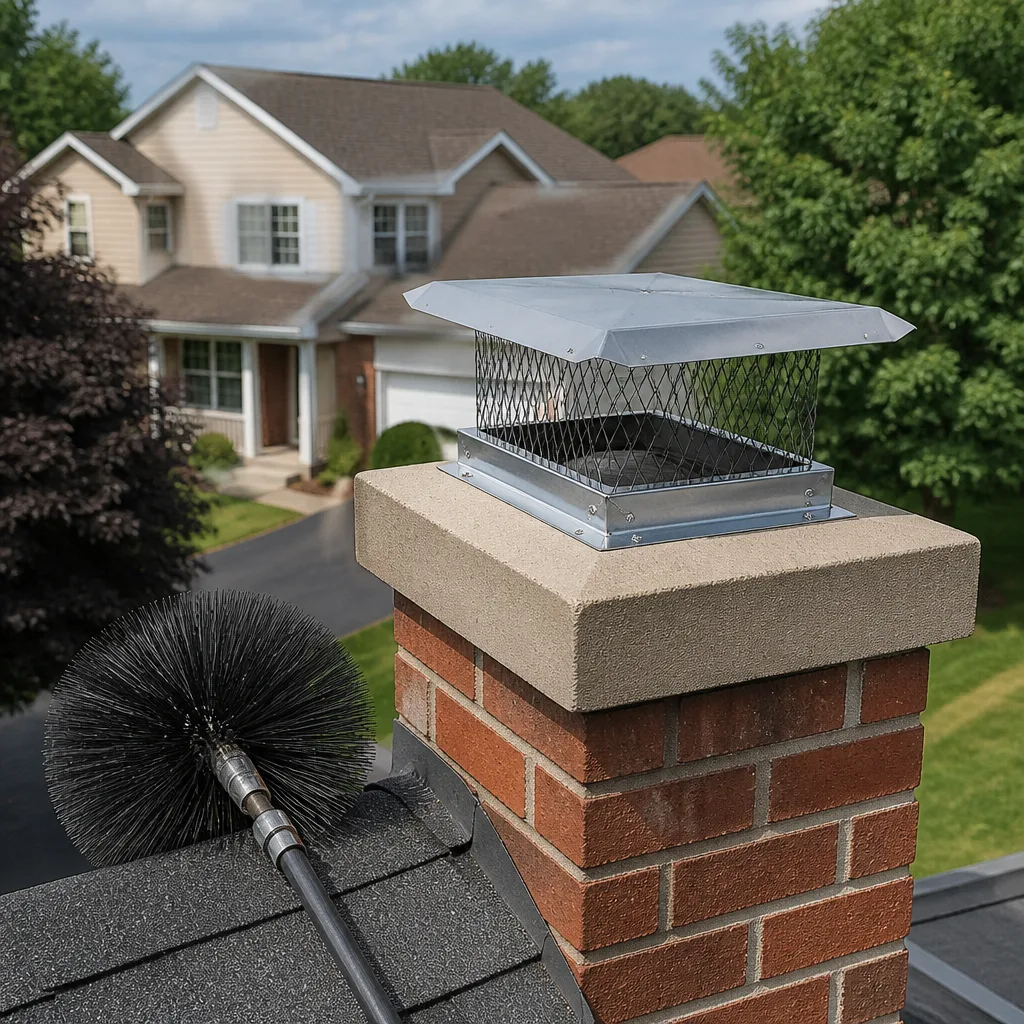 Sweep & inspection
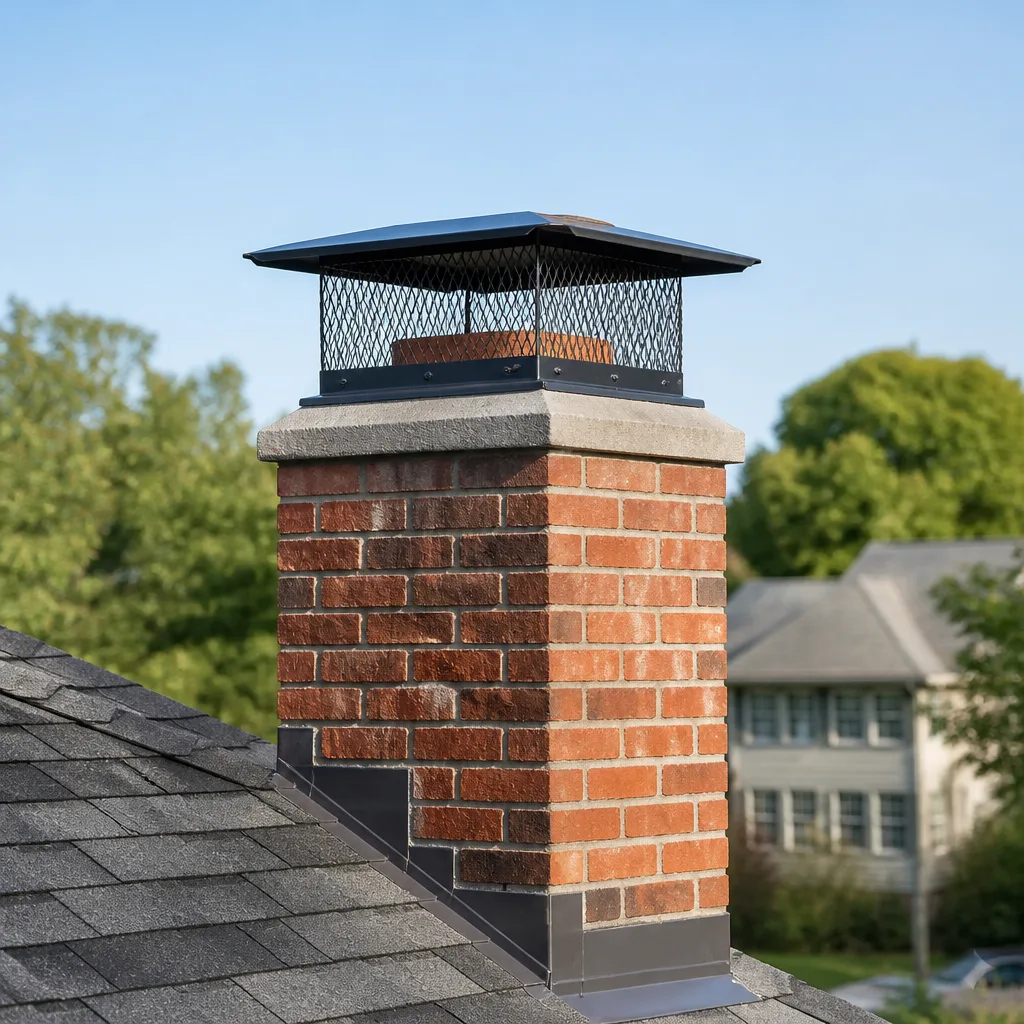 Caps & crowns
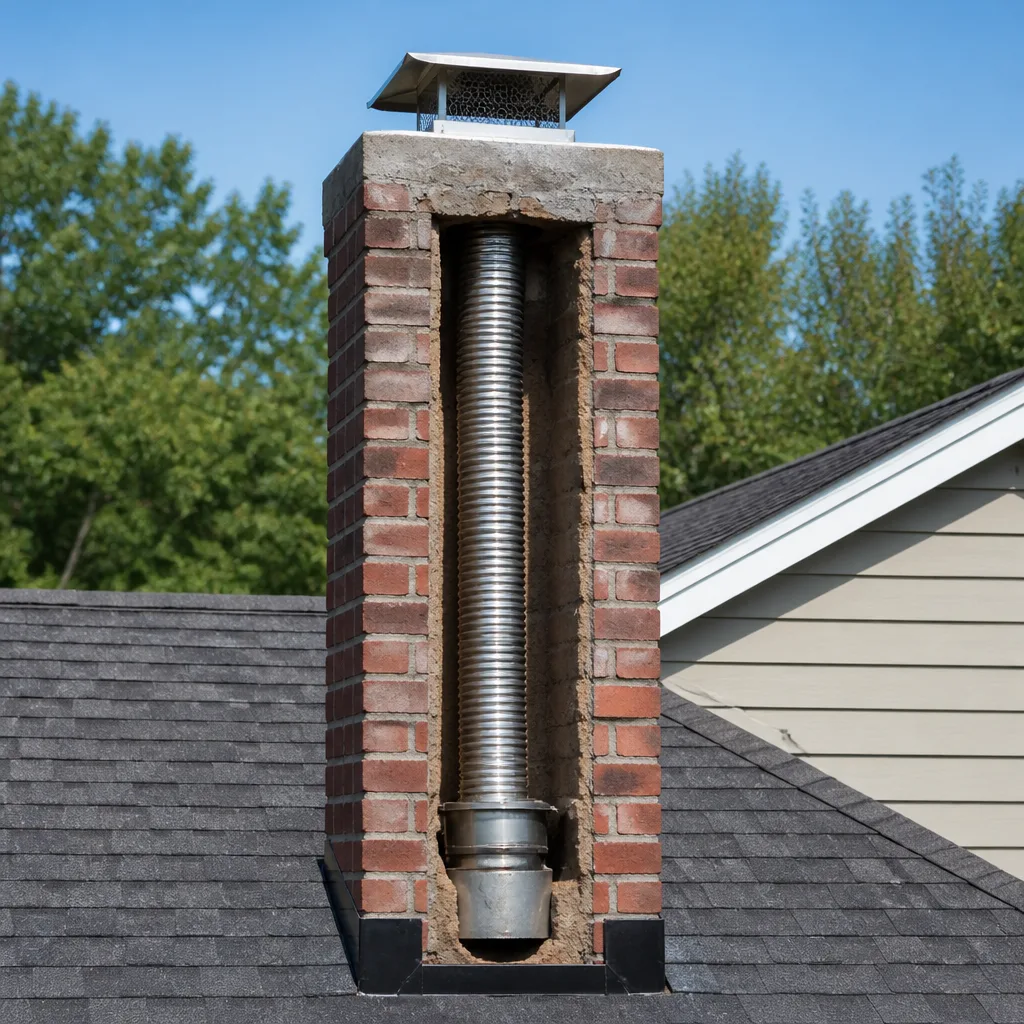 Flue relining
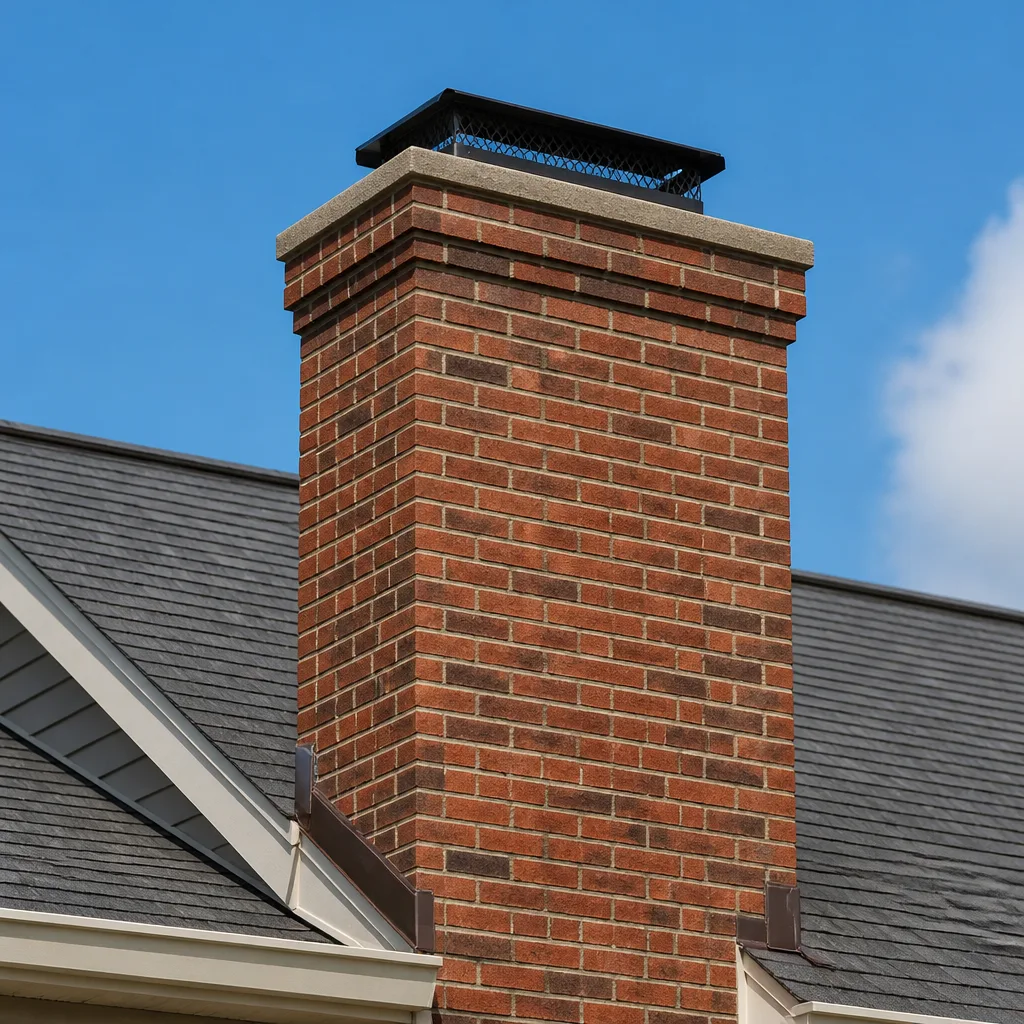 Masonry repair
 Gas fireplace service
Level 1 sweep and inspection to the NFPA 211 annual standard - flue, crown, cap, and flashing checked and photographed
Chimney sweep logs do not sweep chimneys. They loosen some creosote - which then falls where a brush and vacuum still have to collect it.
The Complete Guide to Chimney Cleaning in Sparks
Most chimney fires don’t start because homeowners skipped cleaning. They start because the cleaning was incomplete. A sweep that brushes the flue and calls it done can leave glazed creosote on the upper walls, a cracked crown nobody looked at, and a flue that still isn’t safe to burn in. Here in Sparks, that gap matters more than most generic guides admit, because the elevation, the local firewood, and the way we heat all push creosote to form faster than it does at lower altitudes. This guide walks you through what a real cleaning involves from cap to firebox, what NFPA 211 actually requires, and how to tell a genuine sweep from a quick surface job.
Quick Answer
A proper chimney cleaning in Sparks means sweeping the full flue, removing creosote from the firebox through the top, running a Level 1 inspection during the same visit, and giving you a report of what was found. It’s not just soot removal: at our elevation, glazed creosote builds faster and wood choice matters more. If your flue hasn’t been swept since last heating season, or you’re unsure when it was done last, book a sweep before you light the first fire.
Styles & brands we work with
- Sweep & inspection
- Caps & crowns
- Flue relining
- Masonry repair
- Gas fireplace service
Table of Contents
- Why Chimney Cleaning Matters More in Sparks
- What NFPA 211 Actually Says About When to Clean
- What a Full Chimney Cleaning Involves, Step by Step
- What a Level 1 Inspection During a Cleaning Should Confirm
- How Local Wood Choices Affect Creosote
- How Sparks’ Elevation Changes Combustion and Creosote
- How to Tell If You Got a Real Cleaning
- What Chimney Cleaning Costs in Sparks
Why Chimney Cleaning Matters More in Sparks
Sparks sits in the high desert of the Truckee Meadows, and that geography shapes chimney behavior in ways that flatland guides ignore. Our elevation runs around 4,400 feet. Cold, dry winters mean the fireplace works hard from November through March. Wood-burning culture here is real: plenty of homes heat with wood, not just for ambience but as a secondary heat source when temperatures drop. That means more burn hours, more creosote, and less margin for a chimney that’s been neglected.
Air quality also enters the picture. The Truckee Meadows has rules about wood burning on poor-air-quality days, and while those rules are about outdoor smoke, they reflect something homeowners here already know: what goes up the flue doesn’t just disappear. A dirty chimney burns inefficiently, sends more particulate matter into the air, and puts more creosote on the flue walls. Clean burning and clean chimneys go together.
The housing stock matters too. Sparks has a mix of older masonry chimneys from mid-century neighborhoods and newer homes with factory-built fireplaces and inserts. Each type has its own cleaning and inspection needs. A masonry flue that’s been patched or relined behaves differently from a modern metal system, and a sweep who doesn’t know the difference will miss problems. If you want the full picture on our city, we’ve written about Sparks and the neighborhoods we work in.
What NFPA 211 Actually Says About When to Clean
Most homeowners have heard “clean your chimney once a year.” That’s a useful shorthand, but it’s not the actual standard. NFPA 211, the national code that governs chimneys, fireplaces, vents, and solid fuel appliances, sets the requirement by condition, not by calendar. The standard says chimneys must be inspected and cleaned when there is a buildup of creosote or obstruction, and it defines cleaning as necessary when deposits reach specified thickness levels. In plain terms: clean when the chimney needs it, and inspect regularly to know when that is.
What this means for you in Sparks:
- Annual inspection is the baseline. Even if the flue looks clean, a yearly inspection catches what you can’t see.
- Cleaning is triggered by deposit thickness, not just time. A heavily used fireplace can need a sweep mid-season; a lightly used one may go longer.
- Any change in how the fireplace burns is a reason to inspect. More smoke, less draft, a smell in the house: those are signals, not quirks.
- After a chimney fire, inspection and cleaning are mandatory before the chimney is used again, regardless of how much was burned.
NFPA 211 also sets the inspection levels. A Level 1 inspection is the visual check that accompanies a routine cleaning. A Level 2 is more thorough and is required after certain events, like a chimney fire or a change in fuel type. A Level 3 goes further, opening access to concealed areas when a serious hazard is suspected. Knowing which level you’re getting matters, because “we looked at it” isn’t the same as a documented inspection.
What a Full Chimney Cleaning Involves, Step by Step
A real cleaning is a sequence, not a single brush stroke. When a sweep rushes it, corners get cut in ways you won’t notice until something goes wrong. Here’s what the process should look like, from the moment the technician arrives to the moment they pack up.
- Protect the living space. Drop cloths or tarps go down around the hearth, and a sealed vacuum system is set up so no soot ends up in your room. This is the first sign of a professional job.
- Inspect before cleaning. The technician looks at the firebox, damper, smoke chamber, and flue before touching anything, noting condition and any obvious damage. Cleaning a damaged flue can make things worse.
- Sweep the firebox and smoke chamber. The firebox gets brushed down, and the smoke chamber above the damper, a tight space many quick sweeps skip, gets cleaned as well.
- Sweep the flue from the bottom up or top down. Rotary brushes or rods are used to remove creosote from the full length of the flue. Glazed creosote may need more aggressive tools or a chemical treatment.
- Clean the damper and access points. The damper, lintel, and any cleanout doors are cleaned so the system works smoothly.
- Vacuum and contain the dust. The vacuum runs throughout, and the work area is cleaned before the technician leaves.
- Inspect and report. The technician completes the Level 1 inspection and walks you through what was found, with photos where possible.
- Clear the cap and crown. The chimney cap and crown are checked for blockages, cracks, or animal nests, which are common in Sparks.
Notice what’s not on that list: a five-minute brush-and-go. A real cleaning takes time because it covers the whole system. If a sweep is in and out in fifteen minutes, ask what they actually cleaned. It’s also worth knowing that the cleaning and the inspection overlap in the best way: the same visit that removes creosote also confirms the flue is sound, which is why we handle sweep, repair, and inspection as one job rather than three separate contractor visits. If a repair is needed, you’re already talking to the people who can do it, whether that’s a chimney repair for a cracked crown or a new liner for a deteriorated flue.
What a Level 1 Inspection During a Cleaning Should Confirm
The inspection that comes with a cleaning isn’t an upsell; it’s part of the job. A Level 1 inspection is a visual check of all accessible parts of the chimney and venting system. During a routine sweep, it should confirm several things, and a technician should be willing to explain each one to you.
- The flue is unobstructed. No bird nests, no fallen masonry, no heavy creosote blocking the passage.
- The flue lining is intact. Cracks, gaps, or deterioration in the liner mean the flue can’t safely contain combustion gases. This is where a masonry flue might call for ceramic resurfacing, and where a damaged or offset flue might need a flexible liner system.
- The damper operates correctly. It should open and close smoothly and seal reasonably well when closed.
- The smoke chamber is sound. This is the sloped area above the damper; cracks or heavy creosote here are a fire hazard.
- The firebox shows no serious cracking. Minor surface cracks are common, but cracks that let heat reach the masonry behind are a real concern.
- The chimney exterior is intact. The crown, cap, flashing, and masonry joints are checked from the roof where accessible.
- There’s no sign of moisture or animal intrusion. Both are common in high-desert homes where a cap is missing or damaged.
What tools should a real sweep bring? At minimum: drop cloths, a sealed HEPA vacuum, chimney brushes sized to the flue, rods or a rotary system, a flashlight or inspection light, and a camera for documenting findings. On more involved jobs, the technician may bring a chimney camera for a closer look inside the flue. If an inspection turns up a problem, a full-service company can recommend and perform the fix rather than handing you a list and leaving. That’s the difference between a sweep and a specialist: we find it, we fix it, no runaround.
How Local Wood Choices Affect Creosote
The wood you burn matters as much as how often you clean. In Northern Nevada, pinyon pine and other high-resin softwoods are common and easy to come by. They’re also hard on a chimney. Resinous woods produce more creosote per cord than dense hardwoods, and when they burn cool, that creosote can turn glazed and hard, which is much harder to remove than the fluffy kind and far more flammable.
Here’s what to keep in mind when you’re stacking wood for the season:
- Season your wood. Unseasoned or “green” wood burns cool and smokes heavily, which is the fastest route to heavy creosote. Split wood and let it dry before burning.
- Know your species. Pinyon pine and other resinous softwoods are common here; they’re fine to burn but need more frequent inspection than a clean-burning hardwood.
- Don’t smolder. Damping a fire down to make it last overnight produces exactly the low-temperature, smoky burn that coats the flue. Burn hotter, shorter fires instead.
- Never burn trash, cardboard, or treated wood. These add compounds that stick to the flue and can damage the liner.
In our experience, homes that burn a lot of pinyon and burn it damp end up with glazed creosote far sooner than the annual-cleaning rule would suggest. That’s not a reason to stop burning local wood; it’s a reason to get the chimney inspected and, if needed, cleaned more often than once a year, and to treat glazed buildup as a priority rather than something to brush off later.
How Sparks’ Elevation Changes Combustion and Creosote
Here’s something most chimney guides never mention: altitude changes how a fire burns. At roughly 4,400 feet, the air is thinner, and there’s less oxygen per cubic foot than at sea level. A wood fire needs oxygen to burn efficiently, and when the air is thin, the fire can run cooler and produce more smoke for the same amount of wood. That cooler, smokier burn is exactly what lays down creosote.
The practical effect for Sparks homeowners:
- Draft behaves differently. Chimneys rely on the temperature difference between inside and outside air to pull smoke up. At altitude, that physics still works, but appliance sizing and venting need to match the conditions, not a sea-level rule of thumb.
- Creosote can build faster. A cooler, less efficient fire deposits more creosote per cord burned, especially with resinous wood.
- Appliance choice matters. A wood insert or stove needs to be sized and vented for our altitude to burn cleanly, and an improperly vented unit is a creosote factory.
- Annual inspection is more important, not less. The “once a year” rule was written for average conditions; high-altitude, heavy-use homes benefit from a closer look.
None of this means you need to re-engineer your fireplace. It means the person cleaning it should understand why your flue behaves the way it does. A sweep who treats Sparks like any other market will clean the same flue the same way and miss the conditions that make it different. This is where local knowledge earns its keep: the right brush, the right frequency, and the right eye for what glazed creosote looks like when it’s been building all winter.
How to Tell If You Got a Real Cleaning
A cleaning that passes the visual test isn’t necessarily a cleaning that reduces fire risk. You can have a chimney that looks clean inside and still have glazed creosote on the upper flue walls, a cracked crown letting water in, or a liner gap hidden out of sight. The visual pass is the start of the assessment, not the end of it. So how do you tell the difference between a cleaning that just looks good and one that actually made your chimney safer?
Ask these questions after the job:
- Did they inspect before sweeping? A sweep who cleans first and inspects later (or not at all) has it backwards.
- Did they cover the whole system? Firebox, smoke chamber, damper, flue, cap, crown. If a section was skipped, ask why.
- Did you get findings in writing or with photos? A real inspection produces a report. A verbal “you’re all set” with nothing documented is thin.
- Did they show you the difference? Good technicians will show you before-and-after or point out glazed creosote, cracks, or crown damage directly.
- Did they tell you what could wait? An honest sweep distinguishes between what needs attention now and what can be monitored. If everything is urgent, ask for the evidence.
In our experience, the difference between a visual pass and real risk reduction is documentation and honesty. You should leave a cleaning knowing what was found, what was done, and what to watch. A cleaning that only “looks good” hasn’t necessarily done its job.
What Chimney Cleaning Costs in Sparks
Chimney cleaning prices in Sparks depend on the system: a straightforward sweep of a single flue on a standard fireplace is different from a job that turns up glazed creosote, a damaged crown, or a liner that needs attention. We don’t publish flat rates, because a written estimate based on what’s actually in your chimney is the only honest number. What we can tell you is what factors move the price.
- Number of flues. A chimney with two or three flues takes longer and costs more than a single-flue system.
- Creosote condition. Standard soot brushes out easily; glazed, hardened creosote may need more work or treatment.
- Access and roof type. Steep or high roofs, or access that requires more setup, affect the time a job takes.
- Appliances and inserts. Wood inserts, stoves, and factory-built fireplaces have their own venting and cleaning needs, which can differ from a masonry open fireplace.
- Findings from the inspection. If the inspection turns up a repair, the estimate covers it separately so you can decide with the facts in hand.
Every estimate is free, and it’s set per job in writing before any work begins. You’ll know what’s being done and what it costs before we start. If you want to know more about what we do and how we work, our chimney sweep page covers the practical side. To get a number for your chimney, call (855) 360-7181.
Common Mistakes to Avoid
- Skipping the inspection. A cleaning without an inspection is half a job. You’ll know the flue is brushed but not whether the liner, crown, or smoke chamber are sound, which is where fire risk actually lives.
- Burning unseasoned pinyon. High-resin wood burned damp is the fastest way to glazed creosote in Northern Nevada. Season your wood before it goes in the firebox.
- Assuming the annual rule covers everything. Once a year is a baseline, not a guarantee. A heavily used high-altitude fireplace may need a closer look, especially with local softwoods.
- Trusting a fifteen-minute sweep. If the whole job is in and out before the vacuum’s warm, sections got skipped. Ask what was cleaned and look for documentation.
- Putting off glazed creosote. Hard, shiny creosote isn’t just harder to brush; it burns hot and is the main fuel for a chimney fire. Treat it as a priority, not a nuisance.
- Letting a damaged crown go. Water gets in through a cracked crown, and water plus masonry plus freeze-thaw cycles means more damage next season. Catch it early and it stays a small fix.
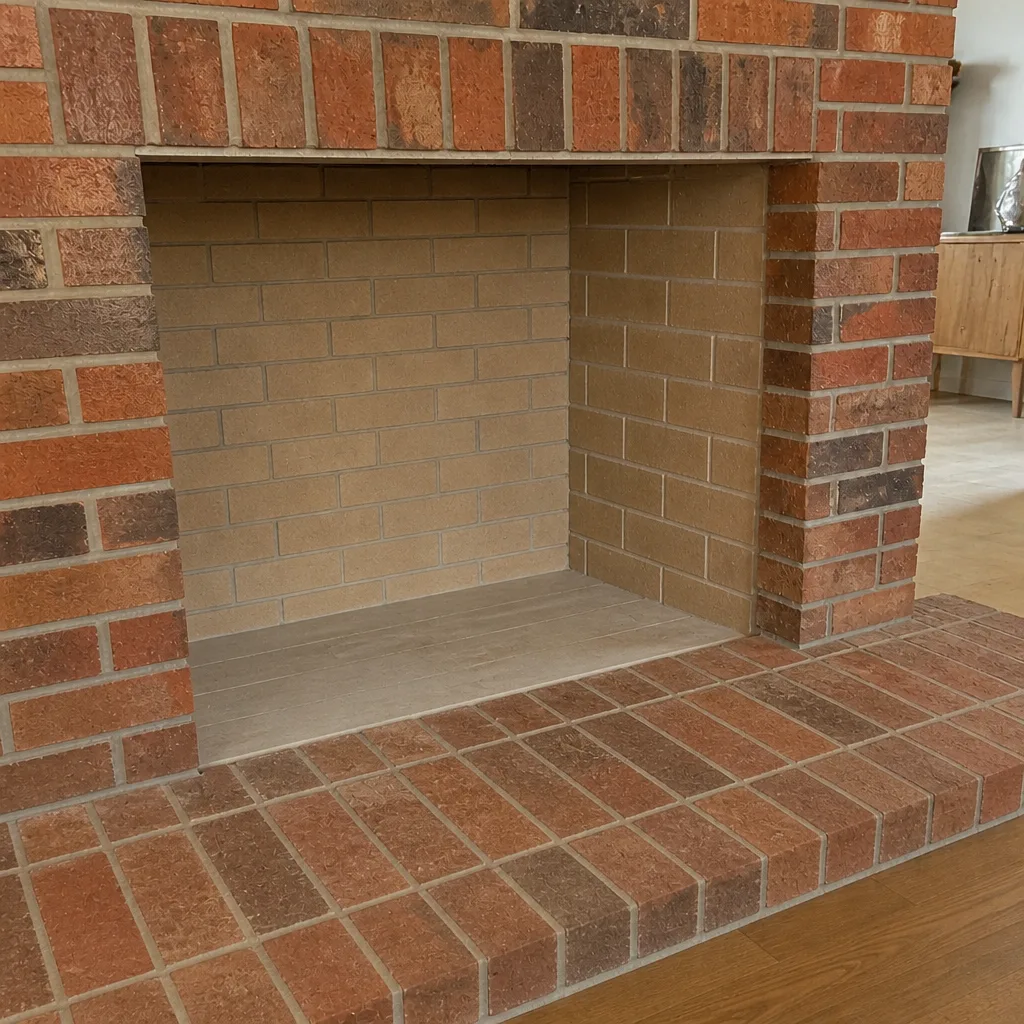
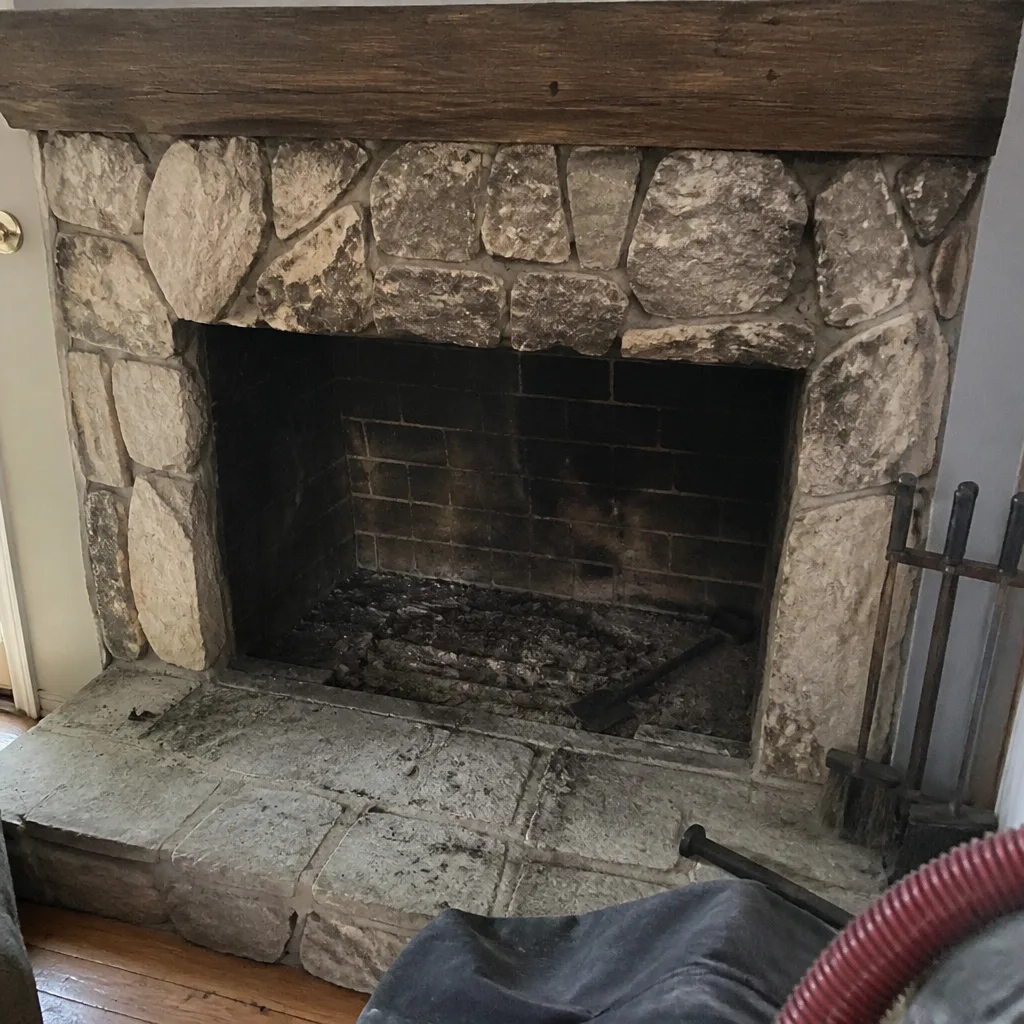
See the difference
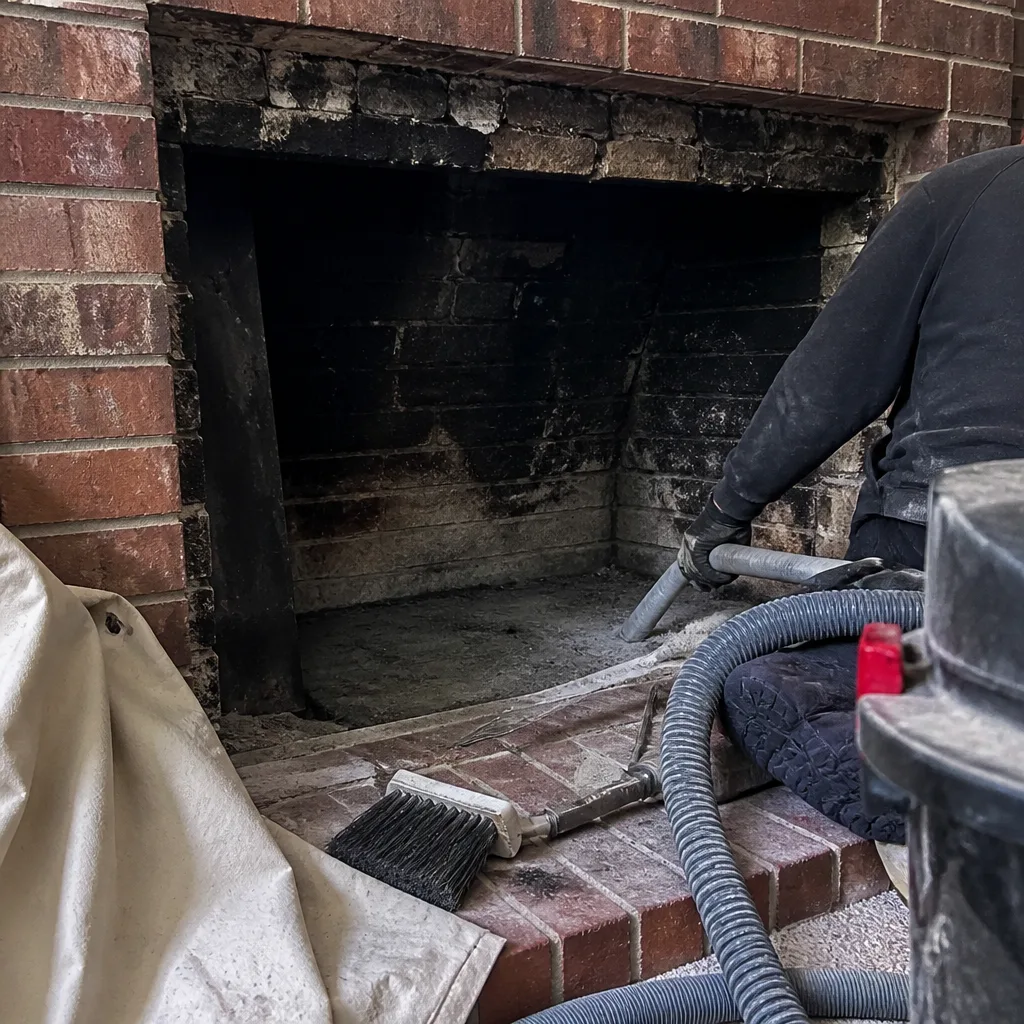 Before
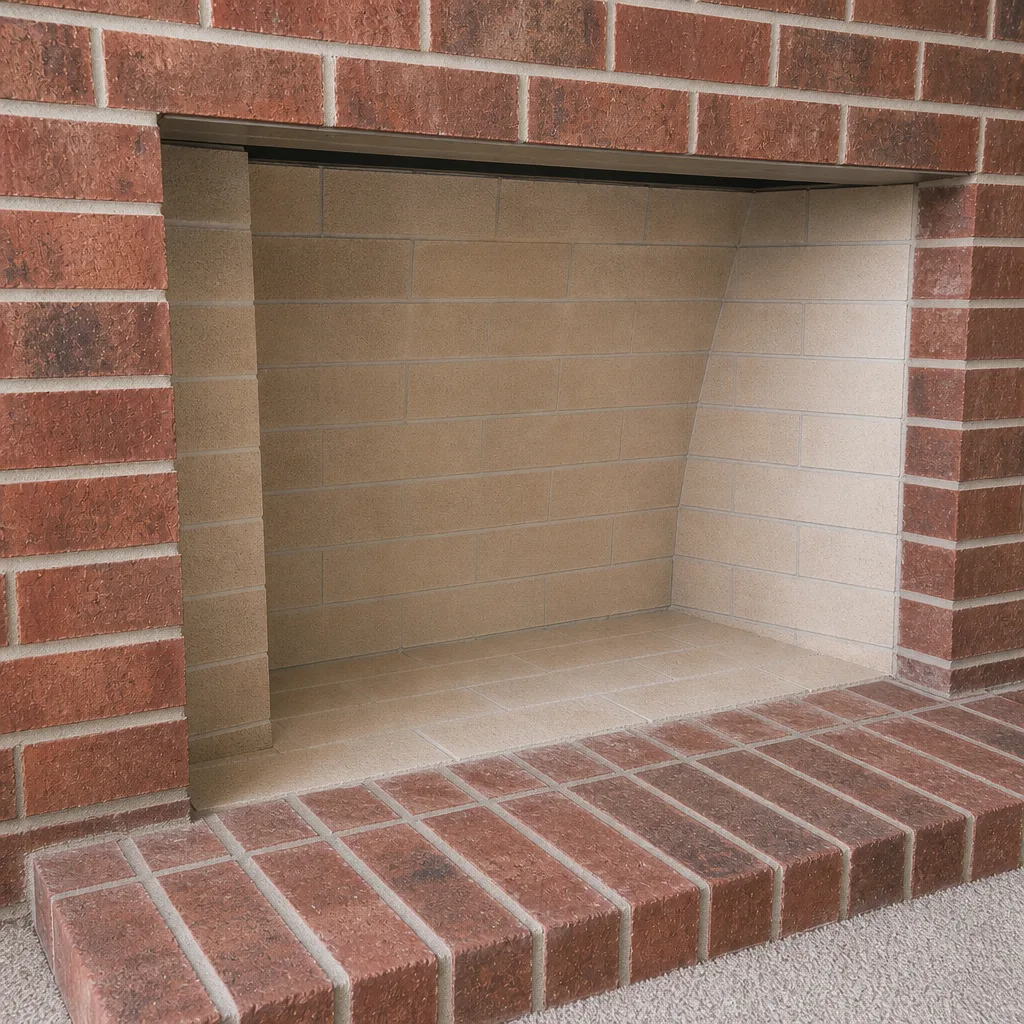 After
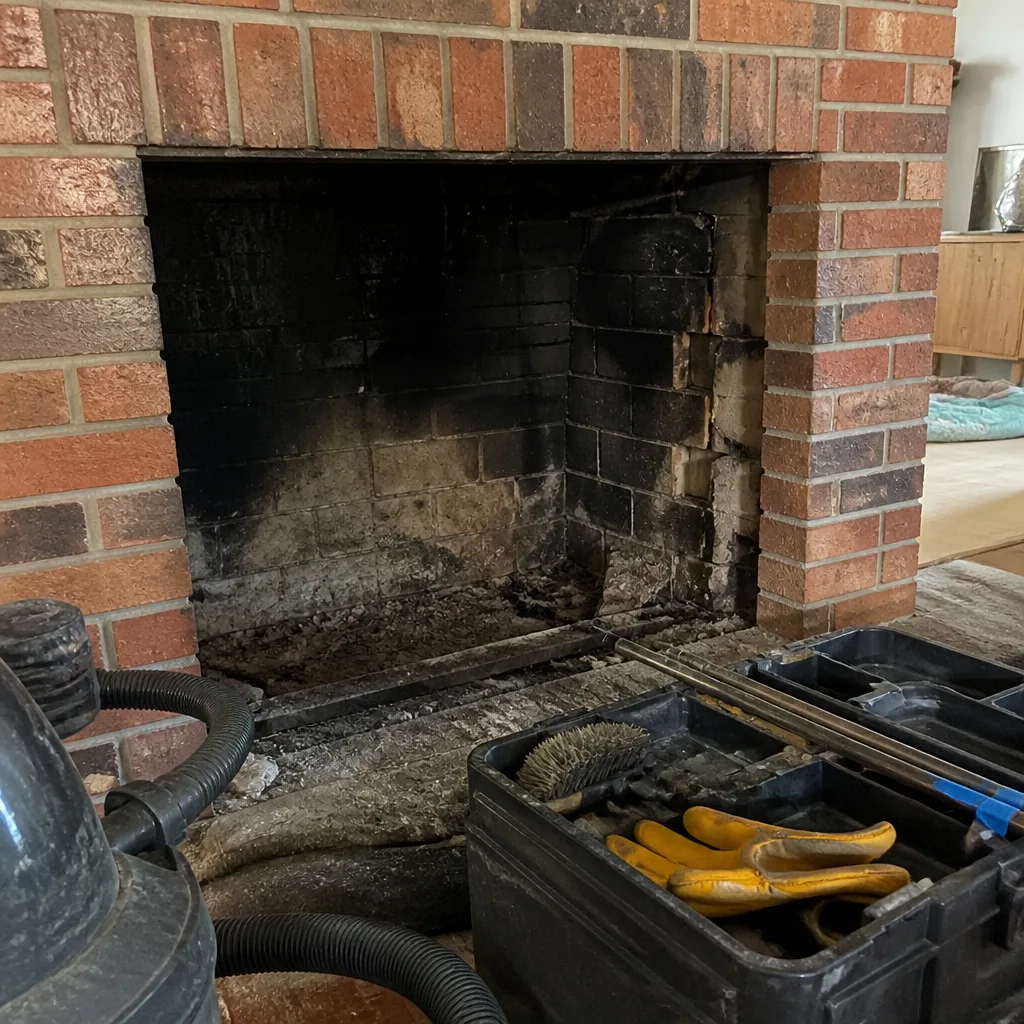 Before
 After
 Before
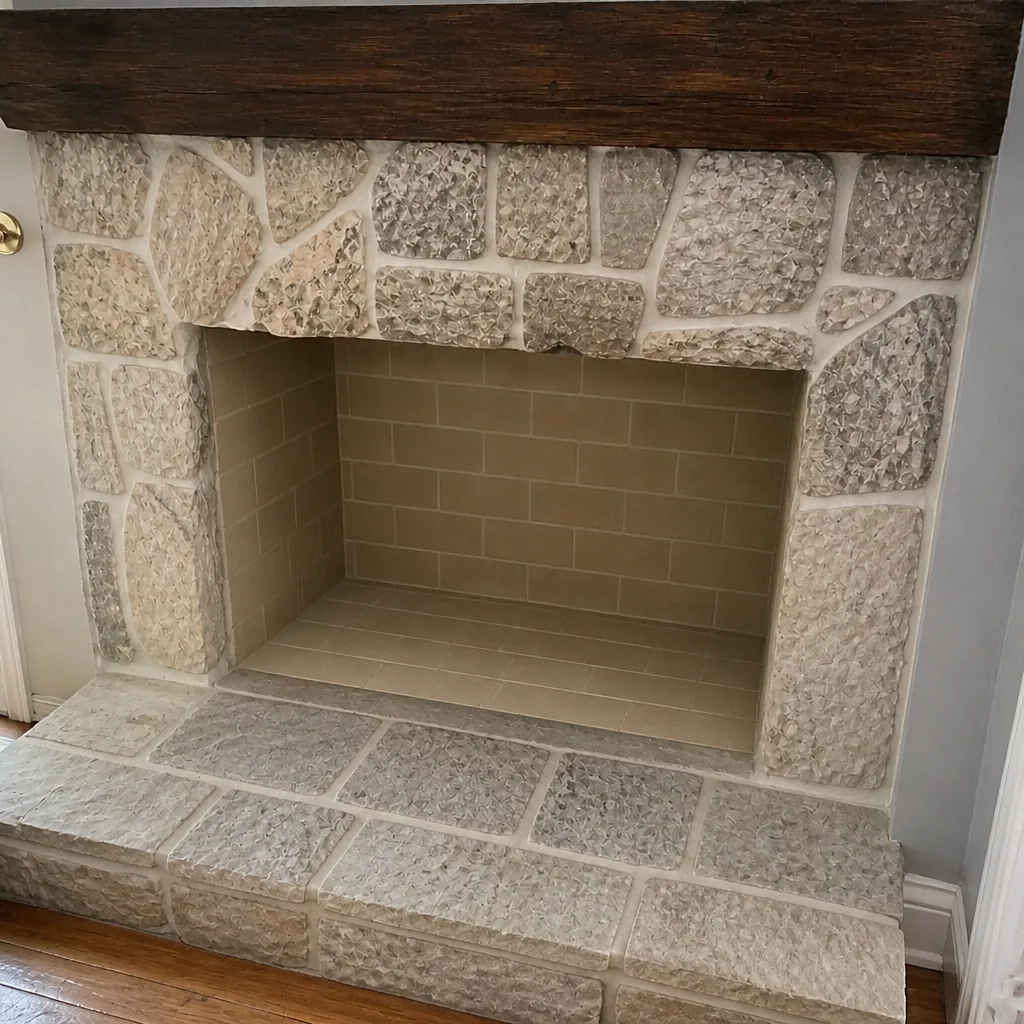 After
When to Call a Professional
Book a professional sweep when your flue hasn’t been cleaned since last heating season, or you don’t know when it last was. Call sooner if you notice a strong creosote smell, smoke rolling back into the room, a draft that’s weaker than it used to be, or visible glazed creosote on the flue walls. After any chimney fire, even a small one, don’t burn again until the system has been inspected. And if you’re buying or selling a home in Sparks, a documented inspection gives you a real answer about the chimney’s condition instead of an assumption. Chimney Sweep Sparks offers free estimates in Sparks – call (855) 360-7181. We sweep, repair, and inspect start to finish, one company, using professional-grade materials from lines like Copperfield, HeatShield, DuraFlex, and Gelco.
Frequently Asked Questions
At least once a year for a regularly used fireplace, and more often if you burn a lot of resinous wood like pinyon or notice glazed creosote. NFPA 211 ties cleaning to deposit thickness rather than the calendar, so the annual inspection tells you whether a sweep is needed. Homes that burn hard all winter through our cold season should get a close look before the season starts. Call (855) 360-7181 to book an inspection and get an exact quote.
Creosote builds up on the flue walls, and glazed creosote is highly flammable, which raises the risk of a chimney fire. A dirty flue also drafts poorly, so smoke and combustion gases can back up into the house instead of venting properly. The later the cleaning, the more likely the job turns into a repair. Call (855) 360-7181 for a free estimate before the next burn.
Only if the inspection shows the liner is compromised: cracks, gaps, or deterioration that mean it can’t safely contain combustion gases. A sound liner doesn’t need replacing, and a good technician will show you the evidence, with photos where possible, rather than just recommending one. When a liner genuinely needs work, a flexible DuraFlex system is one option, especially for older or offset flues. Call (855) 360-7181 and we’ll walk you through what we find.
It depends on the number of flues, the creosote condition, roof access, and whether the inspection turns up repairs. We don’t quote flat rates because the written estimate based on your actual chimney is the only accurate price. The estimate is free, and the price is set per job before work starts. Call (855) 360-7181 for an exact quote.
Cleaning removes creosote and soot; inspection assesses the condition of the whole system. The Level 1 inspection happens during a routine cleaning and is a visual check of the accessible parts of the chimney. Deeper inspection levels are warranted after events like a chimney fire or a change in fuel. A cleaning without an inspection leaves you knowing it’s cleaner but not whether it’s safer. Call (855) 360-7181 to book both in one visit.
Yes. We sweep, repair, and inspect as one company, so a problem found during the cleaning doesn’t turn into a second contractor search. Repairs range from crown and masonry work to liner systems and ceramic flue resurfacing, and we work with professional-grade materials from brands like HeatShield and Copperfield. Call (855) 360-7181 for a free estimate on any findings.
The Bottom Line
Chimney cleaning in Sparks is more than soot removal. The elevation, local firewood, and cold-season burn hours all speed up creosote formation, so the annual cleaning needs to be a real inspection of the whole system, cap to firebox. A cleaning that passes the visual and one that reduces fire risk aren’t the same, and documentation is how you tell them apart. NFPA 211 is your guide: inspect regularly, clean when deposits call for it, and treat glazed creosote and liner damage as priorities. When you book, ask what was cleaned, what was inspected, and what could wait. Call (855) 360-7181. We answer 24/7. Fast dispatch from 7am to 7pm, Sunday through Friday. A call outside dispatch hours is booked into the next opening.
Our technicians have up to 10 years of experience, and every job is backed by free estimates and a written price before work begins. For a sense of the full scope of what we do across the region, start with Chimney Sweep Sparks.
Written by the team at Chimney Sweep Sparks.