
Last updated November 15, 2026
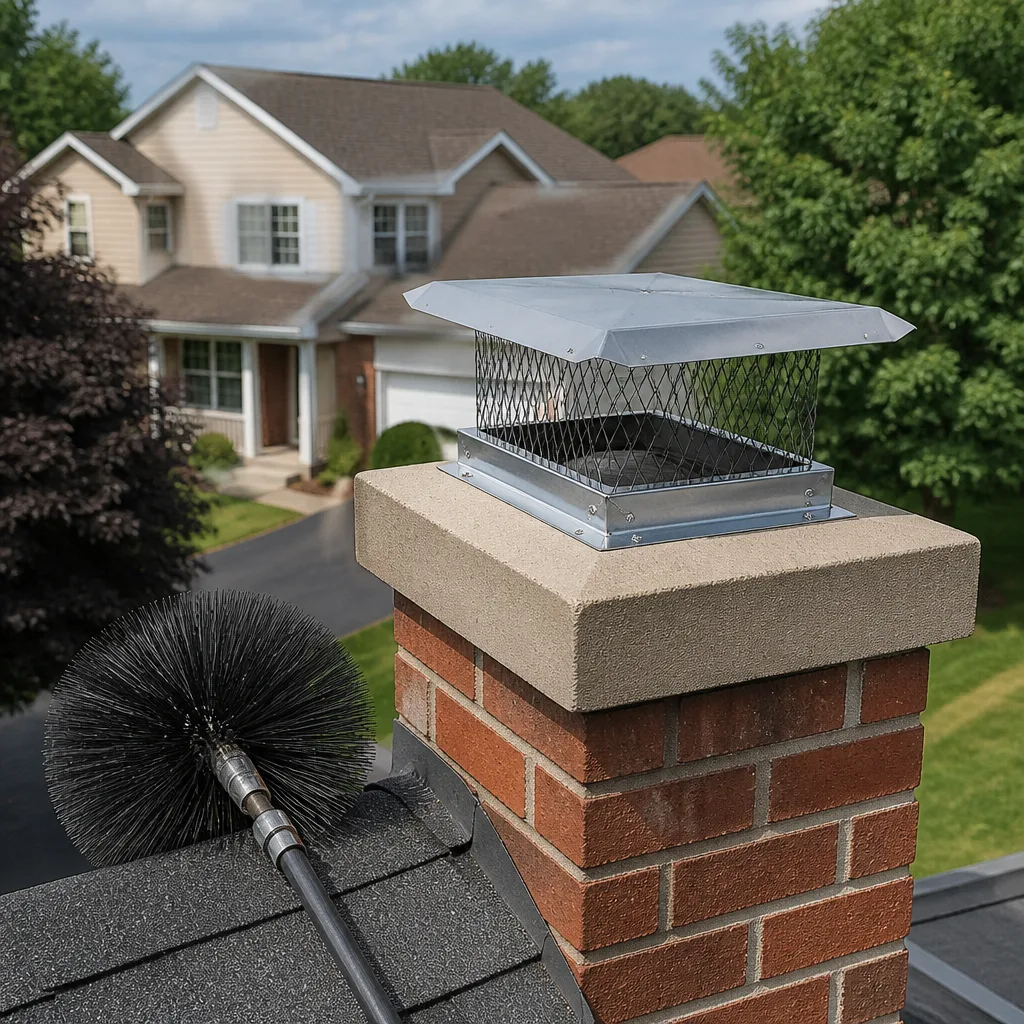 Sweep & inspection
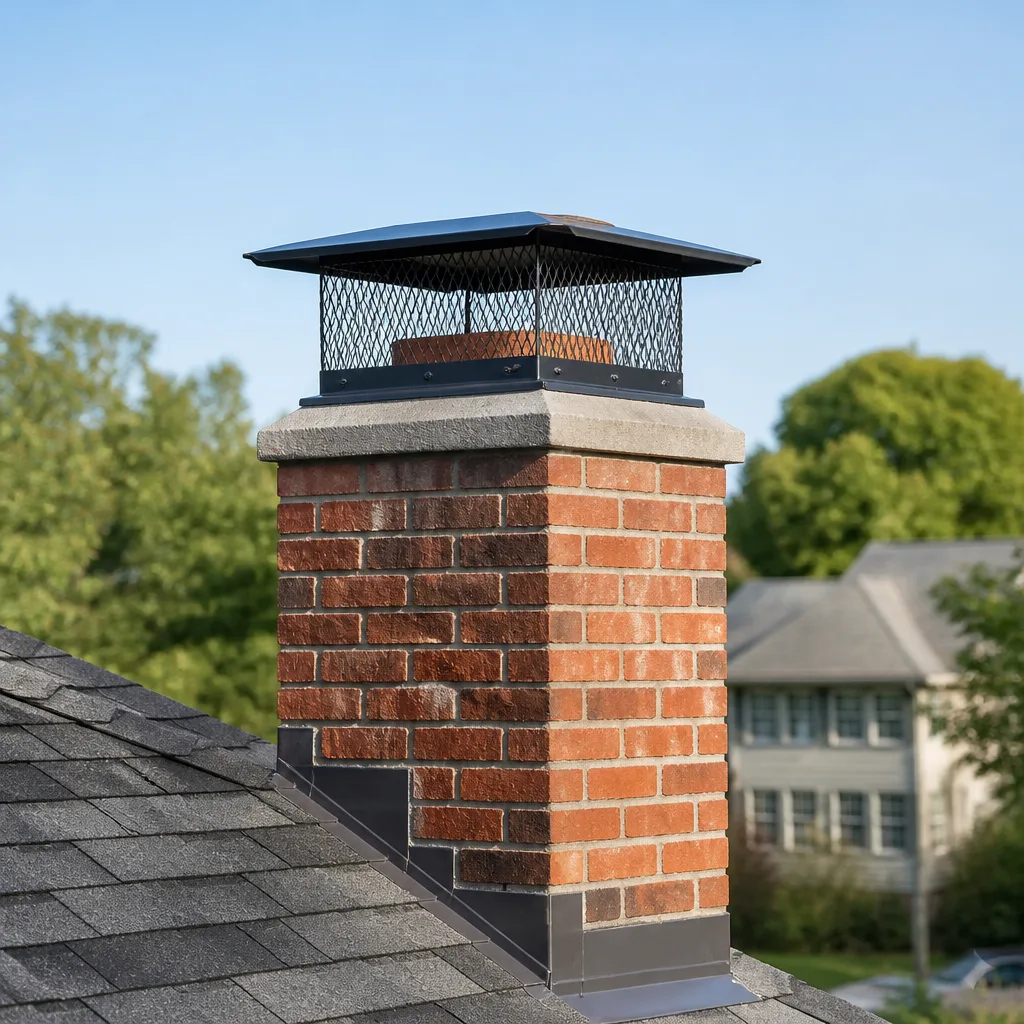 Caps & crowns
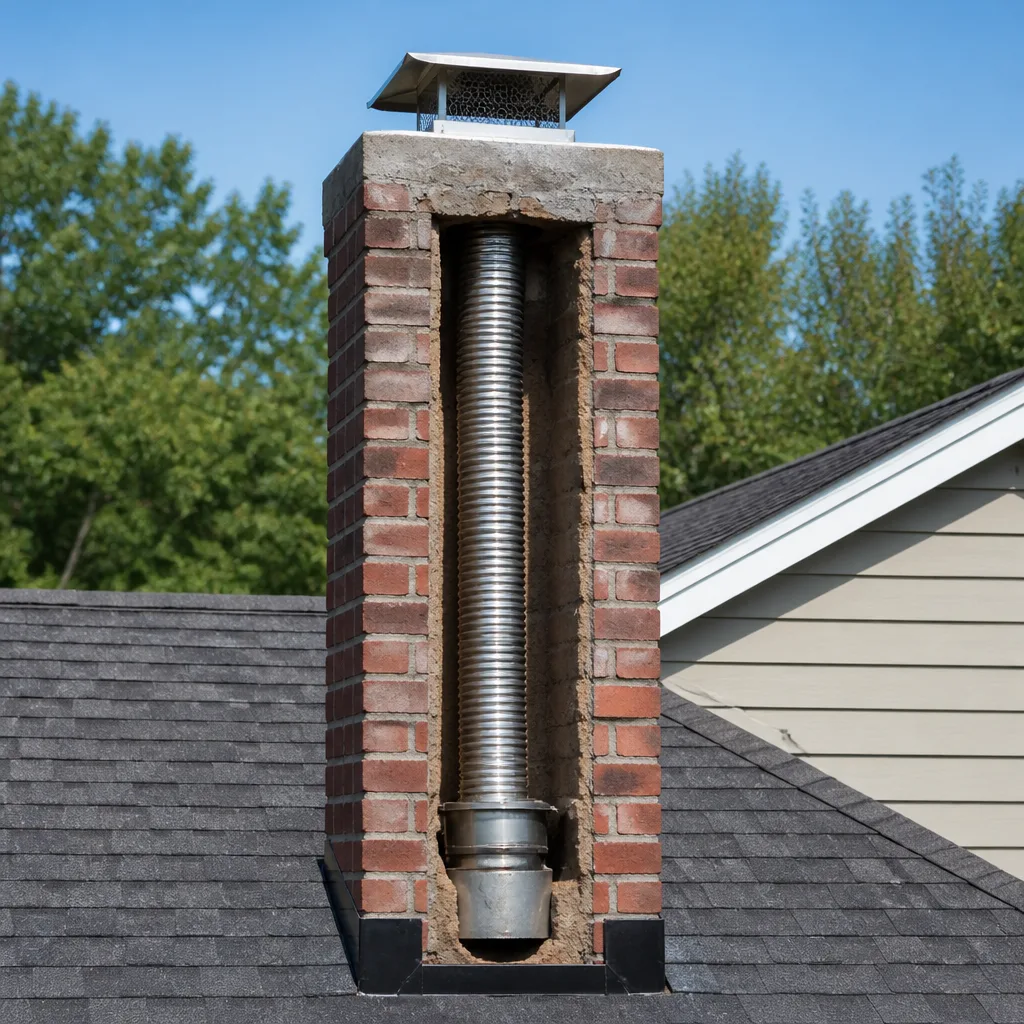 Flue relining
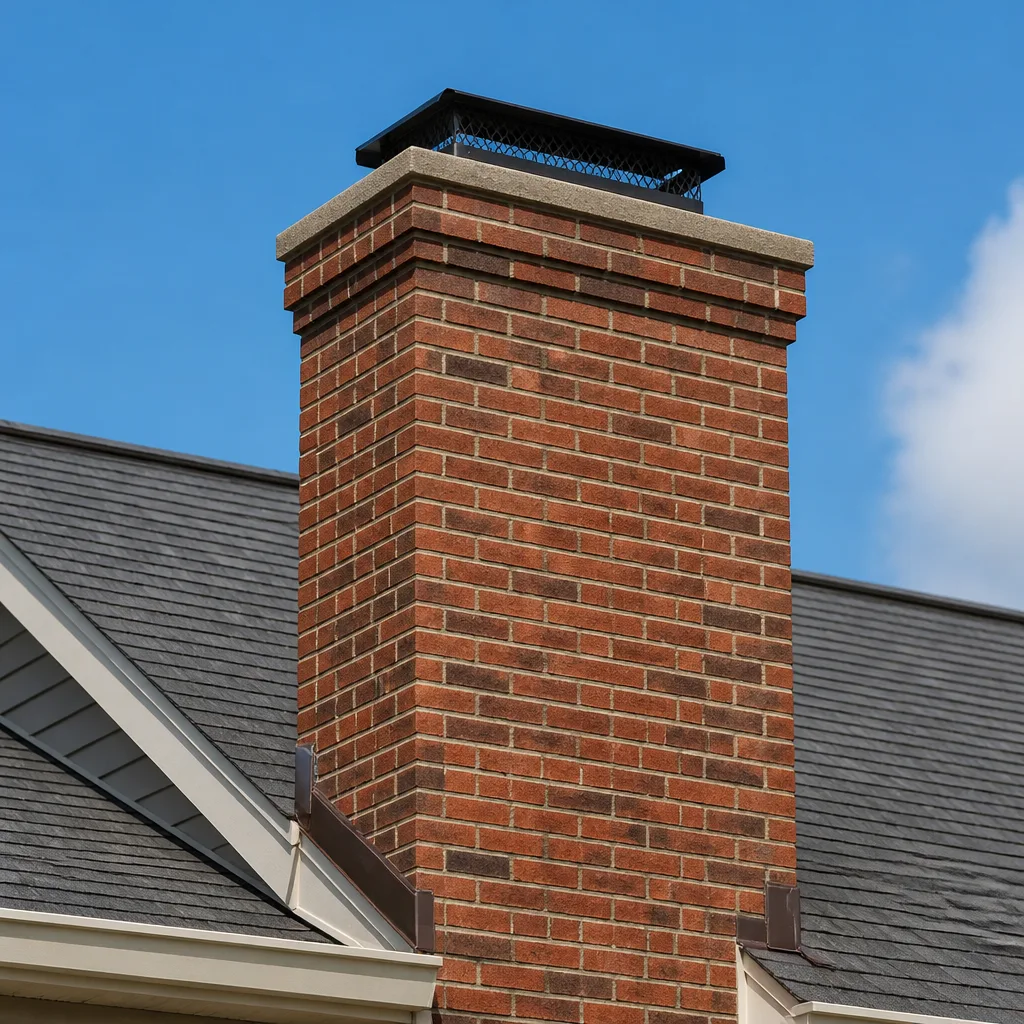 Masonry repair
 Gas fireplace service
Level 1 sweep and inspection to the NFPA 211 annual standard - flue, crown, cap, and flashing checked and photographed
Chimney sweep logs do not sweep chimneys. They loosen some creosote - which then falls where a brush and vacuum still have to collect it.
DIY vs Professional Chimney Cleaning: The Sparks Homeowner’s Decision Guide
You can buy the same poly brushes and fiberglass rods a professional uses for around $60 online. That’s real, and it’s not a scam. What you can’t buy at that price is the ability to recognize Stage 2 glazed creosote before you light the next fire, or the tools to see past an offset in the flue. That gap is where DIY chimney work quietly becomes dangerous. This guide isn’t here to talk you out of a brush. It’s here to help you decide, honestly, whether your chimney and your situation make DIY the right call. We’ll walk through what brushing actually accomplishes, how to read your creosote stage, the equipment gap, and the liability that follows a self-performed cleaning. Chimney Sweep Sparks works on Sparks chimneys every heating season, and we’d rather you make the safe choice than the convenient one.
Styles & brands we work with
- Sweep & inspection
- Caps & crowns
- Flue relining
- Masonry repair
- Gas fireplace service
Quick Answer
DIY chimney brushing is only appropriate for a chimney with Stage 1 creosote, a straight and accessible flue, and a documented inspection within the last year. Anything involving Stage 2 or Stage 3 creosote, offsets, damaged flue tiles, or an unknown inspection history requires a professional sweep and inspection. A brush removes soot and light deposits; it does not identify damage or convert glazed creosote, and both of those are what actually prevent a chimney fire.
Table of Contents
- What DIY Chimney Brushing Can and Cannot Accomplish
- How to Identify Your Creosote Stage Before You Decide
- The Equipment Gap: What a Professional Sweep Brings
- Nevada Homeowner Liability After a Self-Performed Cleaning
- The Decision Matrix: Type × Creosote Stage × Inspection Date
- Why Sparks Chimneys Behave Differently
- How a Professional Sweep Actually Runs
- Common Mistakes to Avoid
- When to Call a Professional
What DIY Chimney Brushing Can and Cannot Accomplish
Let’s be specific, because “DIY chimney cleaning” gets thrown around as if it’s one thing. It’s not. What you can realistically do with consumer equipment is remove the loose, powdery soot and light creosote that builds up on the flue walls after a season of burning. That is a real benefit. Soot is acidic, it degrades mortar joints over time, and a brush does remove it from the surfaces it can reach.
What a brush cannot do is the part most homeowners underestimate:
- Convert glazed creosote. Once creosote has hardened into a shiny, tar-like shell (Stage 2 or 3), a poly brush slides off it. Professional rotary systems with the right heads abrade it or a chemical treatment softens it first. Neither happens with an Amazon kit.
- See past the first bend. If your flue has an offset from a prior repair, or the smoke chamber above the damper is heavily corbelled, you physically cannot reach the far side with consumer rods.
- Identify hidden damage. Cracked flue tiles, failed mortar joints, a deteriorating damper, a rusted gas insert collar – these are the things that start fires. A brush doesn’t tell you they exist. Only a camera and a trained eye do.
- Verify draft. A clean flue isn’t automatically a safe flue. Draft, smoke chamber geometry, and the cap all affect whether products vent properly.
In our experience, the honest framing is this: DIY brushing is a maintenance habit. It’s not an inspection. The two get confused constantly, and the confusion is what leads to a chimney fire after what a homeowner thought was a “freshly cleaned” system.
How to Identify Your Creosote Stage Before You Decide
This is the single most important section in the guide, because your creosote stage is the number one variable that determines whether DIY is appropriate. Creosote forms in three recognized stages, and each one has visual indicators you can check yourself with a flashlight and a mirror before deciding anything.
Stage 1: Soot and Flaky Creosote
Stage 1 looks like black soot, ash, or thin, flaky deposits that you can scrape with a fingernail or a putty knife. It brushes off easily and has a relatively small, dusty footprint when disturbed. This is the stage a homeowner can reasonably clean with a poly brush and rods, provided the flue is straight and accessibility is good. Most of the creosote produced in a well-burning, properly drafted fireplace across one season is Stage 1.
Stage 2: Hard, Glossy, Crusty Creosote
Stage 2 is where DIY stops being safe. It looks like a shiny, hardened, sometimes layered crust that clings to the flue walls. It doesn’t flake. It doesn’t powder. It won’t scrape off with a fingernail, and a poly brush will skate right over it. Stage 2 is a fire hazard because it burns at high temperature and can ignite inside the flue. Rotary systems, chemical creosote removers, or full flue relining are the professional-grade approaches at this stage.
Stage 3: Tar-Like, Puffy or Running Creosote
Stage 3 is the most advanced and the most dangerous. It looks like thick, bubbly tar or hardened glaze running down the flue, sometimes plugging portions of the flue entirely. It’s almost always the product of a long-standing drafting problem, wet wood, or a period of burning without cleaning. No brush design removes it. It’s a professional job, sometimes a full liner job, and it’s one of the strongest reasons to bring in trained eyes.
If you look up your flue and can’t tell which stage you’re seeing, that’s the answer to the DIY question: stop. Professional eyes are the deciding factor. We check creosote stage on every sweep we run, and it’s the first thing we document.
The Equipment Gap: What a Professional Sweep Brings
The Amazon brush isn’t fake equipment. It’s a legitimate tool for a specific job. The gap is that a professional sweep carries tools for every job. Here’s the honest comparison of what’s used on a Sparks chimney during a professional sweep and what’s available to consumers:
- Rotary cleaning systems. A professional rotary whip or chain head mounts to a drill or motor and physically abrades hard creosote. Consumer kits sell static poly brushes only. This is the single biggest gap.
- Camera inspection. A flue camera records and photographs the interior. This documents the condition before and after cleaning, and it’s what makes a written inspection report possible.
- Negative pressure vacuums. HEPA-grade vacuums fitted around the firebox pull soot and dust out of the room instead of releasing it into your living space. Consumer approaches usually result in a visible cloud.
- Proper PPE and containment. Respirators, drop cloths, and door seals. Chimneys are one of the dustiest maintenance surfaces in a house.
- Whipping heads for different shapes. Rectangular flues, oval liners, round stainless systems – each needs a different head geometry. A standard round poly brush only handles one.
Professional sweep kits run thousands of dollars, not $60, and they’re built for repeated commercial use. When we work with professional-grade materials like DuraFlex liners or HeatShield resurfacing, those aren’t available to a homeowner at all – they’re installed only by trained chimney contractors who source them directly. That’s the difference between cleaning your chimney and actually maintaining its safety envelope.
Nevada Homeowner Liability After a Self-Performed Cleaning
Here’s the part of the DIY conversation few guides cover directly. If a chimney fire damages your Sparks home after you’ve cleaned the chimney yourself, you own the risk in ways that go beyond repair costs.
Nevada homeowners insurance policies generally ask, and expect, that the homeowner has maintained the property. A chimney is a maintenance item. In the event of a claim, insurers commonly request records showing the chimney was regularly inspected and cleaned by a qualified professional. When a homeowner self-performs without any documented inspection, the record is silent – and in that silence, insurers are likely to investigate the loss more closely, sometimes categorizing chimney fire claims under “lack of maintenance” rather than a covered event.
The other consideration is liability if the fire spreads to a neighboring structure or a tenant’s property. Documentation that a licensed professional assessed the chimney within the past year is the evidence that supports a defensible position.
None of this is a scare tactic. It’s the actual math of how the claims side runs. We can work with your insurer and document what we find, but the record only starts with an inspection. If you’ve already self-cleaned and want a documented condition report for your files, that’s a free estimate conversation with Chimney Sweep Sparks – call (855) 360-7181.
The Decision Matrix: Type × Creosote Stage × Inspection Date
This is the section to screenshot. The rows below combine the three variables that actually matter for the DIY decision: chimney type, current creosote stage, and length of time since your last documented inspection. Read across and find your situation.
Chimney Type
- Masonry with clay tile flue, straight – most amenable to DIY maintenance if the creosote stage is right.
- Masonry with clay tile flue, offset or corbelled – DIY approach is limited; a rotary system is needed to reach the far side.
- Prefab metal chimney or factory-built fireplace – specific brush geometry and clearance requirements; DIY carries higher risk of damaging the liner.
- Stainless steel liner (installed) – durable but unforgiving; a wrong brush head can gouge the interior seam.
- Gas insert or gas-burning appliance – the flue itself rarely needs brushing, but the venting, the cap, and the termination need a trained eye; DIY isn’t the right tool at all.
Creosote Stage
- Stage 1 – brushing is meaningful. DIY viable if the other two columns line up.
- Stage 2 – professional required. Poly brush cannot touch it.
- Stage 3 – professional required. Likely a liner or relining conversation.
- Unknown – professional required, because guessing is the failure mode.
Time Since Last Documented Inspection
- Within the last 12 months – DIY maintenance is reasonable for Stage 1 chimneys.
- 12 – 24 months – professional inspection should be scheduled before any further burning, before deciding on DIY.
- More than 24 months, or never – professional inspection is mandatory. Condition is genuinely unknown.
Put differently: DIY is viable only when all three columns line up – straight or accessible flue, Stage 1 creosote, and a documented inspection within a year. If any one of the three is off, the safe answer is professional. In our experience, most homeowners who thought they were in the “clear” column find that at least one of the three is a question mark once they look with a real flashlight.
Why Sparks Chimneys Behave Differently
Sparks summers are hot and dry, and its winters pull in the cold air off the Sierra. That pattern produces a chimney environment that a homeowner in a more humid climate would not recognize. Three local factors matter for the DIY decision.
Long idle seasons. A Sparks chimney might not see a fire for seven or eight months a year. That idle period is exactly when small cracks in clay tile can widen and when creosote Stage 1 can dry into a Stage 2 crust. A chimney that felt clean at the end of the prior spring may not be safe by the next fall.
Rapid heating cycles. Fires that start intensely after a long idle period can drive existing creosote deposits to ignition temperatures fast. Rapid thermal cycling stresses mortar joints and clay tile.
Dry, dusty environment. Fine dust and ash accumulate in the firebox over the idle months, mixing with any creosote present to form a denser, harder mass than what’s found in wetter climates. Local wood often burns hot and fast because it’s drier than typical – a real plus for efficiency, and something to account for when reading your creosote stage accurately.
None of this makes DIY impossible in the Sparks neighborhoods. It makes it more important that the decision is based on a real inspection rather than a visual guess. When we run a chimney sweep in Sparks, we’re generally checking the condition at both ends of the idle season.
How a Professional Sweep Actually Runs
If you’ve never watched a professional sweep, the sequence is genuinely more thorough than most homeowners expect. Here’s the general flow of a professional job on a Sparks chimney:
- Containment and setup. Drop cloths on the floor, a HEPA vacuum staged at the firebox, and door seals installed so no dust escapes into the living space.
- Dry cleaning with rotary or poly brushes matched to the flue. Head geometry is chosen for the flue shape – round, oval, rectangular – and the creosote stage found during inspection.
- Camera inspection before and after. The flue is recorded to document condition pre-cleaning and to verify it’s actually clean.
- Firebox and smoke chamber cleaning. The smoke chamber is the space above the damper, and it’s where most creosote collects – and where most DIY approaches miss entirely.
- Cap and mesh check. Damaged or missing caps invite wildlife, water, and downdraft into the flue. This is often where we find the actual cause of smoking problems.
- Photo report and written findings. You get documentation of everything found, everything cleared, and anything that needs attention – even when the answer is “come back next year.”
That report is the piece DIY can’t replicate. It’s not just cleaner air; it’s a record. When the next buyer asks about the chimney, or an insurer sends a question, that document is what answers it.
Common Mistakes to Avoid
- Mistaking a brush pass for an inspection. Brushing only addresses the surface it touches. The failures happen where the brush doesn’t reach, and that’s exactly where a camera earns its keep.
- Assuming “last year it was fine” still applies. In Sparks, an entire heating season plus a long idle summer can change a chimney’s condition. The previous year’s status has expired.
- Using a brush that’s too aggressive for the liner. A hard-bristle brush on a stainles
See the difference
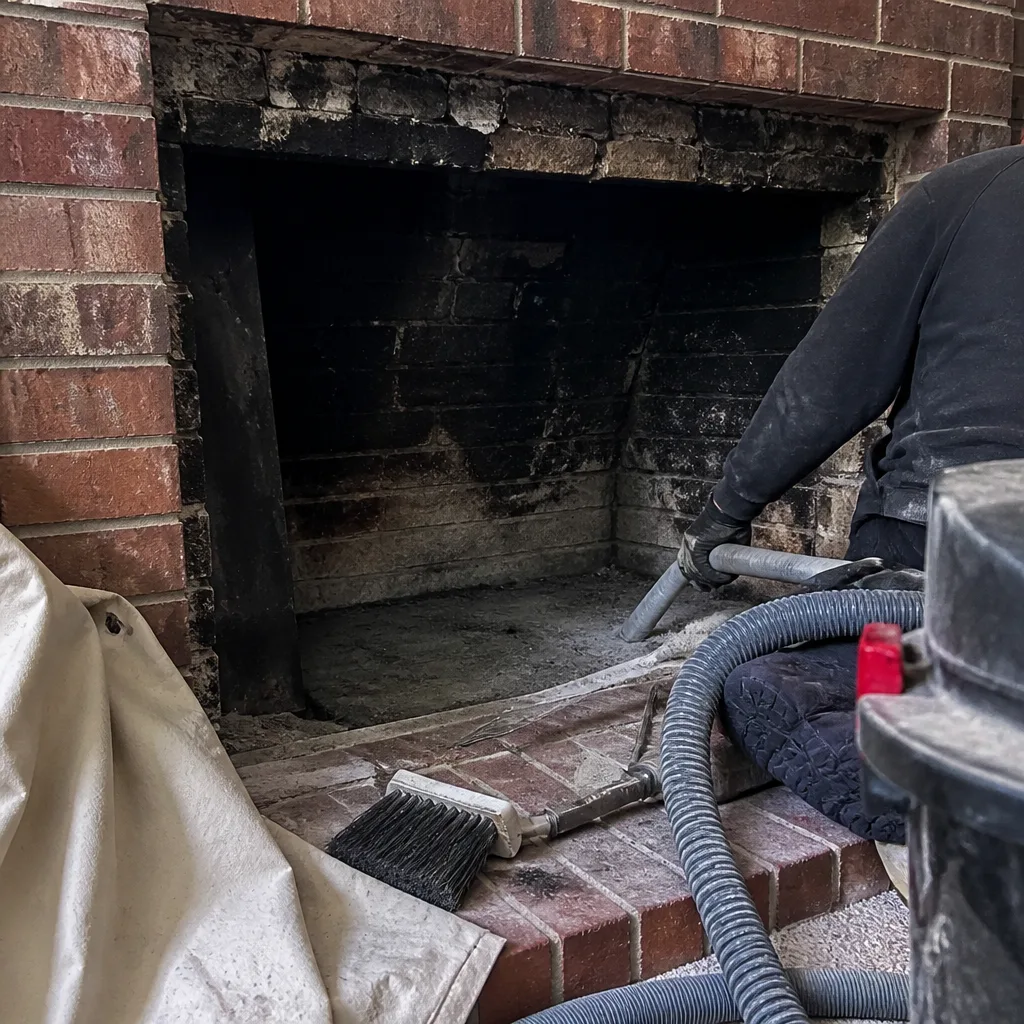 Before
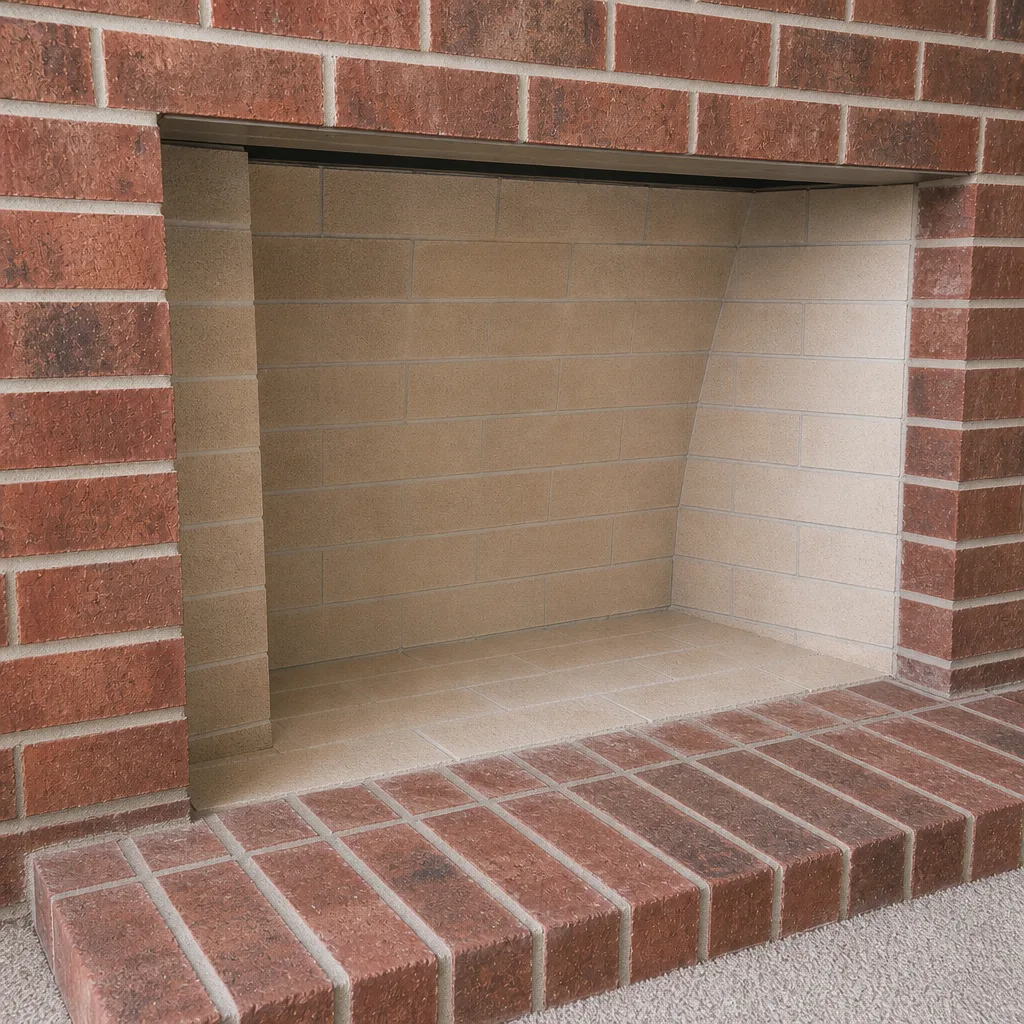 After
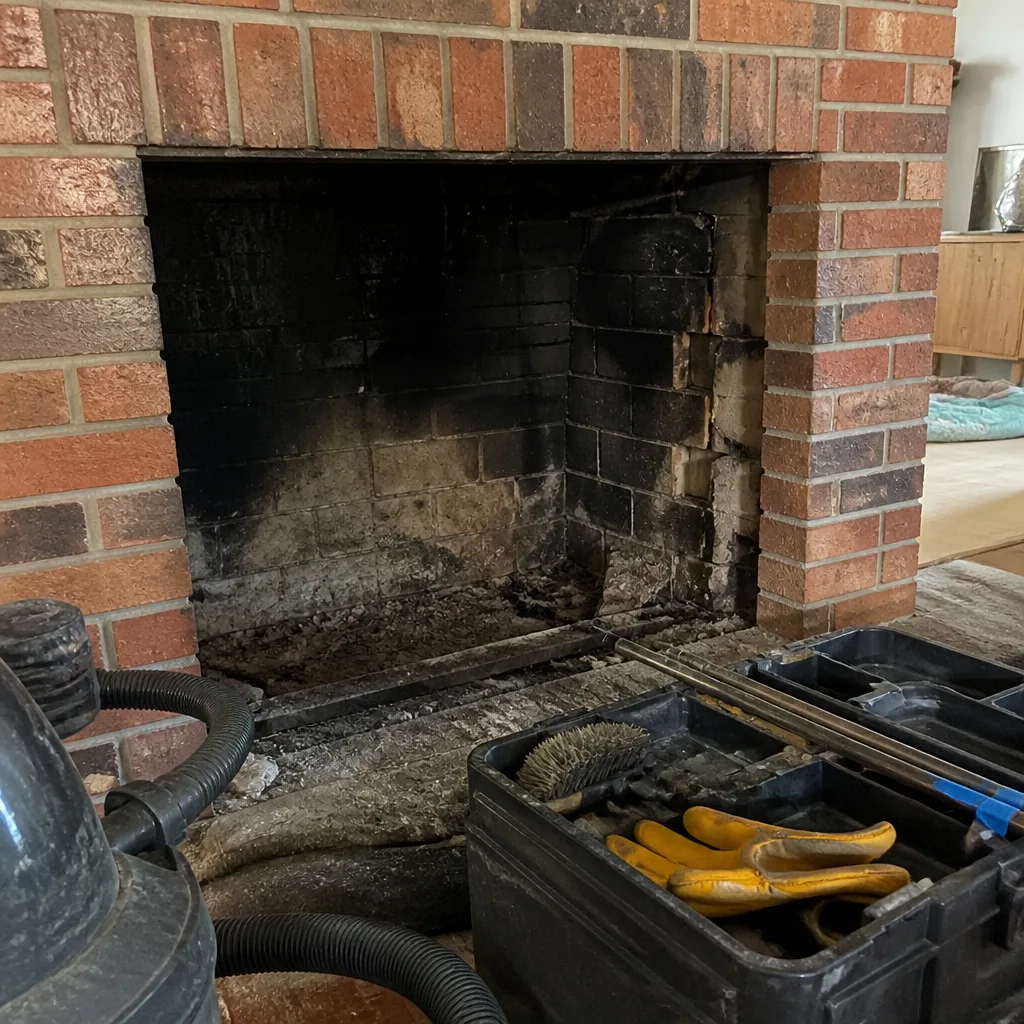 Before
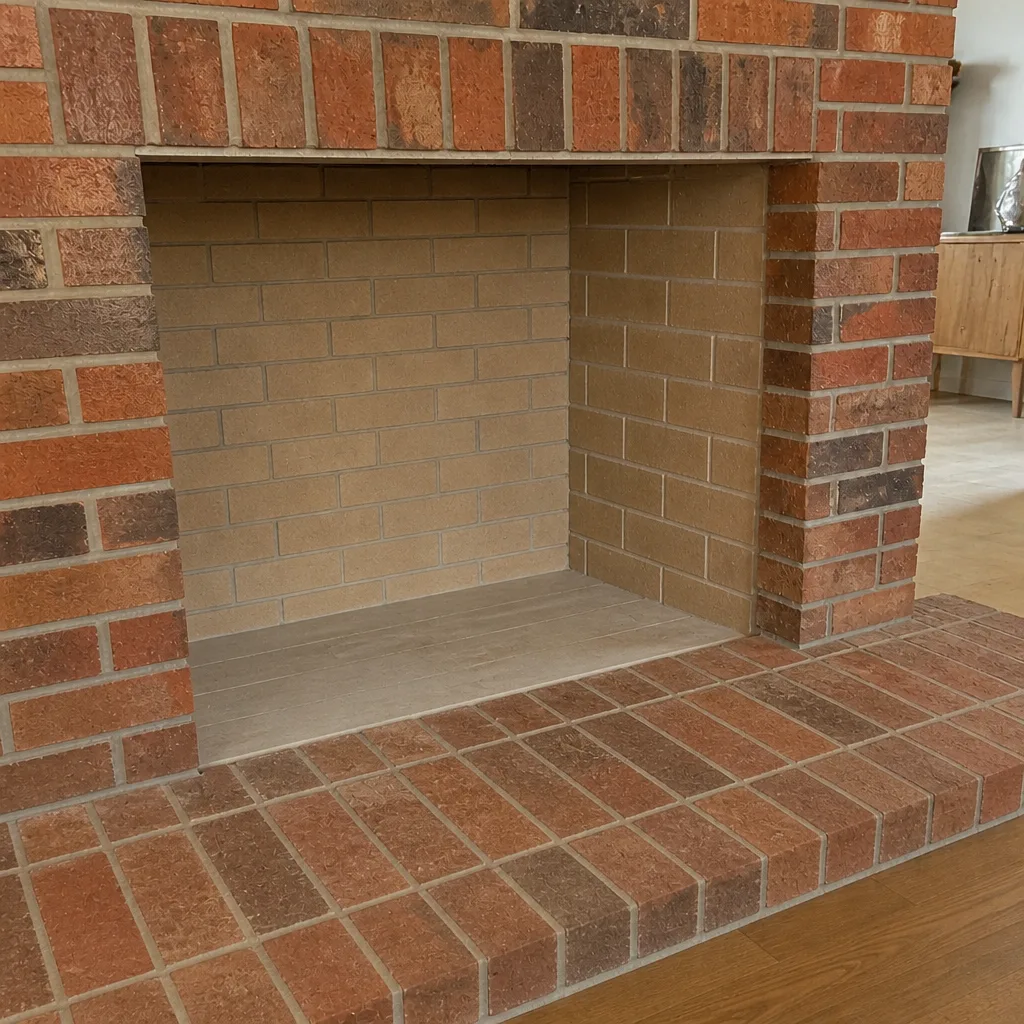 After
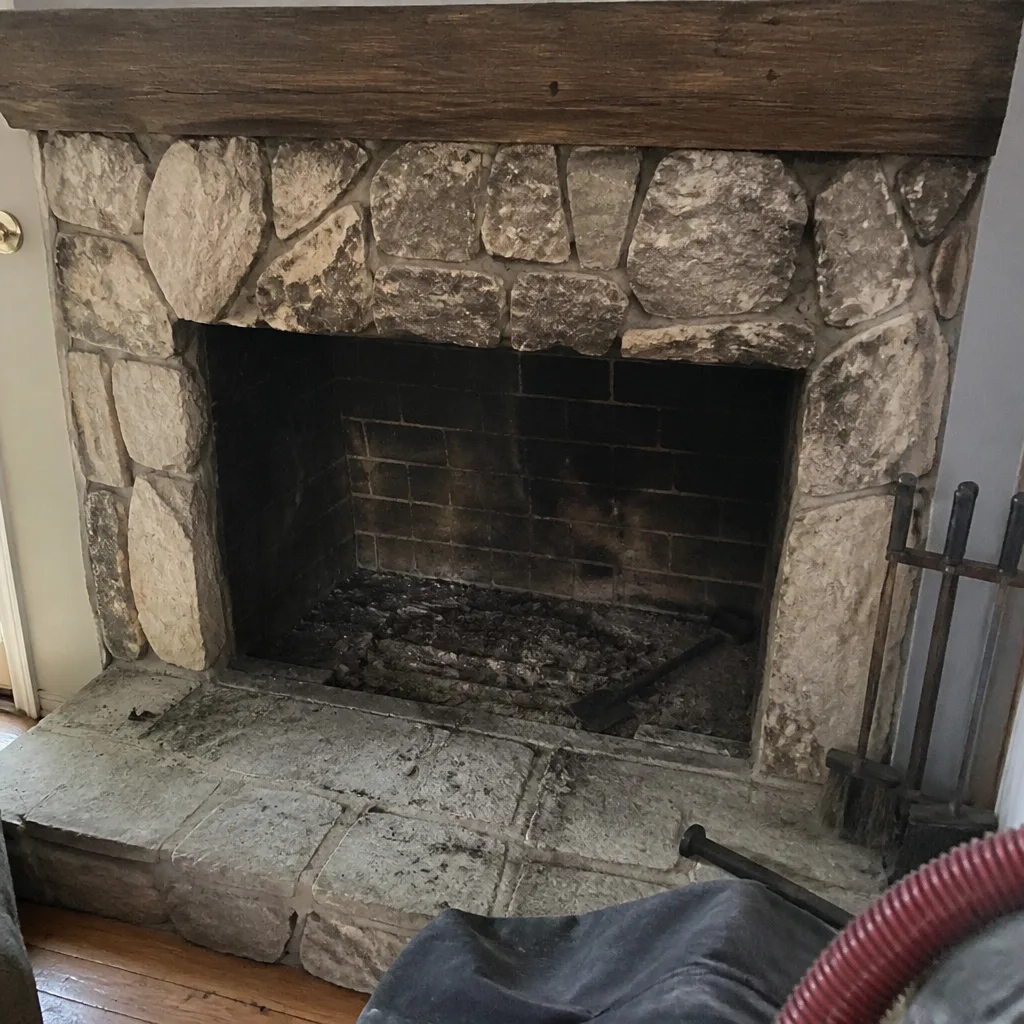 Before
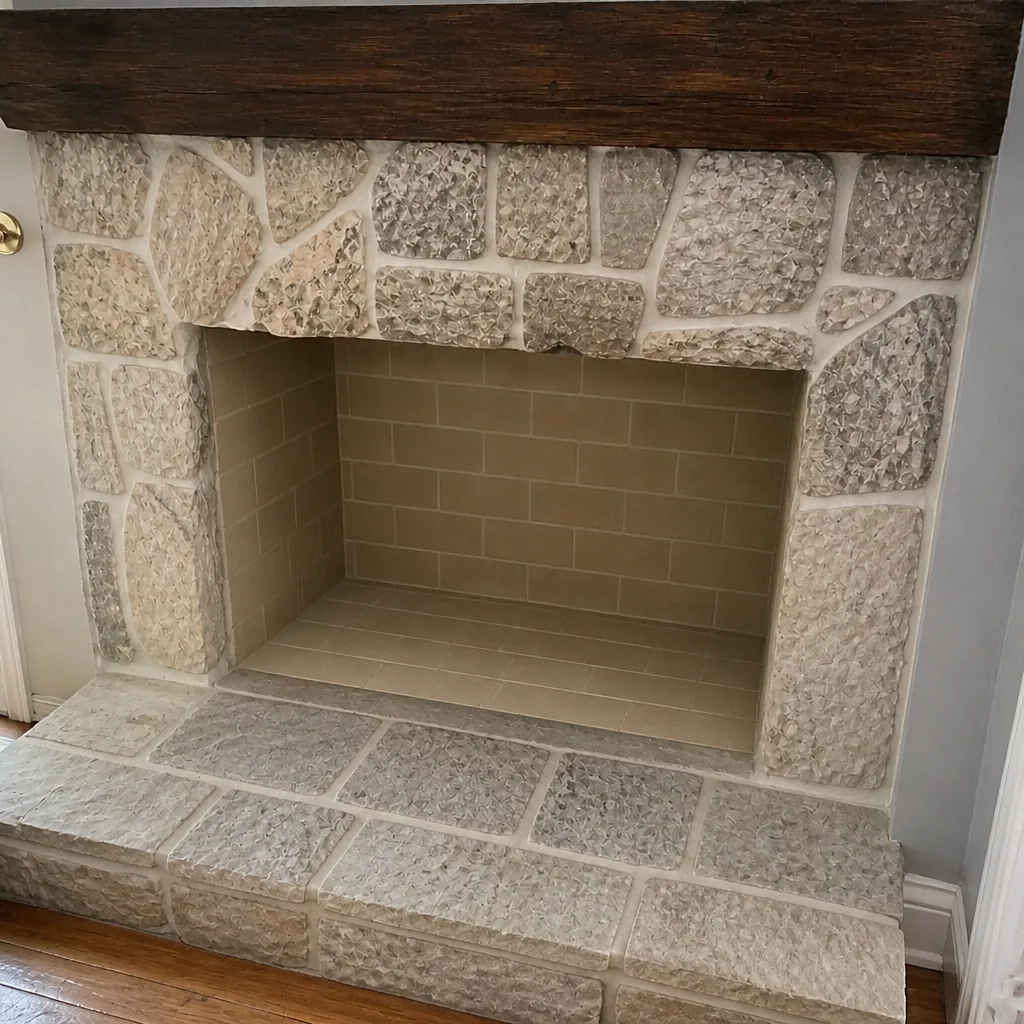 After