
Last updated November 15, 2026
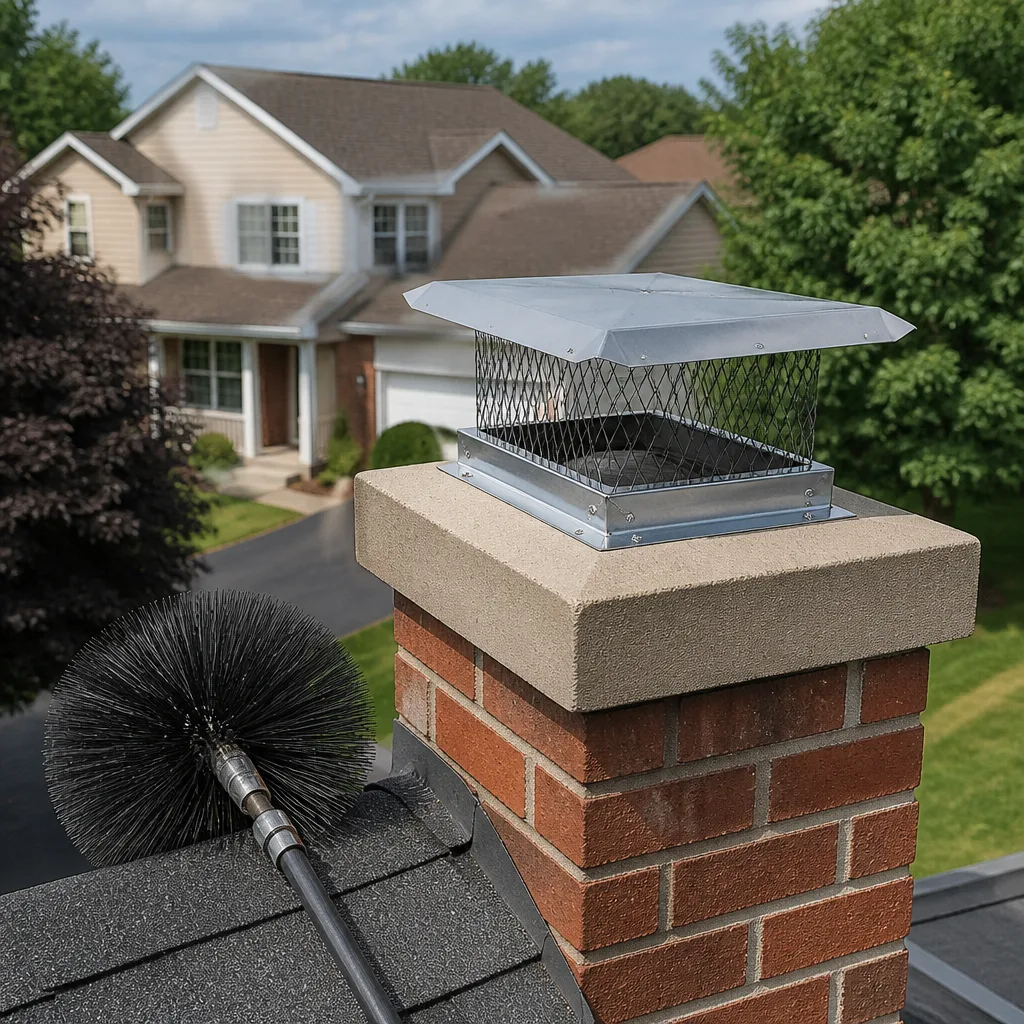 Sweep & inspection
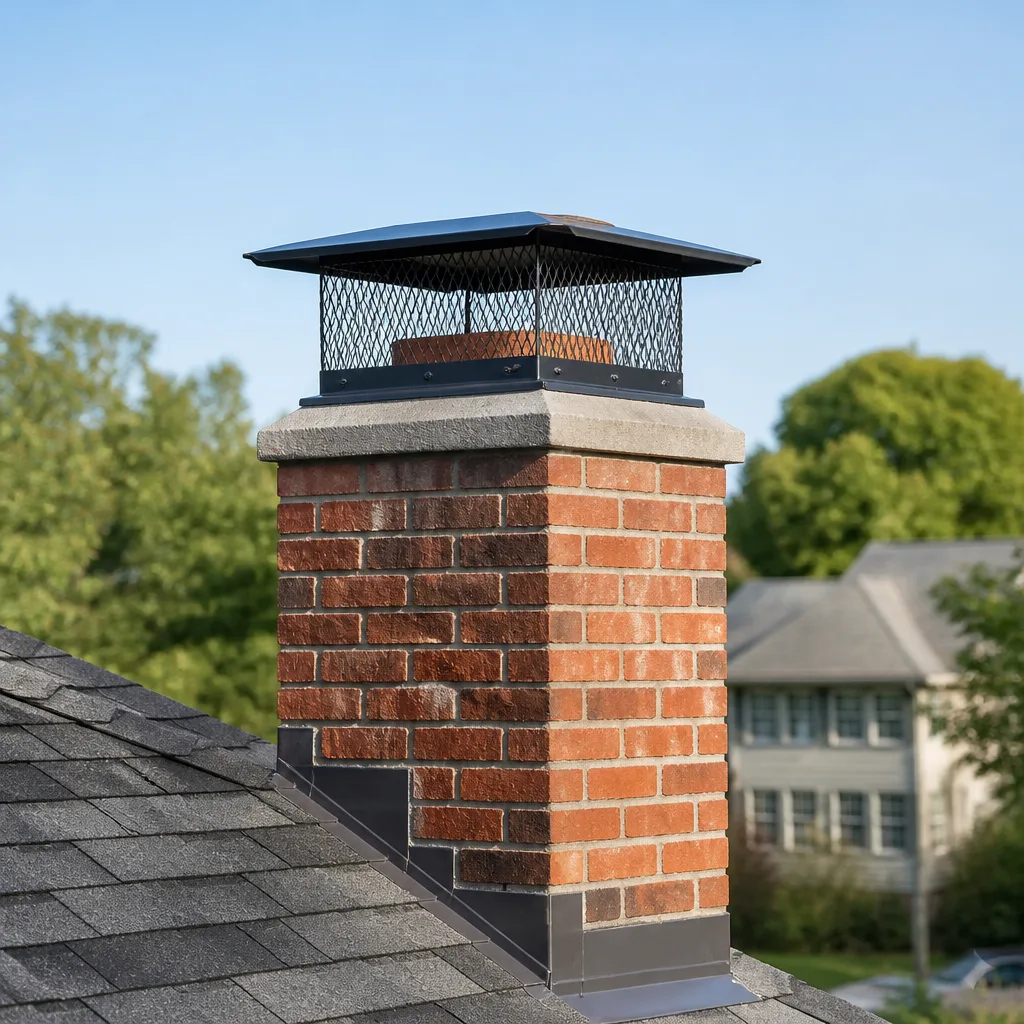 Caps & crowns
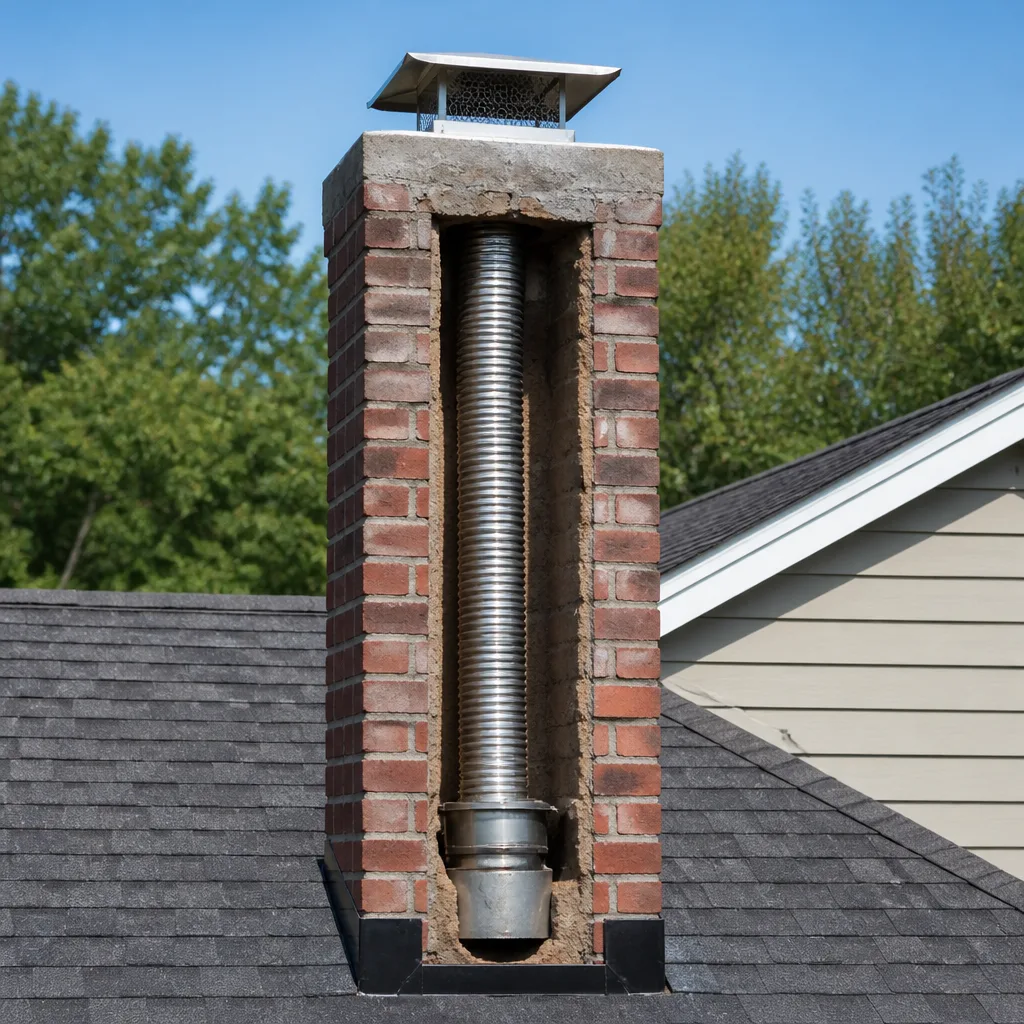 Flue relining
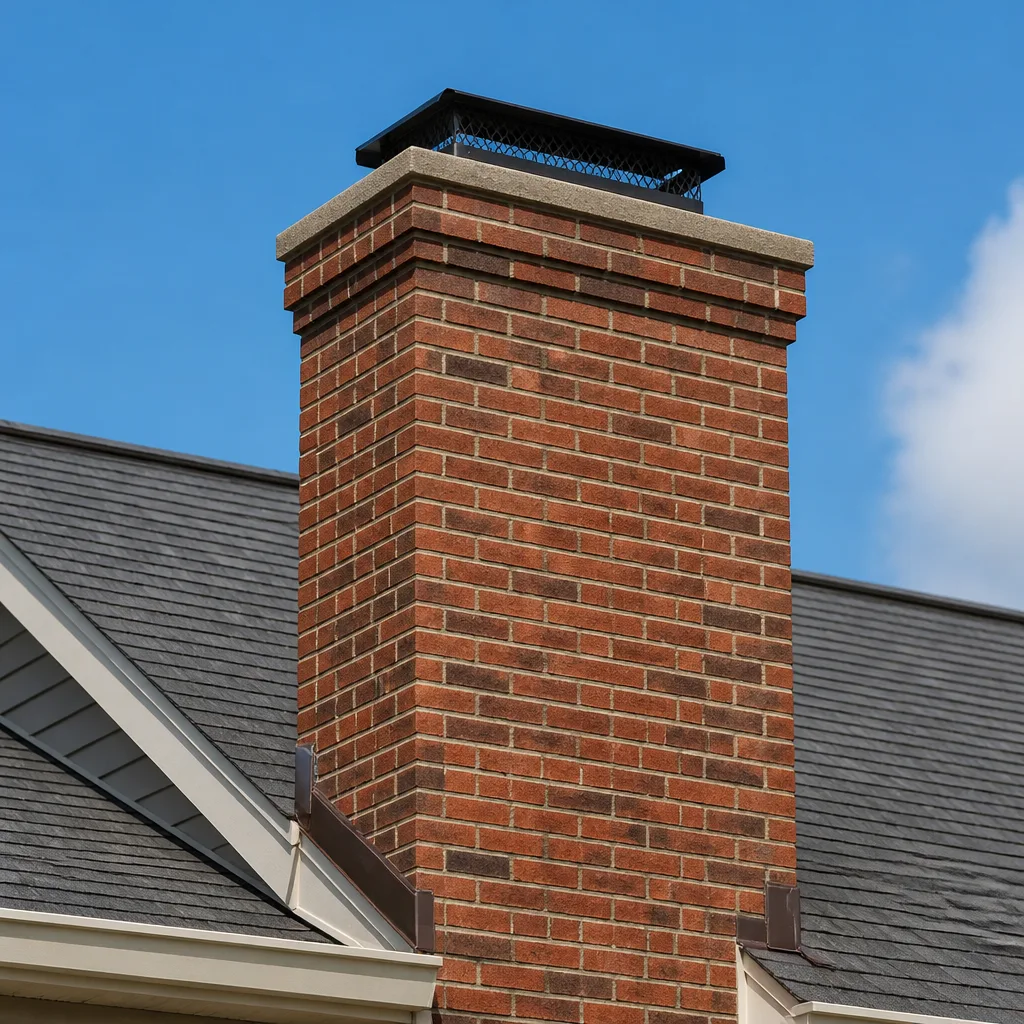 Masonry repair
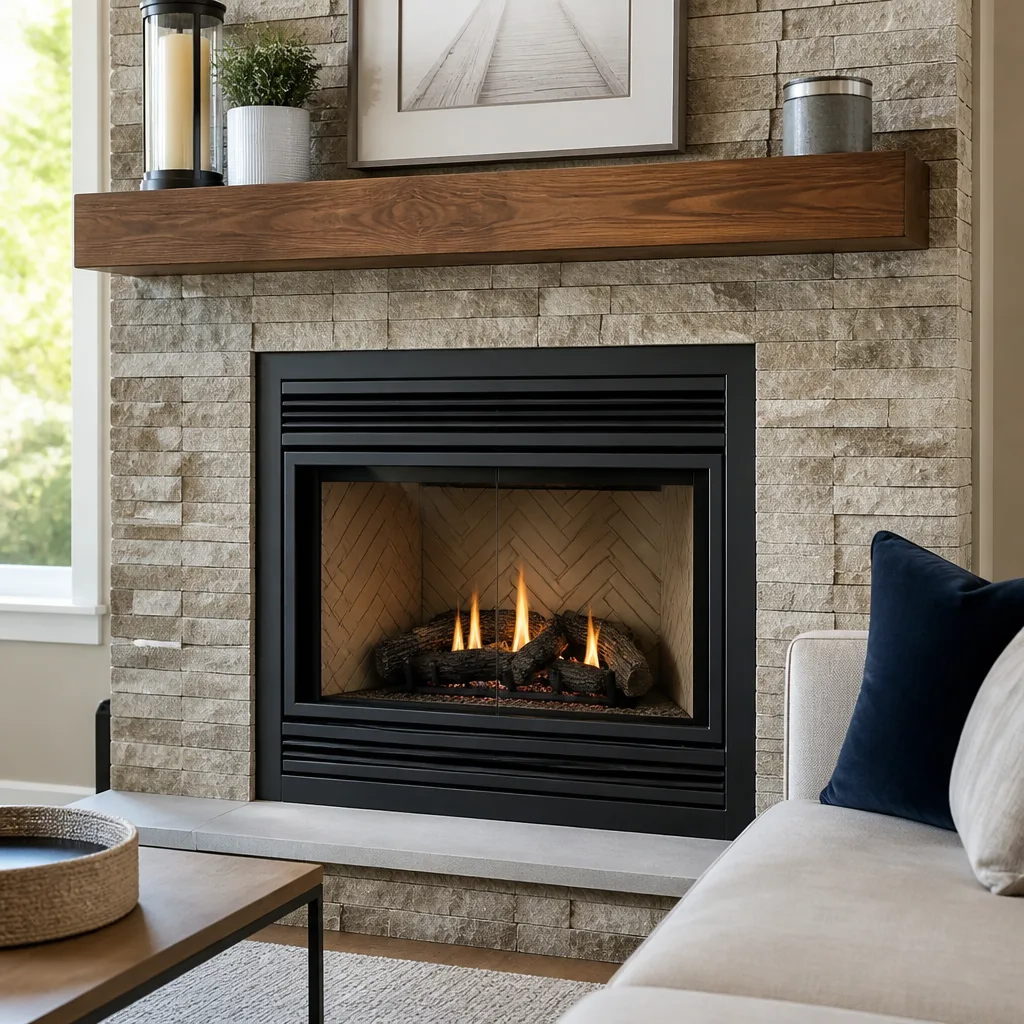 Gas fireplace service
Level 1 sweep and inspection to the NFPA 211 annual standard - flue, crown, cap, and flashing checked and photographed
Chimney sweep logs do not sweep chimneys. They loosen some creosote - which then falls where a brush and vacuum still have to collect it.
Chimney Cleaning Cost Breakdown: The Sparks Homeowner’s Reference for 2026
Two chimney sweeps can show up in the same Sparks neighborhood with quotes a hundred dollars apart, and the homeowner is left holding two invoices that both say “chimney cleaning.” No market is that inefficient by accident. The gap comes from what sits inside each label: one price covers a brush and a look, the other covers a full sweep, a camera scan of the flue, a written condition report, and equipment built for the kind of creosote that actually forms in this high-desert climate. This reference breaks down what a full-service cleaning costs in Sparks in 2026, what drives the variation, what deferred cleaning really costs, and how to compare estimates on scope instead of price. We work from the answers our technicians give homeowners in Sparks every heating season, and we’ve laid them out here in one place.
Quick Answer
A full-service chimney cleaning in Sparks in 2026 typically costs between $180 and $380 depending on flue configuration, chimney height, creosote stage, and whether a camera inspection is included. A basic brush-and-look sweep runs $99 to $175, but usually excludes a written condition report or a scan of the flue, which is where most problems get missed. The written estimate always sets the final price, and estimates are free.
Styles & brands we work with
- Sweep & inspection
- Caps & crowns
- Flue relining
- Masonry repair
- Gas fireplace service
Table of Contents
- What goes into the cost of a chimney cleaning in Sparks?
- What drives the price higher or lower in Sparks?
- What does deferred cleaning really cost?
- How do you compare two estimates fairly?
- Why be concerned about professional-grade materials?
- What happens during a full chimney sweep?
- How does the Sparks climate affect cleaning costs?
- Common mistakes to avoid
- Frequently asked questions
What goes into the cost of a chimney cleaning in Sparks?
The line items fit into five buckets: the sweep itself, the inspection level, equipment and consumables, reporting, and any add-on services your flue actually needs. We itemize these on every quote because they’re the only way a homeowner can see what they’re paying for. Here’s how the numbers break down for a typical Sparks job.
- Standard sweep (wood-burning masonry flue): $140 to $240. Covers brush, scraper, and extraction with drop cloths and a shop vac rated for soot.
- Gas insert or gas fireplace cleaning: $110 to $190. Less creosote, more soot and appliance inspection.
- Level 1 inspection (visual): $60 to $120. Roughly 15 to 20 minutes with a bright light and a checklist.
- Level 2 inspection (camera scan): $120 to $250. Needed whenever the appliance changes, the flue has had a fire, or a property changes hands.
- Written condition report: often bundled with Level 2, sometimes priced separately at $25 to $75.
- Creosote remediation (Stage 3): $300 to $800 depending on coverage.
- Crown or cap work if the sweep reveals damage: $250 to $700.
The number that varies most between companies isn’t the sweep. It’s whether anyone is measuring what’s inside the flue. A shop that brushes and leaves is cheaper because it never spends the time doing that measurement. If we can’t back a recommendation with a scan a homeowner can look at themselves, we don’t make it. That policy runs through everything we do at Chimney Sweep Sparks.
What drives the price higher or lower in Sparks?
The same job in two Sparks homes a street apart can differ by $150 based on four variables. Knowing them in advance helps you read an estimate honestly.
Chimney height
Chimneys in Sparks tend to sit taller than the roof line because our short, hot summers and cold winters demand it. Every extra foot of roof access adds ladder time and rigging. A chimney that clears the ridge by more than a couple of feet usually adds $40 to $90 to a sweep.
Flue configuration
A straight, round flue cleans quickly. An offset flue, a rectangular flue, or a flue with a smoke shelf that collects soot behind it takes more time and more scraping. Offsets are common in older Sparks housing stock, and they add $30 to $70 to a cleaning because the brush has to work around the bend. This is also the configuration where flexible liner familiarity matters most: DuraFlex installs, when they come up, exist because a flue has bends in it that a rigid liner won’t clear.
Creosote stage
Creosote grades by stage. Stage 1 is soot that brushes off. Stage 2 is flaky and needs scraping. Stage 3 is glazed and hard as rock, and standard brushes won’t touch it. Stage 3 remediation starts around $300 and climbs from there. In a Sparks home where the fireplace runs from October through March, Stage 2 is the most common finding; Stage 3 usually means the flue hasn’t been swept in three or more seasons.
Add-on services
Caps, dampers, crown patching, and any repair to the firebox all price separately from the cleaning. A standard cap runs $150 to $375, and a top-sealing damper runs $250 to $500. These aren’t necessities on every job, and a full-service chimney outfit should tell you plainly when they can wait.
What actually protects a homeowner is that all three pillars of chimney care (sweep, inspection, repair) live inside one company, so a small issue found during the cleaning gets priced and handled without a second contractor. You can see how we run that at chimney repair, where the same crew that sweeps is the one that fixes.
What does deferred cleaning really cost?
Skipping a sweep for a few seasons doesn’t save money. It moves the cost forward and multiplies it. Here’s what the numbers look like across the categories a deferred sweep usually cascades into:
- Liner replacement: $2,500 to $6,500 for a flexible liner (DuraFlex, Olympia Chimney class systems), or ceramic resurfacing through systems like HeatShield for $1,800 to $4,000 when the flue tiles are sound but the joints are failing.
- Firebox rebuild: $1,200 to $3,500 for mortar joint repair; more when the box is releveled.
- Smoke damage restoration: $1,500 to $8,000 for interior cleaning, sealing, and repainting, because smoke residue in drywall and upholstery is stubborn and specialty cleaning.
- Crown repair or rebuild: $400 to $1,800 depending on span and height.
- Chimney fire response: can top $10,000 once the structure has taken damage and trades are piling on.
None of these figures are hypotheticals. They’re what the job costs when a homeowner books it after the flue has been neglected. The reason we push a proper annual sweep is that a $200 cleaning catches most of these at their $50-to-$200 stage.
We can’t promise you’ll never have a chimney fire, but we can promise that a chimney swept on schedule has dramatically less creosote available to burn. That’s the real insurance.
How do you compare two estimates fairly?
Don’t compare bottom lines. Compare the size of the job each quote describes. A quote of $120 and a quote of $320 for the same chimney don’t mean one is overpriced; they usually mean one describes a brush and a look, and the other describes a sweep, a scan, and a report.
Read every estimate for these five things:
- Inspection level. A Level 1 inspection includes a visual check only. A Level 2 includes a camera run through the flue. If neither is named, ask which one you’re getting.
- Creosote stage. A good estimate names the stage found, because it justifies the cleaning method and any remediation charge.
- Written condition report. Ask whether you’ll receive a written record of what was found. If the answer is “no, we’ll tell you when we’re done,” that’s a sign the company is pricing on speed, not scope.
- Photo or video evidence. A quote for a repair should be supported by a picture of what needs fixing. This is the single best defense against being told you need a liner replacement you don’t actually need.
- Separate line items for add-ons. A lump sum that pads the cleaning with an item you didn’t ask for should raise an eyebrow. Repairs should always be quoted separately and approved by you first.
If a company won’t show you the flue, that’s not a market problem, it’s a scope problem. Call (855) 360-7181 and we’ll walk you through what a written quote from us includes before you ever book.
Why be concerned about professional-grade materials?
Material sourcing shows up in the price because it shows up in the job. A liner built from a professional-grade system and a liner pulled from a home-improvement stack aren’t the same product, and the price gap between them isn’t huge (typically 15% to 30% on the material line), but the margin of safety across 20+ seasons is enormous.
We source from a curated lineup that includes DuraFlex and Olympia Chimney for liner systems, HeatShield for ceramic flue resurfacing, and Gelco and Famco for component parts. A few facts worth keeping in mind when you evaluate a quote:
- Professional-grade flexible liner systems run higher wholesale than generic liner stock, and the installed price reflects that.
- Ceramic resurfacing through systems like HeatShield is a specialized capability that most general sweep companies can’t perform; when it’s an option, it saves a full liner replacement in older flues whose tiles are intact.
- Component brands matter on things like caps, dampers, and top-plates, because cheap components leak and leaking dampers rot flue tile.
- The right brand is what fits the flue. A crew that only stocks one brand will sell you that brand whether it’s the right one or not.
Professional-grade materials aren’t marketing; they’re the difference between a repair that holds and a repair you’ll do again in five years.
What happens during a full chimney sweep?
A proper sweep follows a fixed sequence. If yours doesn’t, you’re paying for something short of a full service. Here’s what a typical job looks like in Sparks from start to finish:
- Setup. Drop cloths on the hearth and floor, a sealed vacuum connection at the firebox, and a ladder or roof access check before anyone touches the flue.
- Level 1 visual inspection. The firebox, damper, smoke chamber, and accessible flue are checked by eye with a bright light.
- Camera scan (Level 2). A rotary camera runs the full length of the flue. We show you the footage on the spot so you see what we see.
- Sweep. A poly brush sized to the flue is worked from the top down or bottom up depending on the configuration, followed by a scraper for Stage 2 creosote.
- Vacuum extraction. Soot is pulled into a HEPA-rated vacuum, and the firebox and smoke shelf get a final wipe-down.
- Written condition report. Findings are documented, photographs are attached, and any recommended repair is quoted separately for you to approve.
- Walkthrough. We show you the flue, answer questions, and tell you plainly which repairs can wait and which ones shouldn’t.
Nothing gets recommended on the strength of “trust us.” Every recommendation is anchored to footage or photos you’ve seen yourself. If a homeowner asks whether the work can wait until next season, we tell them honestly, and sometimes the answer is yes. A sweep you can trust starts with a report you can read. Book one through chimney sweep if you want the full-service version.
How does the Sparks climate affect cleaning costs?
Sparks sits in the high desert of the Truckee Meadows, roughly 4,500 feet up, with cold winters and dry air. That combination drives the chimney’s workload in ways homeowners from milder climates don’t experience.
Heating season runs long enough that a fireplace in regular use burns through more wood than the calendar suggests. Wood burned, creosote deposited. Drier air also means flue tile and mortar joints expand and contract hard over the year, and hairline cracks develop in older chimneys that a camera scan picks up long before a visual check would. Wind coming off the Sierra can push downdrafts through the chimney, and downdrafts deposit soot at the smoke chamber and the top of the flue where a visual inspection from the firebox can’t reach.
The practical upshot is that a Sparks chimney benefits from an annual sweep more than a chimney in a milder climate, and the camera scan isn’t a luxury add-on here, it’s how you find the cracks that dry air creates. Our technicians have up to 10 years of experience working with these conditions across Sparks, and the pricing we publish reflects the job sizes we see here, not a national average figure pulled from a trade magazine.
Common Mistakes to Avoid
- Booking on price alone. A $99 sweep and a $299 sweep with a camera scan don’t describe the same service. Comparing them without comparing scope is how homeowners overpay in the long run.
- Skipping the camera scan. A visual inspection from the firebox can’t see the full flue. Damage at the top of the flue and behind an offset is invisible without a camera. If a company skips the scan, ask why.
- Burning unseasoned wood. Wet wood produces far more creosote per cord than seasoned wood does, and creosote stage is the single biggest driver of a cleaning’s cost. If your wood hisses when it burns, it’s too wet.
- Ignoring a small crack because it burns fine. A hairline flue crack can carry carbon monoxide into the house silently. It’s the reason Level 2 inspections exist, and it’s a five-minute check inside the sweep price.
- Letting a handyman “fix” the flue. Flue repair is specialty work. A generalist can add a cap or patch a crown, but liner systems and ceramic resurfacing should be installed by someone who knows which brand fits which flue.
- Approving a big repair without seeing the footage. It’s your chimney, and you’re entitled to see what a company says is wrong. Any technician who won’t show you the problem area is asking for trust they haven’t earned.
- Waiting for the first cold snap to book. Booking a sweep in summer or early fall lets you choose the team you want before the season fills up. A spark arrestor that fails in October on a Saturday is a problem worth avoiding.
See the difference
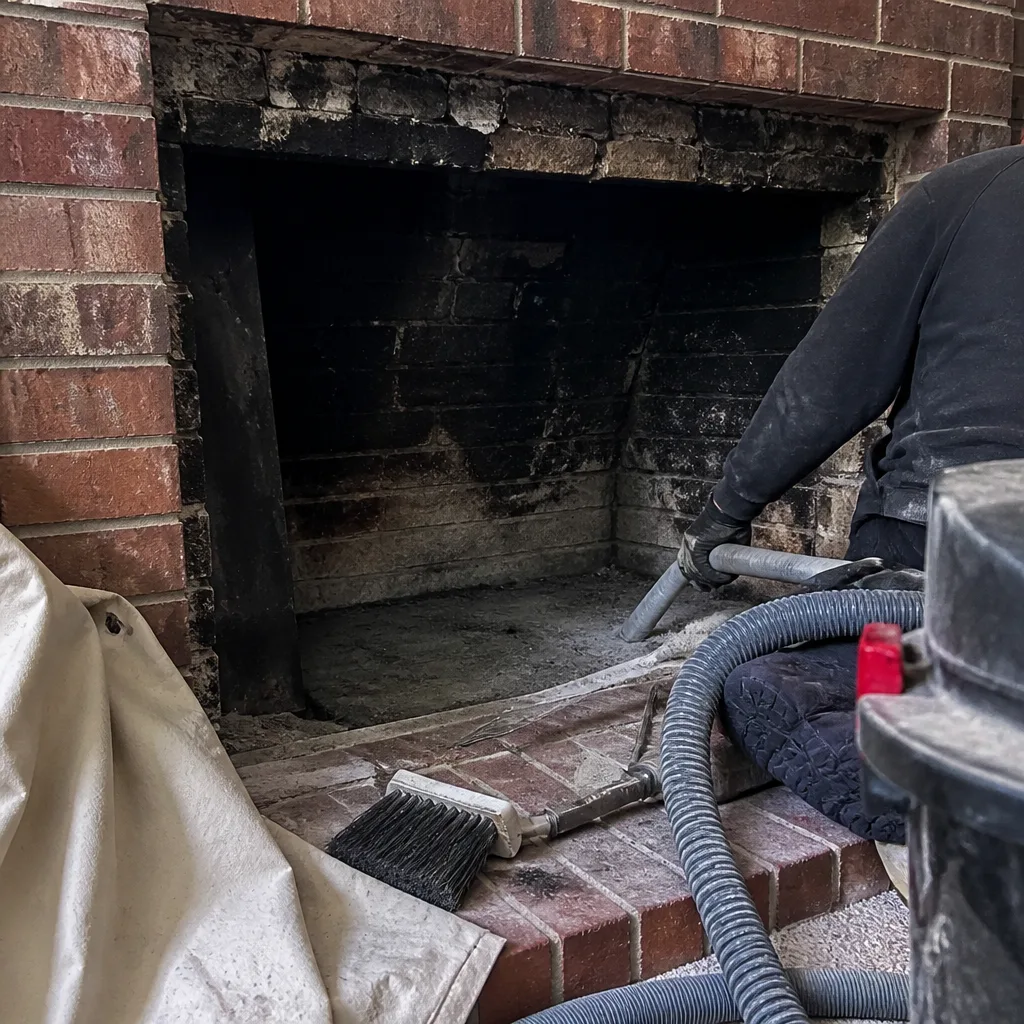 Before
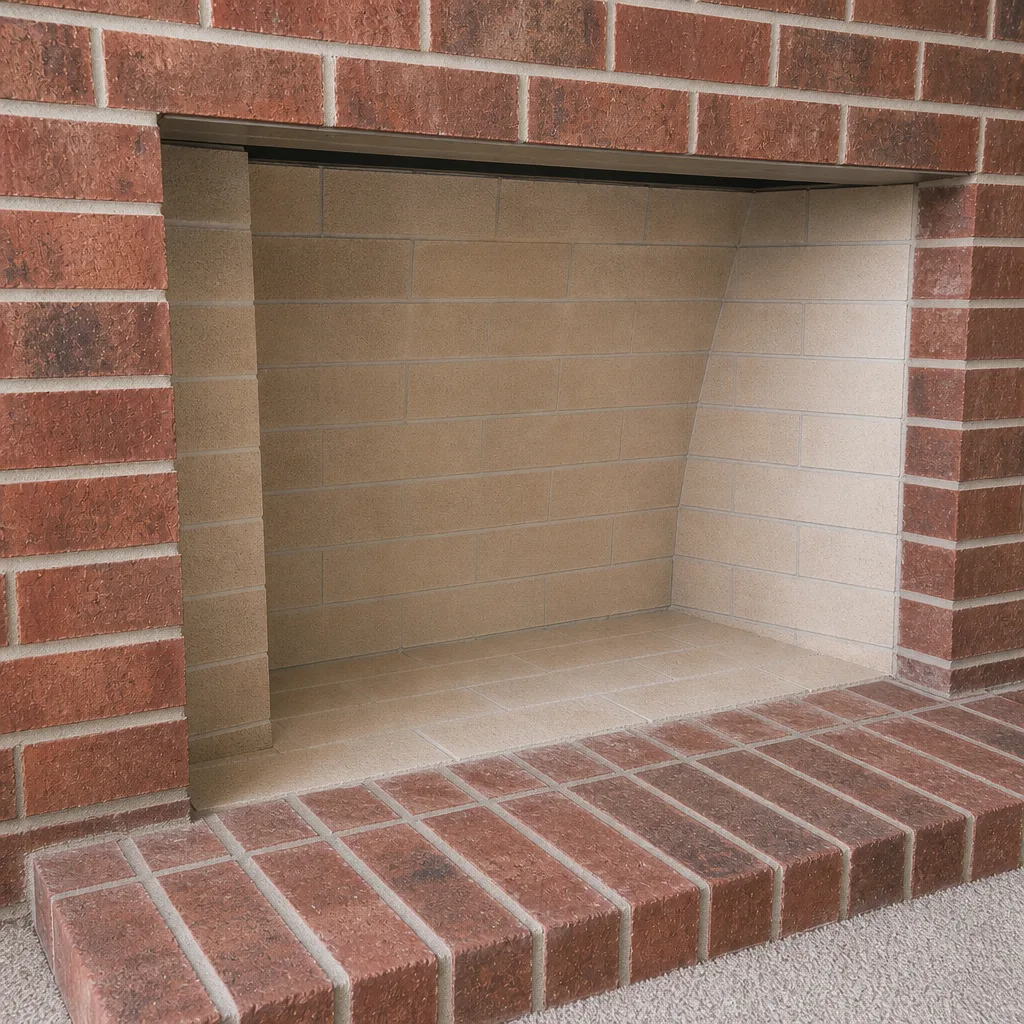 After
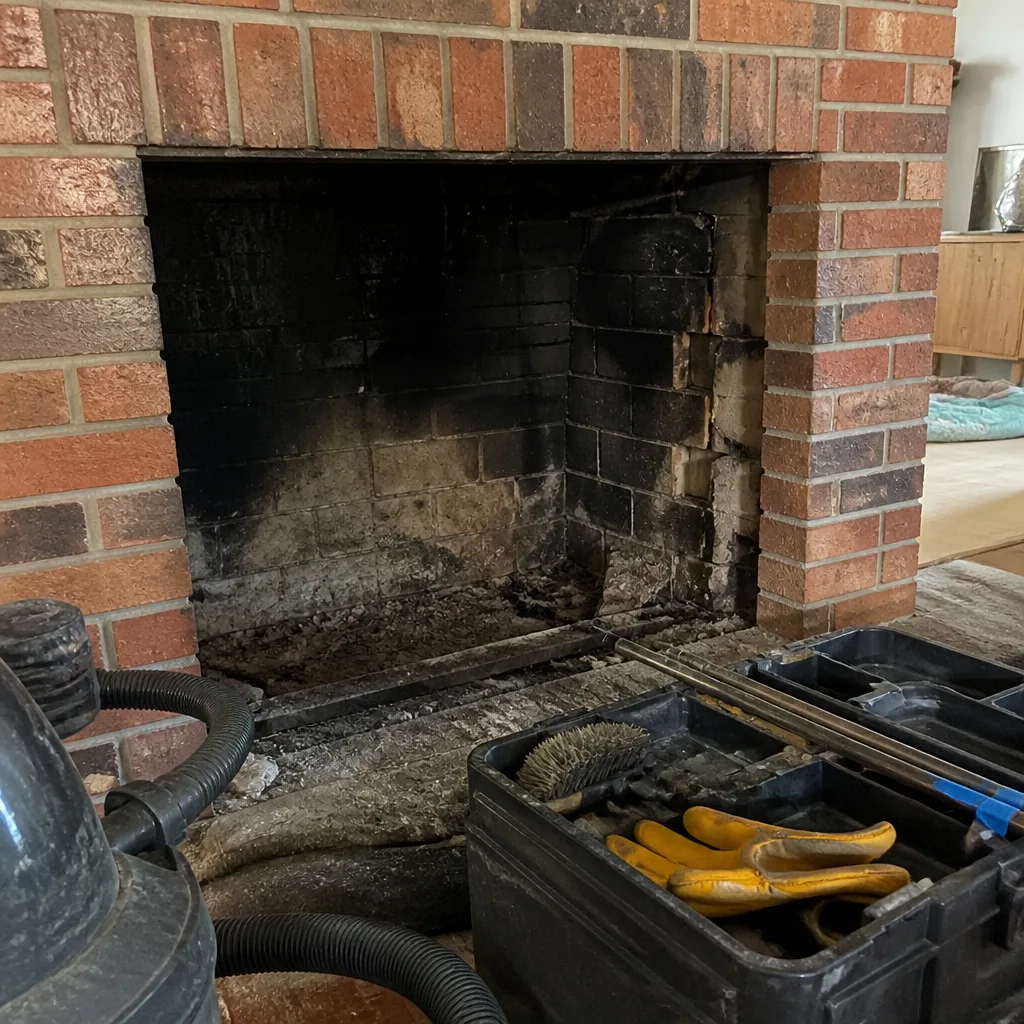 Before
 After
 Before
 After
When to Call a Professional
Most chimney problems announce themselves quietly. Creosote buildup doesn’t smell strongly until it’s thick. Hairline cracks in flue tiles don’t come with a sound. That’s exactly why an annual sweep plus a camera inspection catches problems early and why you shouldn’t wait for a symptom. Call a professional if any of these describe your situation: the fireplace hasn’t been swept in over a year of regular use, you’ve just bought a home with a fireplace, you notice a strong smoky smell in the room when the fireplace isn’t in use, the firebox or damper has visible gaps or crumbling mortar, you’ve had any sort of flue fire (even a small one), or you’re switching from wood to gas or vice versa. Those are all signals that a full-service evaluation is worth booking. But when it comes to the actual sweep and any potential liner or masonry work, that’s not a job to improvise. A proper sweep involves professional equipment, a camera inspection, and often access to the roof, and the dangers of chimney work include falls, hidden structural issues, and carbon monoxide exposure when something is done wrong. A trained professional with the right tools handles it safely and can show you the evidence afterward. Chimney Sweep Sparks offers free estimates in Sparks. Call (855) 360-7181. We answer 24/7. Fast dispatch from 7am to 7pm, Sunday through Friday.
Frequently Asked Questions
A full-service chimney sweep in Sparks typically runs $180 to $380, depending on flue configuration, chimney height, creosote stage, and whether a camera inspection and written report are included. A basic brush-and-look sweep runs $99 to $175, but generally excludes a scan of the flue and a written record of what was found. Call (855) 360-7181 for an exact quote. Estimates are free.
Only if a camera inspection shows the existing flue can’t safely vent the appliance. That’s a decision based on evidence, not a sales pitch. Our technicians run a camera through the flue and show you the footage. If the flue tile is intact, we recommend ceramic resurfacing through HeatShield or a DuraFlex liner only when one of those options is actually needed. If it needs to be done for structural or safety reasons, we’ll show you why. If not, we’ll tell you so. Call (855) 360-7181 to book an inspection.
Once a year for a wood-burning fireplace in regular use, and once a year for gas appliances as a safety check even though there’s little creosote. Sparks homes that burn wood from October through March fall on the more-frequent end of the range. If the chimney is a second home or a rarely used backup, an annual inspection still applies because cracks and pest intrusion happen without a fire ever being lit. Call (855) 360-7181 to schedule the next one.
Creosote accumulates stage by stage. Stage 1 brushes off in a routine sweep. Stage 2 needs scraping. Stage 3 is glazed and hard, requires specialized removal, and carries real fire risk. Dry flue tile also cracks with temperature swings, and carbon monoxide can leak through a crack into the home without any visible sign. The cost of remediation and repair climbs faster than the cost of yearly maintenance. Call (855) 360-7181 for a sweep and let us measure what’s actually in the flue.
A phone quote is a ballpark, and we tell homeowners that up front. A real estimate is set by the written quote after a technician has seen the flue, the creosote stage, and the roofing access. That’s also how the final price stays fair: nothing is priced before it’s seen. Call (855) 360-7181 to book a visit, and the written estimate you get will be the number you pay.
Yes, gas fireplaces and inserts get their own cleaning protocol, with soot and appliance checks rather than creosote scraping. Oil furnace flues need their own service scheduling, and we can inspect yours during a standard appointment. Both options are covered under a full sweep and inspection. Call (855) 360-7181 and tell us which appliance you have when you book.
The Bottom Line
The cost of a chimney cleaning in Sparks in 2026 spans $180 to $380 for a full-service job, and every dollar of that spread maps back to scope: whether a camera runs the flue, whether a written report exists, whether the creosote stage has been measured or assumed. A $99 sweep isn’t a scam; it’s a smaller job wearing the same name. The comparison that matters is between the size of the job each quote describes. Proof of what’s inside the flue, a written report you can read, and a recommendation you can verify are worth more than the lowest number on the page. When a repair does come up, professional-grade materials and specialized capabilities like ceramic resurfacing save you from doing the job twice. We sweep, repair, and inspect start to finish, so if you’re ready to see what a full-service visit actually includes, call (855) 360-7181. We answer 24/7. Fast dispatch from 7am to 7pm, Sunday through Friday.
Written by the team at Chimney Sweep Sparks.