
Last updated November 15, 2026
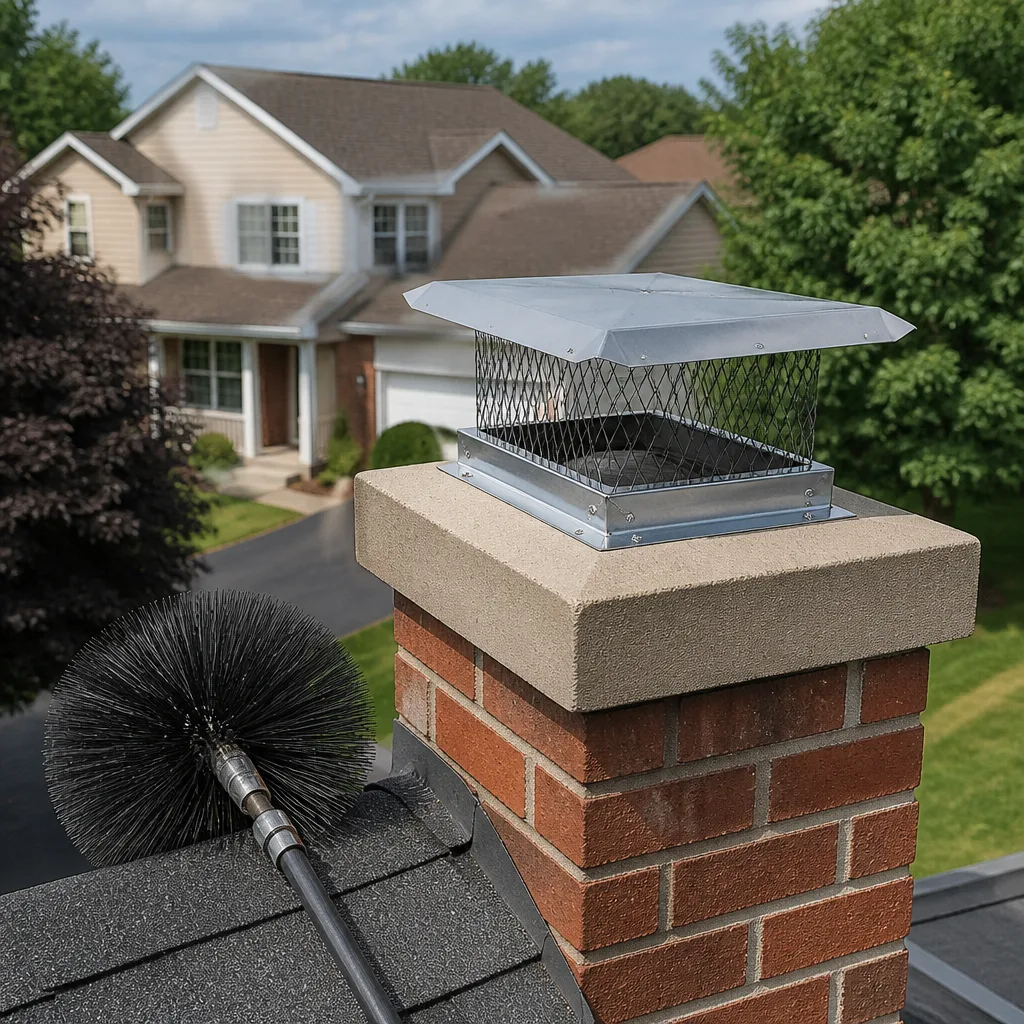 Sweep & inspection
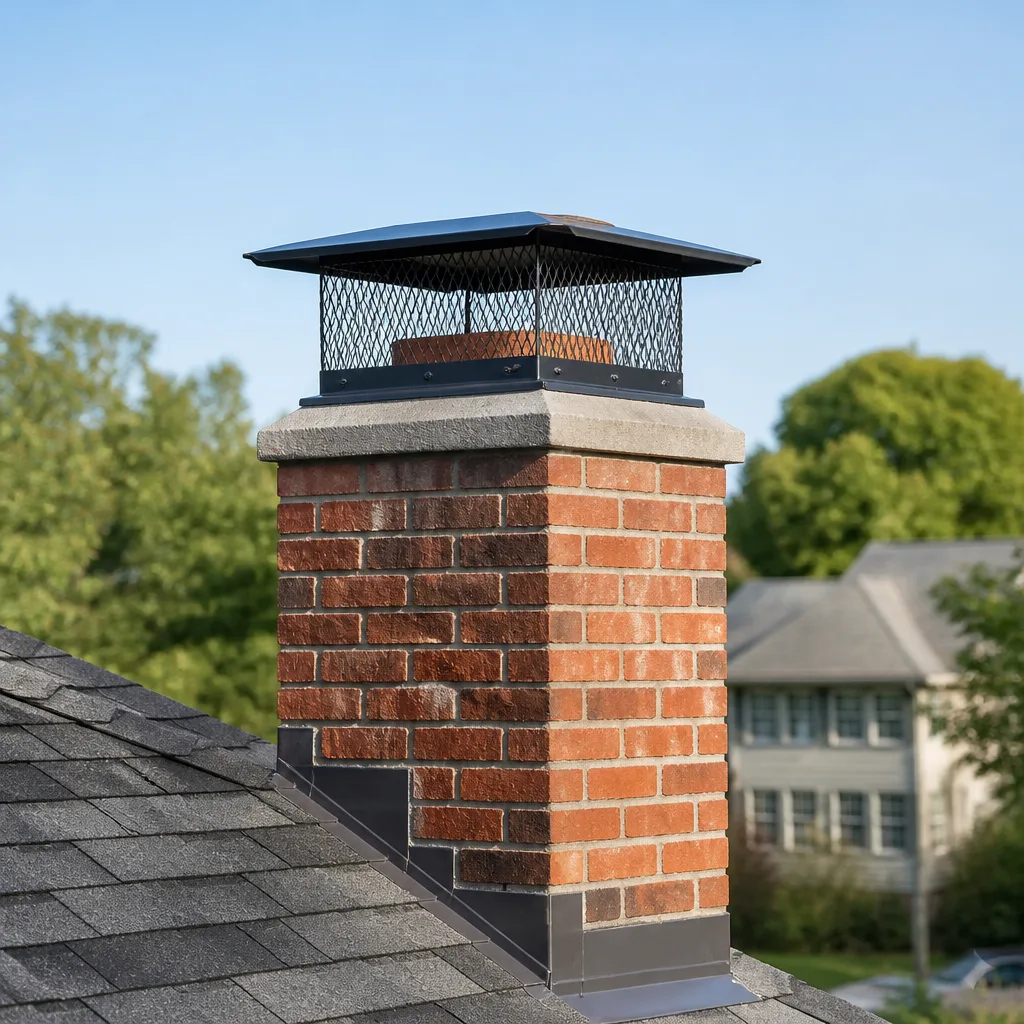 Caps & crowns
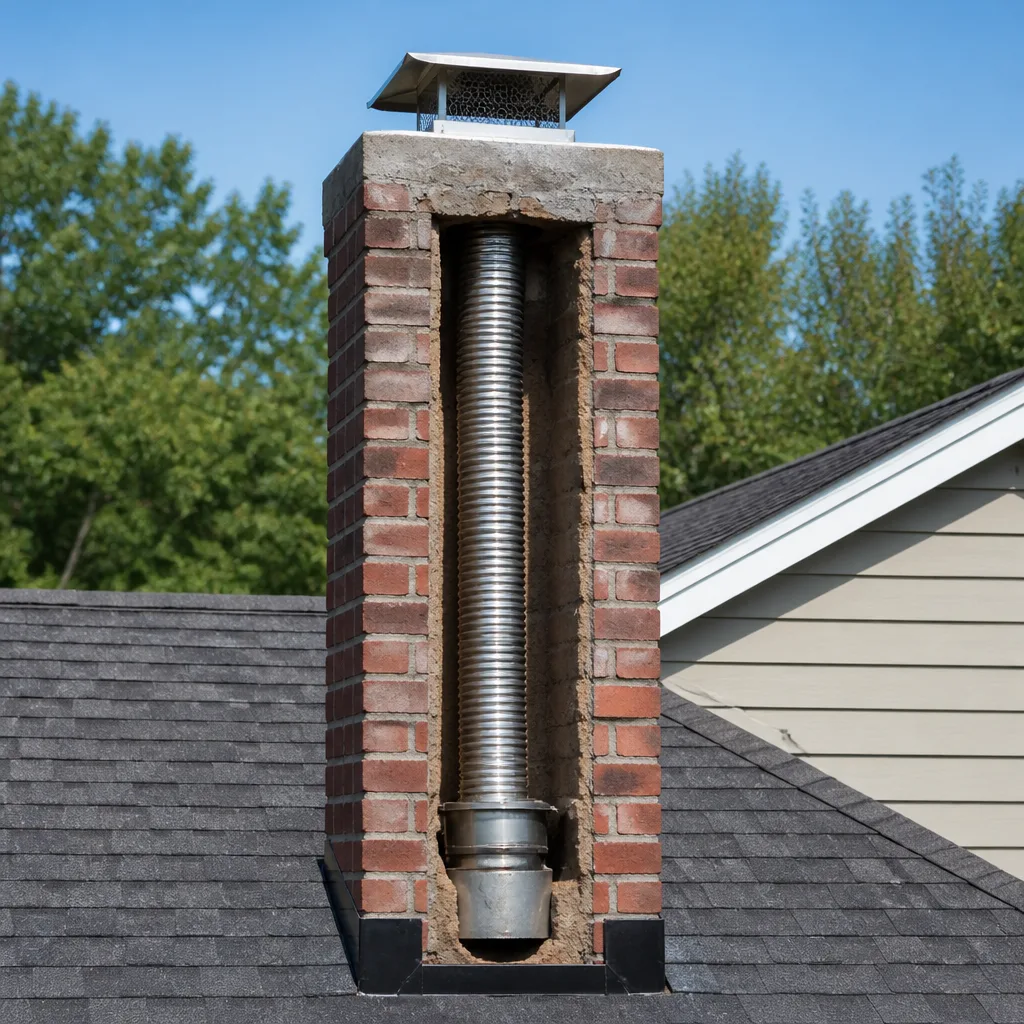 Flue relining
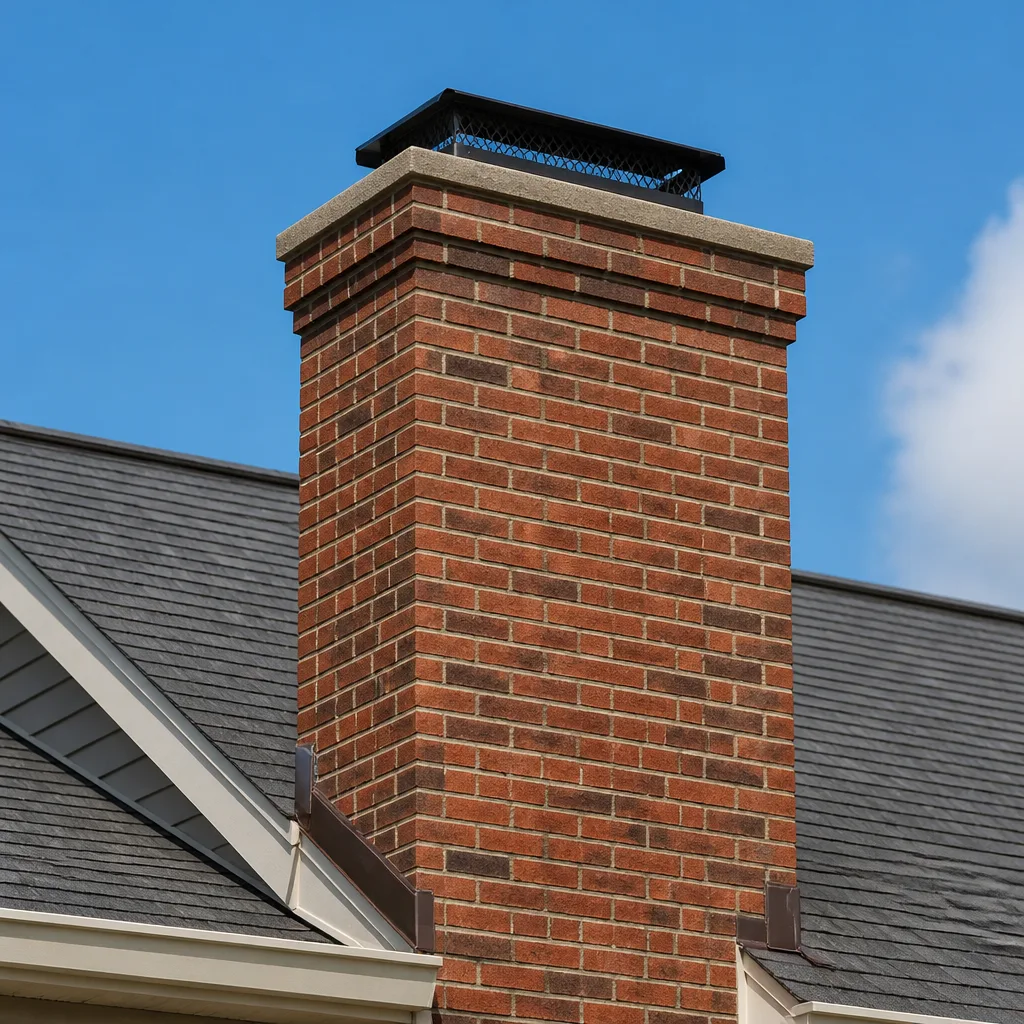 Masonry repair
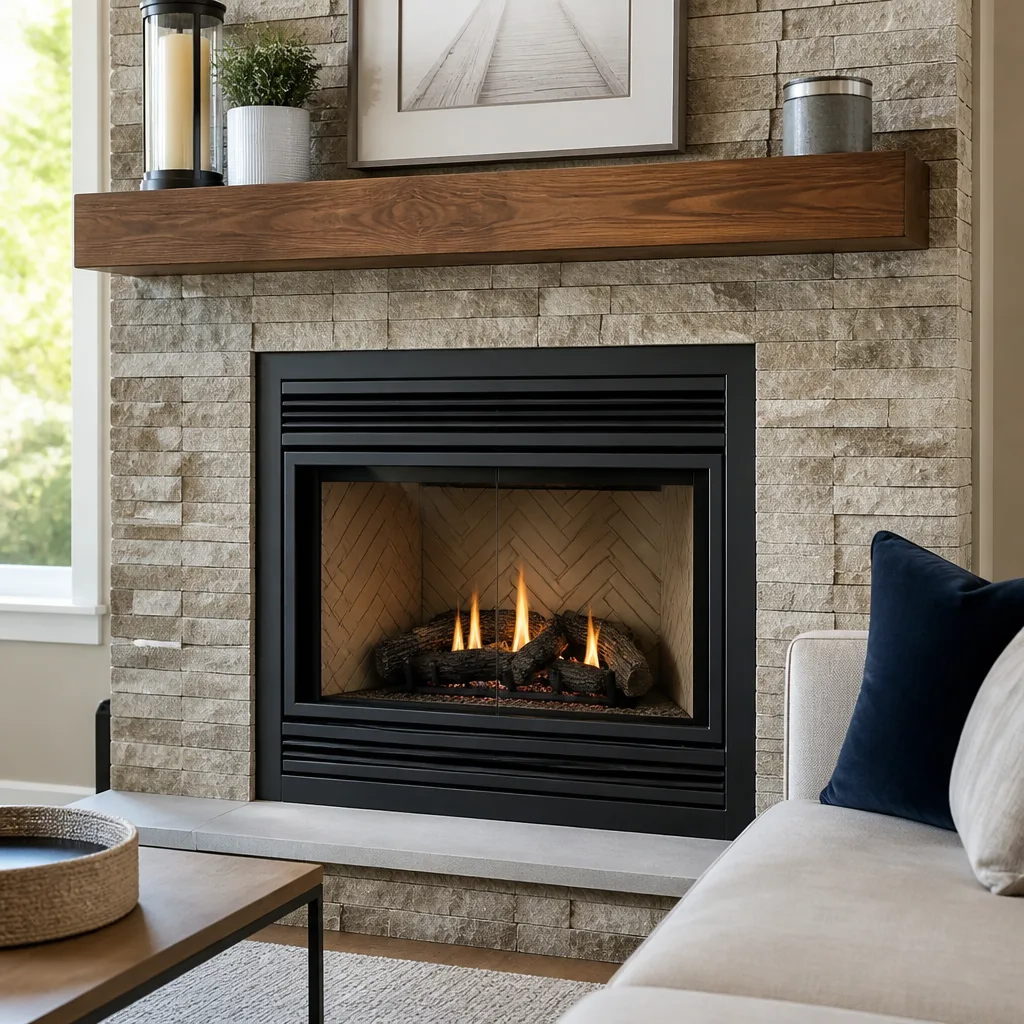 Gas fireplace service
Level 1 sweep and inspection to the NFPA 211 annual standard - flue, crown, cap, and flashing checked and photographed
Chimney sweep logs do not sweep chimneys. They loosen some creosote - which then falls where a brush and vacuum still have to collect it.
Chimney Cleaning Emergency Preparedness Guide for Sparks Homes
Most homeowners picture a chimney emergency as something loud and obvious. In practice, the first sign is often a sound you can barely pick out over the TV, or a headache you blame on a long day. A flue fire can climb toward 2,100°F inside the chimney while the room stays quiet and the wall stays cool to the touch. That gap between what’s happening inside the flue and what you notice in the living room is where preparedness matters most. This guide walks through the first four minutes of a chimney emergency, how to tell a flue fire from carbon monoxide exposure, what to stage near every fireplace in a Sparks home, and the records that make recovery faster. We’ve built it around the questions we get on Chimney Sweep Sparks calls.
Quick Answer
A chimney emergency in Sparks means one of three things: a flue fire, carbon monoxide exposure, or a sudden blockage that pushes smoke back into the room. Call 911 first for any active fire or suspected CO event, get everyone outside, and don’t use the chimney again until a Level 2 inspection clears it. Preparation before heating season is what makes those four minutes count.
Styles & brands we work with
- Sweep & inspection
- Caps & crowns
- Flue relining
- Masonry repair
- Gas fireplace service
Table of Contents
- The First Four Minutes of a Chimney Fire
- Carbon Monoxide vs. Chimney Fire: Telling Them Apart
- What to Stage Near Every Fireplace
- CO Detector Placement in a Sparks Home
- After a Flue Fire: The Inspection Rule
- Building Your Chimney Emergency File
- Sudden Blockages and Smoke Rollback
- Pre-Season Prep Before the First Cold Snap
The First Four Minutes of a Chimney Fire
A chimney fire is a race against heat. The firebox and flue can go from a working chimney to a damaged one in minutes, and the difference between a contained event and a structure fire usually comes down to what the people in the house do in the first four minutes. The sequence below is the one we walk homeowners through on every inspection. Read it once now, before you need it.
- Stop adding fuel. Don’t open the firebox door to look. More oxygen feeds the fire. Close glass doors if you have them.
- Get everyone out and call 911. Call from outside the house. Tell the dispatcher you suspect a chimney fire and give your address clearly. A flue fire you can’t see is still a fire.
- Cut the air supply if you can reach it safely. Close the damper only if the handle is cool and easy to reach from outside the firebox. Never reach into a hot firebox to do this.
- Don’t spray water down the flue. A sudden thermal shock on a hot clay tile liner can crack it. Let the fire department handle suppression with the right equipment.
- Watch the roof line and attic from outside. Sparks homes often have wood-shake or aged shingle roofs. If you see embers or flames at the chimney top, tell the responding crew when they arrive.
- Stay out until cleared. Once the fire department says the fire is out, the chimney is not usable. A flue fire is a structural event, not a scare.
The other thing that matters in those four minutes: knowing where your damper control is. In a panic, homeowners pull the wrong handle. A pre-season walkthrough with every adult in the household solves that. It takes two minutes and pays off exactly once.
Carbon Monoxide vs. Chimney Fire: Telling Them Apart
These two emergencies feel different in the body, and the response is not the same. A chimney fire is usually audible and local – a roar, a crackle, sometimes a vibration you feel through the floor. Carbon monoxide is silent. It doesn’t smell, it doesn’t sting your eyes, and it doesn’t set off a smoke alarm. That difference is why every home with a fireplace or gas appliance needs a CO alarm, not just a smoke detector.
Early carbon monoxide symptoms read like the flu on a bad day: headache, dizziness, nausea, fatigue, and sometimes chest tightness. The tell is context. If symptoms improve when you leave the house and return when you come back, treat it as CO exposure and get out. Don’t open windows and wait to see. Call 911 from outside and let the fire department measure with their meters.
Chimney fire signs look different:
- A low roar or rumble that sounds like a freight train in the distance
- Popping or cracking sounds from inside the flue
- Dense smoke or sparks from the chimney top
- A hot chimney breast or a wall that’s suddenly warm to the touch
- Creosote flakes on the roof or ground near the chimney cap
Our technicians have up to 10 years of experience and know how these signs show up in the field, but you shouldn’t need that experience to make the call. If you suspect either emergency, the response is the same first step: get out, call 911, don’t use the chimney until a Level 2 inspection clears it.
What to Stage Near Every Fireplace
Half of chimney emergency preparedness in Sparks is having the right things in the right place before the first cold night. Staging doesn’t mean a pile of gear on the hearth. It means a small, organized set that lives near the fireplace and doesn’t move for anything else. When there’s smoke filling a room, you don’t want to be hunting through the garage.
Suppression and Access Tools
- A fire extinguisher rated for wood fires. An ABC-rated extinguisher belongs within arm’s reach of the hearth, in the same room, not the kitchen.
- A metal fireplace poker and ash shovel. For controlled ash management, never for reaching into a burning firebox.
- A metal bucket with a lid. Ashes go on the porch or out to the curb in metal, never in plastic or paper. Embers stay hot for hours.
- A bright LED flashlight stored near the damper access. If the power goes out mid-event, this is the one thing you’ll want.
Information You Should Not Have to Look Up
- The exact location of your damper control
- Your chimney sweep’s phone number, on paper near the fireplace
- Your gas meter shutoff location (for gas fireplaces and inserts)
- The fire department’s non-emergency number for follow-up after a 911 call
The staging list is short. That’s the point. If you have to open a drawer to find the extinguisher, you’ve lost time. Keep it out, keep it charged, and check it once a season. Whether your system runs on a chimney sweep cycle before every season or a full diagnostic visit, the tools don’t change.
CO Detector Placement in a Sparks Home
Where you put a carbon monoxide alarm matters as much as having one. The units belong near the sleeping areas of the house, outside every bedroom or in each bedroom, and on every level of the home that has a fuel-burning appliance. For a Sparks home with a wood fireplace, that means the hallway outside the bedrooms and a second unit on the main level, at minimum.
A few placement rules that are easy to get wrong:
- Mount at knee-to-chest height, not at the ceiling. CO is roughly the same density as air, and mixed-gas distribution means the alarm reads better in the breathing zone.
- Don’t put one directly above the fireplace. Normal fireplace operation produces brief low readings that can spike a nearby detector and trigger a false alarm.
- Keep detectors out of the garage, the kitchen, and any room with a gas range. Those produce false positives that train you to ignore the alarm.
- Test monthly, replace the unit per the manufacturer’s replacement date. The sensor loses sensitivity over years.
In our experience, the homes that catch CO early have two detectors, one on each floor of the living area, and a household that knows what a low reading sounds like versus a full alarm. The chirp-versus-horn distinction is worth teaching to every adult in the house. If you want a second opinion on the placement, a professional inspection is the right time to ask.
After a Flue Fire: The Inspection Rule
Here is the rule that surprises most homeowners: a chimney that has survived a flue fire cannot be used again until a Level 2 inspection clears it. The fire itself is often less damaging than the thermal shock on the liner. Clay tiles crack. Metal liners can warp or separate at the seams. Gaps open up between tiles or at the flue collar, and a gap is a path for combustion gases into the framing of the house. Those gaps are invisible from the firebox.
A Level 2 inspection is a camera inspection. The technician runs a camera down the flue and photographs the interior end to end. You should see those photos. If the inspection doesn’t come with photographic evidence, ask why. The whole point of a camera report is that you can look at the damage yourself and decide what to do about it.
What the inspection looks for:
- Cracked, spalled, or displaced clay flue tiles
- Failed liner seams, especially at offsets or elbows
- Warped or detached chimney caps
- Buckled or scorched masonry at the smoke chamber
- Creosote remaining after the fire, which is a re-ignition source if not cleared
If the liner is damaged, the fix is not “keep burning and hope.” A flexible liner from DuraFlex or a ceramic resurfacing solution using HeatShield are the two most common paths. Both are repairs you want a specialist to assess, not a generalist. This is where the difference between a cleaning-only service and a full chimney repair operation shows up: the same visit that inspects the fire damage can design the fix.
Building Your Chimney Emergency File
When a chimney emergency happens, the fire department will ask you questions. Your insurance company will ask you more. An emergency file, kept in one folder in a location everyone in the house knows, turns a stressful process into a manageable one. It takes an hour to assemble and saves days later.
What belongs in the file:
- Every chimney inspection report with its date and the sweep’s name. History matters. A pattern of cracked tiles or repeated creosote buildup tells the next inspector where to look first.
- Liner specification sheet. Brand, model, size, and install date. If you don’t have this, your liner installer should. Keep the paper copy here.
- Your chimney sweep’s contact information. Put the number in the file, not just in your phone.
- Insurance policy face page and the claims line. Fire departments sometimes ask for the policy number as part of documentation. Have it ready.
- Photographs of the exterior chimney and the firebox interior. A dated photo before an event helps you prove what changed after.
- A signed written estimate for any recommended work. Get it in writing before a repair begins.
We work with professional-grade materials from brands like Olympia Chimney and Famco on repairs, and every job comes with the documentation that supports the file. That continuity matters when the next inspector, adjuster, or fire marshal asks for records. A folder is not glamorous, but it’s the difference between a claim that moves and one that stalls.
Sudden Blockages and Smoke Rollback
Not every chimney emergency is a fire. Smoke rolling back into a living room is its own kind of event, and it usually means one of four things: a blockage in the flue, a closed or partly closed damper, a cold flue that hasn’t warmed up enough to draft, or a house that’s depressurized from a running kitchen or bath fan. In Sparks, where winter inversions trap cold air near the ground, the buildup of a chimney cap can be a factor too. A nest, a fallen cap screen, or a heavy creosote shelf can choke the flue.
What to do if smoke is rolling back:
- Open a window near the fireplace. This equalizes pressure and gives the smoke a path out of the room.
- Check the damper. If it’s closed, open it. If it’s stuck, don’t force it with a tool.
- Put the fire out if it’s still burning. Use the metal ash bucket, not water. A wet, smoky firebox is harder to diagnose.
- Don’t relight until the flue is cleared. A blockage that caused one rollback will cause the next one.
If smoke comes back after these steps, treat it as a call-worthy event. A Sparks home with a blockage can fail a CO test the same night, and a camera inspection that day beats a guess.
Pre-Season Prep Before the First Cold Snap
Chimney emergency preparedness in Sparks is largely a fall activity. The first real cold snap here often arrives with a fog bank and an inversion, and that’s exactly when households light the first fire of the year. Book the sweep and the inspection before that night, not after the first smoky evening. A pre-season list of what to check, in order:
- Sweep the chimney once per year of active burning, more often if you burn unseasoned wood. Creosote is the fuel of a flue fire, and a clean flue has none.
- Get a Level 1 visual inspection with the sweep. Look for cracked tiles, failed caps, and loose mortar at the crown.
- Test the CO detectors on every level and replace the batteries. Check the sensor replacement date on each unit.
- Stage the extinguisher and check the pressure gauge. It has to be in the room, not the garage.
- Clear the roof and cap of needles and debris. A blocked cap screen is the leading cause of smoke rollback.
- Run a small test fire before the first real cold night. Watch for rollback, check the draw, and listen for anything that sounds wrong.
Chimney Sweep Sparks handles sweep, repair, and inspection as a single bookable visit. You don’t need to coordinate three contractors. Using professional-grade materials from DuraFlex and Copperfield means the repair path is set up on the same visit that finds the problem. Book it now, before the cold snap turns the schedule into a scramble.
Common Mistakes to Avoid
- Waiting until the fire department arrives to stop adding fuel. Every minute the firebox has fresh wood and an open air path is fuel to a flue fire. Close the glass doors and get out first.
- Reaching into a hot firebox to close the damper. Homeowners get badly burned this way. If the handle is hot or reach is awkward, leave it. The fire department has better tools.
- Relighting a chimney after a flue fire without an inspection. A fire that survived the night still produced thermal shock. A cracked tile doesn’t hurt until gases leak into framing.
- Putting ashes in a paper bag or plastic bin. Ashes stay hot for hours. In Sparks, a strong evening wind and a heated ash bin is a routine cause of porch and dumpster fires. Metal bucket, lid on, outside.
- Skipping the CO detector above the fireplace on purpose. You’re not avoiding false alarms, you’re skipping the room that matters. Put detectors in the sleeping areas and on every level.
- Treating a chimney emergency as a “wait and see” situation. A flue fire doubles its damage in the first ten minutes. If you suspect one, call 911 from outside.
- Letting a contractor start a repair without written documentation of what’s being fixed. A camera report and a signed estimate are the baseline. If a repair isn’t documented, you can’t verify it later.
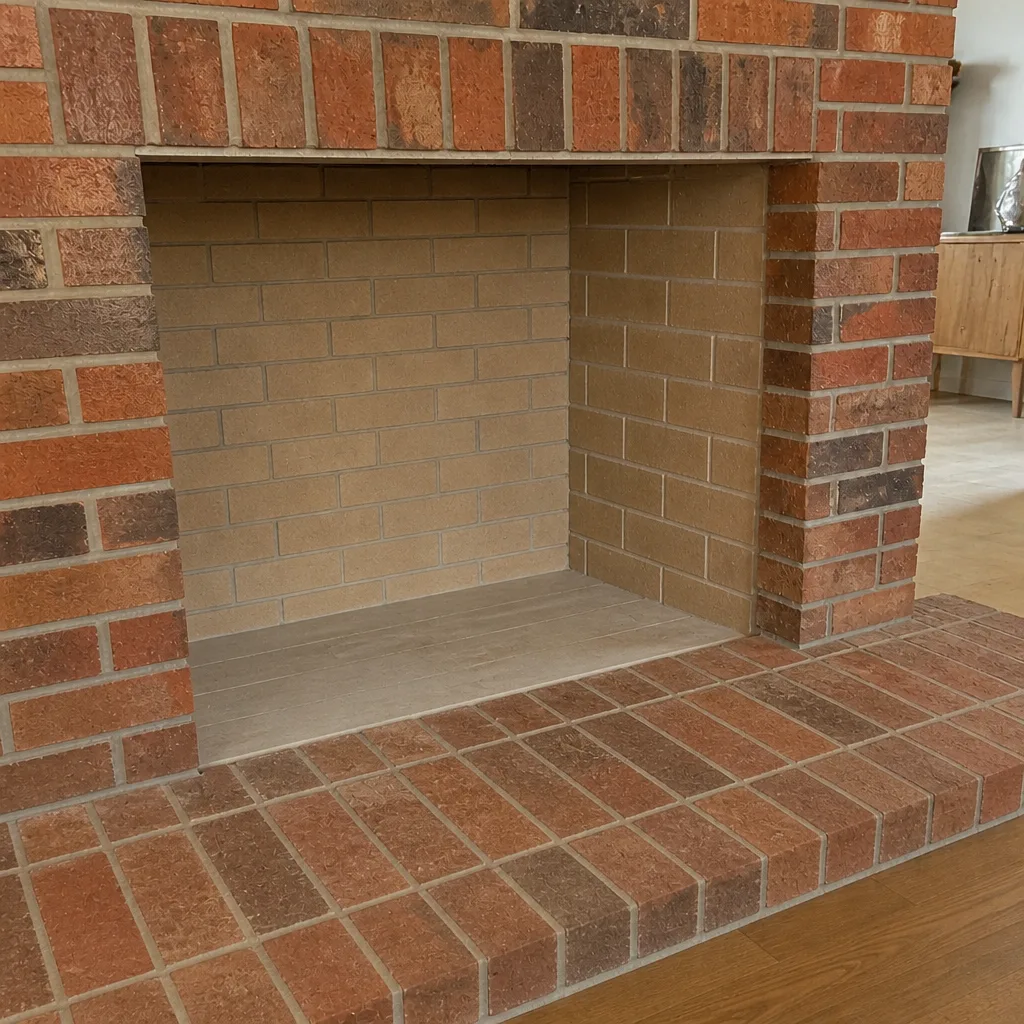
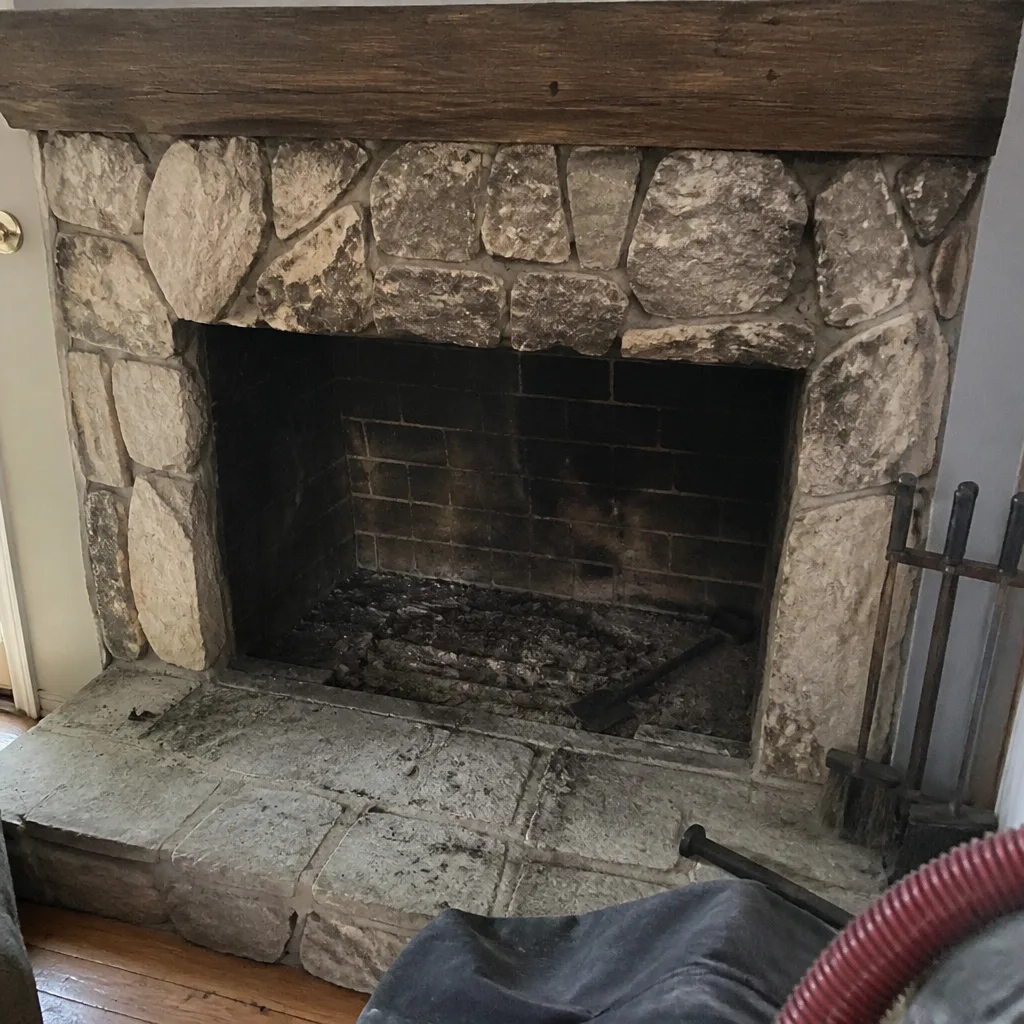
See the difference
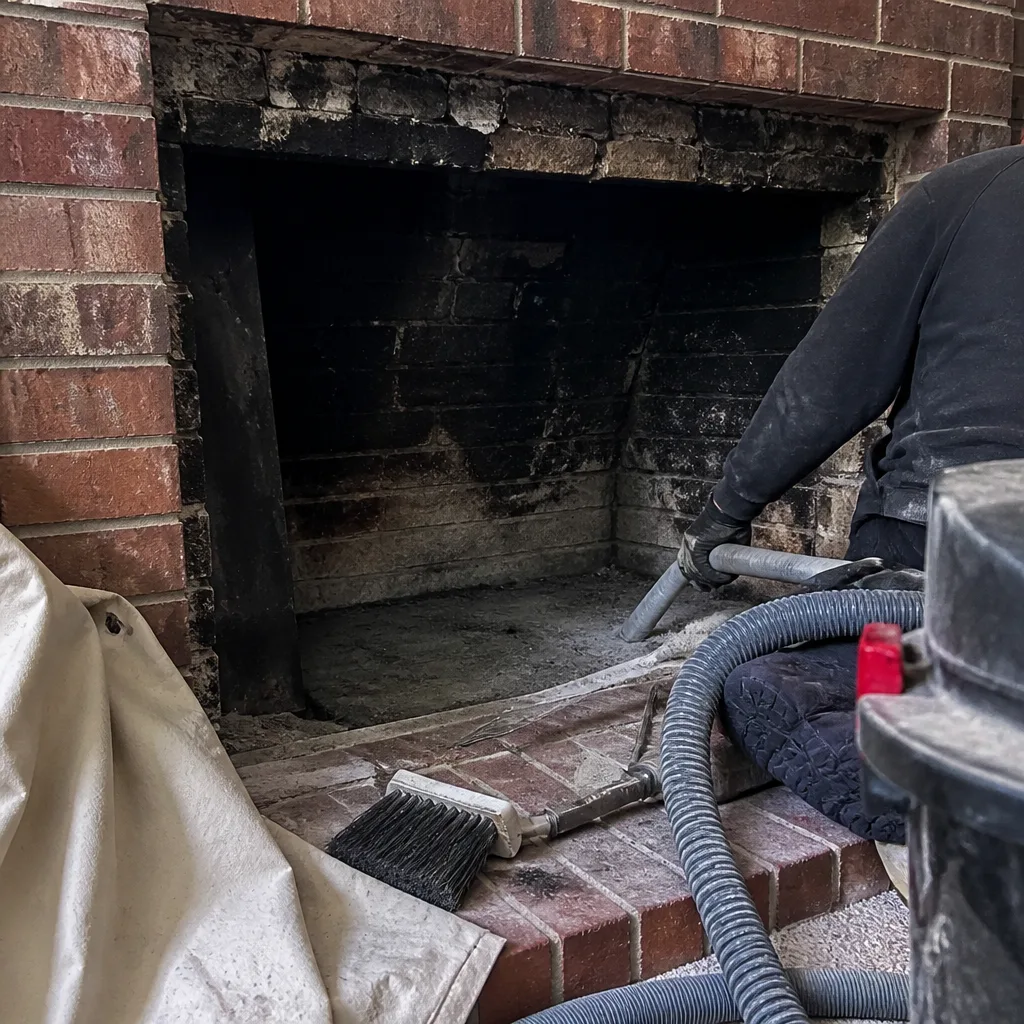 Before
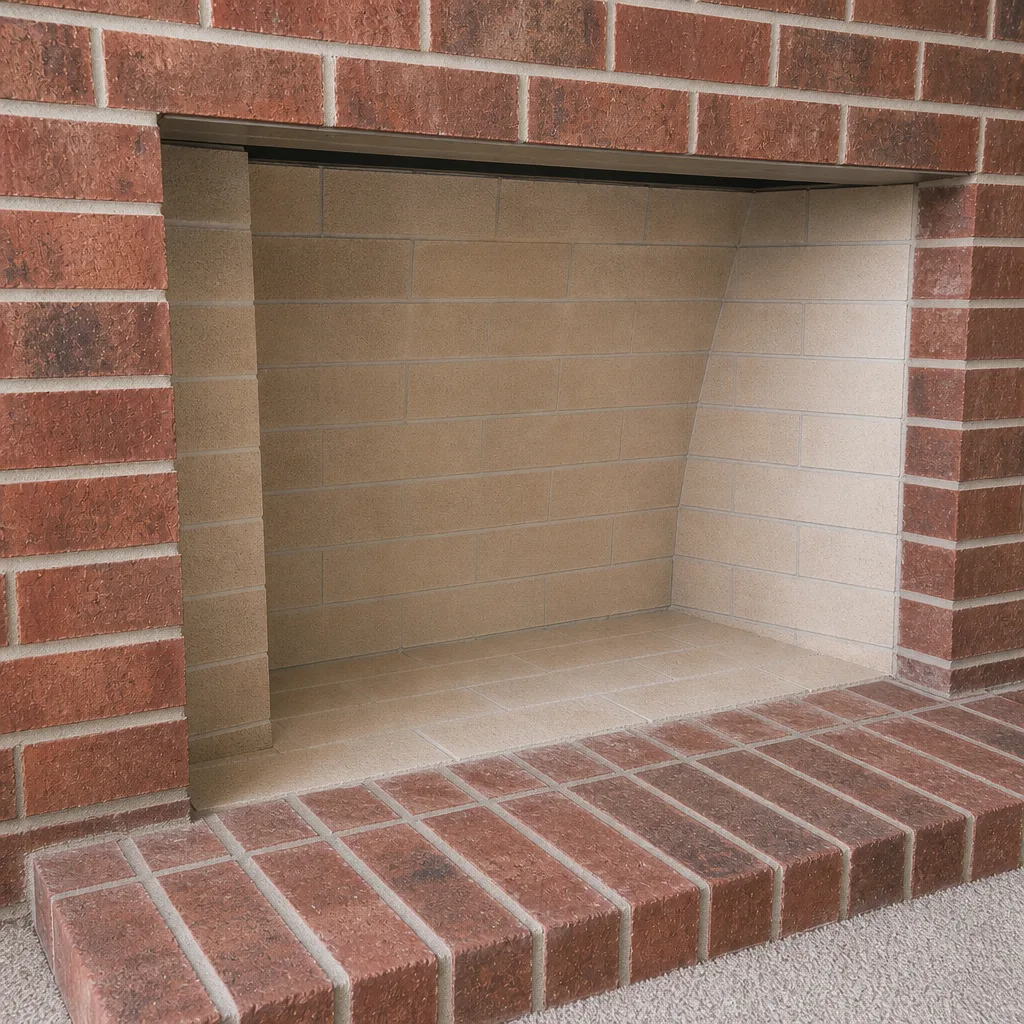 After
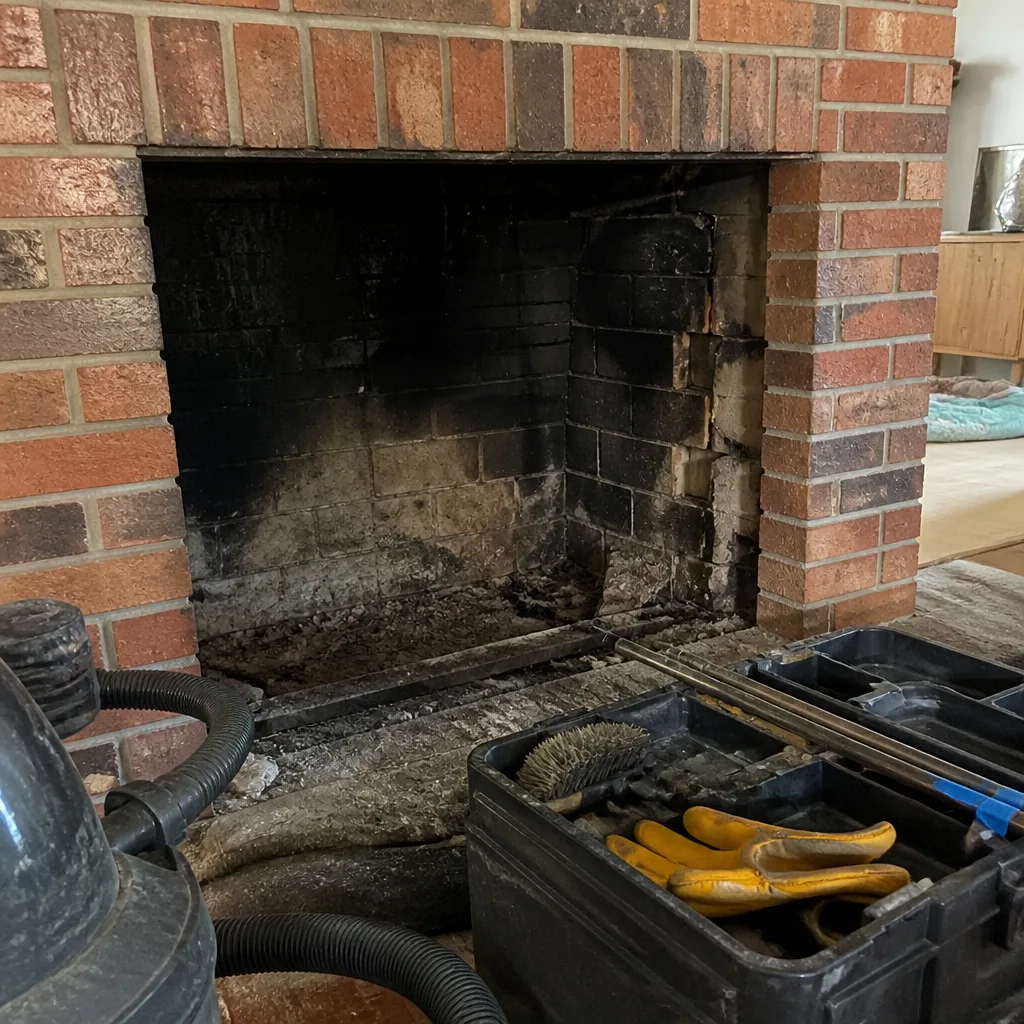 Before
 After
 Before
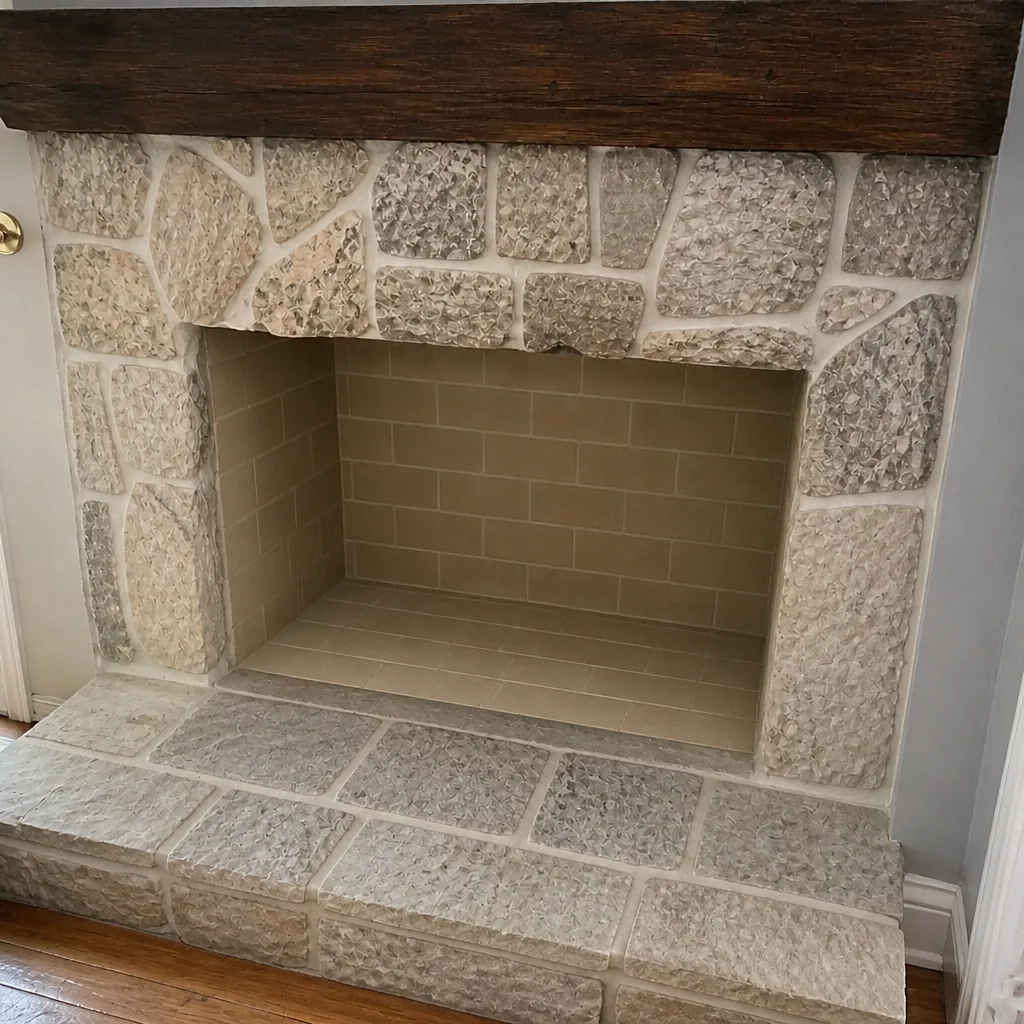 After
When to Call a Professional
Some chimney issues are inspection items and some are events. Call us when smoke rolls back into the room on a repeated basis, when you hear a roar or popping from inside the flue, when a CO alarm goes off, or when a flue fire has happened, even if the fire seemed small. Call us before the first cold snap if it’s been more than a year since the last sweep. Call us if a masonry crack has appeared on the exterior chimney, or if the chimney cap is loose or missing. And call us if you’ve been told you need a $3,000 liner replacement and you haven’t seen the camera footage yourself – we’ll show you. Chimney Sweep Sparks offers free estimates in Sparks, and we’re the same crew on the sweep, the repair, and the inspection. Call (855) 360-7181. We answer 24/7. Fast dispatch from 7am to 7pm, Sunday through Friday.
Frequently Asked Questions
Most chimney sweeps in Sparks run in the low-to-mid hundreds of dollars for a standard cleaning, and the price is set per job by the written estimate before any work begins. The estimate is free. Call (855) 360-7181 for an exact quote.
Stop adding fuel, get everyone outside, and call 911 from outside the house. Do not reach into the firebox or spray water down the flue. Close the glass doors if you have them, then stay out until the fire department clears the building.
By the time you hear a low roar, the flue can already be at a temperature that damages the liner, and temperatures can climb toward 2,100°F inside the flue. There is no safe “wait and see” window. Call 911 as soon as you suspect one.
Not always, but you cannot know without a Level 2 camera inspection. Cracked tiles, separated metal liner seams, and gaps at the smoke chamber are common after a fire and are invisible from the firebox. Ask to see the camera photos before agreeing to any liner work. Call (855) 360-7181 to book the inspection.
A smoke alarm reacts to smoke particles. A carbon monoxide alarm reacts to the gas itself, which has no color and no smell. A chimney issue can produce either one, which is why every home with a fireplace needs both. Call (855) 360-7181 if you want a professional view of where yours are placed.
Once per year of active burning is the baseline, and more often if you burn unseasoned wood or burn heavily through a long winter. The creosote buildup that fuels a flue fire happens fastest in the shoulder season when fires are small and smoldering. Call (855) 360-7181 to book a sweep before the first cold snap.
The Bottom Line
Chimney emergency preparedness in Sparks comes down to a few things done before the emergency, not during it. Know your damper location. Stage the extinguisher and the metal ash bucket. Put CO detectors outside every bedroom and on every floor. Get a sweep and a Level 2 inspection on the calendar before the first cold snap. And keep the emergency file – reports, liner specs, contractor contact, insurance documents – in one place. If a flue fire happens, get out, call 911, and don’t use the chimney again until a camera inspection clears it. The first four minutes are the ones you can’t fix afterward.
Written by the team at Chimney Sweep Sparks.