
Last updated November 15, 2026
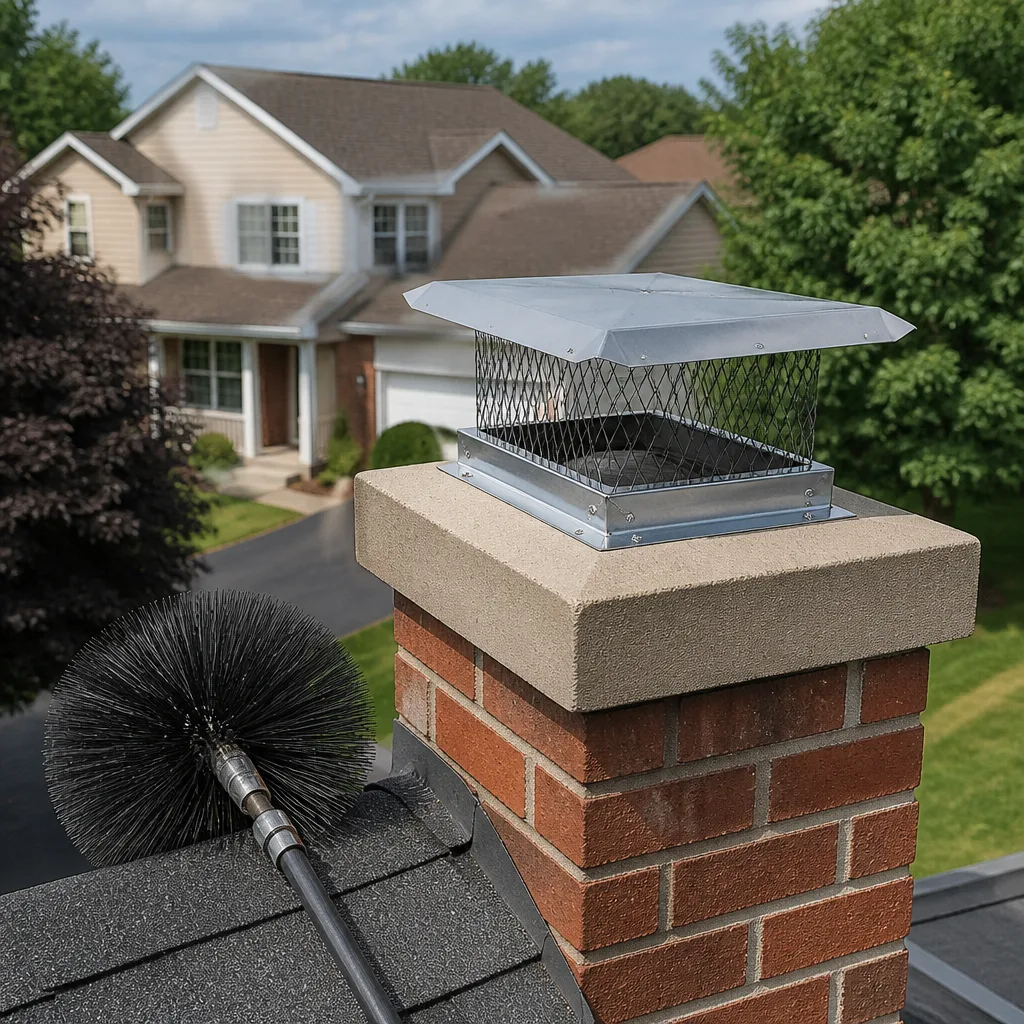 Sweep & inspection
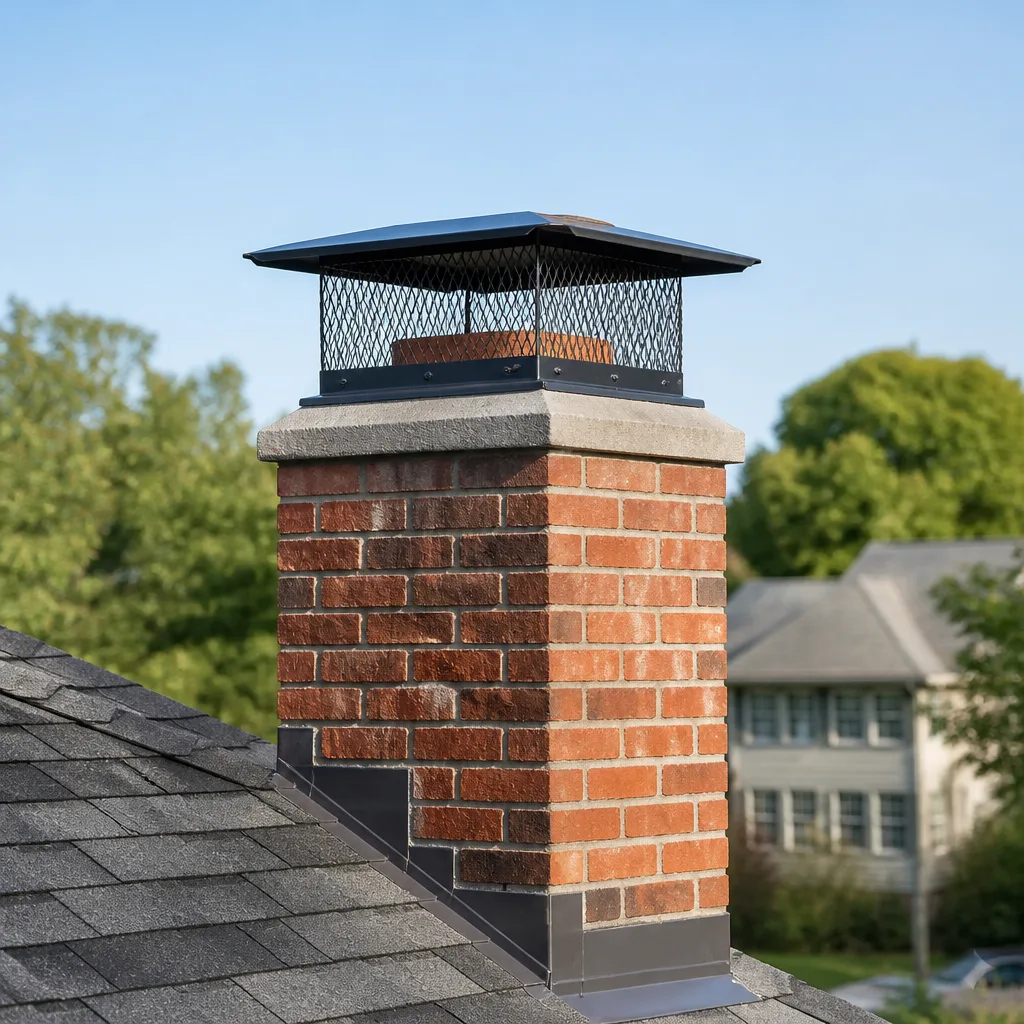 Caps & crowns
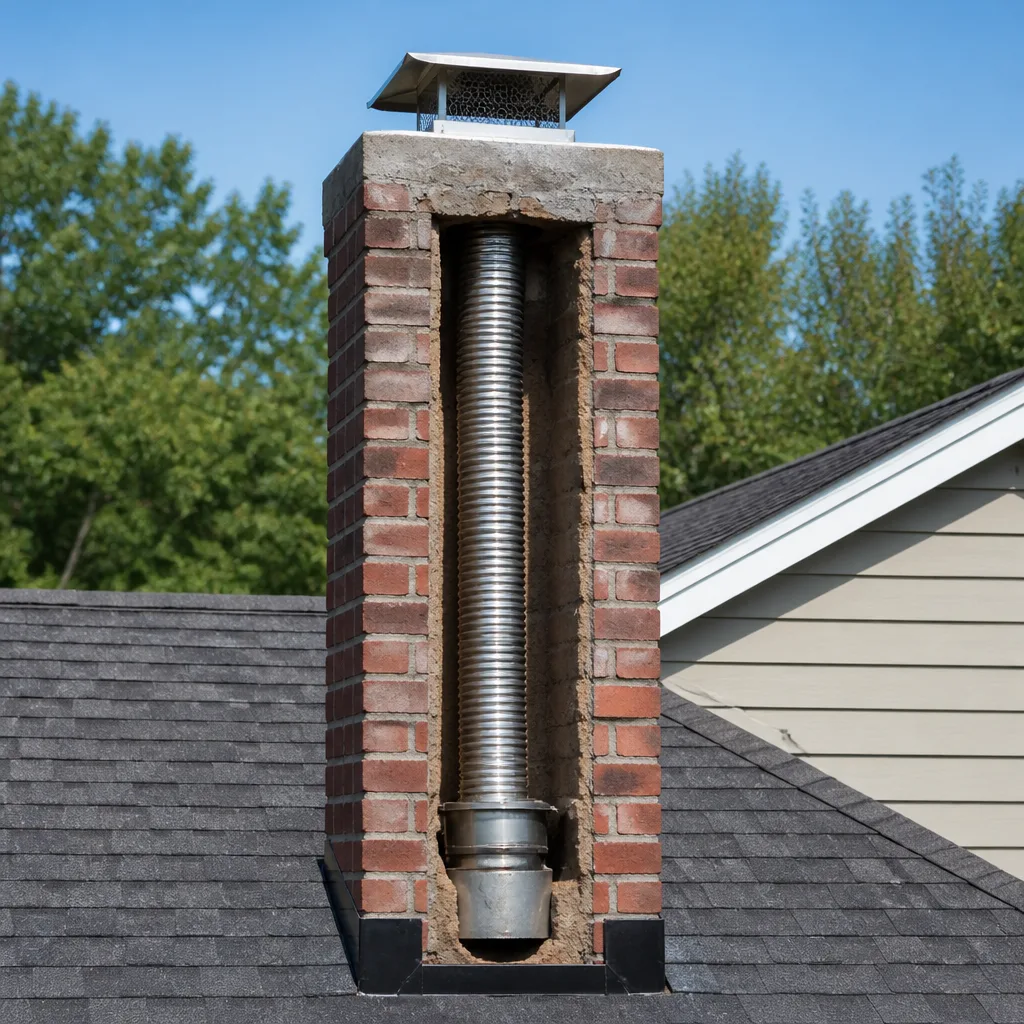 Flue relining
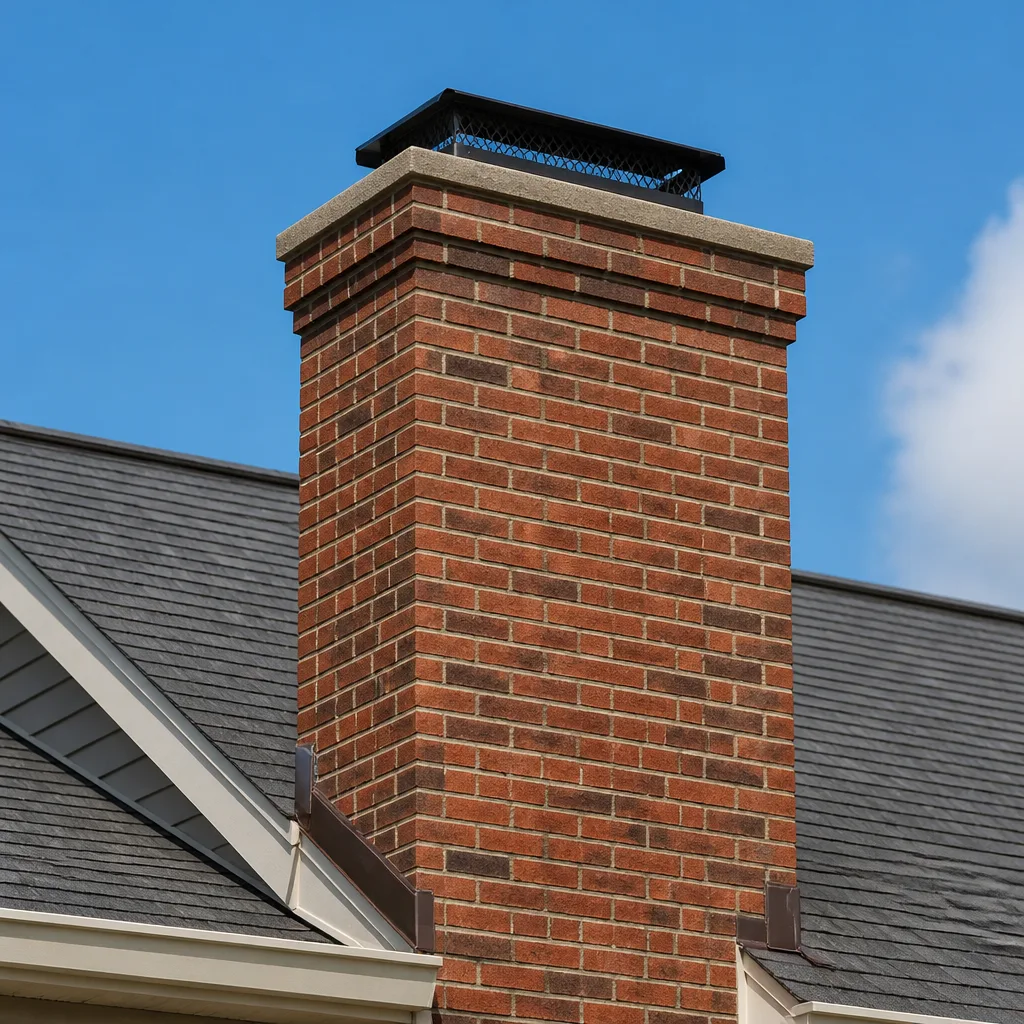 Masonry repair
 Gas fireplace service
Level 1 sweep and inspection to the NFPA 211 annual standard - flue, crown, cap, and flashing checked and photographed
Chimney sweep logs do not sweep chimneys. They loosen some creosote - which then falls where a brush and vacuum still have to collect it.
Chimney Sweep Maintenance Checklist for Sparks Homeowners
A generic chimney checklist tells you to “inspect the cap.” This one tells you what a damaged cap actually lets in, why it matters more here than in most places, and what it leads to six months down the road. Sparks sits in a high-desert valley where wind scours loose debris off the hills, winter swings mortar through repeated freeze-thaw, and dry months push fine dust into every seam of a masonry stack. A checklist built for a mild, wet climate misses all of that.
What follows is a zone-by-zone guide to what fails on a Sparks chimney, what you can safely eyeball yourself, and what needs a camera or a probe in trained hands. You’ll finish knowing which findings mean stop burning tonight and which can wait for a scheduled appointment.
Quick Answer
A chimney maintenance checklist for Sparks homeowners should cover six zones in order: cap, crown, flashing, flue liner, smoke chamber, and firebox. Check the cap and crown visually each fall for wind and freeze-thaw damage, have the flue liner and smoke chamber camera-inspected once a year, and sweep whenever the creosote layer reaches a quarter inch or you’ve burned roughly a cord of wood. Any cracked crown, loose flashing, or damaged liner means stop using the fireplace until a professional looks at it.
Styles & brands we work with
- Sweep & inspection
- Caps & crowns
- Flue relining
- Masonry repair
- Gas fireplace service
Table of Contents
- Zone 1: The Cap – Your First Line Against Valley Wind
- Zone 2: The Crown – Where Freeze-Thaw Does Its Damage
- Zone 3: Flashing – The Quiet Leak Point
- Zone 4: The Flue Liner – Camera Territory
- Zone 5: The Smoke Chamber – The Overlooked Zone
- Zone 6: The Firebox – Reading the Bricks
- What You Can Check Yourself vs. What Needs a Professional
- Red Flags That Mean Stop Burning Now
- How to Document Findings and Track Deterioration
Zone 1: The Cap – Your First Line Against Valley Wind
The cap is the metal or mesh cover sitting on top of the flue. Its job is to keep rain, snow, and animals out while letting exhaust escape. In Sparks, the wind does more damage to caps than almost anything else. Gusts coming off the surrounding hills carry grit, small branches, and roof debris that hammer a cheap cap until the mesh tears or the whole unit shifts loose. A cap that’s rattling or visibly bent is already failing at its one job.
What a breached cap lets in, and what it costs you later:
- Nesting animals and birds. An open flue is a sheltered, warm cavity. Once a nest is built, it blocks draft and creates a combustible obstruction.
- Wind-driven debris. Dry leaves, twigs, and grit collect on the smoke shelf and choke the draft over time.
- Rain and snow directly into the flue. Moisture against masonry accelerates spalling and freeze-thaw damage through the winter.
- Dust intrusion. During Sparks’ dry months, fine dust blows straight down an uncapped flue and settles in the firebox and smoke chamber.
This is one of the easiest zones to check from the ground with binoculars or from a safe ladder position. Look for a cap that’s tilted, rusted through, or missing mesh panels. A loose cap also signals the crown beneath it may be cracked. When we replace a cap, we fit stainless units from names like Olympia Chimney because they hold up to wind and temperature cycling far better than the painted-steel caps common on older homes. If you’re not comfortable on a ladder, leave the roof to us; height work is where homeowners get hurt.
Zone 2: The Crown – Where Freeze-Thaw Does Its Damage
The crown is the concrete surface at the very top of the chimney that slopes away from the flue to shed water. It’s the part of a Sparks chimney most exposed to the freeze-thaw cycle. On a cold winter night, moisture soaks into a hairline crack; by afternoon the sun warms the masonry and the water expands as it freezes, widening the crack a little more. Repeat that across a high-desert winter and a small crack becomes a chunk of missing crown by spring.
A failing crown is worth catching early because water damage travels downward. Here’s what to look for:
- Visible cracks wider than a hairline, especially ones running from the flue toward the outer edge.
- Spalling or flaking on the crown surface, where concrete is breaking away in pieces.
- Poor slope – a crown that’s flat or tilted back toward the flue instead of away from it.
- Missing chunks at the edges, which let water run down the outside of the stack.
- Rust stains on the masonry below, a sign water is running where it shouldn’t.
A crown repour is a common repair, and it’s one that pays for itself by protecting everything below it. Most cracked crowns can wait for a scheduled appointment as long as you’re not seeing water inside the firebox, but a badly broken crown should be addressed before the next wet season. This is a repair we handle start to finish alongside the sweep and inspection, so you’re not coordinating a mason and a sweep separately. A crown that keeps cracking even after a repair can point to a larger structural issue in the stack itself, which we’d flag in the report.
Zone 3: Flashing – The Quiet Leak Point
Flashing is the metal seal where the chimney meets the roofline. When it’s done right, it keeps roof water out of the house. When it fails, water sneaks in behind the stack and shows up as a ceiling stain somewhere far from the chimney, which is why flashing problems get misdiagnosed as roof leaks. In Sparks, the wide temperature swings between day and night work the metal and the sealant constantly, and older tar-based flashing seals crack over time.
What to check around the flashing:
- Lifted or separated metal where the flashing meets the roof or the chimney.
- Cracked sealant along the top edge, especially on the uphill side where water pools.
- Rusted or corroded flashing, common on older homes in established Sparks neighborhoods.
- Water staining on the chimney sides or roof decking near the base.
Flashing is a genuine DIY visual check: from the roof or with binoculars, you can see lifted metal and cracked sealant without touching anything. What you can’t easily judge is whether water is already getting behind it. If you see staining inside the attic or on a ceiling near the chimney, that’s a professional call. We reseal and repair flashing as part of our chimney repair work, using materials that handle expansion and contraction instead of cracking after one season. Catching a flashing leak early is far cheaper than repairing rotted framing later.
Zone 4: The Flue Liner – Camera Territory
The flue liner is the inner wall that carries smoke and gases up and out. On older masonry chimneys it’s often a clay tile liner, and clay tiles crack, shift, and separate at the joints over time. On newer or relined chimneys it may be a stainless flexible liner. Either way, the liner is the single most important safety component in the system, and it’s also the one you can’t inspect with your eyes from the firebox.
This is where camera inspection matters. A technician runs a camera down the flue and takes still images at each joint and transition. Without that view, a cracked tile or a gap at a joint stays invisible until it causes a problem. In our experience, Sparks chimneys with clay liners often show hairline cracks that formed through years of heating and cooling, and those cracks let heat and gases reach the surrounding masonry and framing.
What the camera typically looks for:
- Cracked, spalled, or missing clay tiles.
- Gaps between tile sections where gases can escape.
- Offset or misaligned flues, common in older homes with a jog in the stack.
- Heavy creosote glazing that a standard sweep brush won’t remove.
- Deteriorated mortar joints between tiles.
When a liner is damaged, relining is often the fix. We install flexible stainless DuraFlex liners for deteriorated or offset flues, and for ceramic flue resurfacing we use HeatShield, a repair most basic sweep services can’t perform. A camera inspection and photo report is included with our chimney sweep so you see exactly what we see before any repair is recommended. Nothing gets sold to you without evidence you can review yourself.
Zone 5: The Smoke Chamber – The Overlooked Zone
The smoke chamber is the tapered space just above the damper and below the flue, where smoke compresses and accelerates upward. It’s angled and rough, which means it collects creosote and dust in a way the straight flue above it doesn’t. Many homeowners never think about it, and many quick sweeps skip it because reaching it takes more effort than running a brush up the flue.
Why it matters in Sparks: the dry months send fine dust down the flue, and that dust mixes with creosote residue on the rough smoke chamber walls. Over a few seasons, the coating builds into a layer that’s harder to remove and more combustible. A smoke chamber that’s heavily coated is a fire risk, and a poorly shaped one creates turbulence that pushes smoke back into the room.
What a proper check covers:
- Creosote buildup on the chamber walls and the smoke shelf.
- Deteriorated mortar on the corbeled brickwork.
- Gaps or cracks that let gases bypass the flue.
- The smoke shelf, which should be clean and clear of debris.
This zone is difficult to assess without a camera and the right angle. We address smoke chamber issues as part of a full sweep and repair visit, and we can resurface a rough or damaged chamber when needed. If you’ve had years of quick sweeps that never touched this area, it’s worth asking exactly what was cleaned.
Zone 6: The Firebox – Reading the Bricks
The firebox is the box where the fire actually burns, lined with firebrick and mortar rated for high heat. It takes direct flame and thermal cycling every time you light a fire. In Sparks, the daily temperature swings put the firebox through repeated heat-up and cool-down cycles, and over years the firebrick and mortar joints develop cracks.
What to look at inside the firebox:
- Cracked firebrick, especially cracks wider than a hairline or bricks that are loose.
- Deteriorated mortar joints between the firebricks, which can crumble and leave gaps.
- Missing or spalled brick faces where the surface has flaked away.
- Rust on the damper, a sign of moisture getting in from above.
- A damper that won’t open, close, or seal properly.
You can do a visual check of the firebox yourself with a flashlight before the season starts. What you can’t easily judge is whether a crack has compromised the structure behind the firebrick. Small hairline cracks in the firebrick are often normal, but a cracked or loose firebrick that lets heat reach the masonry behind it needs a professional look. Damper problems and mortar deterioration are repairs we handle as part of our full-service work on a Sparks chimney. If the firebox looks sound, that’s one zone you can check off with confidence.
What You Can Check Yourself vs. What Needs a Professional
Not every checklist item needs a technician, and knowing the difference saves you money and keeps you safe. The split comes down to what’s visible from outside versus what requires a camera, a probe, or roof access. Here’s the practical breakdown.
Safe DIY visual checks
- Cap condition – binoculars from the ground, looking for tilt, rust, or missing mesh.
- Crown cracks – visible from a safe ladder position or with binoculars.
- Flashing – lifted metal and cracked sealant, viewed from the roof or with optics.
- Firebox – a flashlight inspection of firebrick and mortar from inside the room.
- Damper operation – open it, close it, feel whether it seals.
- Interior water stains – look for discoloration on the chimney breast, ceiling, or attic near the stack.
Checks that need a camera or a probe (professional)
- Flue liner integrity – camera inspection of tiles and joints.
- Smoke chamber coating and mortar – needs a camera at the right angle.
- Creosote depth – a probe measures the layer properly.
- Hidden flashing leaks – checking behind the flashing and into the framing.
- Structural assessment of the stack itself.
The rule of thumb: anything you can see from outside or from inside the room is fair game for a visual check. Anything that requires reaching into the flue, judging the inside of the liner, or getting on the roof for a close look is a job for a professional. Roof and height work is genuinely dangerous, and the camera work requires the equipment and the training to read what it shows. We include a camera inspection and photo report with every sweep precisely because these hidden zones are where real problems start. A homeowner doing the visual checks between annual visits is doing the system a real favor.
Red Flags That Mean Stop Burning Now
Some checklist findings mean schedule an appointment. Others mean don’t light another fire until a professional has looked at the system. Knowing which is which protects your home and your family.
Stop burning immediately if you find:
- Smoke or fumes entering the room when the fireplace is lit, or a strong smell of creosote or gas.
- A visible crack or gap in the flue liner, or a liner that’s visibly deteriorated.
- Loose or missing firebox brick that exposes the structure behind it.
- Heavy, glazed creosote on the flue walls (a thick, tar-like coating).
- Water actively leaking into the firebox or smoke chamber.
- A blocked or obstructed flue, such as a bird nest or collapsed tile.
- A carbon monoxide alarm that sounds when the fireplace is in use.
Findings that can wait for a scheduled appointment:
- Hairline cracks in the firebox brick without looseness.
- A rusty cap that still keeps out rain and animals.
- Minor crown cracks with no sign of interior water.
- Creosote buildup that’s below the quarter-inch level.
- A stiff damper that still opens and closes.
Carbon monoxide is the quiet danger here. A blocked or compromised flue can let it back into the room, and it’s colorless and odorless. That’s why we treat any liner damage as a stop-use condition rather than a “get to it later” item. If you’re unsure which category a finding falls into, call and describe it. We answer 24/7 and can tell you whether it’s safe to burn tonight.
How to Document Findings and Track Deterioration
A checklist used once is a snapshot. A checklist kept over time is a maintenance record that catches slow deterioration before it becomes structural. Sparks chimneys fail gradually, and the freeze-thaw winters here are patient about widening a crack year after year. The trick is to write down what you find, with dates, and compare.
A simple documentation routine
- Photograph the same spots every fall. The crown from the same ladder position, the firebox from the same angle, the cap from the ground.
- Note the date on every photo, so you know how long a crack has been there.
- Record repair work with the date and what was done, so you don’t re-diagnose a fixed problem.
- Keep the inspection report our technicians leave behind, including the camera images.
- Compare year to year. A crack that hasn’t changed is stable. One that has widened or spread is telling you something.
This record does more than remind you what needs attention. It also gives any professional you hire a clear history of what has been repaired and when, which shortens diagnosis and prevents redundant work. When we inspect a Sparks chimney, the photo report hands you the same evidence we used to make recommendations, so you’re never guessing whether a repair is truly needed. A handwritten note with a date is enough to start. The important part is doing it consistently, and doing it at the same time each year so the comparison is fair.
When it comes time to schedule, call (855) 360-7181. Estimates are free, and the price is set per job by the written estimate.
Common Mistakes to Avoid
- Skipping the smoke chamber because the flue looks clean. A brush that only runs up the flue leaves the rough smoke chamber and its creosote coating untouched, and that’s where a fire can start. Ask any sweep exactly what they clean.
- Burning wet or green wood to save money. Unseasoned wood builds creosote fast, and in Sparks’ dry months the residue dries and glazes, getting harder to remove each season. Seasoned wood burned hot is the cheap fix.
- Assuming a cap is fine because it’s still attached. A cap with torn mesh or a warped frame still lets wind-driven debris in, and that debris collects down where you can’t see it. Check the mesh, not just the mount.
- Ignoring a crown crack until spring. A crack that goes through one freeze-thaw winter gets wider, not better, and the water that reaches the masonry below costs more to fix than the crown would have. Handle crown damage before the cold sets in.
- Burning the fire after a “quick” inspection finds a problem. A compromised liner is a stop-use condition, and heat can drive gases through a crack into the framing. The fire can wait; the house can’t.
- Hiring a sweep who skips the camera. Without a camera, the liner and smoke chamber stay unverified, and you’re buying peace of mind that hasn’t been earned. Ask for the photos.
- Treating the checklist as a one-time task. Chimney maintenance is annual, and the same checks done at the same time each year are what catch slow deterioration. One visit isn’t a maintenance plan.
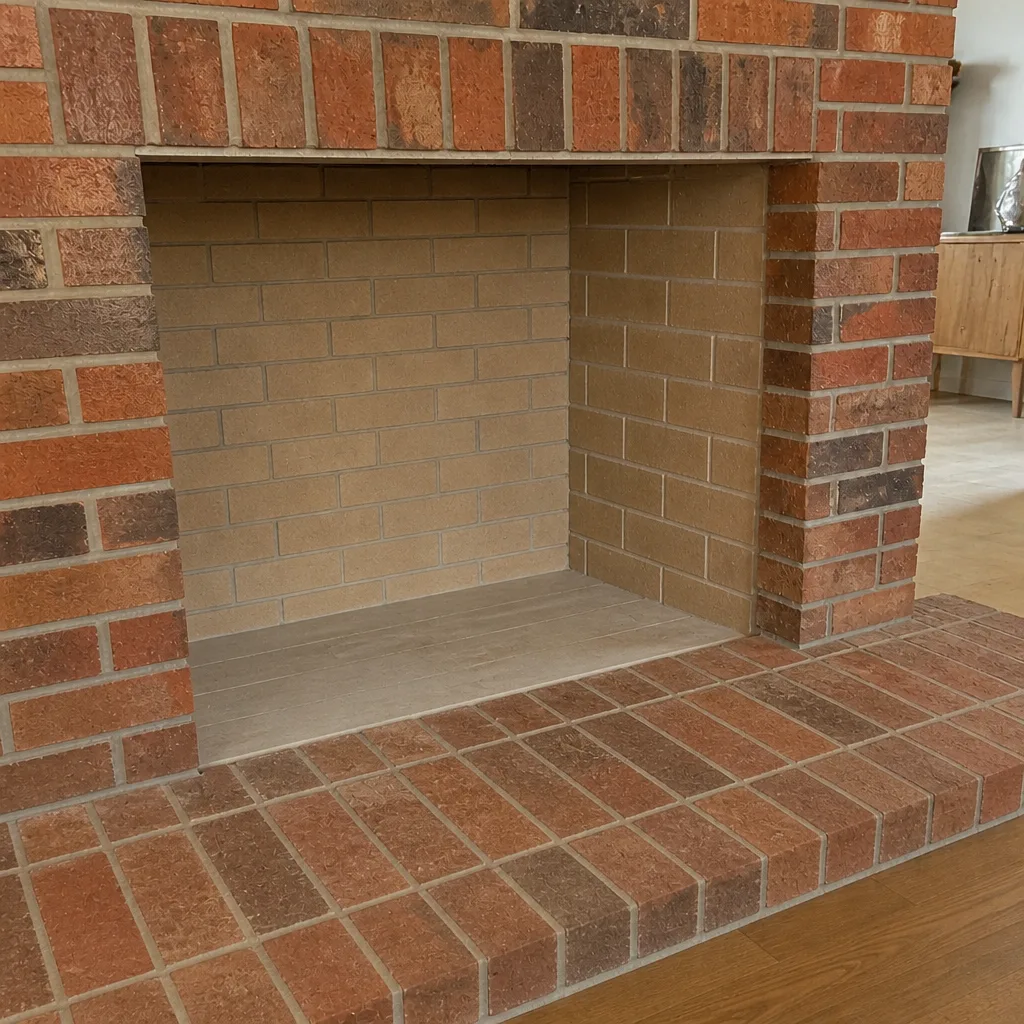
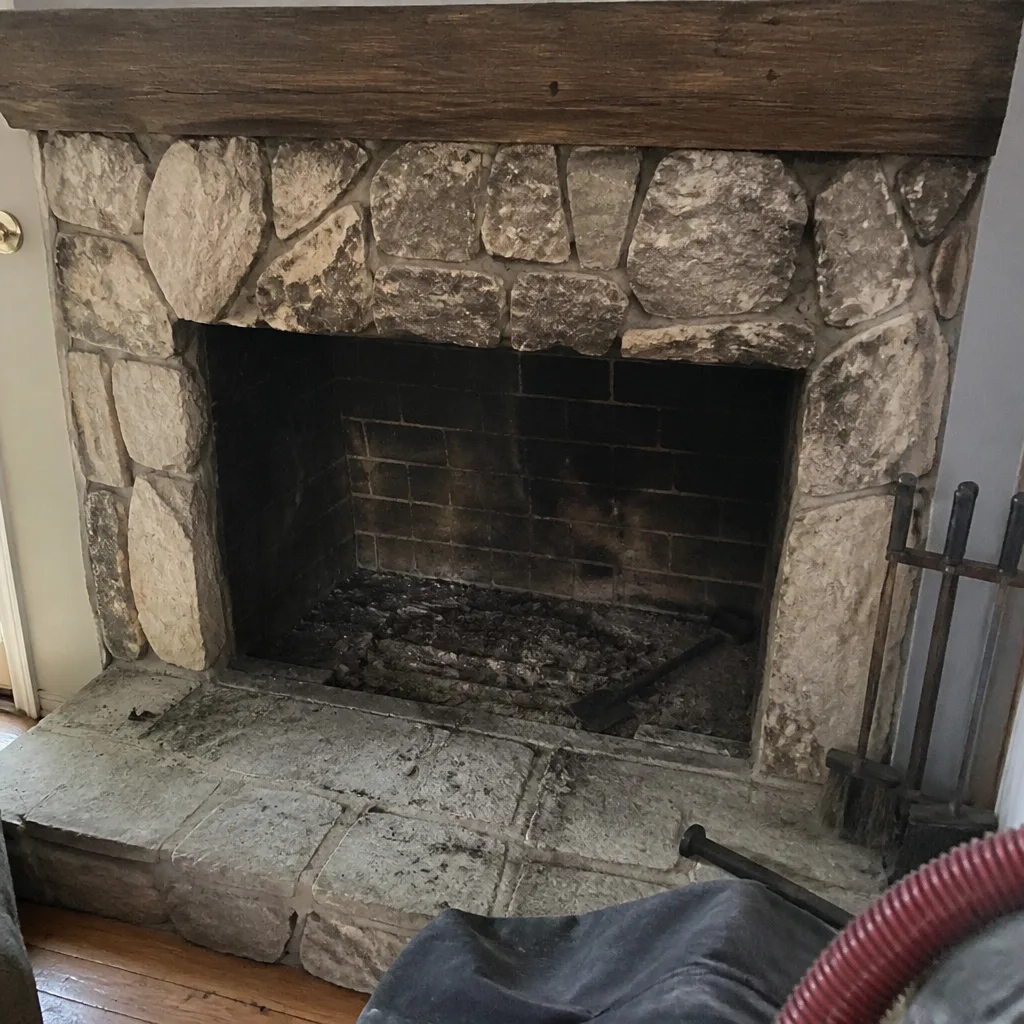
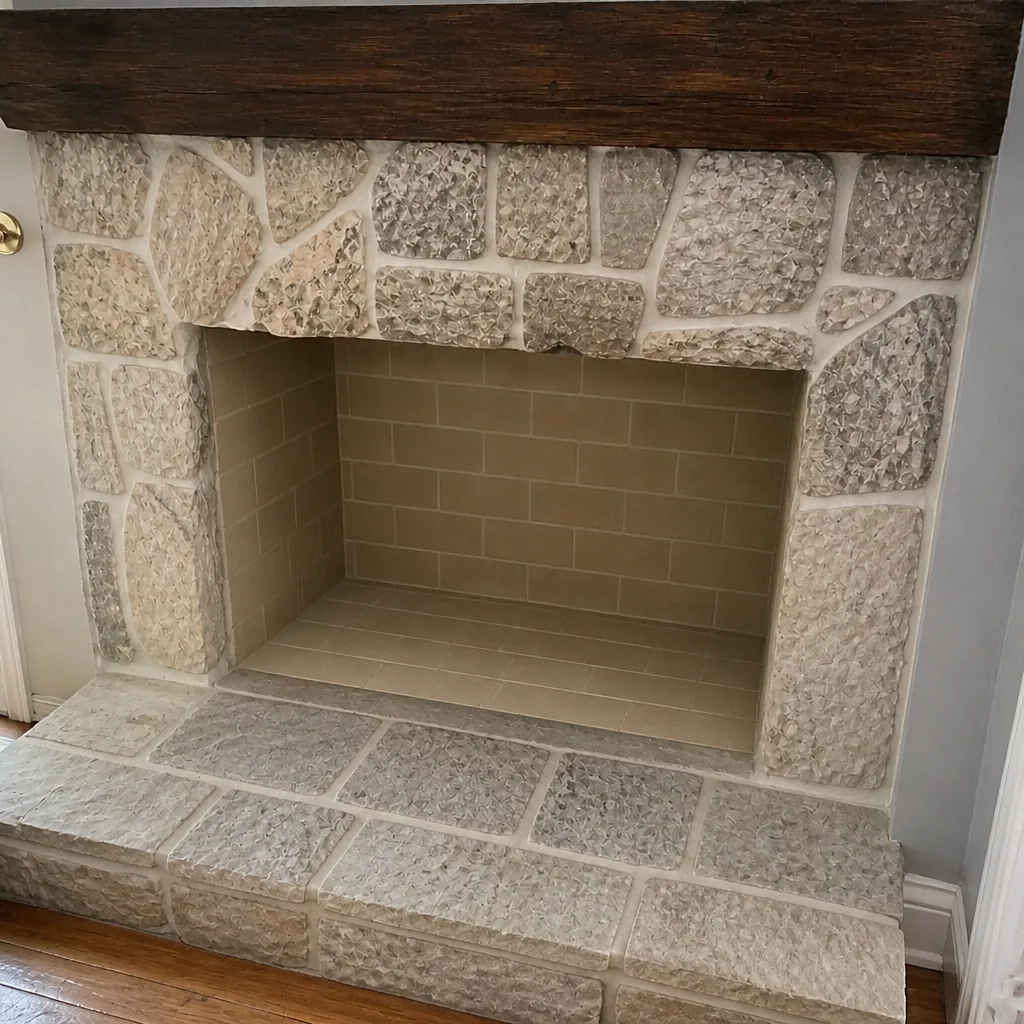
See the difference
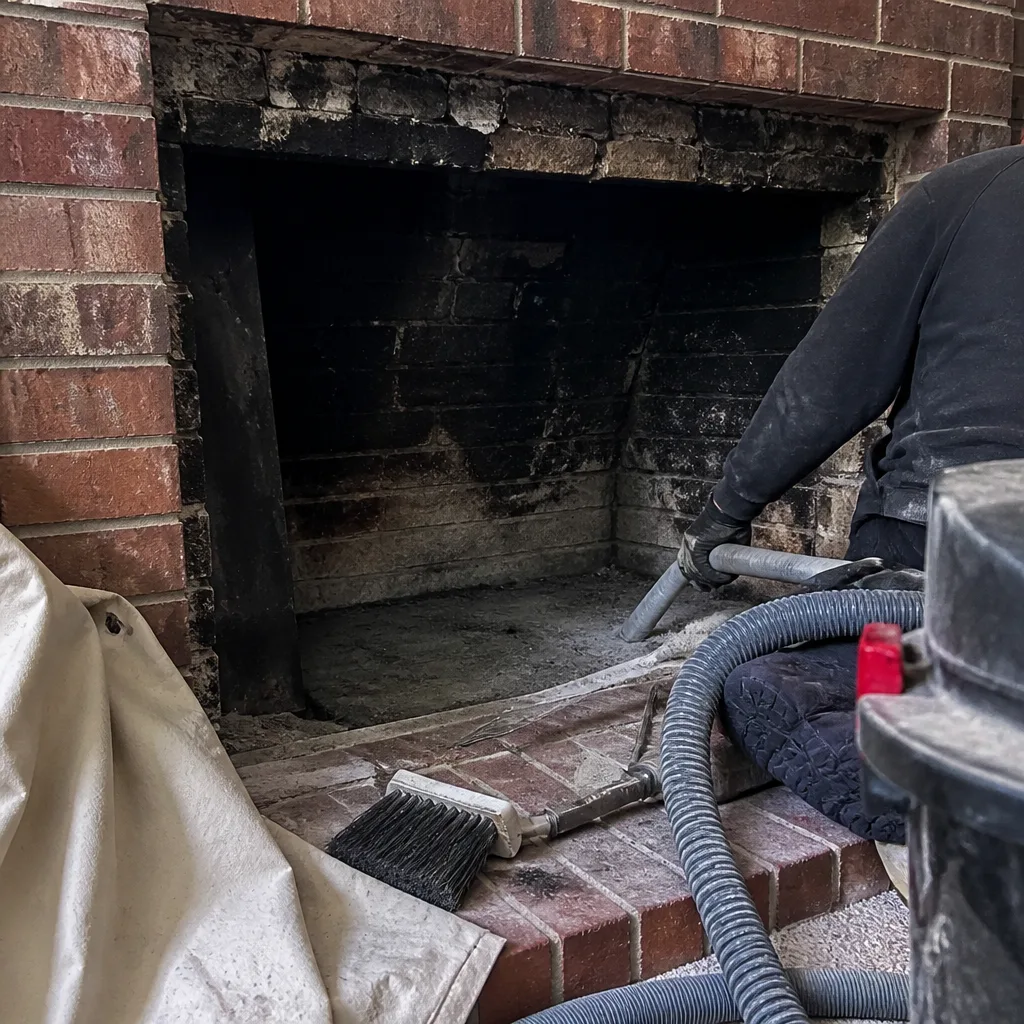 Before
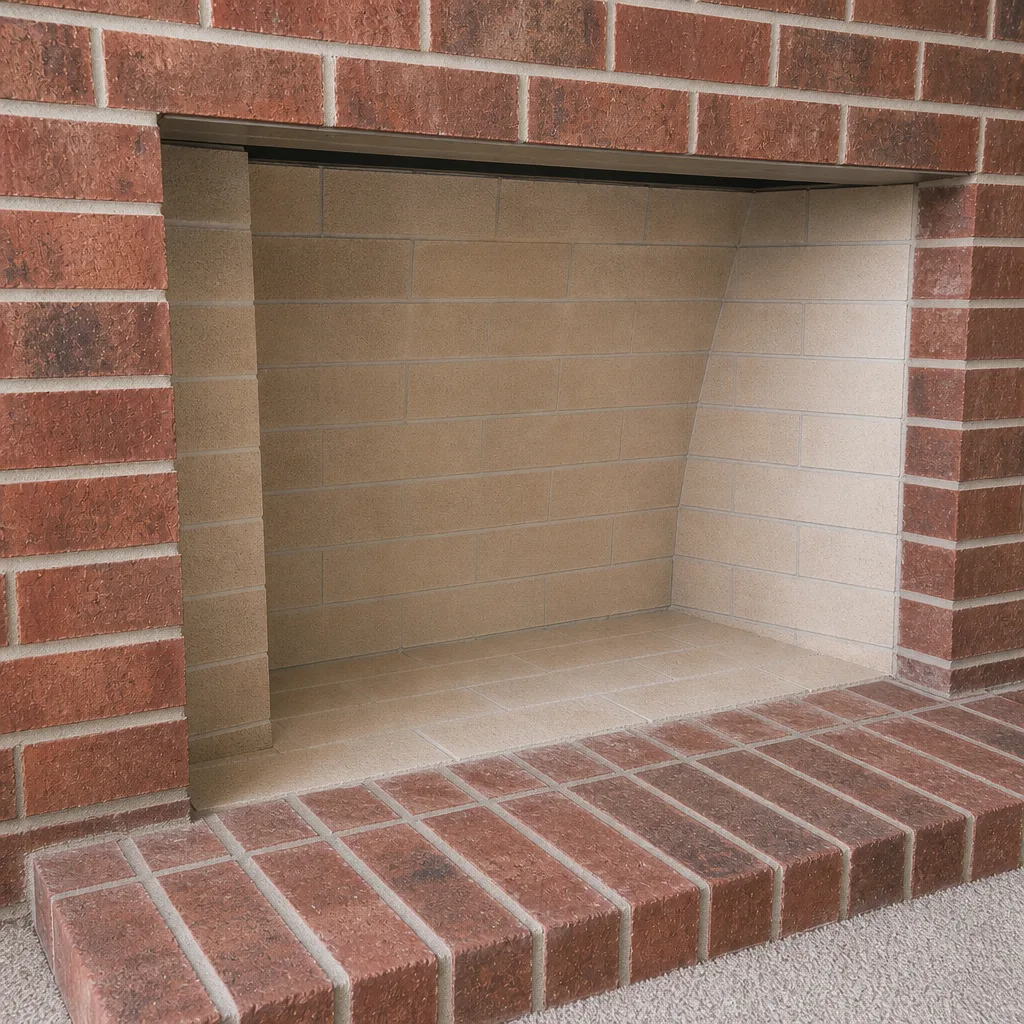 After
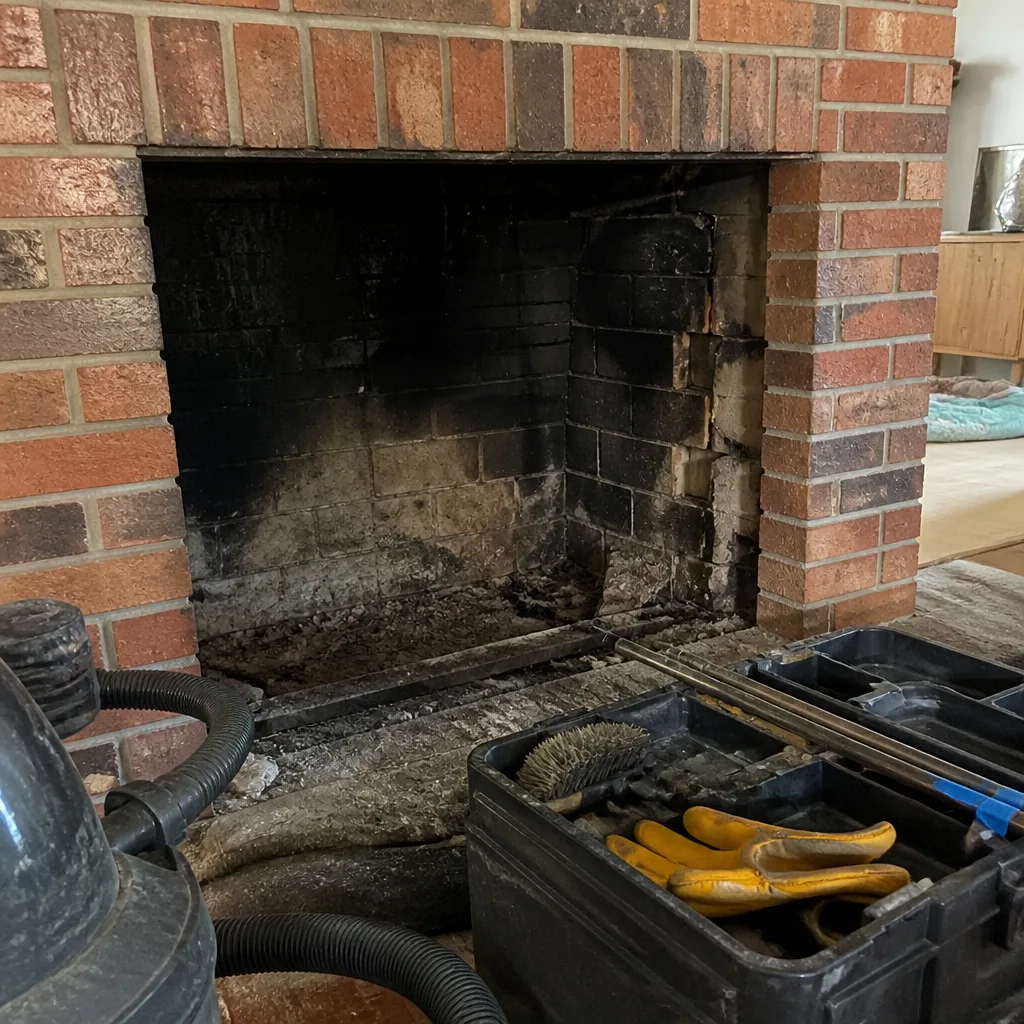 Before
 After
 Before
 After
When to Call a Professional
Call a professional when you find any red-flag condition on the stop-use list, or when the checklist turns up something you can’t safely assess, such as a liner issue, a hidden flashing leak, or a structural concern with the stack. Call too if it’s been more than a year since the last sweep, or if you’ve burned roughly a cord of wood since the last visit. Roof and liner work carry real injury risk, and the camera and probe work requires equipment most homeowners don’t have.
Chimney Sweep Sparks offers free estimates in Sparks – call (855) 360-7181. We answer 24/7. Fast dispatch from 7am to 7pm, Sunday through Friday, and we’re closed Saturday. We carry professional-grade materials, including Gelco chimney caps and Famco liners, and we handle the sweep, the repair, and the inspection so one visit covers the whole system. A camera inspection and photo report is included, so you see the evidence before any work is recommended.
Frequently Asked Questions
Sweep a Sparks chimney at least once a year, and more often if you burn frequently or notice creosote buildup. The quarter-inch rule applies: when the creosote layer reaches a quarter inch, it’s time to sweep. For most homes that means one annual visit before the heating season, timed so you’re not caught mid-winter. Call (855) 360-7181, and we’ll get you on the schedule before the cold arrives.
You can safely do visual checks of the cap, crown, flashing, firebox, and damper. Anything that needs the inside of the flue looked at, the smoke chamber inspected, or the roof gotten close to is a professional job. A camera inspection covers the liner and chamber, and it’s the part of the checklist most likely to catch a real problem. Call us at (855) 360-7181 for a camera inspection and photo report.
The cap matters here because Sparks wind carries grit, branches, and roof debris that damage caps faster than a sheltered climate would. A damaged cap lets wildlife, wind-driven debris, and rain into the flue, and each of those causes its own downstream problem. Check the mesh and the mount, not just whether the cap is still attached. Call (855) 360-7181 if you’re unsure what you’re looking at.
Creosote builds up inside the flue and smoke chamber, and it’s the fuel for a chimney fire. A blocked or compromised flue also affects draft, which can push carbon monoxide back into the room. A skipped sweep is a system that gets harder and more expensive to fix the longer it’s left. Call (855) 360-7181 to schedule before the season.
A new liner is needed when the existing liner is cracked, has gaps between tiles, or has deteriorated mortar joints that let gases escape into the framing. You shouldn’t have to take that on faith. Ask to see the camera images of your own flue, which is exactly what our photo report provides before any repair is recommended. If the liner is sound, we’ll tell you it can wait. Call (855) 360-7181 with questions.
The sweep is priced per job by the written estimate, and estimates are free. A standard visit covers the sweep, a camera inspection with a photo report, and a check of the zones in this checklist. If repair is needed, you’ll see the evidence and get a written price before any work starts. Call (855) 360-7181 for an exact quote.
The Bottom Line
A chimney maintenance checklist for Sparks works when it’s built around what actually fails here: wind-damaged caps, freeze-thaw crown cracks, and dust and creosote in the smoke chamber. The six zones – cap, crown, flashing, liner, smoke chamber, firebox – cover the whole system, and the split between DIY visual checks and camera work tells you where to stop and call. Red flags like liner damage or smoke in the room mean stop burning. Everything else can be scheduled. Document your findings each year, and slow deterioration gets caught before it gets structural. We handle the sweep, repair, and inspection and show you the evidence. Call (855) 360-7181 to book.
Chimney Sweep Sparks provides sweeping, repair, and inspection for homes across Sparks. Our technicians have up to 10 years of experience, and we source professional-grade materials including Gelco, Olympia Chimney, Famco, and Copperfield. For more on our full range of work, visit Chimney Sweep Sparks and see what we cover in Sparks.
Written by the team at Chimney Sweep Sparks.