
Last updated November 15, 2026
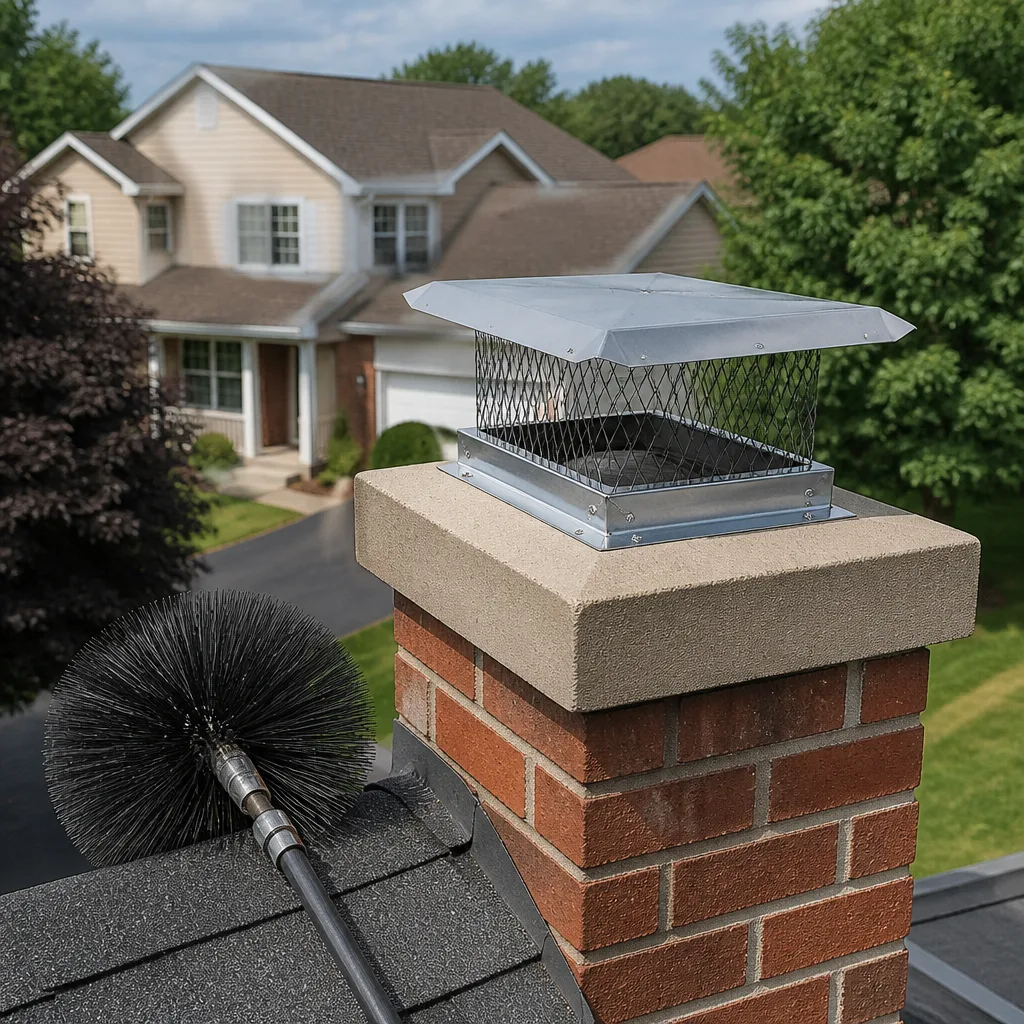 Sweep & inspection
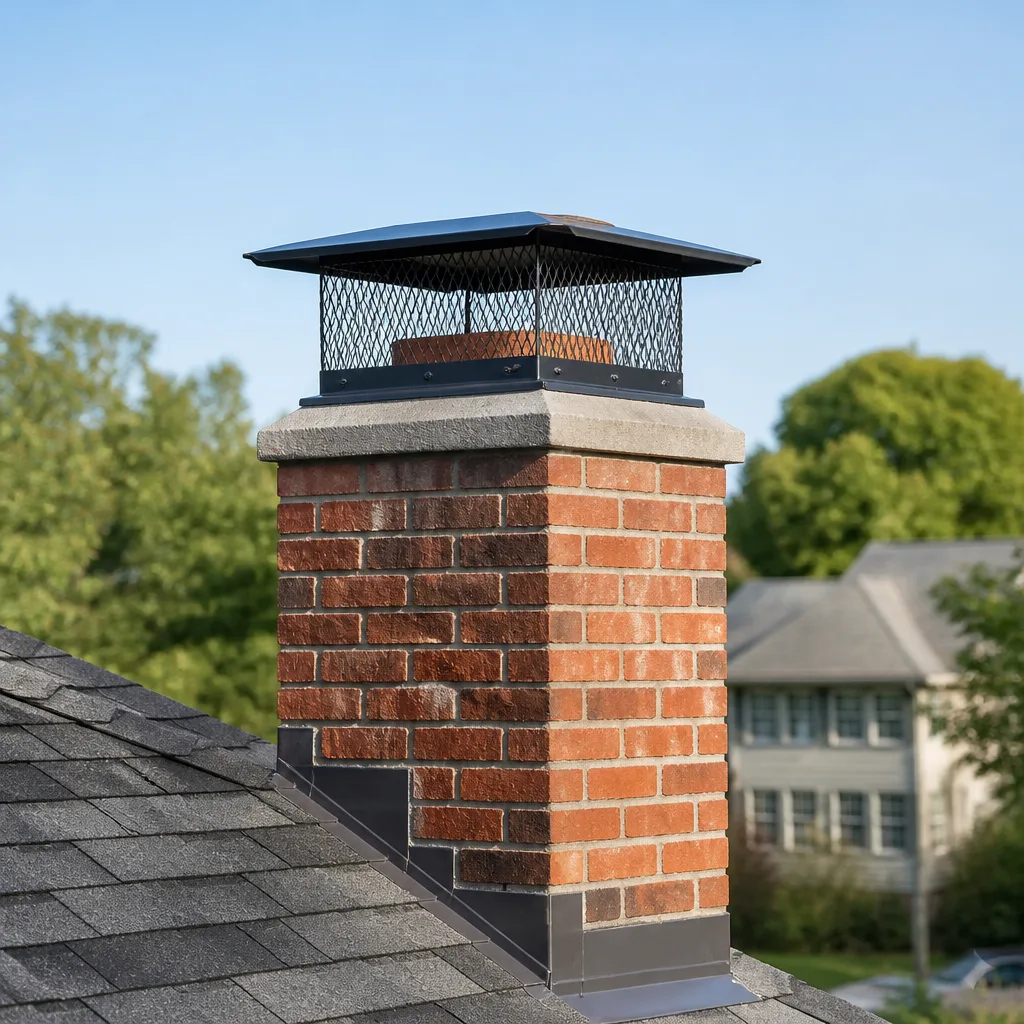 Caps & crowns
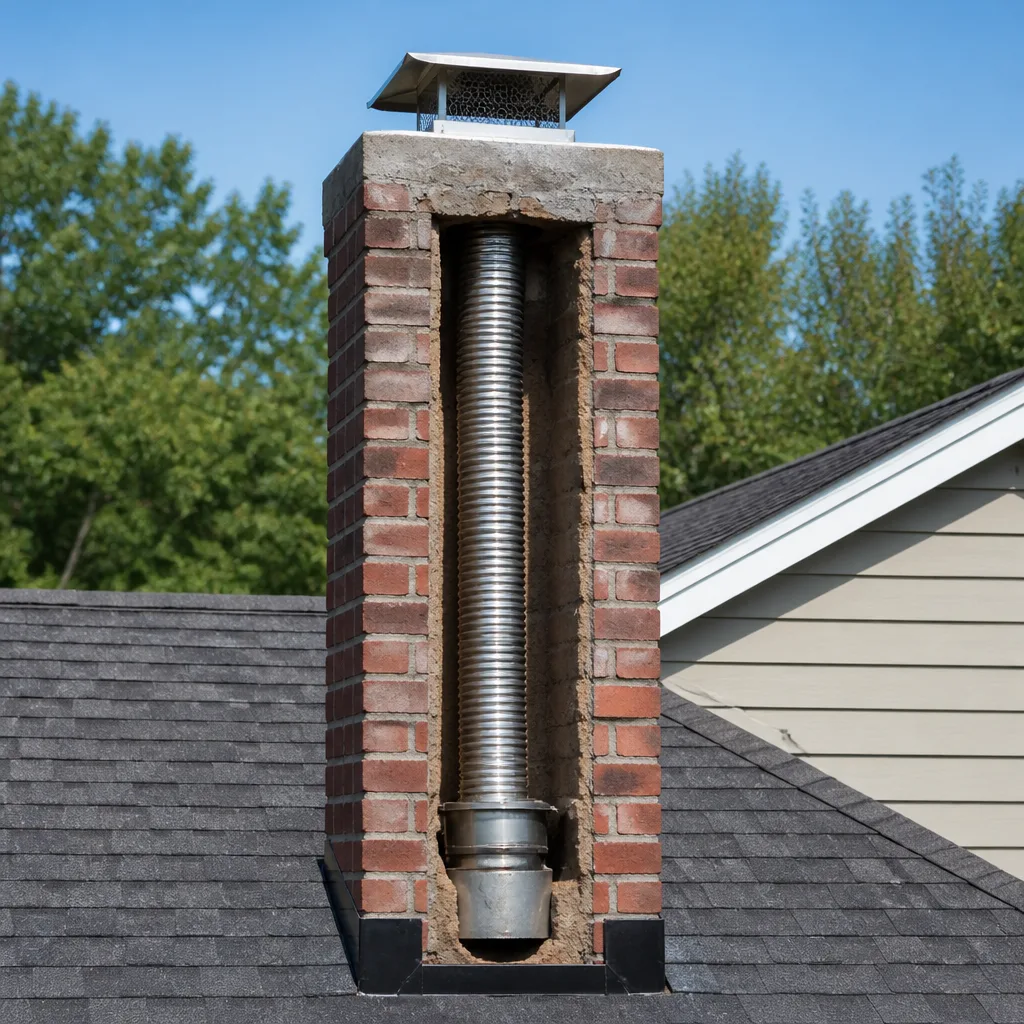 Flue relining
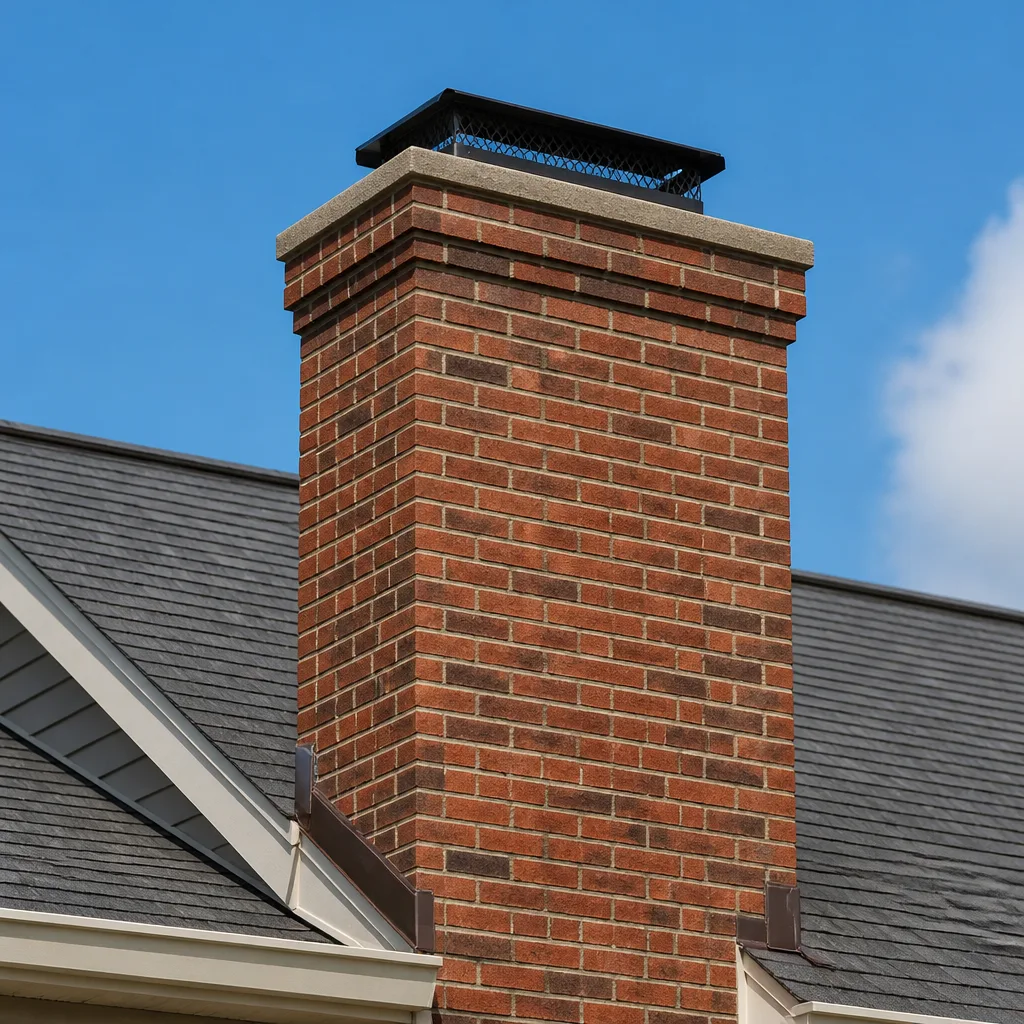 Masonry repair
 Gas fireplace service
Level 1 sweep and inspection to the NFPA 211 annual standard - flue, crown, cap, and flashing checked and photographed
Chimney sweep logs do not sweep chimneys. They loosen some creosote - which then falls where a brush and vacuum still have to collect it.
Chimney Sweep Maintenance Schedule: What to Do and When
Most chimney advice stops at “sweep it once a year.” That’s a reasonable floor, and it comes from real code language: NFPA 211 calls for an annual inspection of every chimney, fireplace and vent. But annual inspection isn’t the same as an annual sweep, and neither one is a full maintenance calendar. A household burning a cord of seasoned hardwood a season and a household running a gas insert a few evenings a week have very different chimneys, even if they sit on the same block. Our technicians have up to 10 years of experience, and the pattern they see most often is homeowners following a generic rule while their actual appliance, fuel and liner tell a different story. This guide lays out a month-by-month schedule built around what you burn, how much, and what your chimney is made of. We’ll also show you where Chimney Sweep Sparks fits in and what you can safely handle yourself.
Quick Answer
Inspect your chimney once a year and sweep it based on use: roughly every cord of wood burned, or at least once a year for anyone who lights fires regularly. Gas appliances still need an annual inspection even though they produce little visible soot. The best time to book a pre-season inspection is late summer, before the first cold snap, and a post-season structural check after the last hard freeze catches damage the heating season left behind. For an exact timeline matched to your appliance and liner, call (855) 360-7181 – estimates are free.
Styles & brands we work with
- Sweep & inspection
- Caps & crowns
- Flue relining
- Masonry repair
- Gas fireplace service
Table of Contents
- Why an Annual Sweep Is the Floor, Not the Ceiling
- The Four Variables That Set Your Real Schedule
- Wood-Burning Frequency: Cords, Creosote, and Mid-Season Sweeps
- Gas and Pellet Appliances: The Maintenance People Skip
- Month-by-Month: What You Do vs. What We Do
- Pre-Winter vs. Post-Season: Two Different Checks
- Building a Service History That Surfaces Problems Early
- Common Mistakes to Avoid
- When to Call a Professional
Why an Annual Sweep Is the Floor, Not the Ceiling
The one-sweep-a-year rule is easy to remember, which is exactly why it gets repeated everywhere. It’s also the reason so many homeowners are surprised when a mid-season inspection turns up heavy glaze, a cracked tile, or a blockage they had no idea was there. An annual sweep is the minimum standard of care. It’s not a maintenance plan tuned to your house.
Here’s the distinction that matters. NFPA 211 asks for an annual inspection of chimneys, fireplaces and vents. It doesn’t say every chimney must be swept every year regardless of use. A chimney that saw three fires all winter may not need sweeping at all. A chimney that runs a wood stove hard from October through March may need attention more than once. The annual rule protects the person who forgets the chimney exists; it doesn’t automatically match the person who burns steadily and keeps records.
The variables that move your timeline are fuel type, burn volume, appliance design and the chimney’s construction. A masonry chimney with a clay tile liner from the 1980s behaves differently from a modern factory-built unit with a stainless liner. An open fireplace draws and cools differently than a sealed wood insert, which sends less heat up the flue and deposits creosote at a different rate.
Where Chimney Sweep Sparks comes in is the assessment. We sweep, inspect and repair, so the same visit that cleans the flue can tell you what the cleaning revealed: liner condition, deposit type, draft behavior, cap and crown condition. That’s the chimney repair side of the visit, and it’s why a sweep-and-inspect done by one company tells a more complete story than a sweep alone.
The Four Variables That Set Your Real Schedule
When a homeowner asks how often their chimney needs service, the honest answer starts with four questions. Get clear on these and the schedule writes itself.
- Fuel type. Wood produces creosote and ash. Gas produces moisture and small amounts of acidic condensate. Pellet appliances produce fine ash. Each leaves a different signature in the flue and needs a different inspection focus.
- Burn volume. Count cords per season, not fires per week. A cord is a lot of wood, and volume is the reliable predictor of how fast deposits accumulate.
- Appliance type. An open masonry fireplace, a sealed insert, a freestanding wood stove and a gas insert each change how heat and exhaust move through the chimney.
- Construction and liner material. Clay tile, stainless steel, cast-in-place ceramic and bare masonry all age at different rates. In older Sparks homes, we often find original clay tile liners with joint gaps or spalling, which changes the priority from cleaning to inspection depth.
Season your wood before you burn it. Wood that hasn’t dried properly burns cool and smolders, and cool smoldering fires are the ones that lay down sticky creosote fast. The default advice, dry wood and hot fires, matters more than any single sweep interval. It’s also the single biggest variable you control.
Wood-Burning Frequency: Cords, Creosote, and Mid-Season Sweeps
Creosote accumulates in proportion to how much wood you burn and how completely it burns, so cord count is the cleanest number to anchor your schedule to. For homeowners burning wood as a supplement to other heat, once per season is usually right. For households that lean on wood heat through northern Nevada winters, the timeline tightens.
- Under one cord per season: one annual sweep after the heating season, plus a fall inspection before the first fire.
- One to three cords: annual sweep in the shoulder season, and a visual check of the firebox and flue during the coldest stretch to catch buildup early.
- Three or more cords: plan on a sweep at the start of the season and a mid-season sweep. When you’re running a fire most days, deposits can build to a level worth removing before spring.
Creosote comes in three forms: soot, which is light and brushes away easily; flaky crust that flakes and clogs; and glazed creosote, which is hard, shiny and stubborn. Glazed creosote is the dangerous one because it ignites readily and doesn’t brush off. It can signal a draft problem, wet wood, or a flue that’s cooling exhaust more than it should. In that case, cleaning alone doesn’t solve it. It often calls for a professional-grade resurfacing product like HeatShield to restore the flue’s interior surface, or in more serious cases a liner replacement with a system like DuraFlex. If you’ve seen thick black glaze in the flue, that’s a call-us situation, not a wire-brush-it-yourself one.
Our experience in Sparks is that the reverse is also common. When a chimney sits unused for a season, deposits dry and flake, and flaking creosote can fall and clog a flue or drop into the firebox. Skipping a season is fine for many homes, but skipping the fall inspection never is.
Gas and Pellet Appliances: The Maintenance People Skip
“Gas is clean” is the most expensive misconception in chimney care. Gas appliances do produce far less visible soot than wood, which is why many homeowners skip them for years. What they do produce is water vapor and mild acidic condensate, and over time that condensate attacks metal liners, vents and connections.
A gas insert or direct-vent gas fireplace still needs annual inspection. What the inspection looks for is different from a wood-burning sweep:
- Corrosion or pitting on the vent and liner
- Blocked or displaced vent terminations, often from birds or debris
- Liner connections and seals
- Combustion behavior and draft, which tell you whether the appliance is venting safely
Pellet stoves fall in between. They produce fine ash and need a deeper cleaning than a quick brush. Ash builds in the vent and in the exhaust passages, and a clogged vent on a pellet appliance can push exhaust back into the room. An annual cleaning is the floor here, plus a check of the vent system. Whether your system is masonry or a factory-built unit, our chimney sweep service covers gas and pellet venting as well as wood, so the inspection is matched to the appliance rather than assumed.
The reason this matters for Sparks homes in particular is what we find on inspection: gas appliances that haven’t been looked at in years, with liners that have thinned enough that they need attention. A simple inspection catches it before it becomes a safety problem. It’s cheap insurance compared to a vent replacement.
Month-by-Month: What You Do vs. What We Do
The practical calendar is easiest to follow when you know which tasks belong to you and which belong to a certified sweep. Here’s how we’d map it to a typical northern Nevada heating season.
Late Summer: Pre-Season Inspection
Book a pre-season inspection and sweep. This is the one visit that gets you ready for the season. We inspect the chimney and flue, sweep what needs it, check the cap and crown, and give you a written record of what we found. Anything you need to fix shows up here, which means it can be handled before the first fire and not on the day of it. Late summer is the best window because work gets done ahead of the rush of first-cold-snap bookings.
Fall: First Fires and Your Own Checks
This month belongs to you. Make sure your smoke and carbon monoxide detectors are working, confirm the damper opens freely, and burn a few small fires to check that draft is normal and smoke isn’t backing into the room. Look up at the cap from the ground. If you see anything odd, call us.
Winter: The Mid-Season Check
If you burn more than a couple of cords, or run fires most days, this is when a mid-season sweep or check earns its keep. It’s also when you learn how your chimney is actually behaving under load. Glazed creosote and draft problems show up most clearly in the middle of the heating season.
Late Winter and Spring: Post-Season Structural Check
After the last hard freeze, book the post-season visit. Freeze-and-thaw over the winter stresses masonry, the crown and the flue joints, and this check catches the damage the heating season caused. It’s also the easiest time to plan repairs, since the chimney sits idle for months.
Summer: Repairs and Planning
Summer is your repair window. If the post-season check found a cracked crown, missing cap or liner problem, getting it done before fall is the calm way to handle it. Neither overnight nor day-of urgency, just a plan. That’s the time to line up your next pre-season sweep.
Across the whole calendar, our job is to inspect, sweep, document and repair. Your job is to burn dry wood, keep an eye out between visits, and call when something changes. In our experience, that shared rhythm is what prevents the “surprise repair” every heating season.
Pre-Winter vs. Post-Season: Two Different Checks
An annual visit done at the start of the season and one done at the end are not the same job, and treating them as interchangeable is one of the most common scheduling errors we see in Sparks. The pre-winter visit is a readiness check. The post-season visit is a condition check. Each finds different things.
The pre-winter inspection looks for what would stop you from lighting a safe fire: a blocked flue, a damaged cap, a bad liner joint, a failing damper, a nest in the flue. It’s a functional check. The goal is to find the problem before the first fire, not while smoke is filling the room. The sweep portion removes deposits so the fire burns clean and the flue drafts properly.
The post-season check is structural. It asks how the chimney weathered the winter. Northern Nevada’s freeze-and-thaw cycles work on masonry, crowns and mortar joints, and small cracks that open in late winter usually don’t close themselves by spring. The post-season visit catches the wear the season caused, and it’s when structural repairs and liner work are best planned. Not urgent, but active, so the fix is done before next fall.
We treat both visits as part of one annual cycle in Sparks. The pre-season visit sets the season up, and the post-season visit tells you what the season used up. Together they build the maintenance record that a single yearly sweep never can.
Building a Service History That Surfaces Problems Early
Chimneys degrade slowly, and the homeowners who spot problems earliest are almost always the ones who kept records. A service history turns a stack of visits into a pattern you can read. It’s also the single most useful thing you can hand a technician at the start of every visit.
Keep it simple. A small notebook, a folder of invoices, or a notes file works fine. Track these items:
- Date of every sweep and inspection
- Who performed it and what they found
- Cords of wood burned and the wood type
- Any repairs made, with the product or material used
- Corrosion, cracking or deposit changes noted over time
- Photos of the flue or firebox, if you took them
Why it works: a single report tells you the chimney’s state. A sequence tells you its trend. If corrosion on a gas liner is barely visible one year and clearly thinning the next, the pattern across two reports is what flags it. If a clay tile liner has one small hairline crack one year and a widening crack the next, the history is what makes it visible as a trend instead of a single finding.
Chimney Sweep Sparks builds this into every visit. Our reports are written to sit in a file and be compared against the last one, so when you call for your next sweep, we start from what was found last time. When a repair is needed, it comes from evidence on that record, not a guess. If you have records from an earlier sweep service, bring them out. They’re worth more than you think, and we’ll read them.
Common Mistakes to Avoid
- Treating “annual” as “annual sweep” no matter the use. The annual requirement is an inspection. Sweep frequency should follow your cord count. A household burning one cord a season and one running three cords a season get the same advice from most checklists, and only one of them is right.
- Skipping the gas and pellet systems. “Gas is clean” is a common assumption, but gas vents corrode and pellet vents clog. Annual inspection of both catches the problems a wood-only schedule never would.
- Burning unseasoned wood. Wet wood burns cool and produces more creosote per cord, which quietly moves your next sweep forward. Buy seasoned wood and store it covered and off the ground.
- Waiting for the first cold snap to book. The busiest window in any heating season is the first cold week. Booking late summer keeps your repairs on your timeline instead of the calendar’s.
- Ignoring the crown and cap. Cracks in the crown and missing or damaged caps let water and animals in. They’re easy to miss from the ground and easy to catch on a pre-season inspection.
- Cleaning glazed creosote with a wire brush. Glazed creosote doesn’t brush off, and heavy buildup is not something to fight by hand. It needs a professional assessment, sometimes flue resurfacing or a liner service.
- Never writing anything down. A chimney that’s been in the house for decades without records is a mystery every visit. Ten minutes of notes per year turns that mystery into a trend line.
When to Call a Professional
Call us if you’ve never had the chimney inspected, if it’s been more than a year, or if you can’t remember the last time it was looked at. Call if you smell smoke in the house when there’s no fire, if smoke rolls into the room when you light one, or if a fire is slow to draw or occasionally won’t draw at all. Call if you see glaze or heavy crust in the flue, if there’s a visible crack or missing tile in the firebox or liner, or if water is coming in. Any of those is evidence a trained technician should see.
Any repair or sweep job is quoted per job by a written estimate, and estimates are free. Chimney Sweep Sparks offers a full range of chimney care in Sparks – sweep, repair and inspection handled by the same crew – so there’s no coordinating separate contractors to solve one problem. Call (855) 360-7181 to get on the schedule. We answer 24/7. Fast dispatch from 7am to 7pm, Sunday through Friday. Ready to schedule your inspection? Call (855) 360-7181.
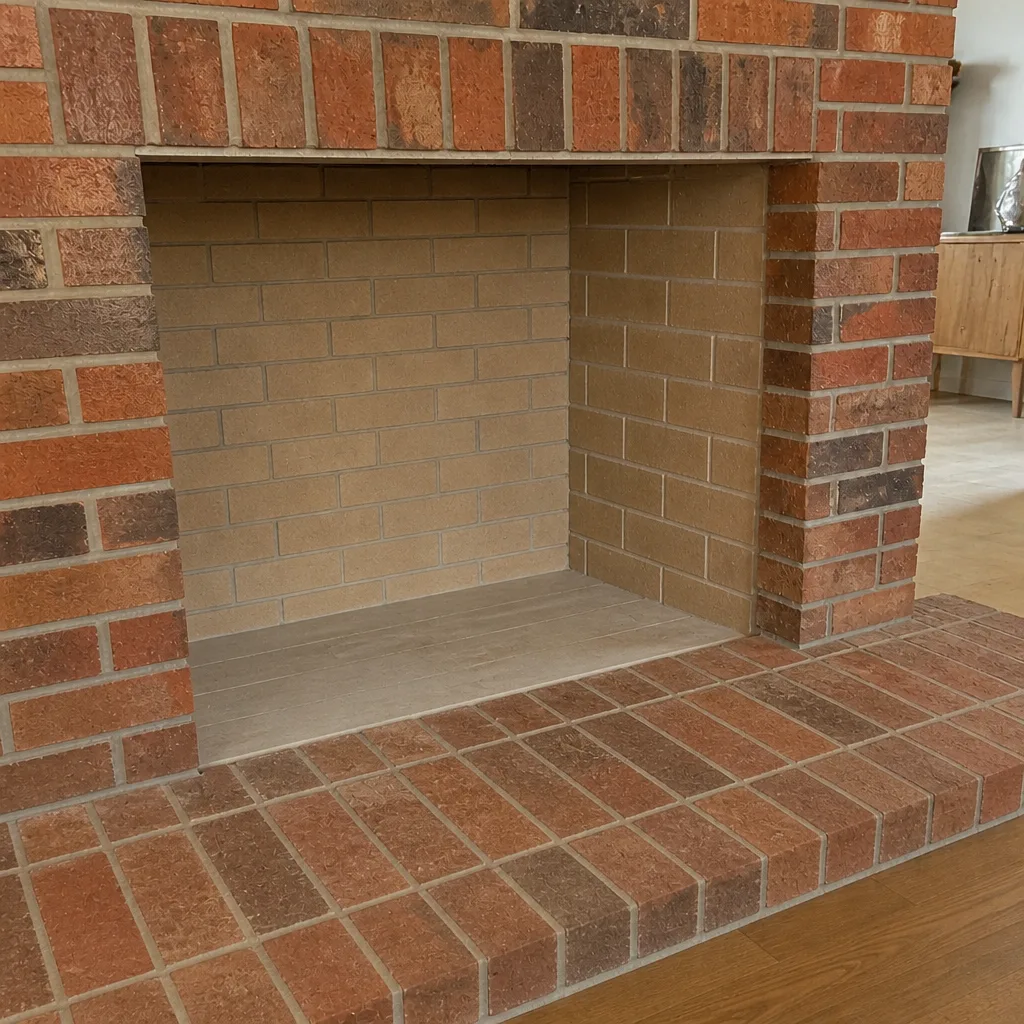
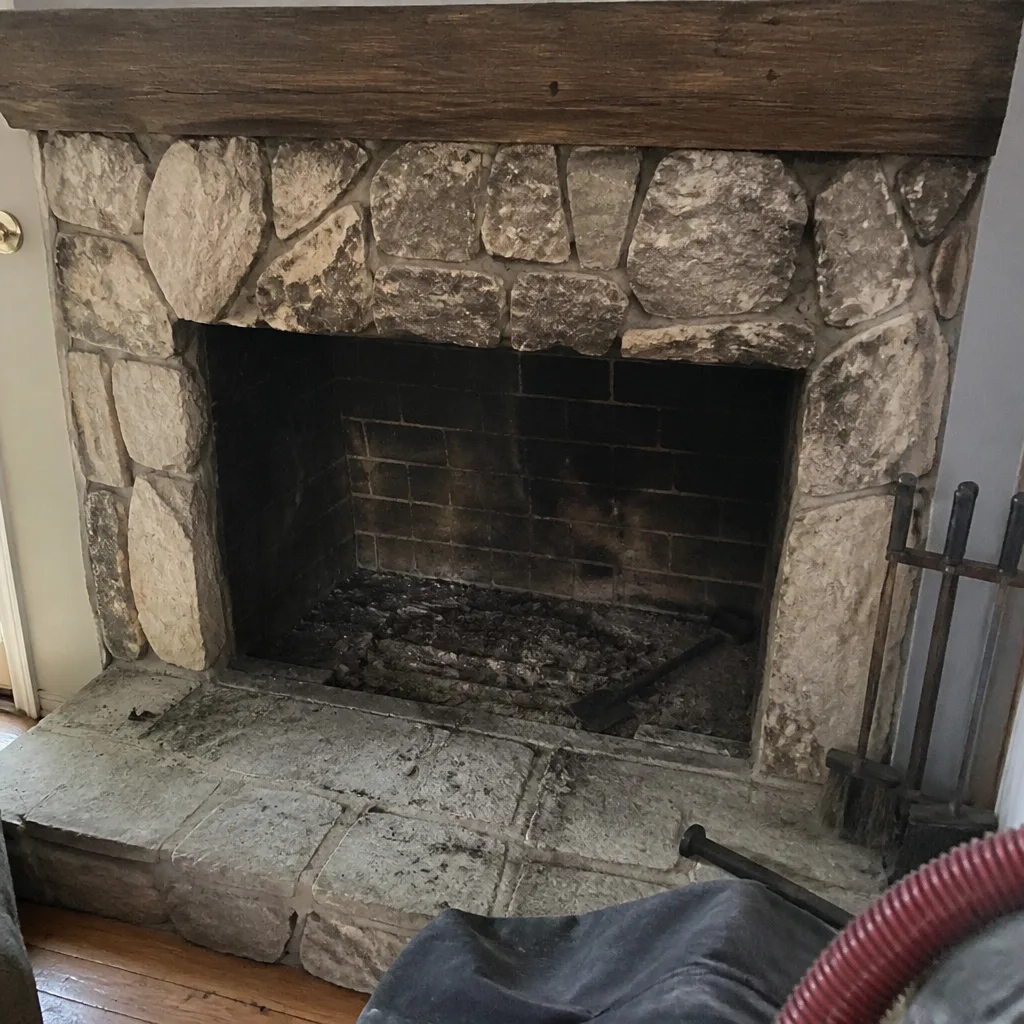
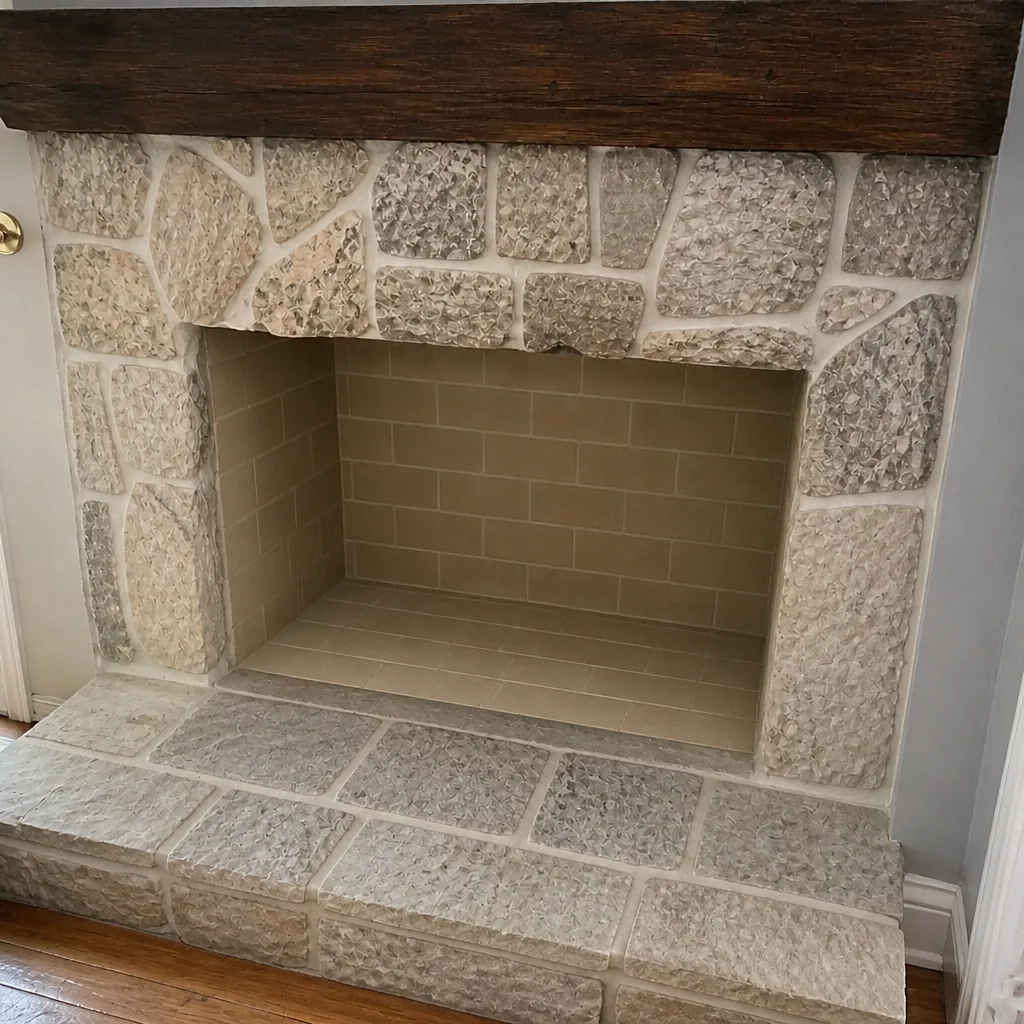
See the difference
 Before
 After
 Before
 After
 Before
 After
Frequently Asked Questions
Sweep based on use: about once per cord of wood burned, and at least once a year for anyone who burns regularly. NFPA 211 requires an annual inspection of every chimney, fireplace and vent, which may or may not include a sweep depending on what the inspection finds. For a home using wood as a main heat source, plan on a pre-season and a mid-season sweep. Call (855) 360-7181 for an exact quote – estimates are free.
Yes. Gas appliances produce less visible soot but still produce moisture and mild acidic condensate that can corrode liners over time, and vent terminations can be blocked by birds or debris. An annual inspection of the vent and liner is the right schedule. For a gas insert in Sparks, we check the vent and liner on the same visit as other chimney services. Call (855) 360-7181 for an exact quote – estimates are free.
Late summer is the best window. A pre-season inspection and sweep in late summer gets the chimney ready before the first cold snap and leaves time to handle any repair without the pressure of a cold house. A second, post-season check after the last hard freeze catches the wear the winter caused. Call (855) 360-7181 for an exact quote – estimates are free.
Smoke rolling into the room, a strong smoke smell indoors with no fire lit, visible cracks in the firebox or liner, glaze on the flue walls, or water entry are all reasons to call. Do not light a fire if you see any of them. Call (855) 360-7181 and we’ll look at it and tell you what we see.
You can handle basic cleaning tasks with the right brushes and rods, but an annual inspection is a different job and is worth having done by a trained technician. An inspection checks liner condition, draft, cap and crown, and it catches things a brush alone can’t. If your flue shows glaze or significant buildup, leave it to a professional. Call (855) 360-7181 for an exact quote – estimates are free.
We check the firebox, flue and liner, the cap and crown, the damper, and the draft, and we document findings on a written report. Where repairs are needed, we use professional-grade materials like DuraFlex and HeatShield to restore or resurface the flue rather than patch around the problem. We’ll tell you when a repair can safely wait. Call (855) 360-7181 for an exact quote – estimates are free.
The Bottom Line
Chimney maintenance isn’t one annual task, it’s a calendar built around your fuel, your use and your chimney’s construction. Annual inspection is the floor. Sweeping follows cord count, with a mid-season sweep for heavy burners. Gas and pellet appliances need their own annual inspection because corrosion and blockages don’t announce themselves. The pre-season visit gets you ready; the post-season visit tells you what winter cost you. Keep a simple record, and the pattern across visits will tell you when something needs attention before it becomes a problem. For a schedule matched to your chimney, Chimney Sweep Sparks can help. Call (855) 360-7181 for a free estimate.
Our technicians have up to 10 years of experience, and we handle sweep, repair and inspection for the full life of your chimney. To see how we work, start with Chimney Sweep Sparks, and if you’re in the area, visit our Sparks page for local service details.
Written by the team at Chimney Sweep Sparks.