
Last updated November 15, 2026
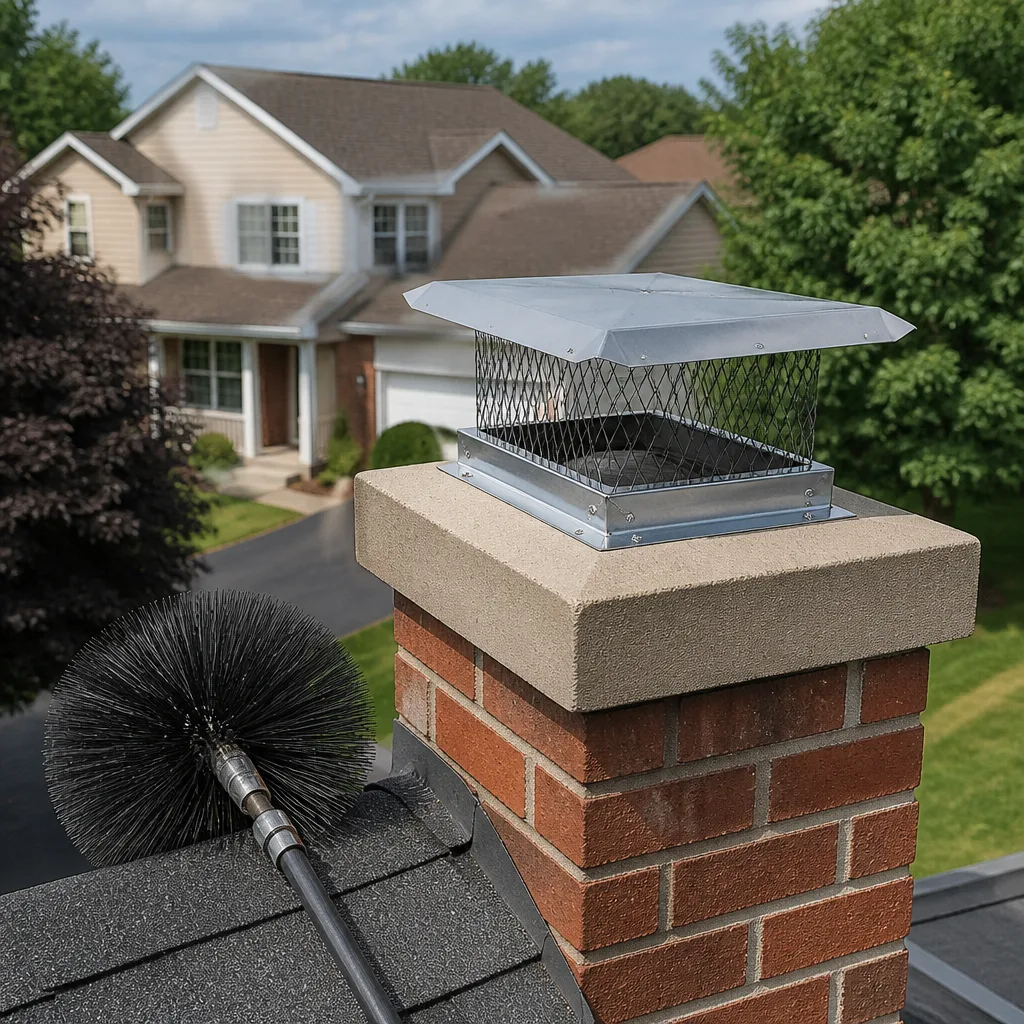 Sweep & inspection
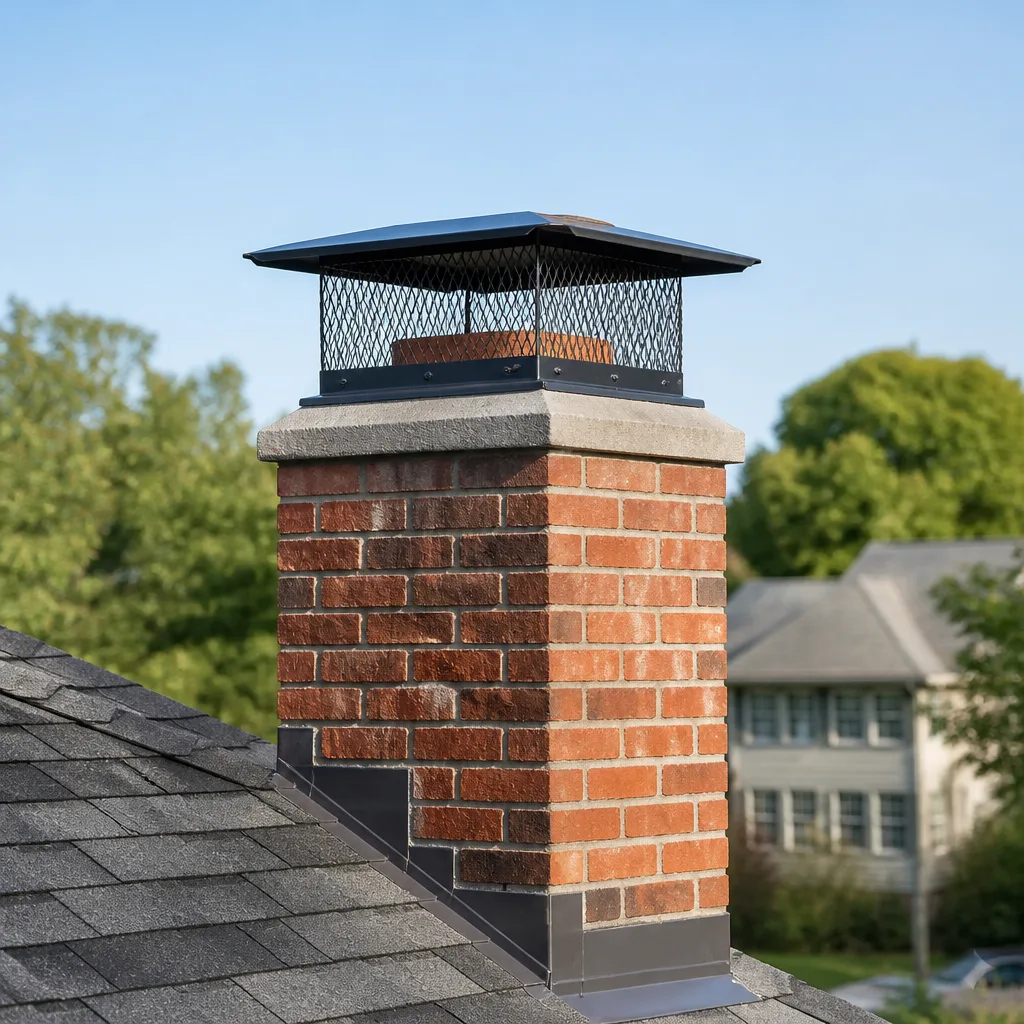 Caps & crowns
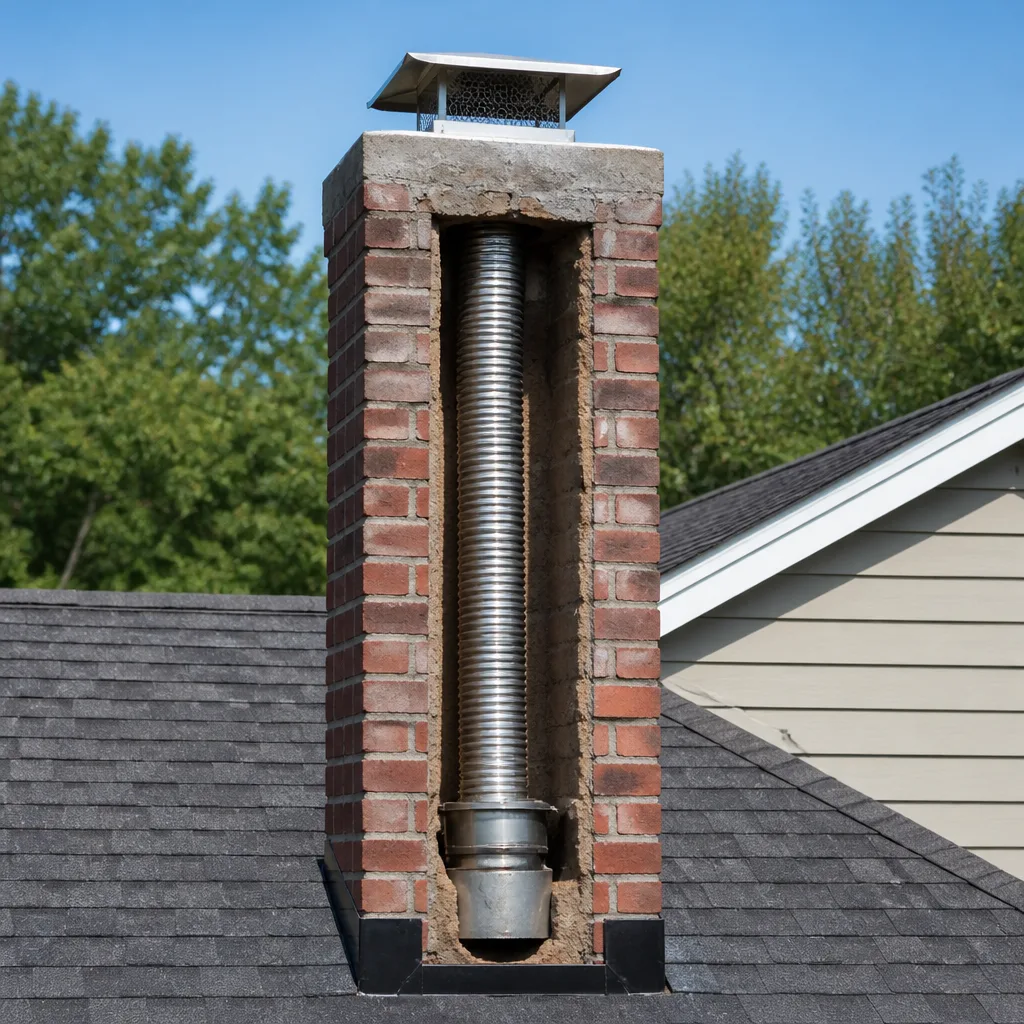 Flue relining
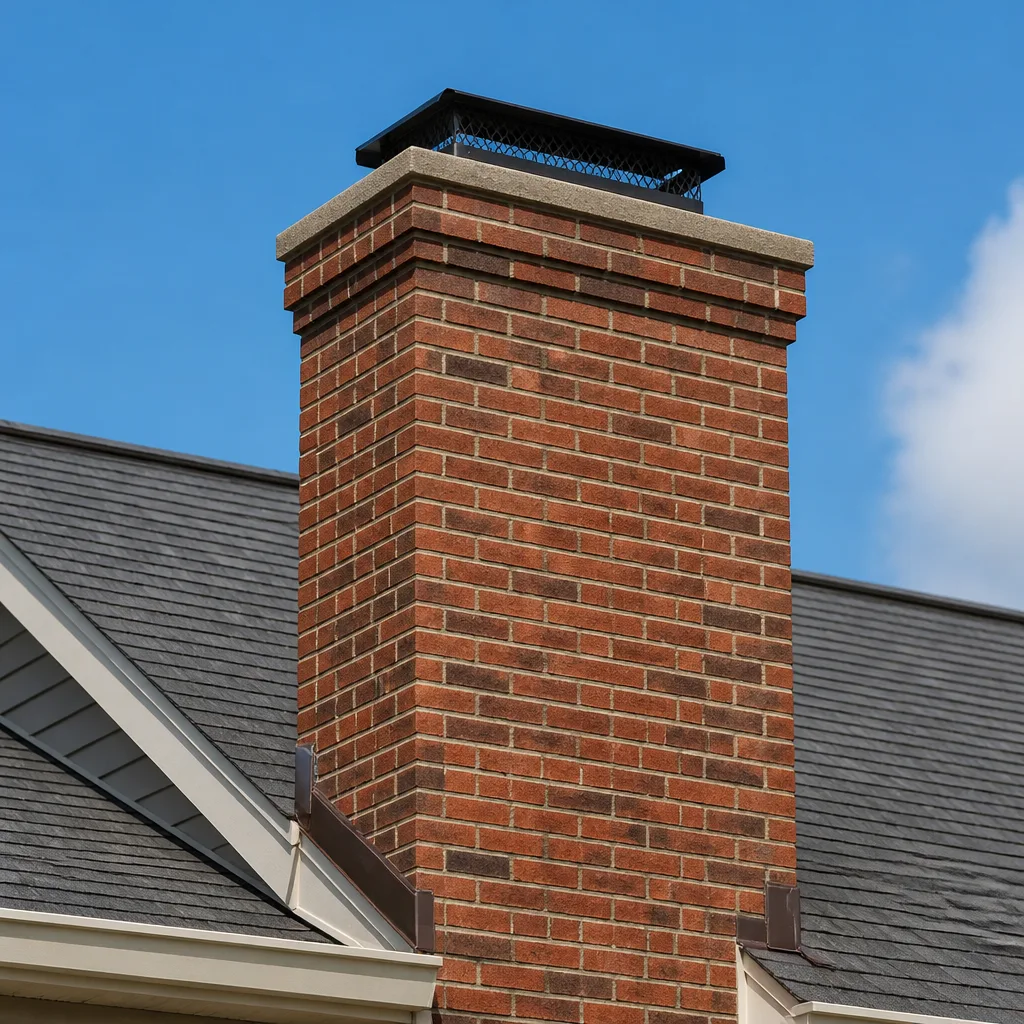 Masonry repair
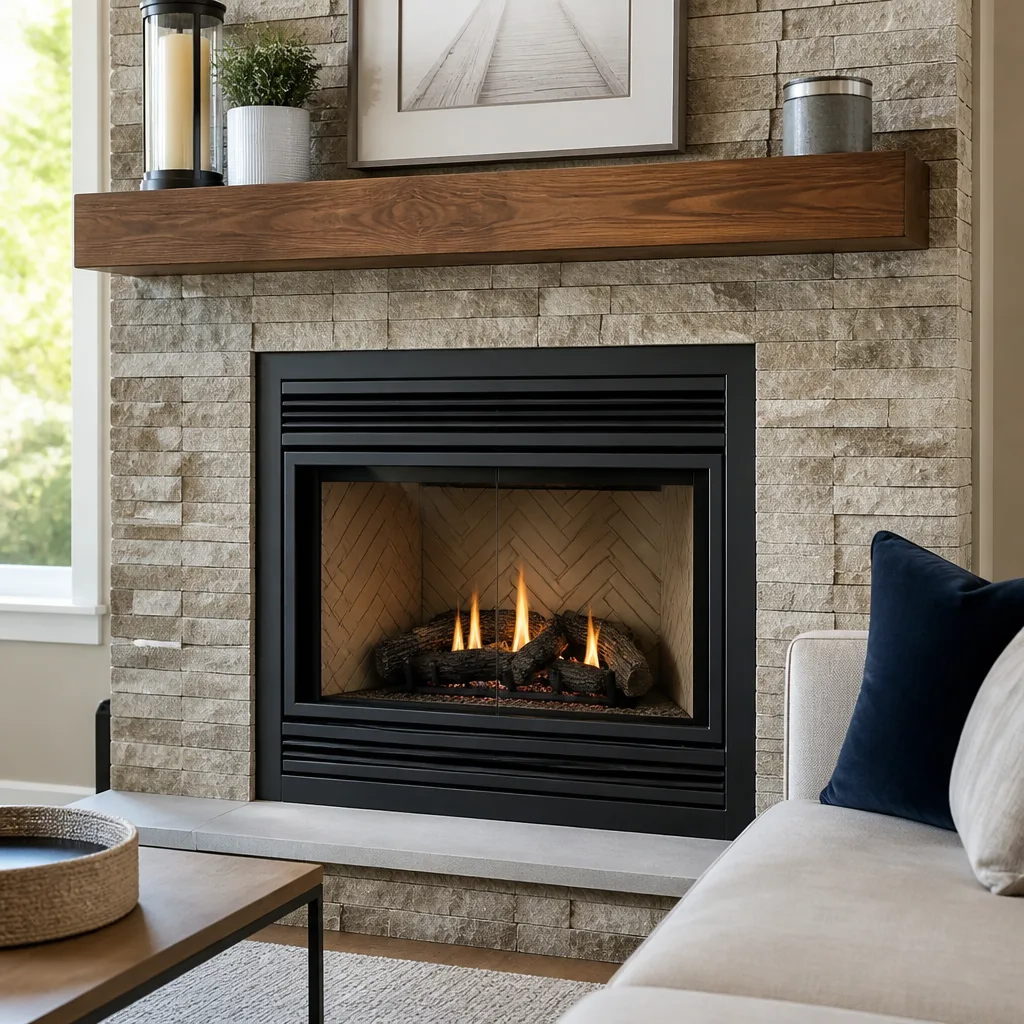 Gas fireplace service
Level 1 sweep and inspection to the NFPA 211 annual standard - flue, crown, cap, and flashing checked and photographed
Chimney sweep logs do not sweep chimneys. They loosen some creosote - which then falls where a brush and vacuum still have to collect it.
Choosing the Right Chimney Cleaning Brand: A Buyer’s Guide for Sparks
When a sweep recommends a flue liner, you’re not just buying a tube. You’re buying a temperature rating, a warranty, and a failure mode. The brand name stamped on that liner, on the sealant at the crown, on the brush spinning down your flue, tells you what the product was engineered to survive and where it will give out first. Most homeowners never ask, and that silence is exactly what lets a cut-rate contractor swap a spec’d material for a hardware-store equivalent mid-job. This guide breaks down the product categories that matter for a chimney in Sparks, what each spec means under our desert temperature swings, and how to question a contractor so the answer separates a specialist from a salesman.
Quick Answer
The right chimney cleaning and repair brands are contractor-grade products specified for your flue type and climate, not whatever is cheapest at the supply house. In Sparks, that means flexible liners rated for sharp thermal cycling, resurfacing compounds that tolerate dry heat and cold nights, and stainless or poly brushes matched to the flue. A credible contractor names the brand, explains why it fits your chimney, and puts it in writing. Chimney Sweep Sparks sources from DuraFlex, HeatShield, and Copperfield for exactly this reason: the material spec is part of the job, not an afterthought.
Styles & brands we work with
- Sweep & inspection
- Caps & crowns
- Flue relining
- Masonry repair
- Gas fireplace service
Table of Contents
- Why the brand on the product matters more than the price tag
- Flexible liner systems and what a temperature rating tells you
- Resurfacing products and ceramic flue repair
- Brushes, rods, and cleaning tools
- Crown and sealant products that survive Sparks weather
- Contractor-grade vs. hardware store: same category, different ceiling
- How to ask a contractor what they’re installing
- Red flags in material selection
Why the brand on the product matters more than the price tag
Two flexible liners can look identical on the outside and behave nothing alike after five heating seasons. The alloy, the wall thickness, the seam construction, and the listed temperature rating all live in the spec sheet, not the shine. When a flue liner fails, it usually doesn’t fail dramatically. It corrodes at a seam, cracks at a bend, or loses its connection at the top plate, and the failure shows up as a draft problem or a carbon monoxide risk you can’t see.
That’s why brand matters as a proxy for accountability. A named, contractor-grade product comes with published specs, a warranty trail, and a manufacturer who stands behind installation requirements. An unbranded liner comes with none of that, and if it fails, there’s no one to call.
In our experience across Sparks, the brand question surfaces fastest on older masonry chimneys with offset flues, where a flexible liner has to navigate bends without crimping. The material has to flex and hold its shape at the same time, and only certain systems are built for it. That’s also why we treat the sweep, the repair, and the inspection as one connected job rather than three separate visits. If a sweep turns up a liner problem, the same team that found it can specify and install the fix, using materials chosen for your chimney instead of whatever’s on the shelf.
Flexible liner systems and what a temperature rating tells you
A flexible liner is a stainless steel tube that relines a flue so combustion gases travel a sealed, correctly sized path to the top. The temperature rating tells you the maximum sustained flue gas temperature the liner is designed to handle. A higher rating gives you more margin, especially if you burn hot or have a chimney that was originally sized for a different appliance.
DuraFlex is one of the flexible liner systems we work with, and it’s a good example of why the spec sheet matters. Here’s what to look at in any liner brand:
- Alloy and wall thickness: the base metal and how thick the wall is determine corrosion resistance and how the liner handles heat cycling.
- Temperature rating: the sustained flue gas temperature the product is listed for. Match it to how you actually burn.
- Seam construction: how the tube is joined affects both strength and whether creosote can collect in a seam.
- Flex and bend radius: critical for offset flues, which are common in older Sparks masonry chimneys.
- Warranty terms: what’s covered, for how long, and what installation conditions the warranty requires.
Sparks sits in high desert, which means wide day-to-night temperature swings and intense summer UV. A liner has to tolerate sharp thermal cycling: hot flue gases during a burn, then a fast cool-down once the fire dies. Materials that handle steady heat but crack under rapid cycling are the wrong choice here. When we spec a liner, the climate is part of the decision, not a footnote. If your chimney needs relining, that work falls under chimney repair, and it’s a job worth doing with a named product you can look up.
What a credible liner answer sounds like
Ask which system they’re installing and why. A specialist will name the brand, tell you the alloy and rating, and explain how it fits your flue’s size and any offsets. They’ll also tell you what the warranty requires. If the answer is “a good one” or “the standard liner,” that’s a deflection, and you should press or walk.
Resurfacing products and ceramic flue repair
Not every damaged flue needs a new liner. A masonry flue with a cracked or spalling interior can sometimes be resurfaced from the inside instead of relined, which preserves the original flue and can cost less. HeatShield is a resurfacing product designed for this, applied to the interior of a ceramic or masonry flue to seal cracks and restore a smooth surface.
Resurfacing is a specialized repair, and a lot of basic sweep services simply can’t do it. That’s the practical difference between a company that cleans chimneys and one that can fix what it finds. Here’s how the decision usually breaks down:
- Inspect first. A camera run through the flue shows the actual condition: cracks, spalling, gaps at joints, or a failed liner. Nothing gets recommended without that visual evidence.
- Assess whether resurfacing fits. Resurfacing works when the flue structure is sound enough to hold the compound and the damage is at the surface. A structurally compromised flue needs a different fix.
- Choose the product and confirm specs. The resurfacing compound has to be rated for the flue type and the temperatures it will see.
- Apply and cure to the manufacturer’s spec. Cure time and application thickness matter. Rushing either one shortens the repair’s life.
- Re-inspect. A camera pass after the work confirms the surface is sealed and smooth before you burn again.
In our experience, the questions a homeowner should ask about resurfacing are the same as about any repair: what’s the product, why does it fit this flue, and can I see the before-and-after on camera? A product like HeatShield only performs if it’s applied correctly, so the brand and the technique travel together. Homeowners in Sparks who get a resurfacing recommendation should ask to see the camera evidence themselves, not just hear about it.
Brushes, rods, and cleaning tools
Cleaning tools are the least glamorous category and the one most likely to be skimped. A brush that’s the wrong size or material for the flue either misses creosote or damages the liner. Copperfield is one of the tool brands we work with, and the reason tooling matters is simple: the sweep is only as good as the contact it makes with the flue wall.
Here’s what to look for in cleaning equipment and the person using it:
- Matched brush material: poly brushes for stainless liners to avoid scratching, wire brushes for masonry where the surface allows. The wrong pairing wears the flue.
- Correct brush diameter: a brush too small skips the flue wall; one too large jams or damages it.
- Rods that hold up: flexible rods with secure couplings let the sweep follow the flue’s shape and reach the full run.
- Camera scope: an inspection camera confirms what the brush can’t reach and shows you the result.
A proper chimney sweep includes a camera inspection and a look at what came out of the flue. If a sweep shows up without the right brush for your liner, that’s a signal about how the rest of the job will go. In Sparks, where wood-burning fireplaces and older masonry chimneys are common, the tooling has to handle both masonry flues and the stainless liners some homes already have. The brush that’s right for one is wrong for the other, and a specialist knows the difference before the first stroke.
Crown and sealant products that survive Sparks weather
The crown is the concrete or mortar cap at the top of the chimney, and it’s the part most exposed to weather. In Sparks, that means intense summer UV, wide day-to-night temperature swings, and the freeze-thaw cycle that hits when moisture gets into a crack and then freezes overnight. A crown product that can’t handle that cycle cracks, water gets in, and the damage works its way down the flue.
Sealants and crown repair materials vary widely, and the difference shows up in UV resistance and flexibility. A sealant that stays rigid through temperature swings will crack; one rated for movement and sun exposure holds. Here’s what to weigh:
- UV resistance: Sparks gets strong sun, and a sealant that breaks down under UV fails early.
- Flexibility through thermal cycling: the material has to move with the crown and the masonry as temperatures swing.
- Adhesion to the actual substrate: masonry, concrete, and metal flashings each need the right product.
- Freeze-thaw tolerance: water that gets behind a sealant and freezes overnight will pry it loose. The product has to tolerate that cycle.
A named sealant or crown product comes with a data sheet that states these properties. A generic tube from the hardware store usually doesn’t. When the crown is failing, we treat it as part of the chimney’s structure, not a cosmetic patch. The right product and the right prep together decide whether the repair lasts through a Sparks summer and the cold nights that follow.
Contractor-grade vs. hardware store: same category, different ceiling
Here’s the trap. A homeowner can buy a flue liner, a sealant, and a brush at a hardware store. They’re in the same categories as the professional products. They’re not the same products, and the performance ceiling is the difference. Contractor-grade materials are specified, tested, and warranted for the conditions a chimney actually sees. Consumer equivalents are built to a price and often carry no installation spec at all.
This matters most on the jobs where a failure is expensive or dangerous: a reline, a resurfacing, a crown rebuild. The cost gap between a contractor-grade product and a consumer equivalent is usually small relative to the labor, and the labor is the same either way. Skimping on the product to save a few dollars on a job that takes a day is a bad trade every time.
We source from DuraFlex, HeatShield, Copperfield, and other professional lines because the brand is part of the accountability chain. A named product has a spec sheet, a warranty, and an installation requirement. When something goes wrong, there’s a manufacturer to stand behind the material. That’s the real difference between contractor-grade and hardware store: not the price tag, but who answers if it fails.
For homeowners in Sparks comparing estimates, the material question is one of the few ways to see behind the price. Two quotes for the same liner can look identical on paper and use very different products. Ask for the brand and the spec, and you’ll see which quote is built to last.
How to ask a contractor what they’re installing
The right question, asked the right way, separates a specialist from a salesman in about thirty seconds. You’re not trying to catch anyone out. You’re trying to hear whether they can explain the product and connect it to your chimney. A credible answer names the brand, the spec, and the reason it fits. A deflection changes the subject or leans on reassurance.
Ask in this order:
- “What brand and product are you installing?” A specialist names it without hesitation. “A standard one” or “the good stuff” is a red flag.
- “What’s the spec, and why does it fit my chimney?” Listen for a temperature rating, alloy, or material type connected to your flue’s size and condition.
- “Can I see the camera evidence for the recommendation?” A specialist shows you the inspection footage and points to the problem. No evidence, no recommendation.
- “What does the warranty require, and who honors it?” A named product has warranty terms. An unbranded one doesn’t.
- “What’s the written estimate, and what’s included?” The written estimate sets the final price. Ask what’s in it and what isn’t.
A credible answer sounds like a short explanation in plain language, with a brand name and a reason. A deflection sounds like reassurance without specifics, urgency without evidence, or a price that changes when you ask questions. If you want to see how we handle the whole job, start with a look at Chimney Sweep Sparks and the services we run in-house. The point isn’t to quiz a contractor. It’s to hear whether they know their materials well enough to explain them, because that’s the same knowledge that keeps the job safe.
What a deflection sounds like
“We use the best materials” and “don’t worry about the brand” are the two most common non-answers. So is a recommendation for a major repair with no camera evidence to back it. A specialist will show you what they found and tell you when a repair can safely wait. That last part matters: if the answer is always “it needs replacing,” you’ve learned something about the contractor, not your chimney.
Red flags in material selection
Material red flags show up before the work starts, and they’re worth watching for because the product is hard to verify once it’s inside the flue. Here’s what to look for in Sparks:
- An unbranded flex liner. If the contractor can’t name the system, there’s no spec sheet, no warranty trail, and no manufacturer to call if it fails.
- Generic sealant on a crown or flashing. A tube with no data sheet rarely states UV or freeze-thaw performance, which is exactly what a Sparks crown needs.
- A contractor who can’t name the product they’re applying. This is the clearest sign the material choice was made on price, not fit.
- A repair recommendation with no camera evidence. Nothing should be recommended that you can’t see for yourself.
- Pressure to decide on the spot. A written estimate is the price. A specialist doesn’t need to rush you into a major repair.
- A brand that changes between the quote and the install. Ask for the brand in writing and check it against what arrives.
- No warranty terms offered. A named product has a warranty trail. If nothing’s mentioned, ask what’s covered.
None of these is proof of bad work. Together, they’re a pattern, and the pattern tells you whether the material on your chimney was chosen for the chimney or for the margin. We’d rather a homeowner ask us these questions than not, because the answers are the reason we stock the lines we do.
Common Mistakes to Avoid
- Choosing a contractor on price alone. Two liners can look the same on a quote and use very different alloys. The price difference between contractor-grade and a consumer equivalent is small next to the labor, so the savings buy a shorter-lived product.
- Not asking to see the camera evidence. A recommendation without evidence you can see is a recommendation you can’t verify. Ask to watch the inspection footage and have the problem pointed out.
- Assuming a hardware store product is the same category. It’s the same category and a different performance ceiling. Contractor-grade products carry spec sheets and warranties; consumer equivalents usually don’t.
- Ignoring the crown until it fails. In Sparks, the crown takes UV and freeze-thaw all year. A small crack that isn’t sealed lets water in, and water that freezes overnight pries masonry apart.
- Reusing a brush that’s wrong for the liner. Poly brushes for stainless liners, wire for masonry. The wrong pairing wears the flue while it cleans it.
- Believing “it needs replacing” without a spec. A specialist names the product and explains why it fits your chimney. A generalist leans on the conclusion.
- Not getting the brand in writing. The written estimate sets the final price, and it should name the product. If the brand isn’t in the quote, it’s easy to swap later.
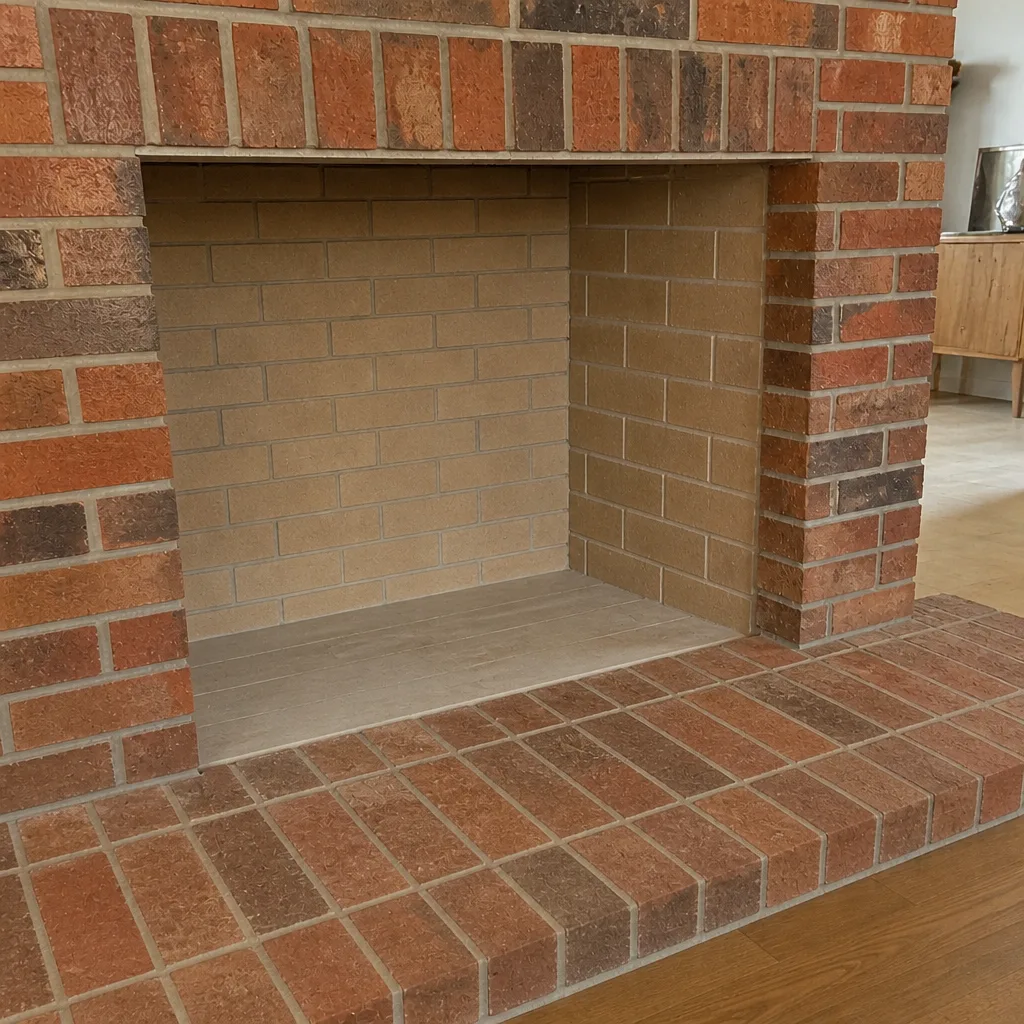
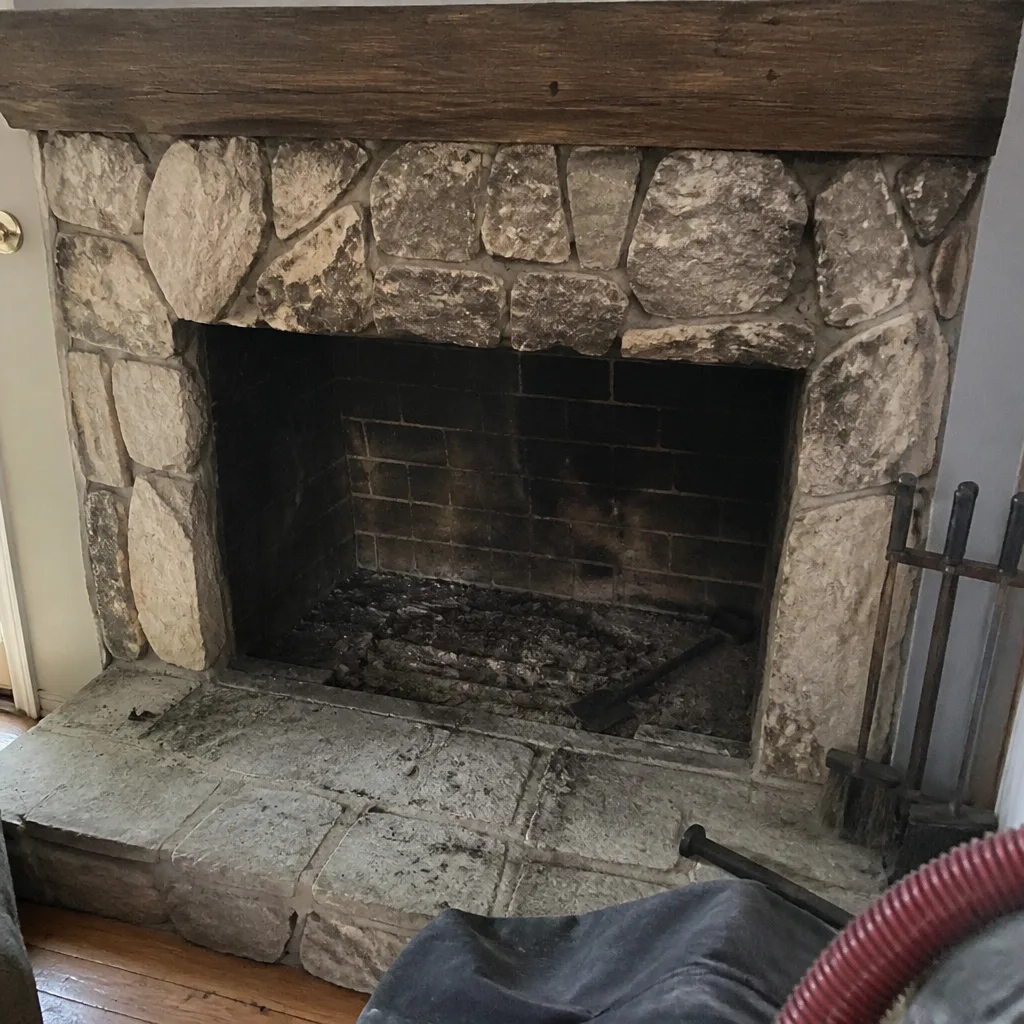
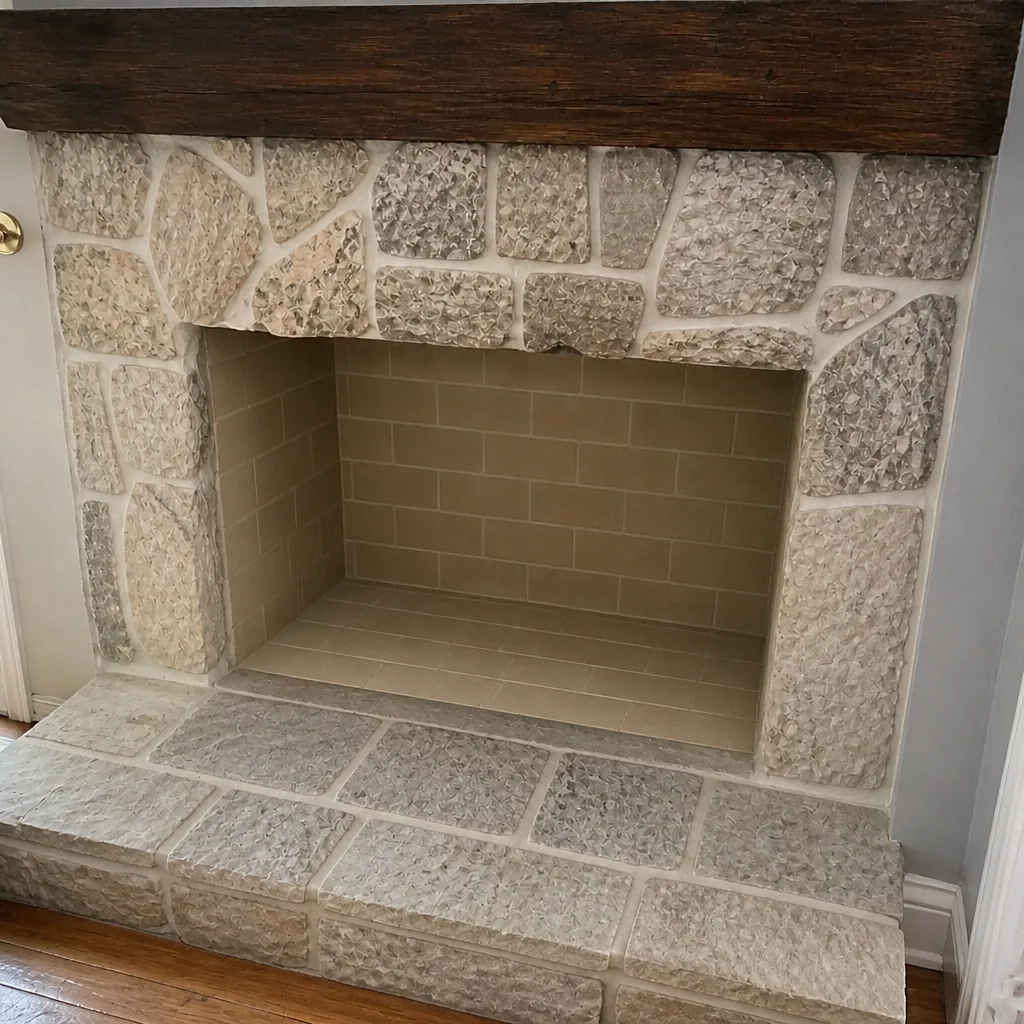
See the difference
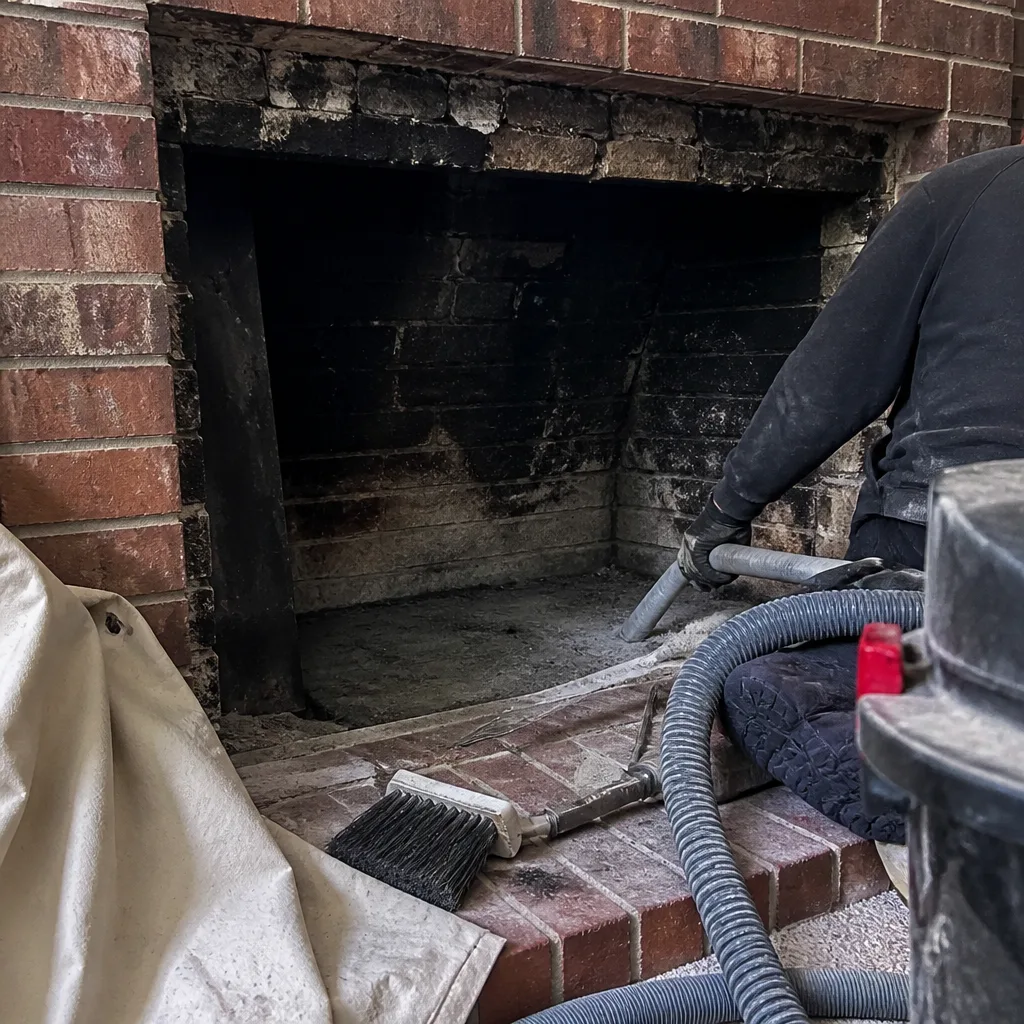 Before
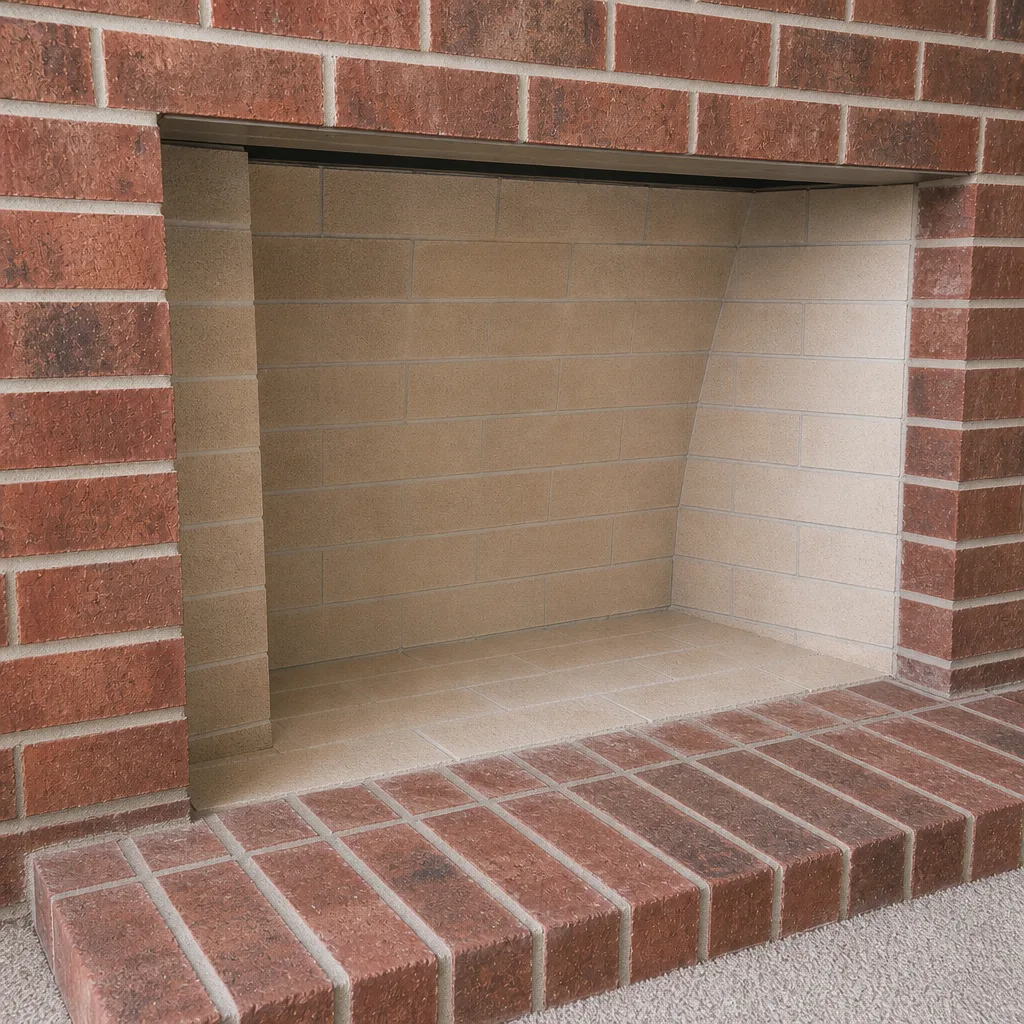 After
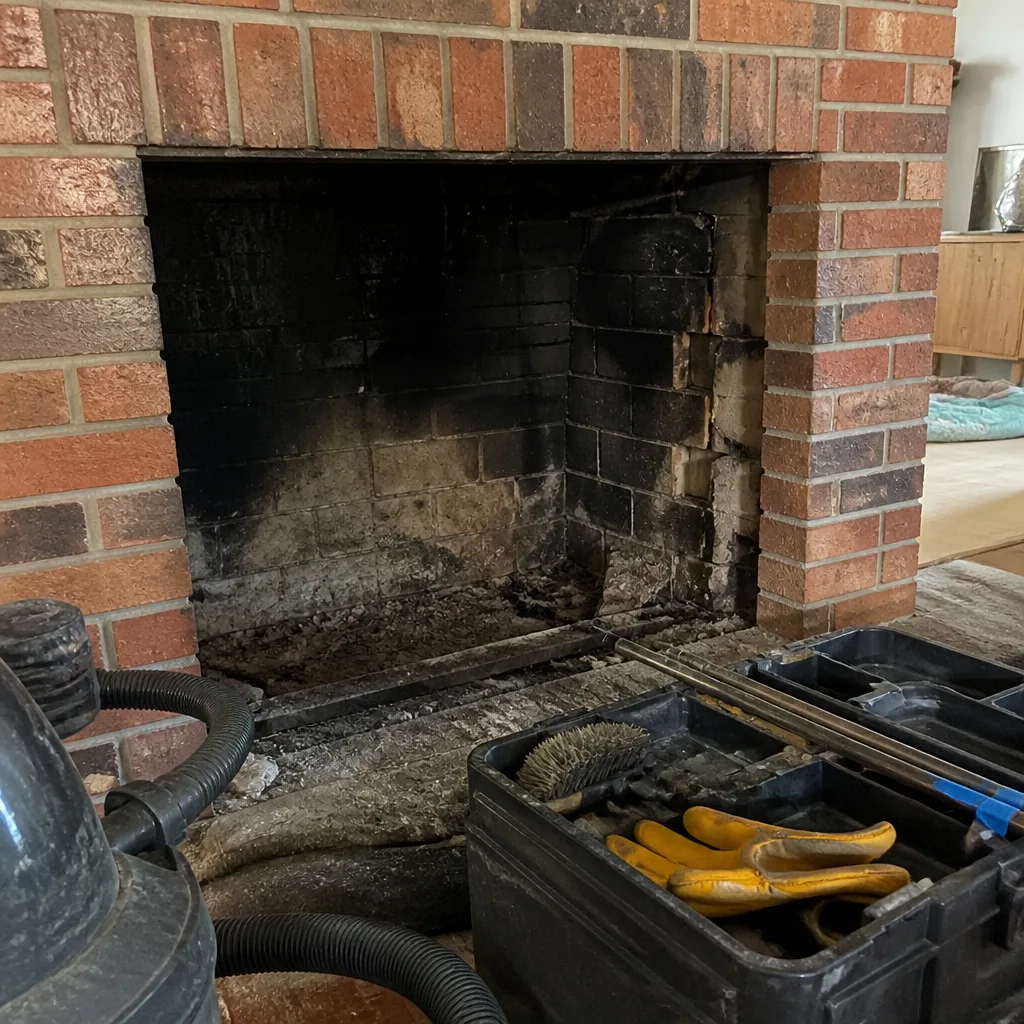 Before
 After
 Before
 After
When to Call a Professional
Some chimney work is a homeowner’s to handle and some isn’t. Creosote buildup, a failed liner, a cracked crown, a flue that’s never been inspected, and any gas appliance venting into a chimney you’re unsure about all call for a trained technician. So does any chimney that hasn’t been swept in a season or more, or one you’ve inherited with a new home. A sweep and inspection before heating season is the right baseline, and it’s cheaper than the repair that comes from skipping it. The dangerous parts of this work – the flue interior, the crown at height, the gas connections on an insert – are not places to improvise. A trained professional handles them safely, and a camera inspection shows you the result.
Chimney Sweep Sparks offers free estimates in Sparks and runs the sweep, the repair, and the inspection in-house with professional-grade materials from lines like DuraFlex and HeatShield. Call (855) 360-7181. We answer 24/7. Fast dispatch from 7am to 7pm, Sunday through Friday. The written estimate sets the final price, and nothing is recommended that you can’t see on camera.
Frequently Asked Questions
A contractor working in Sparks should be using contractor-grade products from established lines, not hardware store equivalents. In practice, that means a named flexible liner system, a resurfacing product like HeatShield if ceramic flue repair is on the table, and tools matched to the flue. Chimney Sweep Sparks sources from DuraFlex, HeatShield, Copperfield, and other professional lines for exactly this reason. The brand matters because it carries the spec sheet and the warranty. Call (855) 360-7181 for an exact quote – estimates are free.
A standard chimney sweep in Sparks is typically an affordable flat price, and the written estimate sets the cost. Pricing is per job by estimate, and we don’t quote over the phone without knowing what’s involved. A sweep usually includes a camera inspection and a look at what came out of the flue. If the inspection turns up a liner or crown problem, you’ll see the evidence before any repair is recommended. Call (855) 360-7181 for an exact quote – estimates are free.
Not every damaged flue needs a new liner. Some masonry flues can be resurfaced instead, which preserves the original flue and can cost less. The decision comes down to a camera inspection: the flue’s structure, the type and extent of the damage, and whether a resurfacing product like HeatShield fits. If the flue is structurally sound, resurfacing may be the right fix; if not, relining is. You should see the evidence for either recommendation before you decide. Call (855) 360-7181 for an exact quote – estimates are free.
A chimney should be swept and inspected at least once a year, and before each heating season if you burn wood regularly. Creosote builds up with every fire, and it’s what fuels a chimney fire. An annual sweep plus a camera inspection is the baseline that catches problems while they’re small. If you’ve never had the chimney inspected, or you’ve just moved into a home with one, that’s the right time to start. Call (855) 360-7181 for an exact quote – estimates are free.
If you skip the sweep, creosote accumulates on the flue walls, and that’s the fuel a chimney fire burns. A blocked or damaged flue can also let combustion gases, including carbon monoxide, back up into the home instead of venting outside. A cracked crown lets water in, and in Sparks the overnight freeze works that water into the masonry. The risk builds quietly between sweeps, which is why the annual inspection matters more than the cleaning itself. Call (855) 360-7181 for an exact quote – estimates are free.
Yes, because the brand is tied to the alloy, the temperature rating, the seam construction, and the warranty. Two liners can look alike and behave very differently after several heating seasons, especially in Sparks’ sharp day-to-night temperature swings. A named system has a spec sheet and a manufacturer behind it; an unbranded liner has neither. When a contractor names the system and explains why it fits your flue, that’s a credible answer. When they can’t, press or walk. Call (855) 360-7181 for an exact quote – estimates are free.
A hardware store liner is in the same category as a professional product but built to a lower price, and the performance ceiling is the difference. It usually lacks the spec sheet and warranty trail a contractor-grade system carries, and it may not be rated for the flue temperatures or the flex a masonry flue with offsets demands. The labor is the same either way, so the savings on the material are small next to the risk. If a contractor proposes one, ask why. Call (855) 360-7181 for an exact quote – estimates are free.
The Bottom Line
The brand on the product inside your chimney is the part you can’t inspect after the job is done, which is exactly why it’s worth asking about before the work starts. A named, contractor-grade liner, resurfacing compound, or sealant comes with a spec sheet and a warranty; an unbranded one comes with nothing to call if it fails. In Sparks, the specs that matter most are thermal cycling tolerance, UV resistance, and freeze-thaw performance, because the climate tests all three. Ask what brand they’re installing, why it fits your flue, and whether you can see the camera evidence. A specialist answers all three without hesitation. That’s the standard we hold ourselves to in Sparks, and it’s the one worth holding any contractor to. For a free estimate on a sweep, repair, or inspection, call (855) 360-7181. We answer 24/7. Fast dispatch from 7am to 7pm, Sunday through Friday. The written estimate sets the final price, and you’ll see the camera evidence before anything is recommended.
Written by the team at Chimney Sweep Sparks.