
Last updated November 15, 2026
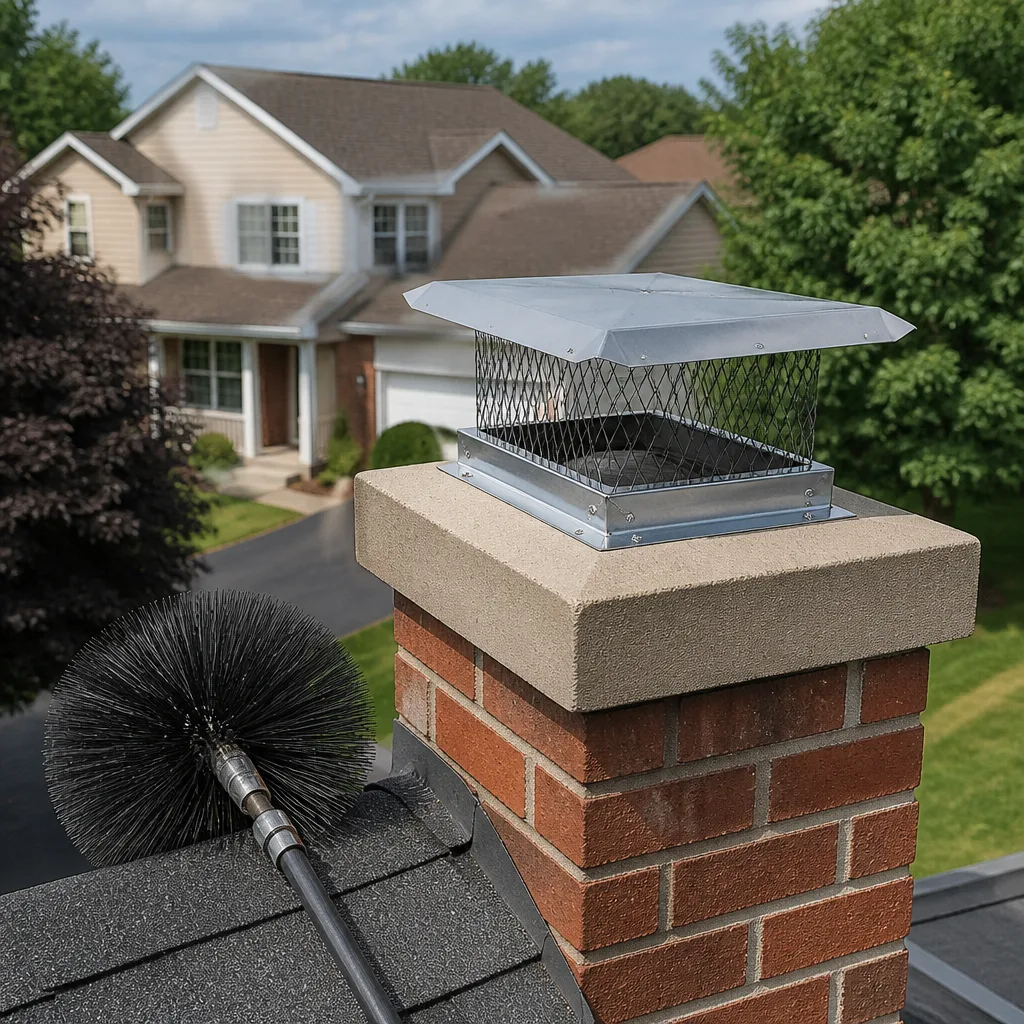 Sweep & inspection
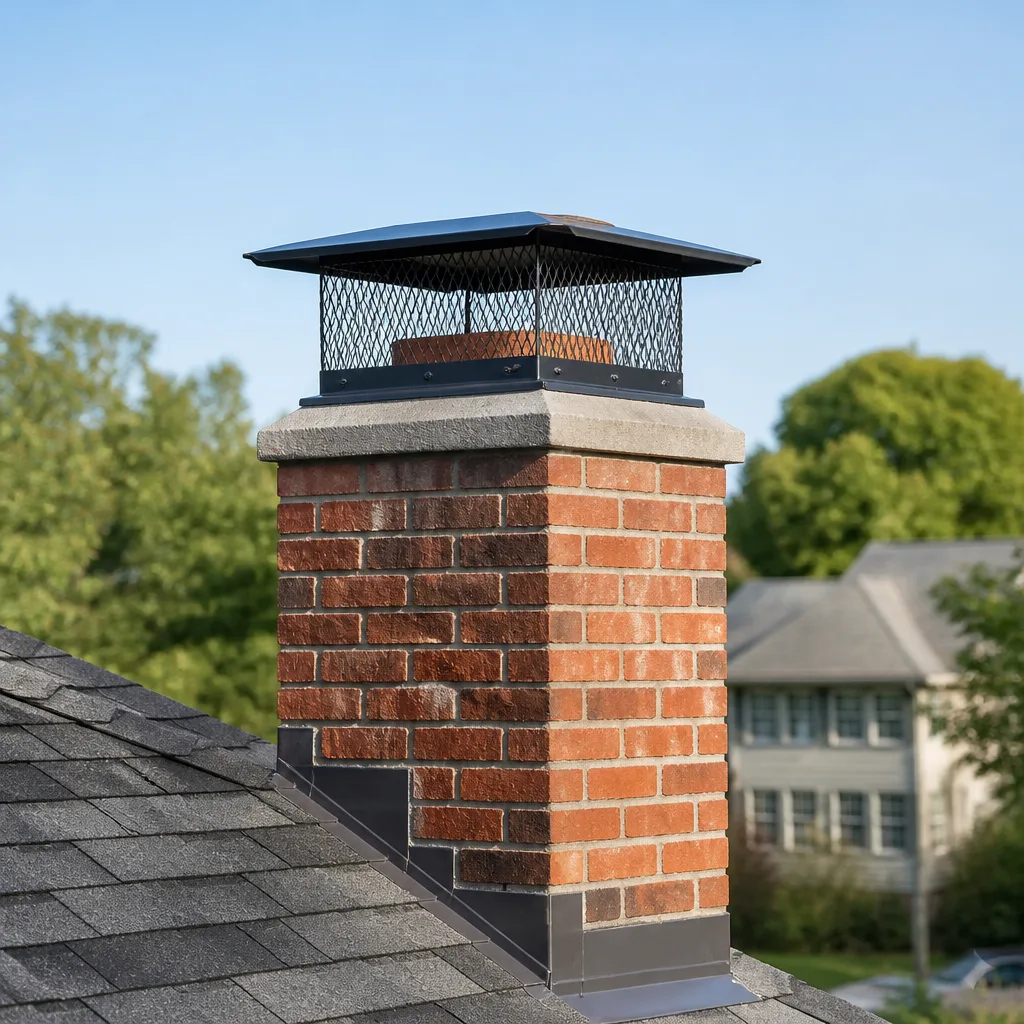 Caps & crowns
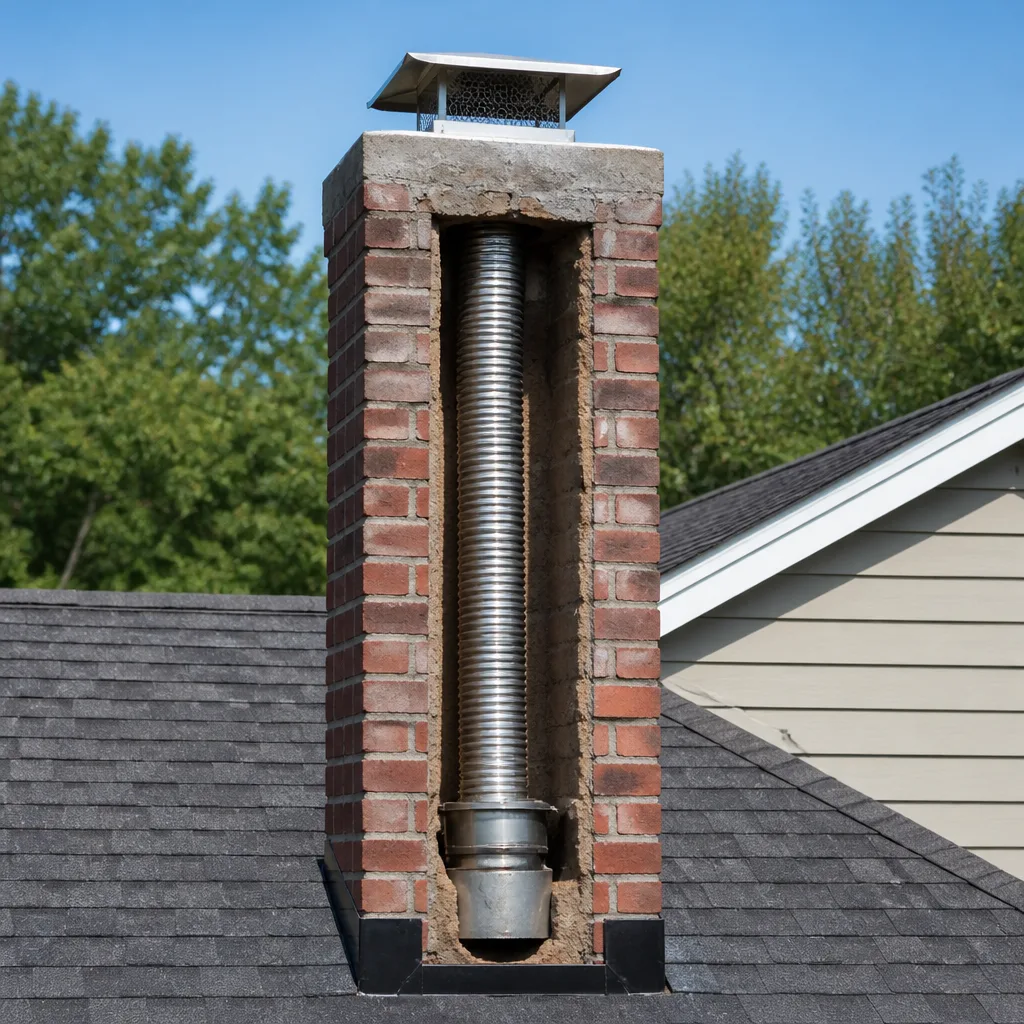 Flue relining
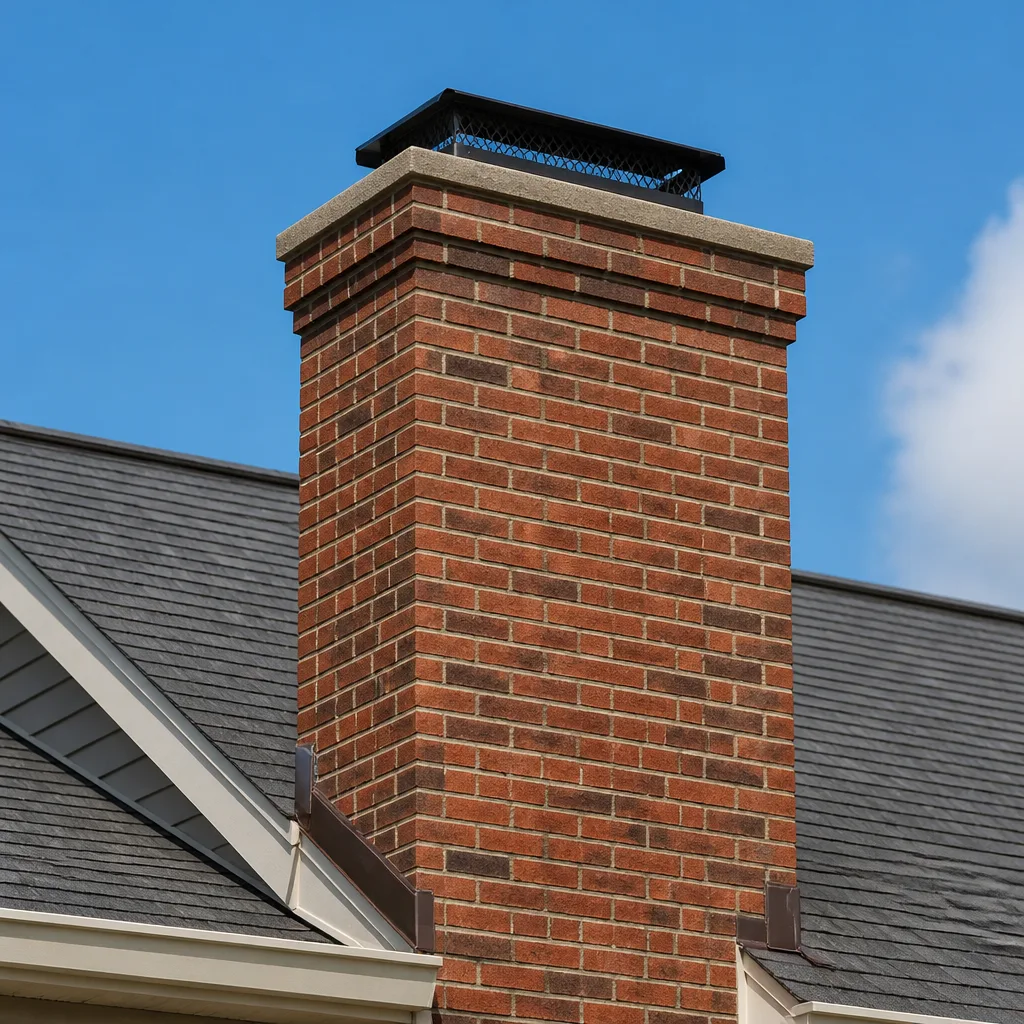 Masonry repair
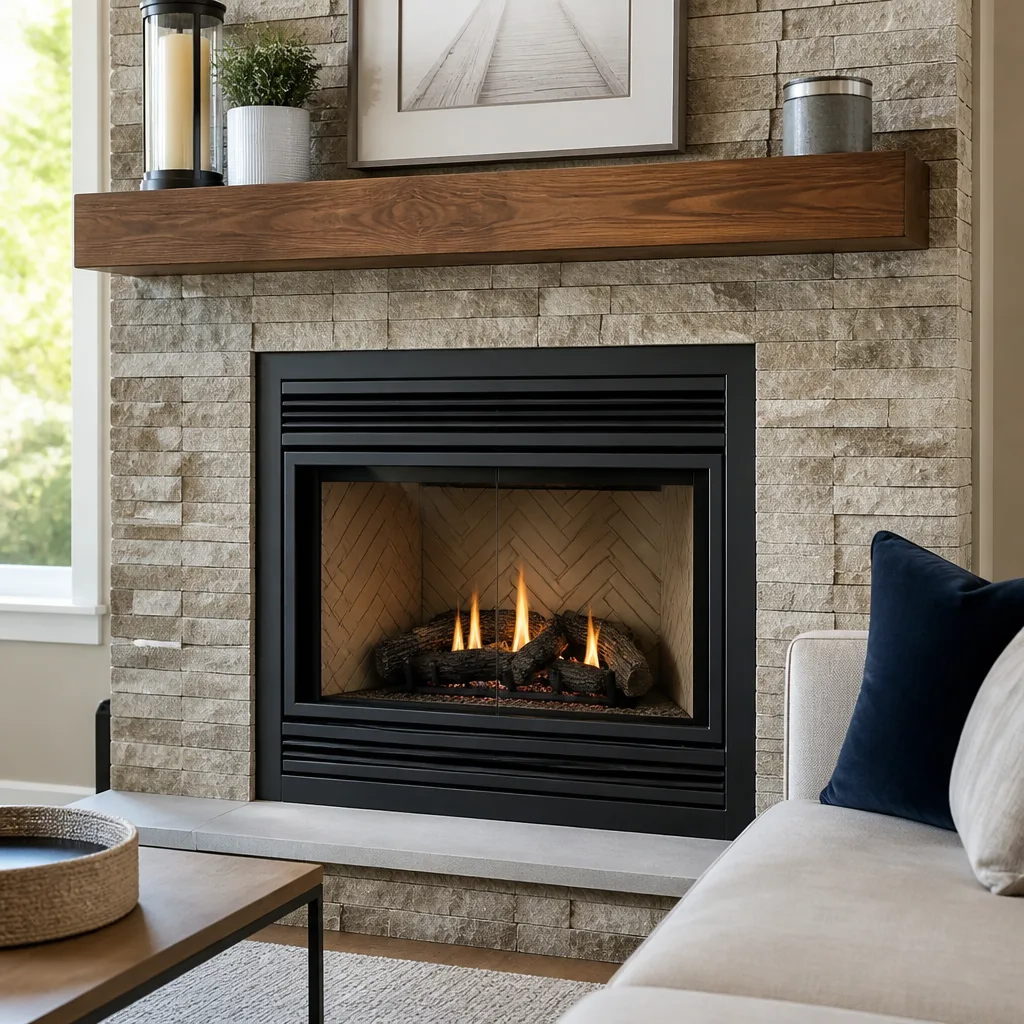 Gas fireplace service
Level 1 sweep and inspection to the NFPA 211 annual standard - flue, crown, cap, and flashing checked and photographed
Chimney sweep logs do not sweep chimneys. They loosen some creosote - which then falls where a brush and vacuum still have to collect it.
Chimney Cleaning Warning Signs: A Sparks Homeowner’s Reference Guide
That white staining on your chimney’s exterior isn’t a cosmetic issue – it’s your masonry telling you water is already moving through it. Most homeowners in Sparks read that chalky bloom as “old brick” and move on, then wonder a season or two later why a chunk of mortar is sitting in the flowerbed. The truth is that a chimney broadcasts its problems early, in specific, decodable symptoms, long before anything fails. This reference guide walks through what each sign means mechanically, which ones you can watch and which mean stop using the fireplace today, and how Sparks’ dry, sun-heavy climate shapes what you’ll actually see. Read it once, then keep it as a lookup.
Quick Answer
The main chimney cleaning warning signs are white staining or crumbling mortar on the exterior, smoke rolling back into the room, a persistent odor that gets worse in warm weather, dark staining on the firebox or chimney breast, and a draft that’s weaker than it used to be. Any one of these points to either excess creosote, a moisture problem, or a draft and venting fault, and each has a different fix. The signs that mean stop using the fireplace immediately are smoke rollout with a strong smell, visible creosote flaking inside the flue, or any staining combined with a draft that’s reversed.
Styles & brands we work with
- Sweep & inspection
- Caps & crowns
- Flue relining
- Masonry repair
- Gas fireplace service
Table of Contents
- How to read your chimney like a diagnostic chart
- White staining and efflorescence: what water is telling you
- Smoke rollout and draft problems: the mechanics
- Why chimney odor peaks in summer in Sparks
- Warning signs you can see from inside the house
- Warning signs that require an exterior inspection
- Cosmetic aging vs. structural warning signs in a high-UV climate
- Stop-using signs vs. monitor-and-schedule signs
How to read your chimney like a diagnostic chart
A chimney is a system, and a system under stress usually reports its weakest point first. That’s why the same visible symptom can trace back to different causes depending on where it shows up. Learning to read the chain from symptom to cause is the whole skill. Most of what we diagnose at Chimney Sweep Sparks starts with a homeowner pointing at one thing and us confirming two or three linked conditions behind it.
Here’s the failure chain in its simplest form. Creosote builds up because combustion is incomplete or the flue is too cool. Moisture gets in because the crown, flashing, or mortar has opened up. Draft weakens because the flue is obstructed, the liner is damaged, or the chimney is fighting the house’s air pressure. Each of those has distinct visible fingerprints, and each one gets worse on its own timeline if left alone.
The reference structure works like this:
- Symptom: what you actually see or smell.
- Mechanism: the physical process producing that symptom.
- Urgency: whether it’s a stop-using signal, a schedule-a-sweep signal, or a monitor-it signal.
- Typical fix path: sweep, repair, or liner work.
In our experience across Sparks, homeowners tend to notice interior symptoms first because they’re in the room. Exterior symptoms get missed because nobody walks the perimeter of the roof line with any regularity. A full inspection catches both sides, which is why we treat sweep, repair, and inspection as one continuous process rather than three separate appointments.
White staining and efflorescence: what water is telling you
Efflorescence is the white, powdery bloom that appears on brick and mortar when water moves through the masonry, dissolves salts inside it, and evaporates on the surface, leaving the salts behind. It is not a stain in the usual sense. It’s the visible exhaust of a moisture pathway. When you see it on a chimney in Sparks, the question isn’t whether water is getting in – it’s where.
The usual entry points, in rough order of frequency:
- The crown. The concrete cap on top of the chimney cracks as it ages, and once it does, water runs straight down into the masonry below.
- Flashing. The metal that seals the chimney to the roof opens up as the roof and the chimney move at different rates.
- Mortar joints. Deteriorated joints wick water inward and hold it against the brick.
- Missing or damaged rain cap. An open flue takes water directly down the interior.
- Spalling brick. Once a brick face has popped off, the exposed interior absorbs water far faster than the fired surface ever did.
Efflorescence that brushes off easily is an early signal. Efflorescence that returns after you brush it, or that comes with crumbling mortar or a flaking brick face, has progressed to spalling – the point where freeze-thaw cycles are actively breaking the masonry apart. High-desert temperature swings between day and night push that cycle hard, even without much precipitation, because moisture trapped in the brick expands and contracts with every swing.
That’s also the point where cosmetic repair stops being enough and structural work starts. We see this often enough in Sparks that we treat repeated efflorescence as a trigger for a full exterior inspection rather than a wait-and-see item.
Smoke rollout and draft problems: the mechanics
Smoke rolling out of the firebox instead of going up the flue is a draft failure, and it has a short list of mechanical causes. The most common is a flue that’s too cold relative to the house, so the smoke has no upward pressure to follow. The second most common is obstruction – a nest, a collapsed liner section, or heavy creosote narrowing the flue. The third is pressure imbalance: a house that’s tighter than it used to be pulls air down the chimney instead of letting it rise.
Watch for these specific patterns, because each points somewhere different:
- Smoke rolls out only on startup, then settles: cold-flue draft, usually solvable with a pre-heat routine and a properly sized flue.
- Smoke rolls out whenever the fire is burning: obstruction or a flue that’s undersized for the firebox opening.
- Smoke rolls out when the furnace, bath fan, or kitchen hood runs: pressure imbalance pulling the wrong way.
- Smoke smell without visible smoke: a leak at a joint or a liner that’s failed internally.
Draft reversal in particular deserves a mention here, because it’s the symptom homeowners most often misattribute to weather. A chimney that drafts backward on a windy day is telling you about either a flue geometry problem or a top-of-chimney issue, not about the wind itself. A correct cap, a properly sized flue, and a clean passage solve most of these. Where the flue itself is deteriorated, a flexible liner system like DuraFlex is often what restores the geometry reliably. Smoke rollout is also a carbon monoxide risk, not just an inconvenience, so treat it as a stop-using sign until you know the cause.
Why chimney odor peaks in summer in Sparks
The sharp, sour, campfire-plus-vinegar smell that appears in a chimney during warm months is creosote off-gassing as the flue warms and the airflow reverses. In winter the chimney draws upward, pushing smell out the top. In summer, hot air outside is heavier than the cool air at the bottom of the flue, so the draft stalls or reverses and the smell comes into the room. That’s why a chimney that smelled fine all winter can smell like a smokehouse in July.
The smell profile itself tells you something about what stage the creosote is in:
- Woodsmoke smell, mild: light soot and first-stage creosote. A sweep is due but nothing urgent.
- Sharp, acrid, slightly bitter smell: second-stage creosote, denser and beginning to glaze. Sweep and inspect before heating season.
- Strong tar or asphalt-type smell: third-stage glazed creosote, the kind that requires mechanical removal and often a chemical treatment. This is the stage most closely associated with chimney fire risk.
- Musty or damp smell: not creosote at all – moisture in the masonry, and you should chase the water source the same way you would efflorescence.
Sparks summers are long, hot, and dry, so the smell window runs wide. Homeowners often notice it in the evening when the house cools and airflow reverses again. The useful takeaway is that summer odor is a creosote and draft signal, not a weather quirk, and it’s the cheapest time of year to schedule a sweep because the heating rush hasn’t started. Our chimney sweep visits include a camera inspection and a photo report, so you can see the creosote stage yourself rather than take our word for it.
Warning signs you can see from inside the house
The interior signs are the ones you’ll encounter daily, and they deserve a proper diagnostic pass. Some are obvious, some are subtle, and a few are commonly misread. Here’s the checklist we walk through with homeowners in Sparks:
- Dark staining on the firebox face or the chimney breast above it. Indicates smoke escaping the firebox rather than going up, and often a cracked firebox or a joint failure.
- Staining on the ceiling or wall near the chimney. Water following the masonry. That’s a flashing or crown problem most of the time.
- Visible creosote flaking inside the firebox. A ridge of black, shiny material that’s flaking is glazed creosote. Stop using the fireplace.
- A draft that’s weaker than last season. Compare by feel on a cold morning, not during a warm afternoon. Obstructed or narrowed flues read this way.
- Draft reversal – smoke pulled into the room instead of up. Stop using, and check the pressure causes described above.
- Persistent odor even when the fireplace hasn’t been used. Moisture or creosote, and worth an inspection.
- Ash or soot particles landing on the hearth or the furniture. Downdraft, or a cap that’s lost its screen.
In our experience, the interior warning signs that get ignored most often are staining on the chimney breast and weak draft. Both are easy to write off as “the fire wasn’t drawing well.” Both are worth a look, because the cost of catching a firebox crack early is nothing compared to the alternative. A proper inspection with a camera shows you exactly what’s inside, so the recommendation is not a guess.
Warning signs that require an exterior inspection
Exterior signs are the ones most homeowners miss, and they’re often the ones that have progressed furthest. You need to walk the roof line or at least look up from the yard with binoculars, and some of what matters is only visible from the roof itself or from a ladder with a camera. That’s why we still recommend a professional inspection even when the interior looks fine.
What to look for from the ground:
- White staining: efflorescence, as described above, and the most reliable early signal of a moisture pathway.
- Crumbling or missing mortar joints: water and freeze-thaw working the mortar loose. Joints that rakes out with a fingernail are gone.
- Spalling brick faces: the front of the brick popping off to reveal the softer core. That’s structural decline, not cosmetic.
- A cracked or tilted crown: visible from the ground on most Sparks roofs, and the single most common water entry point we find.
- Rust on the cap or the firebox damper: moisture in the flue, not just in the masonry.
- Loose flashing at the roof line: the metal lifted, or the sealant cracked, which opens the flashing joint.
- Chimney leaning or pulling away from the house: a foundation or structural signal, and one that moves the job from repair to rebuild.
When we do a full exterior inspection on a Sparks home, we’re looking at all of it together. The crown, the flashing, the mortar joints, the brick faces, the cap, and the flue from the top down. Our chimney repair work frequently starts from what the exterior survey turns up, and the difference between a quick repointing and a full crown rebuild usually comes down to how long the water has been moving.
Cosmetic aging vs. structural warning signs in a high-UV climate
Sparks sits in a high-desert basin with intense UV, wide day-night temperature swings, and long dry stretches punctuated by weather that dumps moisture fast. That combination produces a specific pattern of aging that homeowners often mistake for structural damage, and structural damage that homeowners often mistake for aging. Getting the distinction right saves you from spending money you don’t need to and from ignoring a repair that can’t wait.
Cosmetic aging in a Sparks chimney looks like:
- Surface color fading on the brick, with no flaking.
- Hairline cracking in the mortar at the surface, with the joint still solid underneath.
- A dusty or chalky film that brushes away and doesn’t come back.
- Minor chipping at the very top edge of the crown, with the rest of the crown intact.
Structural warning signs in the same climate look like:
- Efflorescence that returns after brushing, especially with any crumbling nearby.
- Mortar joints that recess inward when probed, indicating the joint has lost its body.
- Brick faces that flake off entirely, revealing the softer interior.
- Cracks in the crown wide enough to catch a fingernail, or a crown that’s separated from the flue.
- Any leaning of the chimney mass, or gaps at the roof line.
The habit worth building is a spring walk-around. In spring, moisture damage from winter is visible and the sun hasn’t yet baked the evidence away. Sparks homes take UV damage on the south and west faces first, so those are the faces to check most carefully. If you’re unsure which category a problem falls into, that’s exactly the question an inspection answers. We’d rather tell you the chimney is fine and show you photos of why, than recommend work the masonry doesn’t need.
Stop-using signs vs. monitor-and-schedule signs
The most useful distinction in this whole guide is the one homeowners most need before they light a fire: which warning signs mean stop, and which mean schedule a sweep. The wrong call in either direction costs something. The wrong call in the “keep burning” direction costs a chimney fire or carbon monoxide exposure.
Stop using the fireplace immediately if you see or smell any of these:
- Smoke rolling into the room, with or without a strong smoke smell.
- Visible creosote flaking or a shiny, glazed ridge inside the flue or firebox.
- A draft that’s reversed – air pulling down into the room instead of up the flue.
- Any staining on the chimney breast combined with a smoke smell or a weak draft.
- A cracked firebox, damaged damper, or visible liner separation.
- A CO alarm near the fireplace, or any symptom of carbon monoxide exposure. Leave the house and call from outside.
Monitor and schedule a sweep if you see or smell any of these:
- Mild woodsmoke odor that appears only in warm weather.
- A chimney that draws well but hasn’t been swept since the last heating season.
- Early efflorescence that brushes away cleanly, with no spalling nearby.
- Ash or soot on the hearth after a windy day.
- A cap screen with a small hole or bent edge.
If you’re not sure which side of the line a symptom falls on, treat it as a stop-using sign until an inspection says otherwise. The schedule matters too: pre-season is the right time, because a chimney swept in late summer or early fall is cleaned before the heating load arrives. Call (855) 360-7181 to book. We answer 24/7. Fast dispatch from 7am to 7pm, Sunday through Friday.
Common Mistakes to Avoid
- Treating efflorescence as a cosmetic stain. Power-washing it off removes the evidence but not the moisture path, and the bloom simply returns – often worse. Chase the source instead, usually the crown and flashing.
- Burning unseasoned wood to “get the chimney hot.” Wet wood drives down flue temperature, which is exactly what creates creosote. Seasoned wood and a warm flue are the two conditions under which a chimney stays clean longer.
- Assuming a chimney that draws well doesn’t need sweeping. A clean-looking chimney with a smooth interior can still have a thick creosote ridge that a camera shows and the eye misses. This is the single most common finding we encounter in Sparks after a season of use.
- Ignoring summer odor until winter. Odor in warm weather is the cheapest time to book a sweep, not a reason to wait. Schedule it before the fall rush, when chimney technicians book heaviest.
- Letting a handyman handle a repair that needs a specialist. Repointing a crown or relining a flue correctly requires knowing the material and the geometry of the flue, plus a range of products most generalists don’t source. A liner installed without the right sizing and insulation doesn’t fix the draft problem – it moves it.
- Skipping the exterior walk in a high-UV climate. Sparks masonry shows UV damage on the sun-facing sides first, and by the time a brick face is popping off, the problem is structural. A spring check catches the same issue two seasons earlier.
- Using the fireplace after a stop-using sign because “it lit fine.” Lit fine and safe aren’t the same thing. A reversed draft can start a fire in a living room without the chimney ever appearing to fail.
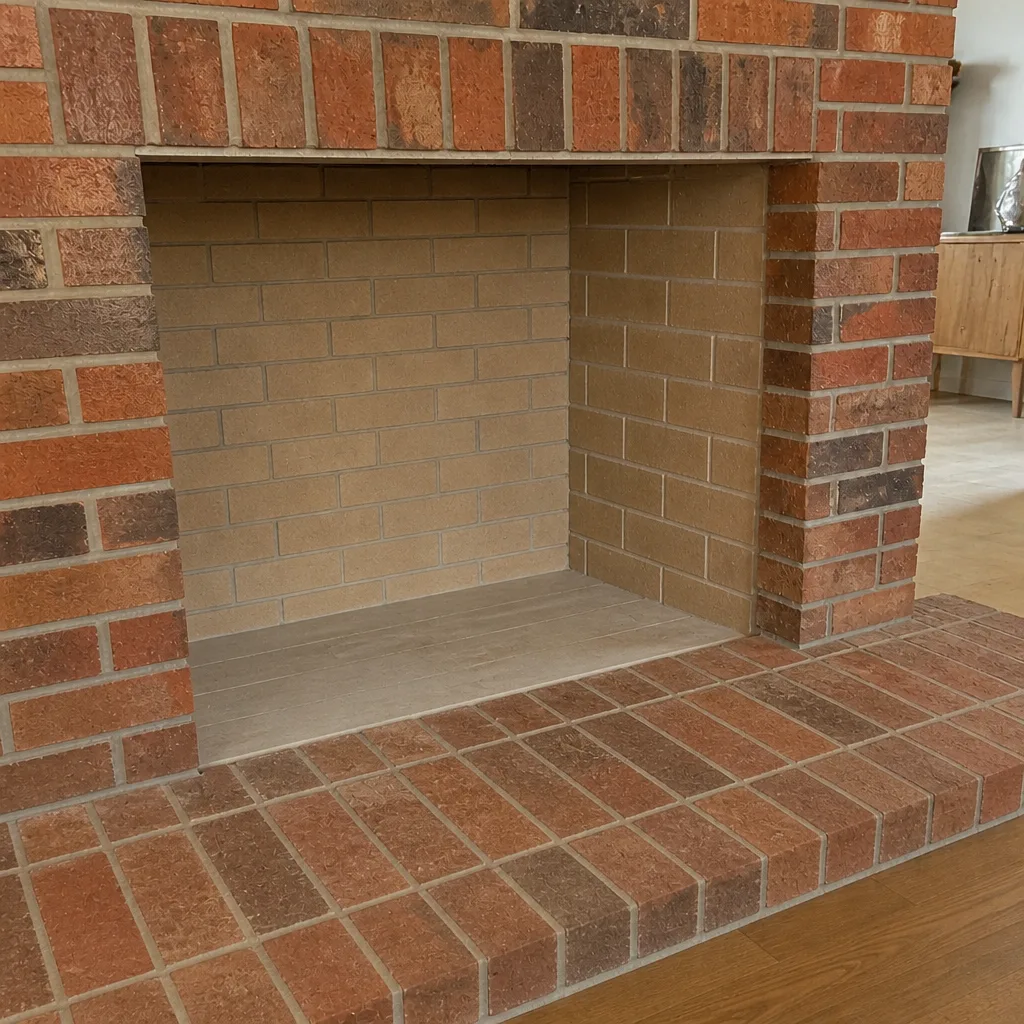
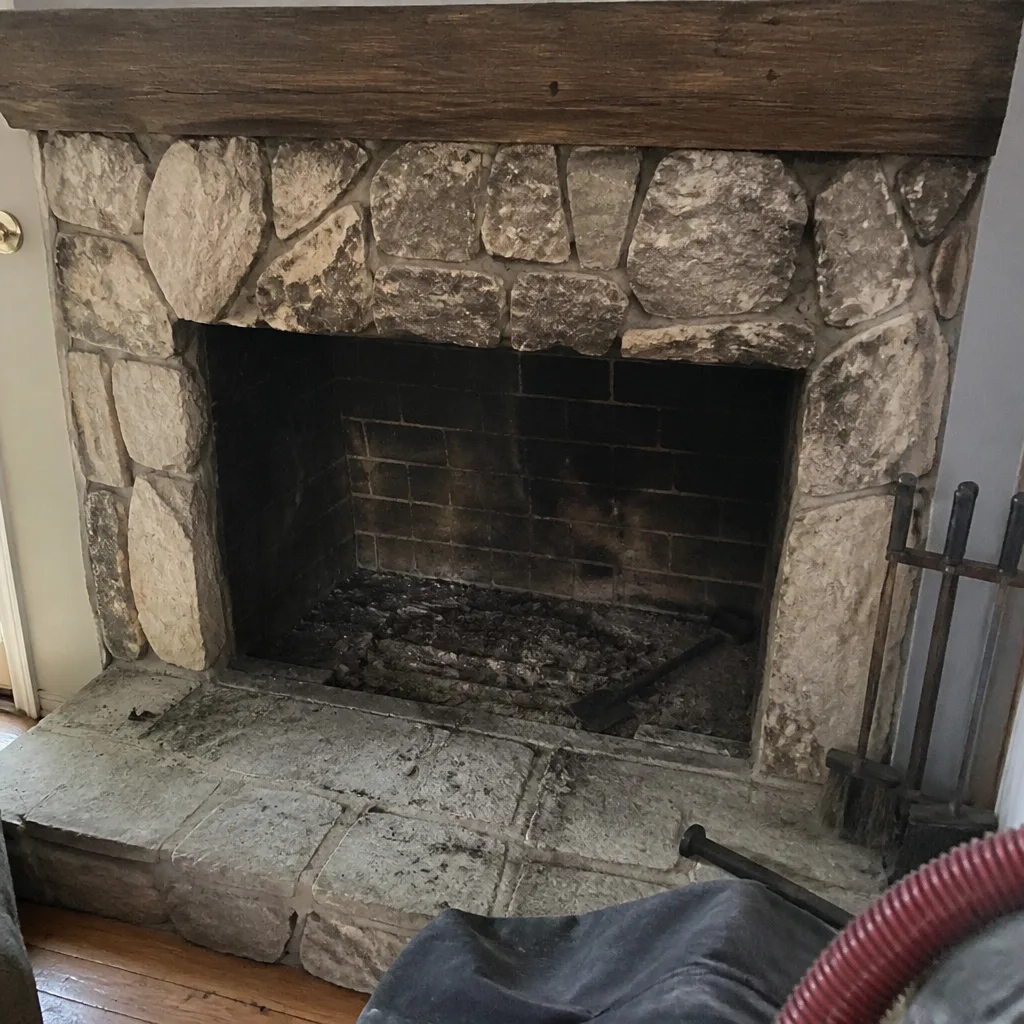
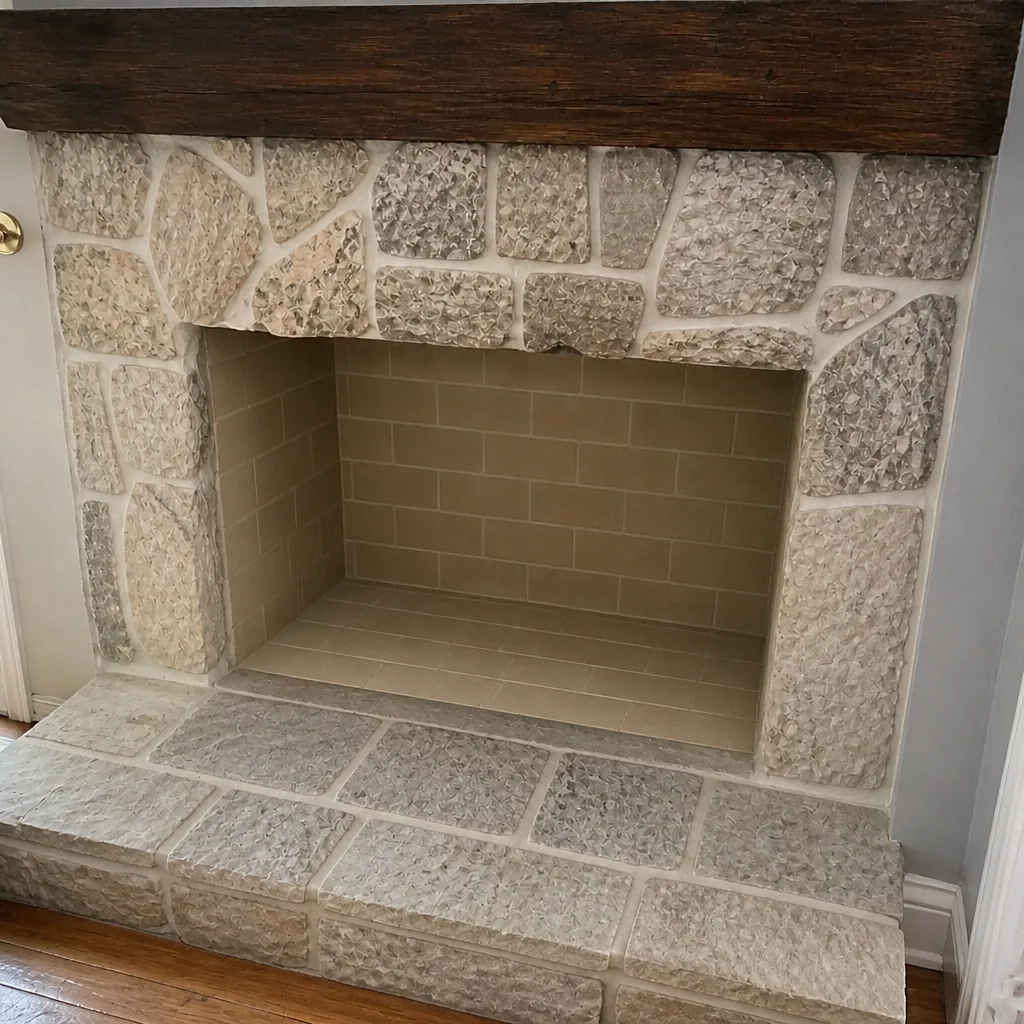
See the difference
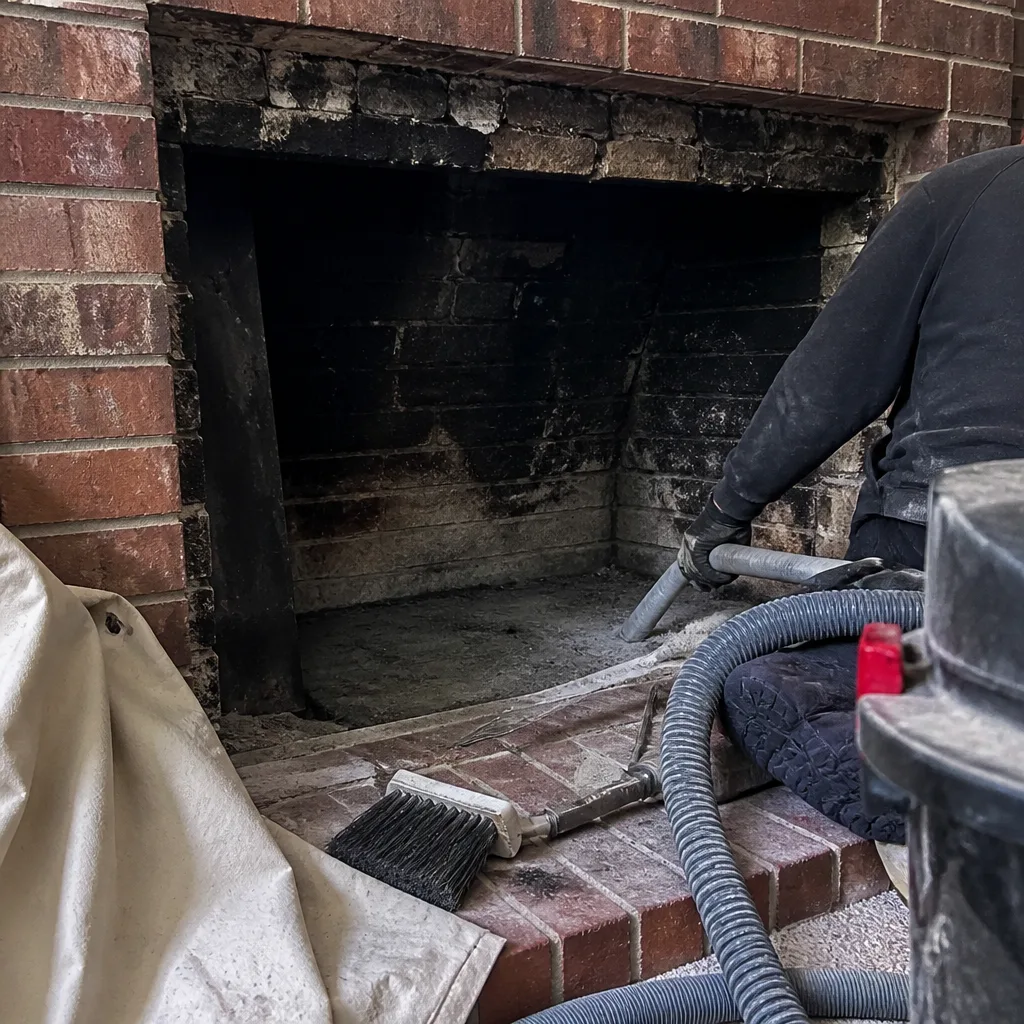 Before
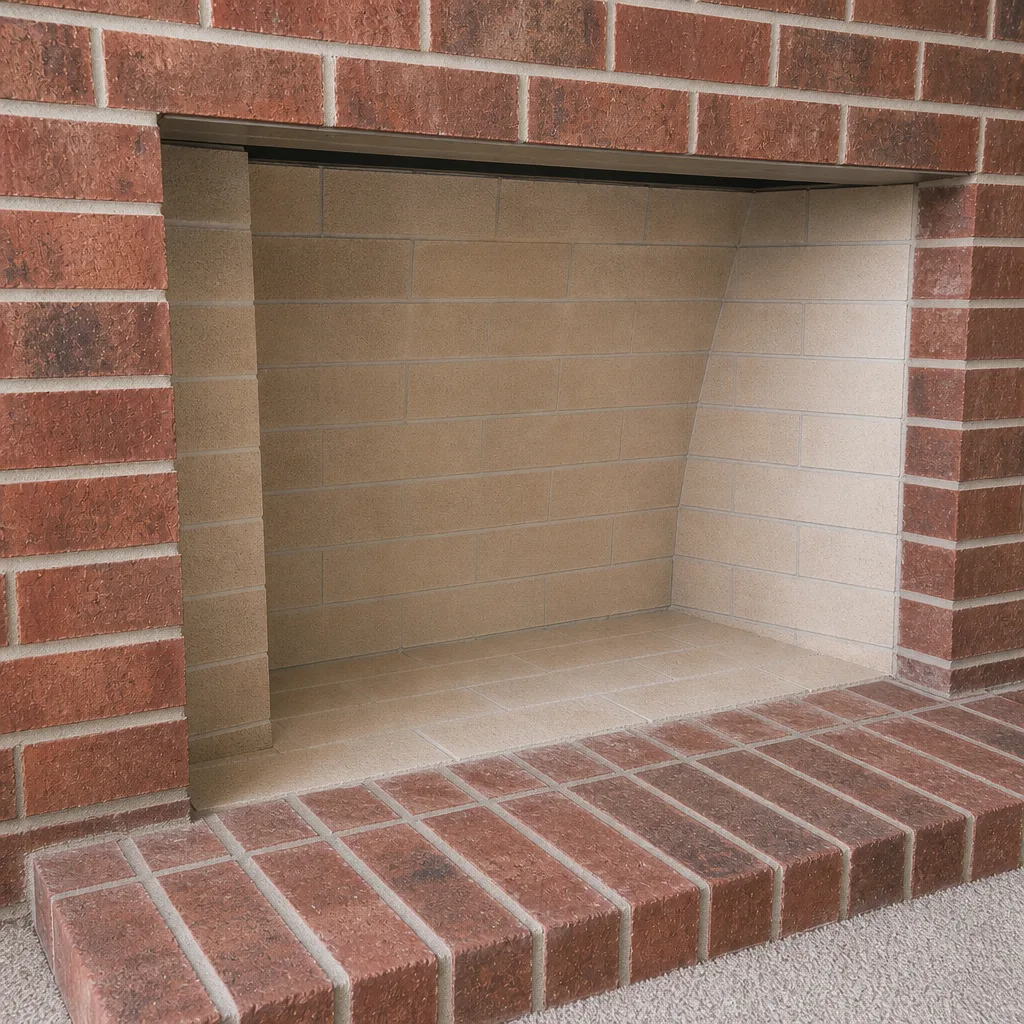 After
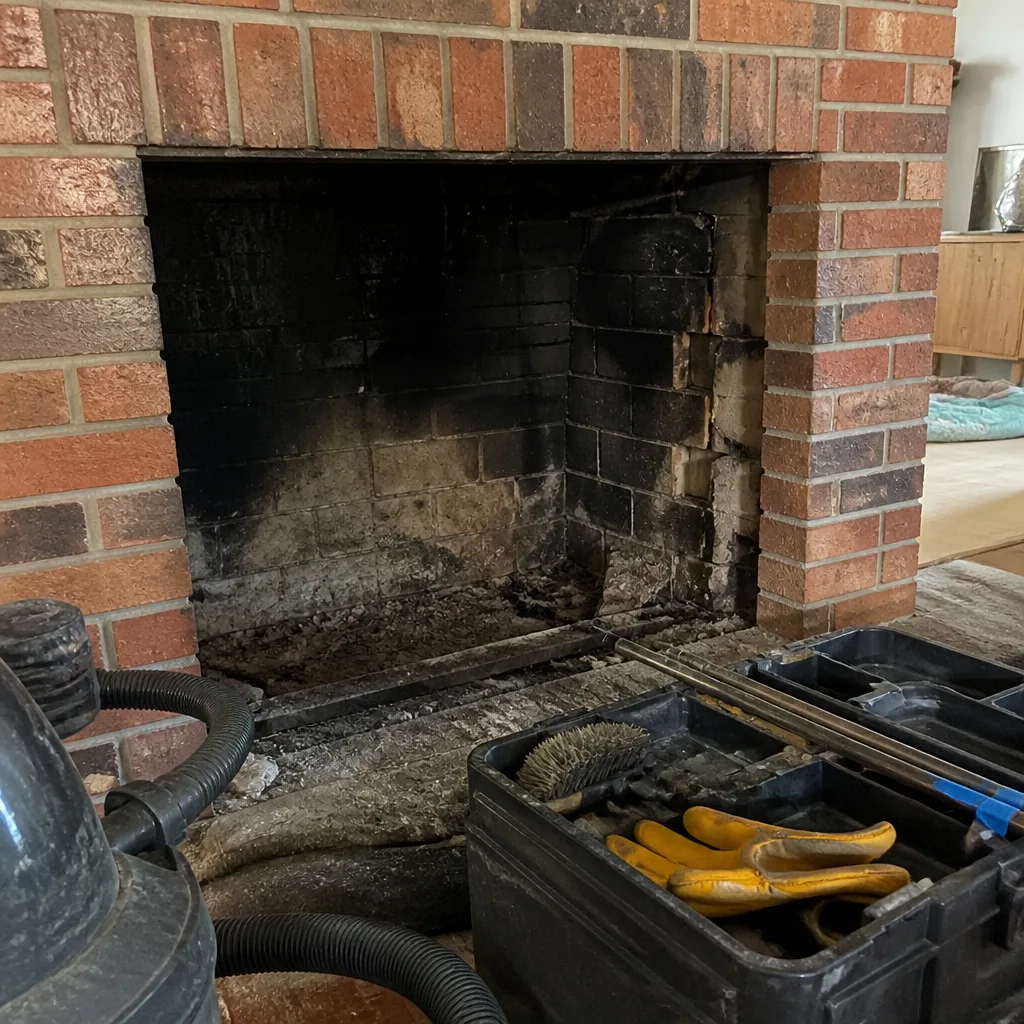 Before
 After
 Before
 After
When to Call a Professional
Call a professional when you see any stop-using sign from the list above, when the exterior shows spalling or returning efflorescence, when the odor persists outside the heating season, when you’re not sure how long it’s been since the last sweep, or before you buy a home with a chimney you can’t inspect. Call before the heating season starts rather than after. And call if you’ve had a chimney fire, whether or not you saw flames – a chimney fire can burn out quietly and still leave the flue structurally compromised. Chimney Sweep Sparks offers free estimates in Sparks. Call (855) 360-7181. Our technicians have up to 10 years of experience, and we handle sweep, repair, and inspection start to finish in one visit. We answer 24/7. Fast dispatch from 7am to 7pm, Sunday through Friday.
Frequently Asked Questions
White staining means water is moving through your masonry, and the question is how far it’s gotten. Early staining brushes off easily; returning staining with crumbling mortar or flaking brick faces is a structural repair. Either way, don’t power-wash it off. Schedule an inspection and we’ll trace the moisture path to its source.
Summer heat reverses the draft, pulling creosote odor down into the house instead of up and out. The smell itself tells you the creosote stage: mild woodsmoke is early buildup, a sharp acrid smell is denser creosote, and a tar or asphalt smell is glazed creosote that needs mechanical removal. Book a sweep in late summer before the fall rush. Call (855) 360-7181 for an exact quote – estimates are free.
For most wood-burning fireplaces, once a year is the standard planning interval, with more frequent sweeps if you burn heavily or burn unseasoned wood. The season here is long enough that a fall sweep is the practical norm. The chimney itself will tell you sooner if it’s under more load than the calendar suggests.
Usually yes, but the judgment is a professional one, and it depends on whether the aging is cosmetic or structural. In a high-UV climate like Sparks, a sun-facing chimney can look fine while a joint behind the crown has failed. If the masonry isn’t spalling and there’s no interior warning sign, monitor and schedule rather than stop. If you’re not sure which category you’re in, an inspection is cheaper than a rebuild.
A sweep removes what’s accumulated inside a sound chimney; a repair fixes something that’s failed or is failing. A camera inspection is what separates the two, and it’s what we do before recommending any work. Nothing we recommend goes forward without photographic evidence you can see yourself. Call (855) 360-7181 to arrange a Sparks inspection and free estimate.
You need a liner when the flue’s internal surface has failed, when the flue is unlined in an older masonry chimney, or when the geometry is wrong for the appliance. If the flue is sound and the draft is right, you don’t. You’ll see the photos from the camera inspection and you’ll see the condition yourself before any recommendation is made. If the liner can wait, we say so.
The Bottom Line
Your chimney gives notice long before it fails, in the specific languages of moisture, creosote, and draft. White staining means water is moving through the masonry; smoke rollout means the flue is obstructed or the draft is reversed; summer odor means creosote is off-gassing as the draft stalls; glazed black creosote means stop using the fireplace. Read these signs, sort them into stop-using and monitor-and-schedule, and handle the exterior walk in spring while the moisture damage is still visible. A sweep, a camera inspection, and an honest report on what needs fixing and what can wait is all the planning you need. Chimney Sweep Sparks handles all three, using professional-grade materials, and the estimate is free. Call (855) 360-7181. We answer 24/7. Fast dispatch from 7am to 7pm, Sunday through Friday.
Written by the team at Chimney Sweep Sparks.