
Last updated November 15, 2026
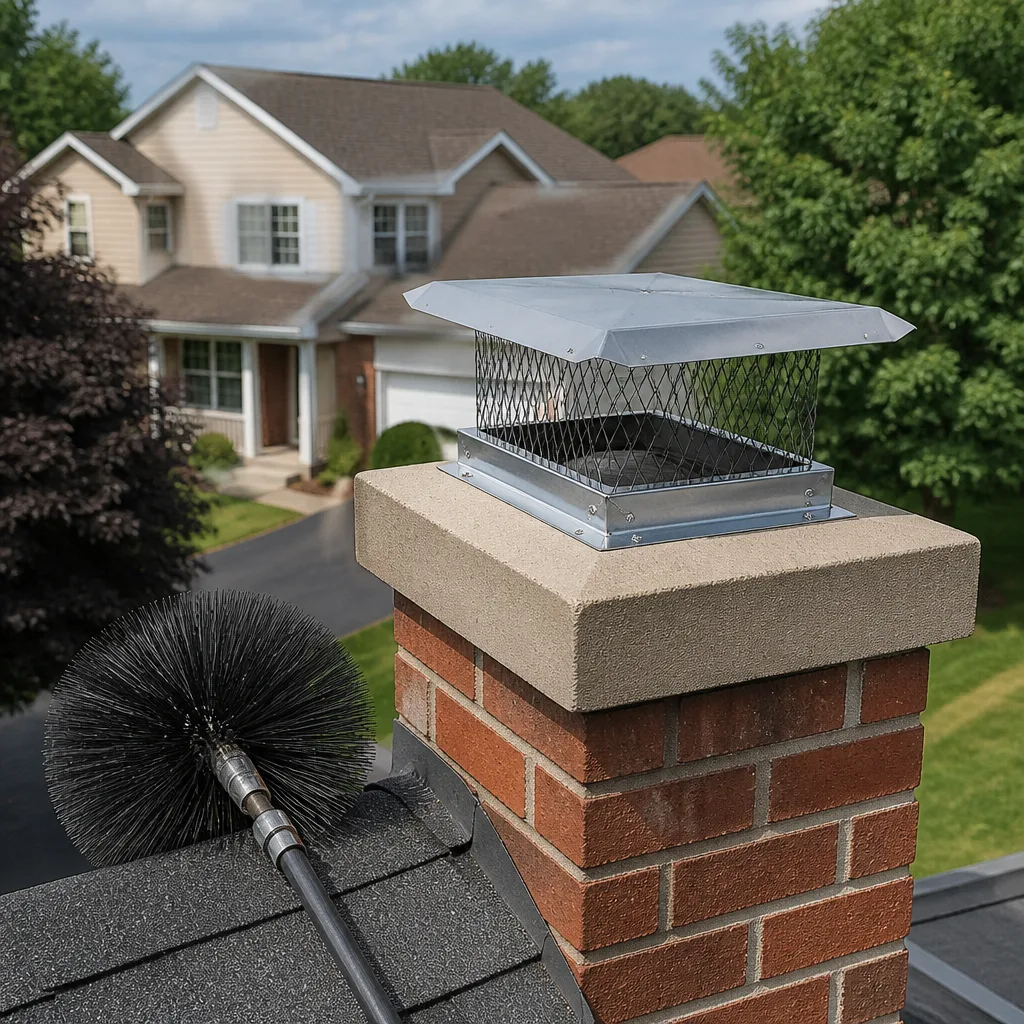 Sweep & inspection
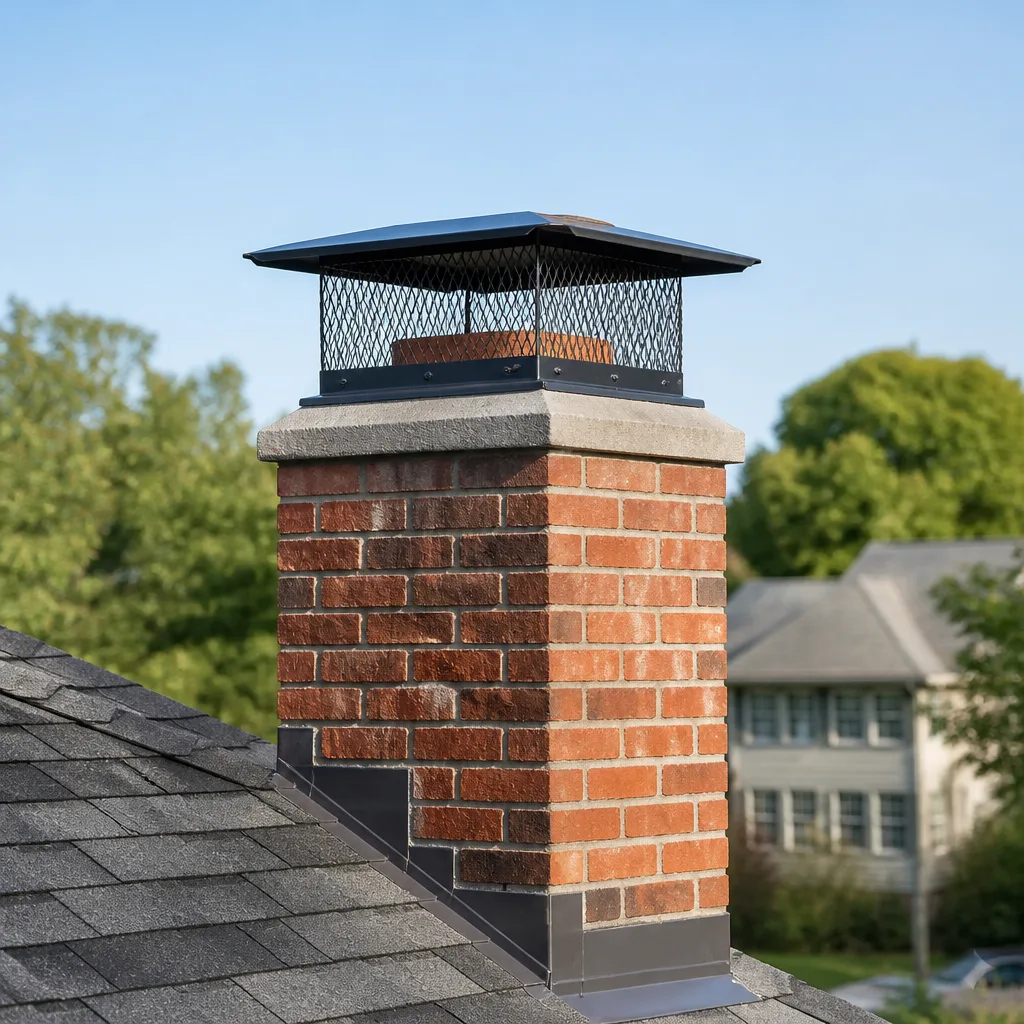 Caps & crowns
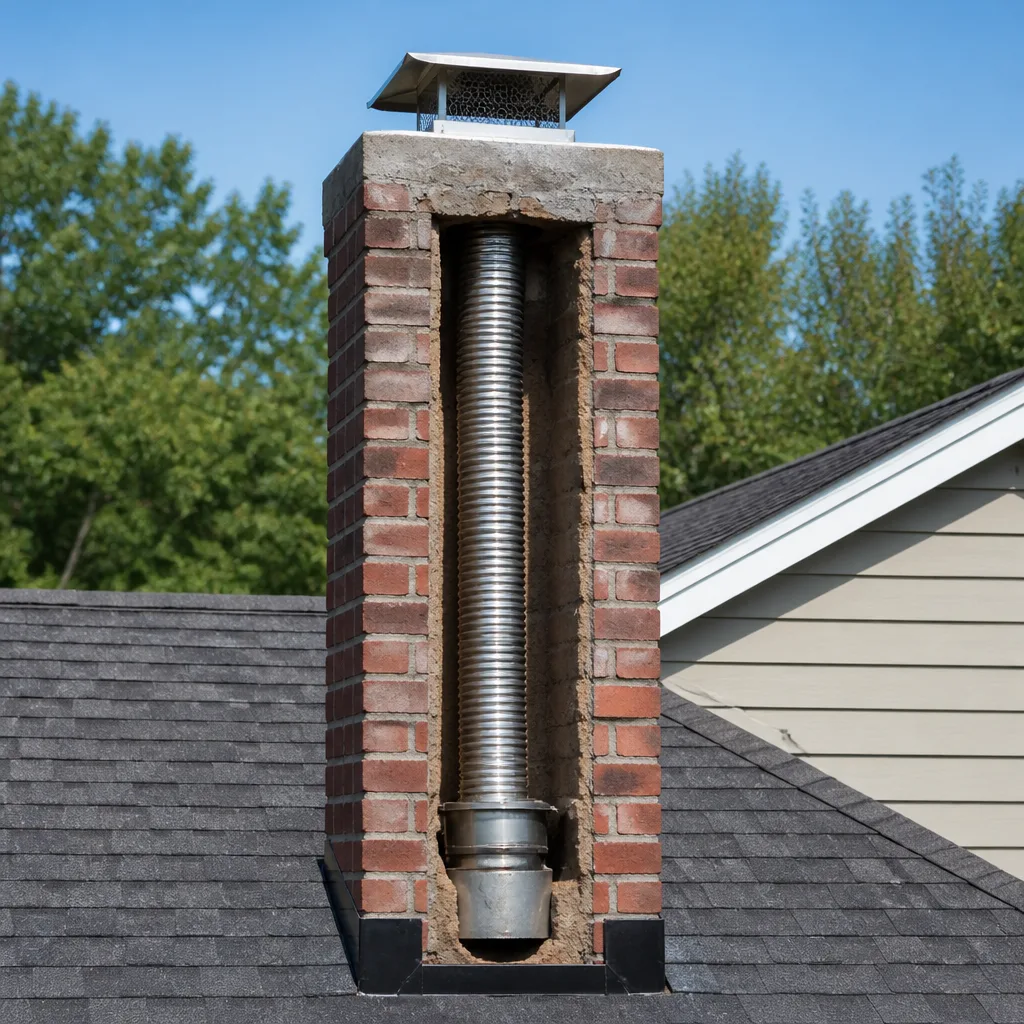 Flue relining
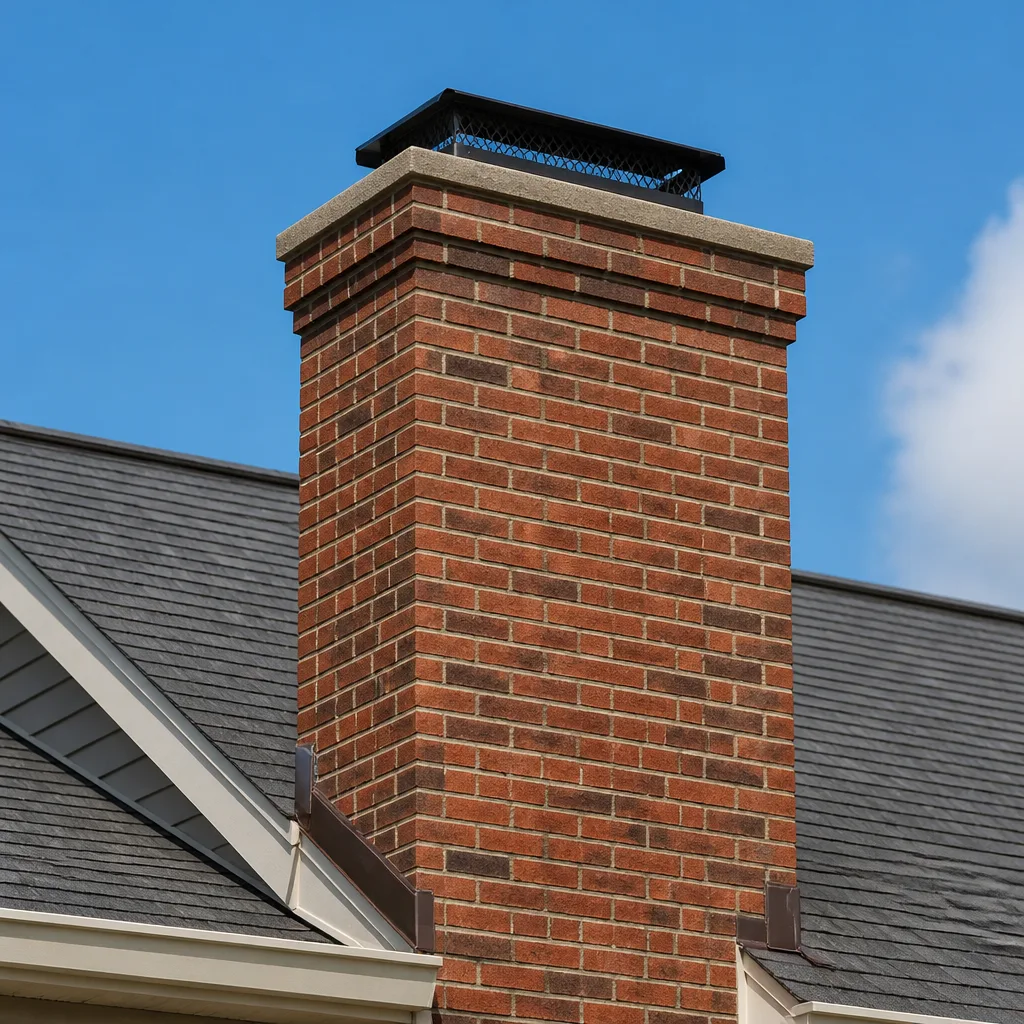 Masonry repair
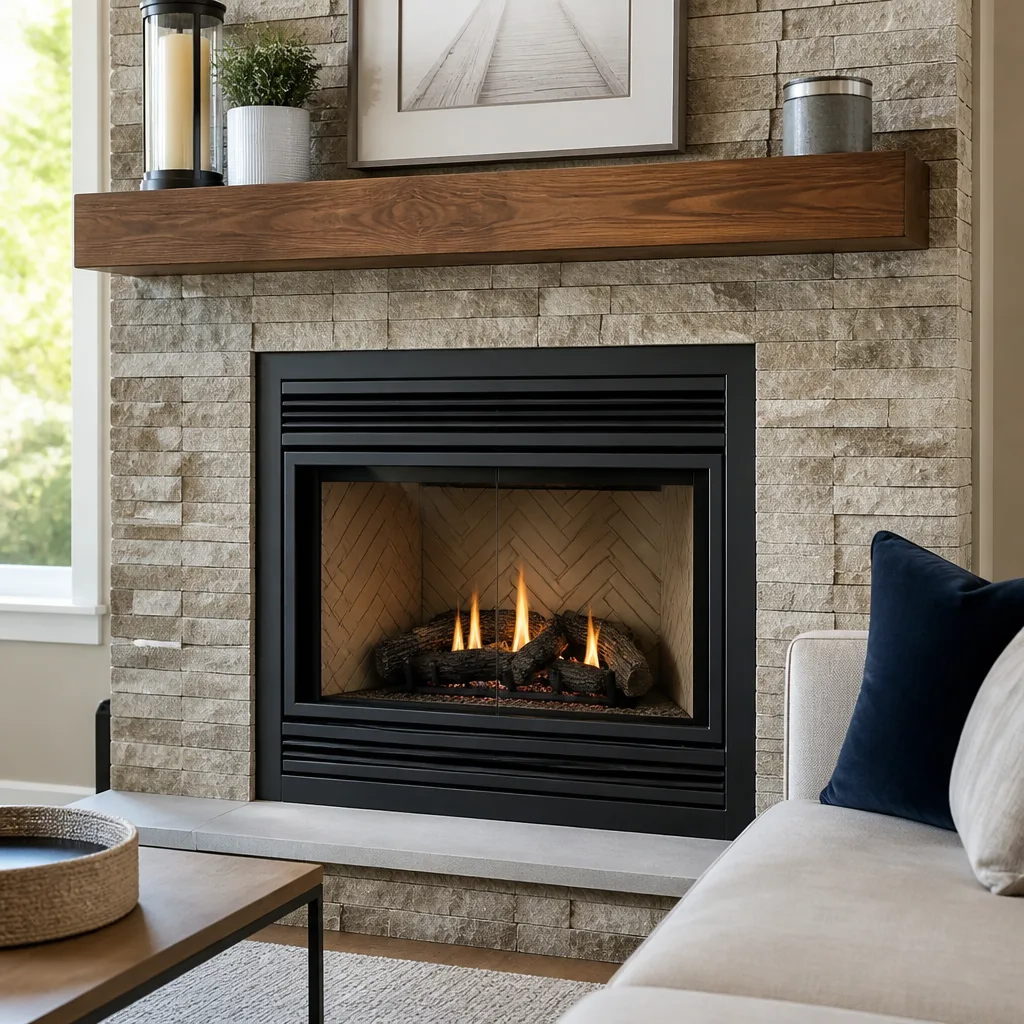 Gas fireplace service
Level 1 sweep and inspection to the NFPA 211 annual standard - flue, crown, cap, and flashing checked and photographed
Chimney sweep logs do not sweep chimneys. They loosen some creosote - which then falls where a brush and vacuum still have to collect it.
Seasonal Chimney Cleaning Care for Sparks: Year-Round Homeowner’s Guide
Scheduling your chimney sweep in October makes sense in theory. In Sparks, it also means you’ve spent all summer letting desert dust and UV degrade your crown and cap with zero intervention. Our climate doesn’t give a chimney a quiet off-season. It gives it four different kinds of stress, one right after another, and each one leaves a mark that shows up during burn season. By the time you smell smoke in the house or the flue starts pulling poorly, the damage has usually been building for months. This guide breaks down what Sparks actually does to a chimney in each season, why late summer is the highest-value inspection window in Northern Nevada, and how a two-appointment schedule keeps you ahead of damage instead of reacting to it.
Quick Answer
Chimney care in Sparks works best on a two-appointment annual schedule: an inspection in late August or September before burn season starts, and a spring check after snowmelt to catch moisture damage from the freeze-thaw cycle. Sweeping should happen when the flue has roughly an eighth of an inch of soot or creosote buildup, but in our high-desert climate the bigger risk is often structural decay from UV, dust, and winter moisture rather than soot alone. Treating it as one annual event means you’re always responding to problems that developed during the season you weren’t watching.
Styles & brands we work with
- Sweep & inspection
- Caps & crowns
- Flue relining
- Masonry repair
- Gas fireplace service
Table of Contents
- Why Sparks Chimneys Age in Four Different Ways
- Summer: Dust, UV, and the Damage You Can’t See
- Late Summer (August-September): The Inspection Window That Matters Most
- Fall: Fire Prep and the Creosote Question
- Winter: Freeze-Thaw and the Cold-Snap Stress Test
- Spring: Snowmelt, Moisture Intrusion, and Spalling Brick
- Off-Season Tasks: What Homeowners Can Do vs. What Needs a Certified Sweep
- Building Your Two-Appointment Annual Schedule
Why Sparks Chimneys Age in Four Different Ways
A chimney in Sparks faces a different set of pressures than one in a humid climate or a place with a mild, damp winter. Our summers are dry, hot, and bright. Our winters swing between freezing nights and mild days, which cycles the masonry through expansion and contraction more times than most homeowners realize. Spring brings snowmelt and rain to a structure that just spent months holding contractions. Fall is the only stretch that’s genuinely about burning.
That cycle has real consequences for the materials. Masonry, mortar joints, and the metal components of a cap or chase cover all respond to heat, cold, and moisture at different rates. The crown on top of the chimney is especially exposed since it’s the one horizontal surface that sees sun, snow, and standing water in rotation.
We’ve seen plenty of chimneys around town that looked fine from the driveway but needed attention within a few years because nobody monitored the crown or the flashing during the summer and spring. Here’s the pattern in short:
- Summer: UV bakes the crown, caulk, and chase cover while windblown dust settles into every crack.
- Fall: The first burns of the season reveal how well the flue is pulling and how much creosote built up last year.
- Winter: Freeze-thaw cycles widen hairline cracks into real ones, especially on older masonry.
- Spring: Snowmelt finds its way into those cracks, and the moisture starts doing structural work of its own.
None of that happens on a predictable schedule, which is why the calendar matters as much as the work itself. You can see the full scope of what a chimney sweep covers year-round, but the timing of when you book it changes what gets caught.
Summer: Dust, UV, and the Damage You Can’t See
Summer is the season most homeowners write off for chimney care, and that’s exactly the season that does the most slow damage in Sparks. The sun hits the crown and chase cover for months with no snow or rain to moderate the surface temperature. UV light breaks down the flexible sealants around the flue and cap, drying them into something brittle that cracks under the first freeze.
Meanwhile, windblown high-desert dust works its way into every gap. It settles into mortar joints, behind flashing, and into the small space between the cap and the flue. Dust on its own isn’t catastrophic, but it holds a little moisture when the first rain shows up and it gives organic material a place to sit. In our experience, a chimney that wasn’t touched between April and September usually shows more crown deterioration and caulk failure than one that had a quick summer check.
What this season actually attacks, in rough order of frequency:
- The crown: hairline cracks widen, and any crack wide enough to catch a fingernail is one that will hold water through winter.
- Cap and chase cover fasteners: UV dries out gaskets, and heat cycling loosens screws over time.
- Caulk and sealant at flashing: the most common failure point between the roof and the chimney.
- Exterior masonry: spalling brick on the sunny side of the chimney, which is often the south and west faces here.
This is the stretch of year where a homeowner can visibly check for damage without doing anything risky. Stand back from the chimney on a clear day and look at the crown with binoculars. Scan for cracks, crumbling, or a slope that tilts toward the flue instead of away from it. That visual check, done once in June and once in August, catches problems while they’re still cheap to fix. Anything that requires getting on the roof is a job for a professional.
Late Summer (August-September): The Inspection Window That Matters Most
If you only act once per year, late summer is the window to pick. Late August and September give you enough time to schedule an inspection, get any recommended repair done, and still have the system ready before the first real cold snap in Northern Nevada. October appointments are common, and by then a repair that needs a liner or a crown rebuild may not finish before you want to burn.
The inspection itself looks at more than soot. A full inspection in our trade works through the flue, firebox, damper, smoke chamber, crown, cap, flashing, and exterior masonry. It’s a structural audit as much as a safety check, and it’s what separates a real evaluation from the “run a brush up and call it clean” version. Our technicians have up to 10 years of experience working through these systems, and the inspection is where that experience pays off most.
Here’s what a late-summer inspection typically covers, step by step:
- Exterior walkaround: crown, cap, flashing, and the visible masonry from the roof line down.
- Firebox and damper check: cracks, gaps, and whether the damper seats properly.
- Smoke chamber inspection: this is where a lot of hidden creosote collects because the shape of the chamber slows exhaust gases.
- Flue scan: camera inspection for the full length of the flue, including offsets and any signs of liner deterioration.
- Report with photos: so the homeowner can see exactly what was found and what it means.
- Repair recommendations and scheduling: anything that needs addressing before burn season gets booked then, not in October.
Booking in late summer also means fewer surprises when you do start burning. If the liner needs attention or the crown needs sealing, you have a window to handle it without racing the weather. If everything checks out, you go into burn season with a photo report and a clear confidence that the system is ready. This is the single highest-value thing you can do for your chimney in Sparks each year, and the same logic applies across the region, which is why a Sparks-based assessment makes sense if you live anywhere in the area.
Fall: Fire Prep and the Creosote Question
Fall is where most of the chimney conversation happens, and for good reason. This is when the first burns of the season expose how well everything held together through the summer and how much creosote is sitting in the flue from last winter. Creosote is the byproduct of incomplete combustion, and it comes in three forms: a light soot that brushes out easily, a crunchy flaky deposit, and a hard glazed layer that behaves more like tar than a powder.
The third form is where chimney fires come from. Glazed creosote ignites at relatively low temperatures and burns hot enough to damage the flue and travel into the structure. You can’t judge which form you have by looking up the flue from the firebox with a flashlight. That’s why a proper sweep matters, and why the sweep is only useful if it’s done before the first serious fire.
Fall tasks split into two groups:
- Homeowner-level: clean out the firebox and ash pit, check that the damper opens and closes smoothly, verify the cap is intact, and confirm the wood you’re burning is properly seasoned (dry wood creates less creosote than green wood).
- Professional-level: the actual flue sweep, the inspection of the smoke chamber and liner, and any repair to the firebox or damper.
We build our full-service work around this idea: sweep, repair, and inspect as one job, so you’re not coordinating three different contractors for a problem that’s really one system. If the sweep turns up a crack in the firebox or a smoke chamber that needs parging, we can address it with the same visit. That full-range approach is what a dedicated chimney repair service should look like, and it’s the difference between a sweep that makes a recommendation and a company that can actually follow through on it.
Winter: Freeze-Thaw and the Cold-Snap Stress Test
Winter in Sparks looks milder than it is. Days are often sunny and above freezing, nights are cold. That daily swing is the hard part. Masonry, mortar, and the crown all expand slightly during the day and contract at night, and any existing crack gets cycled through that motion dozens of times per season. A hairline that didn’t matter in September becomes a real crack by February.
If moisture got into the masonry before the first freeze, it’s worse. Water expands as it freezes, and that expansion pushes against the surrounding material. Then it thaws, the water sits a little deeper, and the next freeze pushes again. That’s how spalling brick works: the face of the brick flakes away because the freeze-thaw cycle has fractured it from the inside.
The other winter risk is what happens during use. If the flue is partially blocked by creosote or debris, exhaust gases have nowhere to go but back into the room. Carbon monoxide is odorless, and a chimney that drafts poorly doesn’t always announce itself with a visible puff of smoke. Every heating season, people end up in the emergency room because a chimney they assumed was fine wasn’t.
A few winter habits that genuinely help:
- Keep an eye on the exterior for new cracks or dark streaks, especially after a cold snap.
- Watch the fire behavior. A fire that smokes into the room, pulls weakly, or smells differently is telling you something is off.
- Don’t burn unseasoned wood or trash – both create more creosote than dry hardwood.
- Keep a working carbon monoxide detector on every level of the home.
None of this replaces a proper sweep, but it catches problems early enough that you can schedule work before the end of the season rather than after.
Spring: Snowmelt, Moisture Intrusion, and Spalling Brick
Spring is the season that reveals what winter did. Snowmelt and rain hit a chimney that just went through months of freeze-thaw, and any crack that widened over the winter becomes a channel for water. The damage compounds fast in Sparks because the transition from freezing nights to warm days is abrupt. Water from melting snow soaks into masonry during the day, and a cold night pushes it through another freeze cycle.
The three failures we look for most in spring:
- Crown cracking: the crown is the horizontal slab on top of the chimney. Cracks that were cosmetic in September are often structural by April.
- Spalling brick: the face of the brick pops off or flakes, leaving a softer, more absorbent surface behind it.
- Flashing gaps: the metal that seals the roof to the chimney separates or its sealant fails, and water finds a path into the attic or ceiling.
A spring inspection catches these while the weather is warm enough to do the repair properly. It’s also the best time to evaluate whether the system needs relining. Older masonry chimneys, particularly clay-tile flues with visible cracks or gaps in the joints, often aren’t safe to burn in without a liner upgrade. When we recommend a liner, we’re usually working with DuraFlex or a comparable professional system because these are the products designed for the flexible, offset flue paths common in older homes. Product familiarity matters here – the same is true of the specialized repair materials we work with from HeatShield for ceramic flue resurfacing, which is a category of repair most general sweep services don’t handle.
Spring moisture problems don’t fix themselves by fall. The masonry that’s been through a full wet-dry cycle needs the repair before the next winter, or the same crack gets wider. A Chimney Sweep Sparks inspection in April or May gives you the full picture while there’s time to act on it.
Off-Season Tasks: What Homeowners Can Do vs. What Needs a Certified Sweep
Some chimney work is genuinely safe for a homeowner. Some of it isn’t, and the line matters because getting it wrong with a chimney is a fire risk or a fall risk. Here’s the split as we see it.
Homeowner-safe tasks
- Visual exterior check: binocular check of the crown, cap, and visible flashing from the ground. Note cracks, crumbling, or missing components for the inspector.
- Firebox cleanup: remove cooled ash, wipe down the firebox walls, and check that the damper opens and closes without binding.
- Wood storage: keep firewood covered and off the ground, well away from the exterior chimney wall.
- Detector checks: test smoke and carbon monoxide detectors monthly, replace batteries on schedule.
Tasks for a certified sweep
- Flue sweeping: this requires proper brushes, rods, and containment to do safely and cleanly.
- Creosote removal: glazed creosote is difficult and dangerous to address without the right tools and experience.
- Any roof-level work: chimney inspections from the roof are a fall hazard and shouldn’t be a homeowner job.
- Firebox and smoke chamber repair: refractory materials, mortar, and parging need to be applied by someone who knows the tolerances.
- Liner evaluation and installation: this is the area where the wrong call is a real safety issue.
The safe rule of thumb is simple: if it involves getting on the roof, opening up the flue, or working with the firebox refractory materials, it’s a professional job. Camera inspection is a good example. It’s not something a homeowner can do reliably, and it’s the single most useful diagnostic we run. When our technicians do a camera inspection, the photo report lets you see exactly what’s in your flue and make the decision with your own eyes. Some of the brand-level materials we carry, from manufacturers like Olympia Chimney or Gelco, exist precisely because they solve problems a camera inspection identifies.
Building Your Two-Appointment Annual Schedule
Two appointments a year covers both safety cleaning and structural monitoring without over-scheduling. One in late summer handles the sweep and the pre-season inspection. One in spring handles the post-winter evaluation, moisture damage assessment, and any repairs needed before the next cold season. That cadence also gives you a built-in annual record of the chimney’s condition, which matters if you’re ever selling the home or making an insurance claim.
Here’s the schedule we recommend for Sparks, mapped to the climate:
- Late August-September: full inspection, sweep if the flue is due, and any pre-season repairs. This is your safety appointment.
- Through fall and winter: monitor during use. Note anything that feels off – smoke, odor, draft problems, new exterior cracks.
- March-April: spring inspection after snowmelt. Focus on the crown, flashing, and spalling brick, since those show up most clearly after winter.
- Spring-summer: complete any repairs the spring inspection identified. Doing this early in the summer means the work cures and settles before fall.
- Summer: light visual monitoring. Note any new exterior changes and hold them for the late-summer inspection.
- Repeat: keep records of the date, what was found, and what was repaired.
For a wood-burning system that gets regular use, sweeping frequency really depends on use. Heavy use typically needs a sweep every year. Light use can stretch to every two or three years, but the inspection should still happen annually. Gas inserts change the picture – they still need inspection because the vent can deteriorate without producing visible soot, but the sweeping interval is different.
A properly sized liner matters more than homeowners often expect. Undersized liners create drafting problems, and oversized liners cool the exhaust too fast, which increases creosote buildup. That’s why flexibility of liner choice matters – a system like DuraFlex is designed for the range of flue shapes and offsets we see in this area, and the right pick depends on the actual measurements of your chimney, not a catalog default.
Common Mistakes to Avoid
- Booking the sweep in October. September is the last comfortable window in Sparks to get a real repair completed before burn season, and October appointments often push repairs into the middle of the cold.
- Skipping the spring inspection. Winter in Sparks does its damage quietly. The freeze-thaw cycle widens cracks that look minor in September, and those cracks become the entry point for moisture damage in April.
- Burning green wood because it’s cheap. Unseasoned wood produces more creosote than dry hardwood, and it costs you in sweep frequency and eventually in repairs.
- Assuming a chase cover is maintenance-free. UV exposure and thermal cycling loosen the seal at the top of a prefab chimney over a few summers. An annual check is the cheapest prevention you can do.
- Treating a gas insert as “no maintenance.” Gas systems don’t produce creosote, but the venting still needs inspection. A corroded or blocked vent is a carbon monoxide hazard whether or not there’s soot in it.
- Letting a chimney sit out of use for years without inspection. A chimney that hasn’t been used for a few seasons in Sparks is a good candidate for a spring inspection – the crown and flashing have been weathering without anyone watching them.
- Calling a generalist handyman for liner work. Liner installation, ceramic resurfacing, and firebox repair are specialized. When a system needs HeatShield resurfacing or a flexible liner installed, it’s worth using a company that does this work routinely rather than a general contractor who’s seen a few videos.
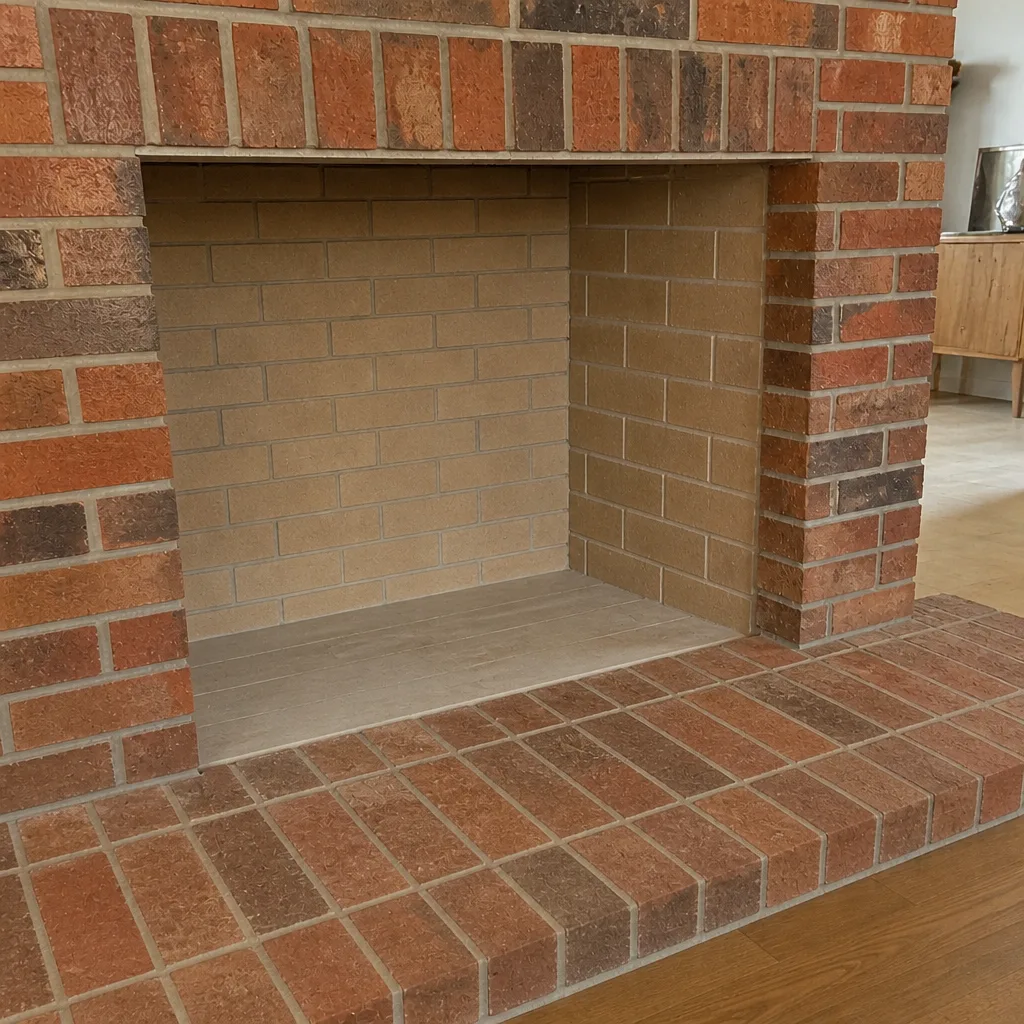
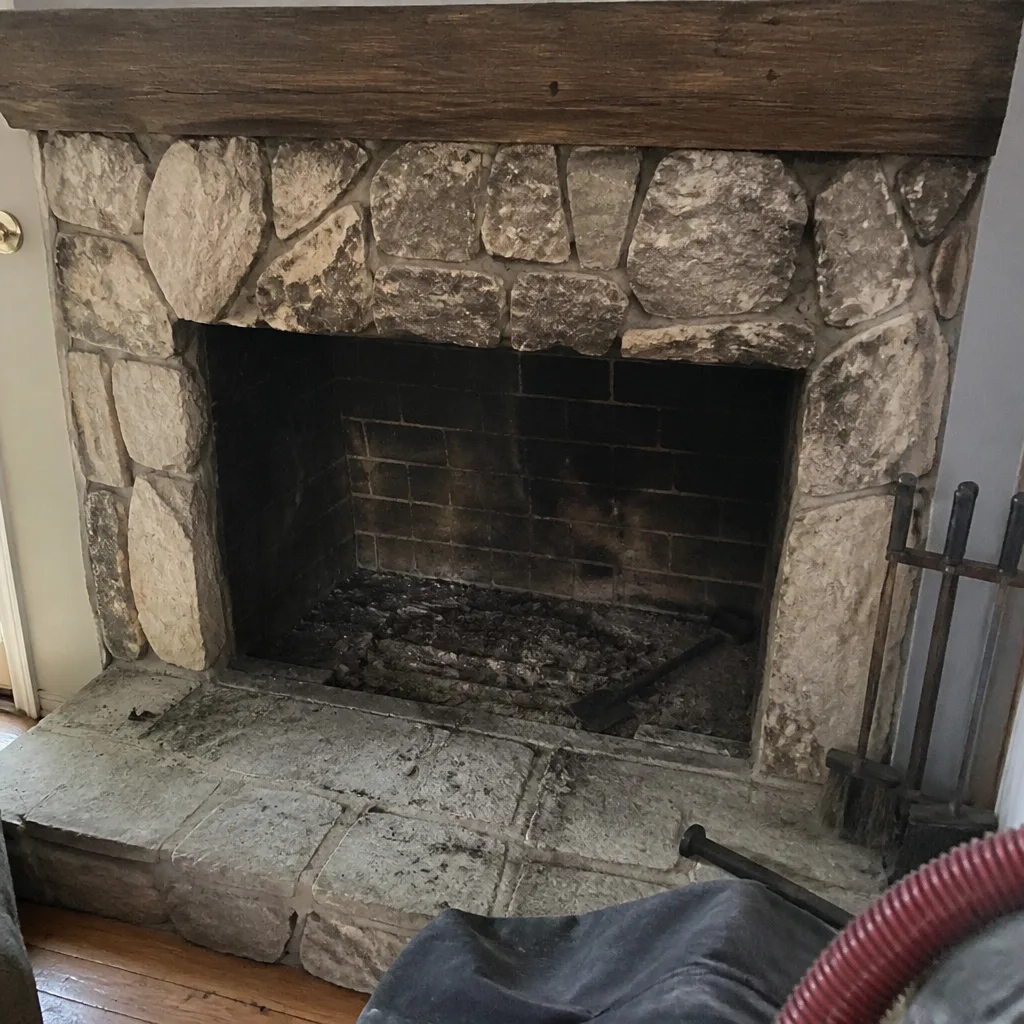
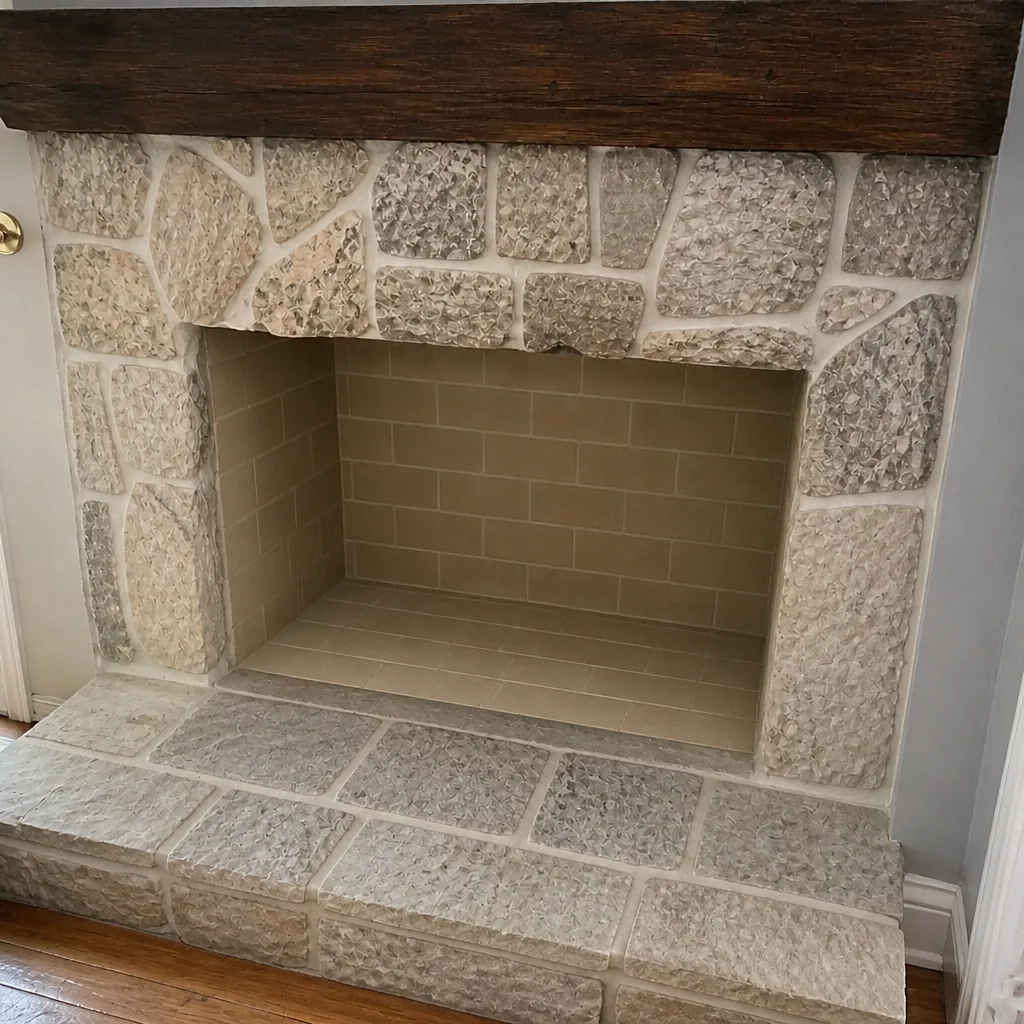
See the difference
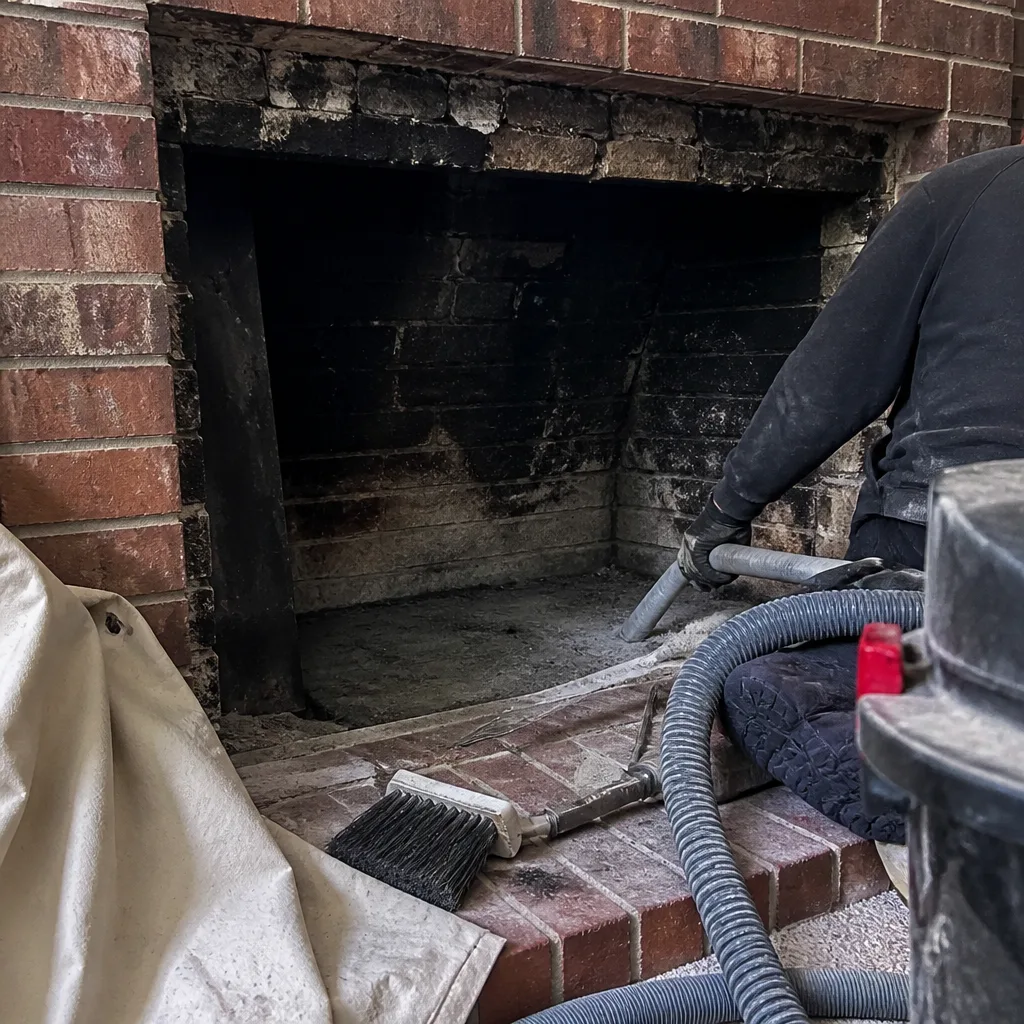 Before
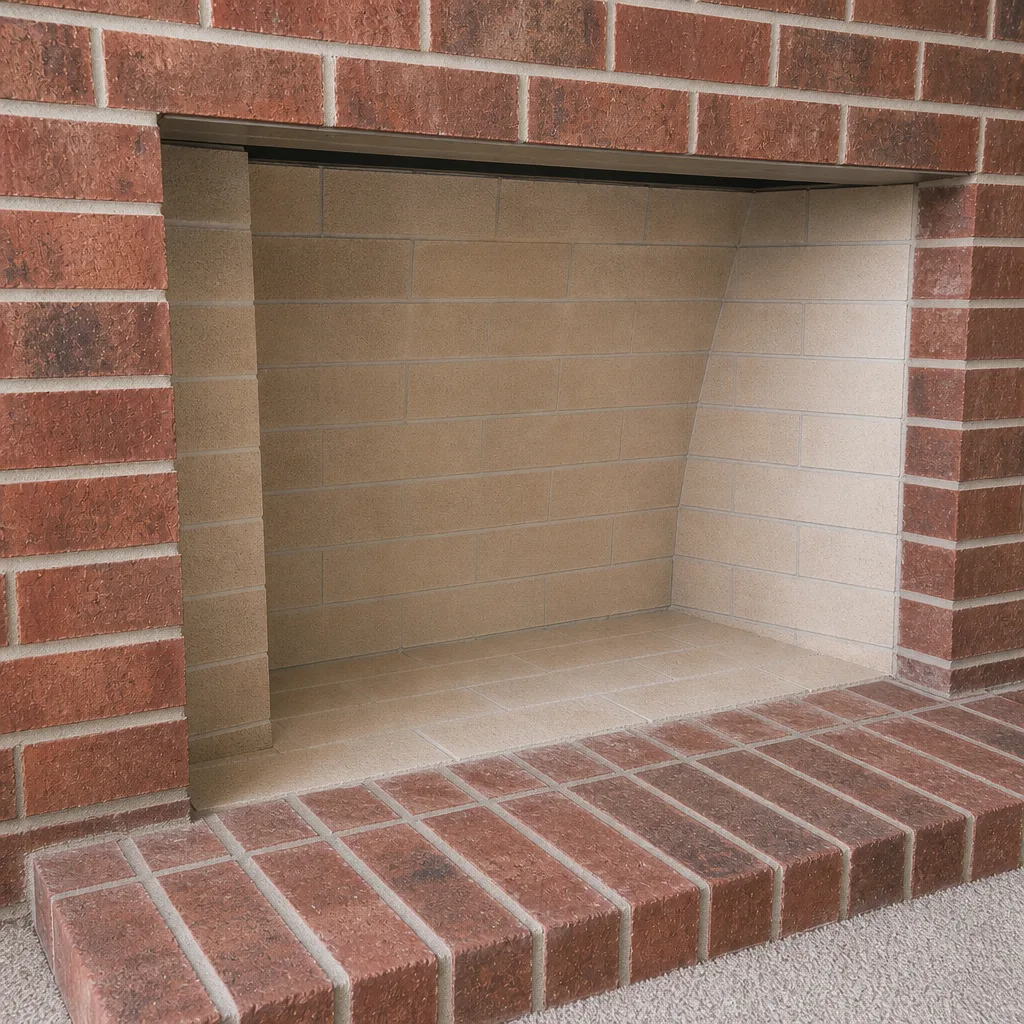 After
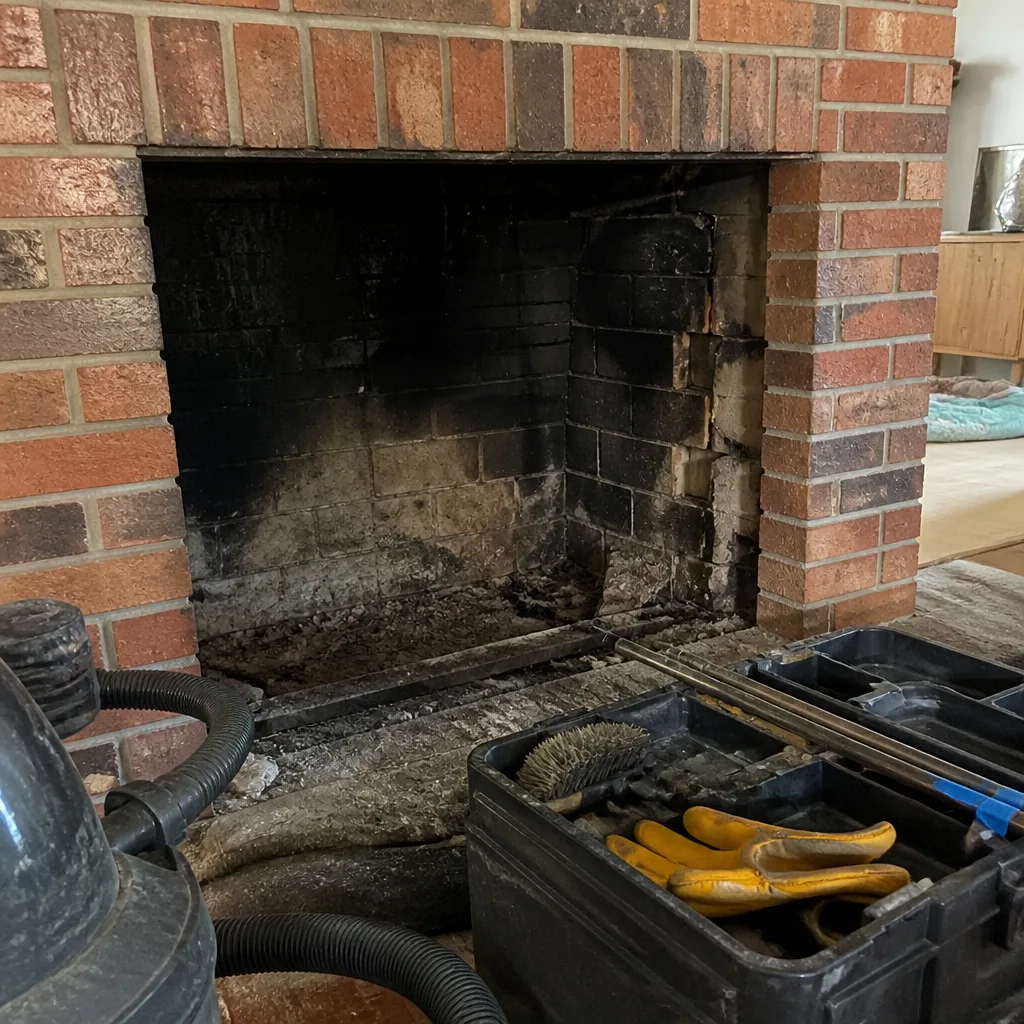 Before
 After
 Before
 After
When to Call a Professional
Call a professional if you haven’t had a chimney inspection in the past year, if you notice smoke pushing back into the room, if you smell a strong creosote odor during warm weather, if you see visible damage to the crown, cap, or flashing, or if the firebox has visible cracks or gaps in the seams. If the home has a gas insert, an inspection should happen regardless of visible function. If the chimney hasn’t been used for several years and you’re preparing to start using it again, that’s a professional appointment from the start.
A properly scheduled two-appointment year catches most of this before it becomes expensive. Chimney Sweep Sparks offers free estimates in Sparks – call (855) 360-7181. We answer 24/7, and fast dispatch runs from 7am to 7pm, Sunday through Friday. Every estimate is set per job by a written scope, and we don’t sell work the camera doesn’t show.
Frequently Asked Questions
Once a year for regular wood-burning use, and every two to three years for light use with an annual inspection in between. In Sparks, the sweeping interval depends more on how much you burn and how dry the wood is than on the calendar. The late-summer inspection is where we evaluate whether the flue has hit the buildup threshold (roughly an eighth of an inch of soot or creosote). Call (855) 360-7181 for an exact quote – estimates are free.
Not always, but the call should come from what a camera inspection shows, not from a visual glance. A clay-tile flue with cracks, gaps, or spalled joints usually needs a liner before it’s safe to burn in. A flue in good condition often doesn’t. When a liner is needed, we recommend professional systems like DuraFlex or Olympia Chimney based on the actual measurements and shape of the flue, not on a default catalog pick. Call (855) 360-7181 and we’ll walk you through what an inspection would cover.
Nothing dramatic in the first year – that’s exactly the problem. Skipped inspections in Sparks tend to show up two to four years later as crown deterioration, spalling brick, or a creeping creosote layer that raises the fire risk. The quiet failures are moisture damage in spring and glazed creosote buildup in winter, and neither shows up as an obvious symptom until it’s fairly advanced. Call (855) 360-7181 to schedule an inspection before the next burn season.
Yes, though the risk is different from a wood-burning chimney. Gas inserts don’t produce creosote, but the venting can corrode, block, or separate over time, and the failure mode is carbon monoxide rather than a chimney fire. An annual inspection checks the vent connector, the cap, and the overall draft. Call (855) 360-7181 for a free estimate on a gas insert inspection.
Yes for the safe ones, no for the ones that involve the roof or the flue interior. A ground-level binocular check of the crown, cap, and flashing is the most useful homeowner task, and it’s the one that catches the most problems early. Sweeping, camera inspection, firebox repair, and any roof-level work are professional jobs. Call (855) 360-7181 if you’re not sure which category a specific concern falls into – we’ll tell you straight.
Late summer for pre-season repairs, and spring for anything the winter exposed. August and September give a repair the best chance to be complete before burn season. April and May are the best window for moisture-related repair because the weather supports the work and the damage is most visible. The one window that doesn’t work is October through December, when repair scheduling competes with the first fires of the season. Call (855) 360-7181 to book at either of those points – estimates are free.
The Bottom Line
A Sparks chimney doesn’t have a single care cycle, it has four, and each season tests a different part of the system. Summer UV and dust quietly degrade the crown and cap. Fall is when creosote and fire prep take center stage. Winter’s freeze-thaw widens cracks a hairline at a time. Spring snowmelt finds every gap that opened over the winter. Two appointments a year – late summer and spring – cover both the safety cleaning and the structural monitoring that keeps each season’s damage from compounding. Chimney Sweep Sparks handles sweep, repair, and inspection as one service, with camera documentation of everything we find. Call (855) 360-7181 to schedule a free estimate before the next season gets ahead of you.
Written by the team at Chimney Sweep Sparks.