
Last updated November 15, 2026
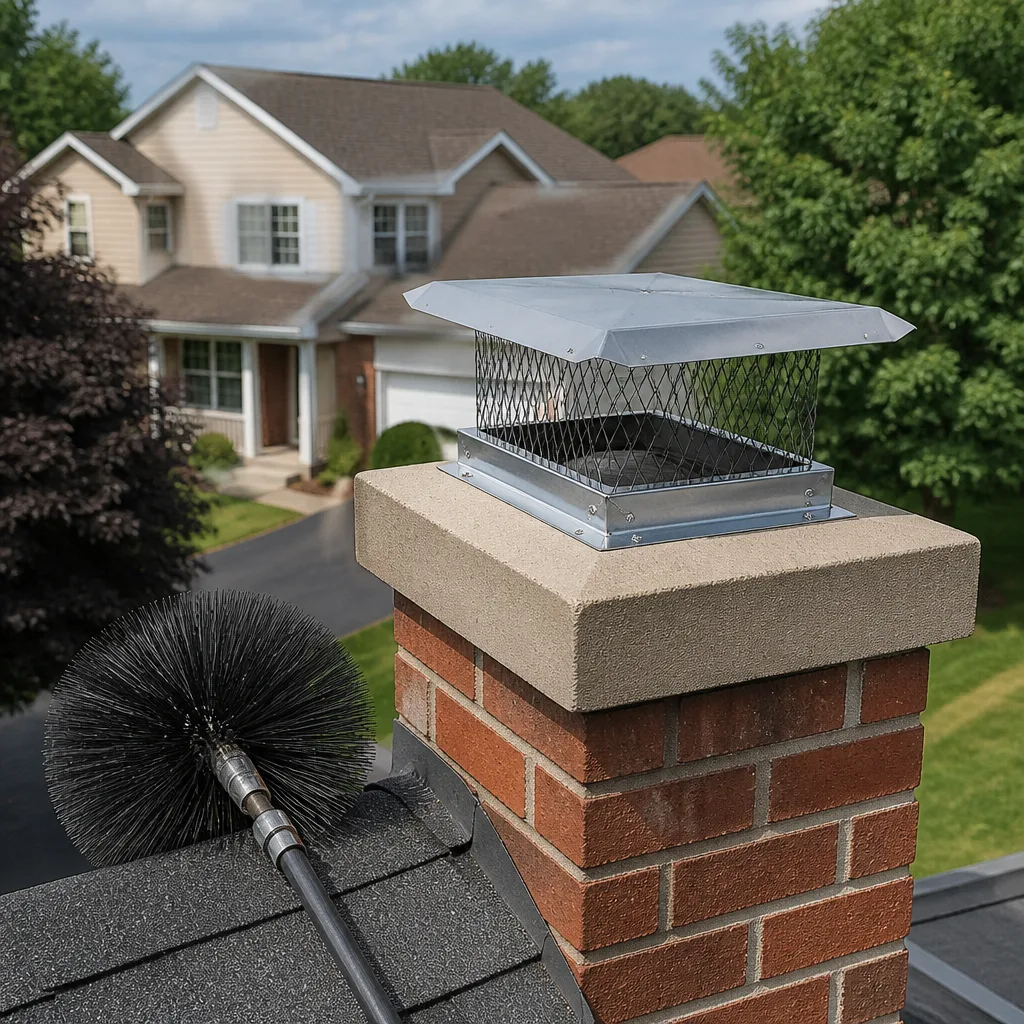 Sweep & inspection
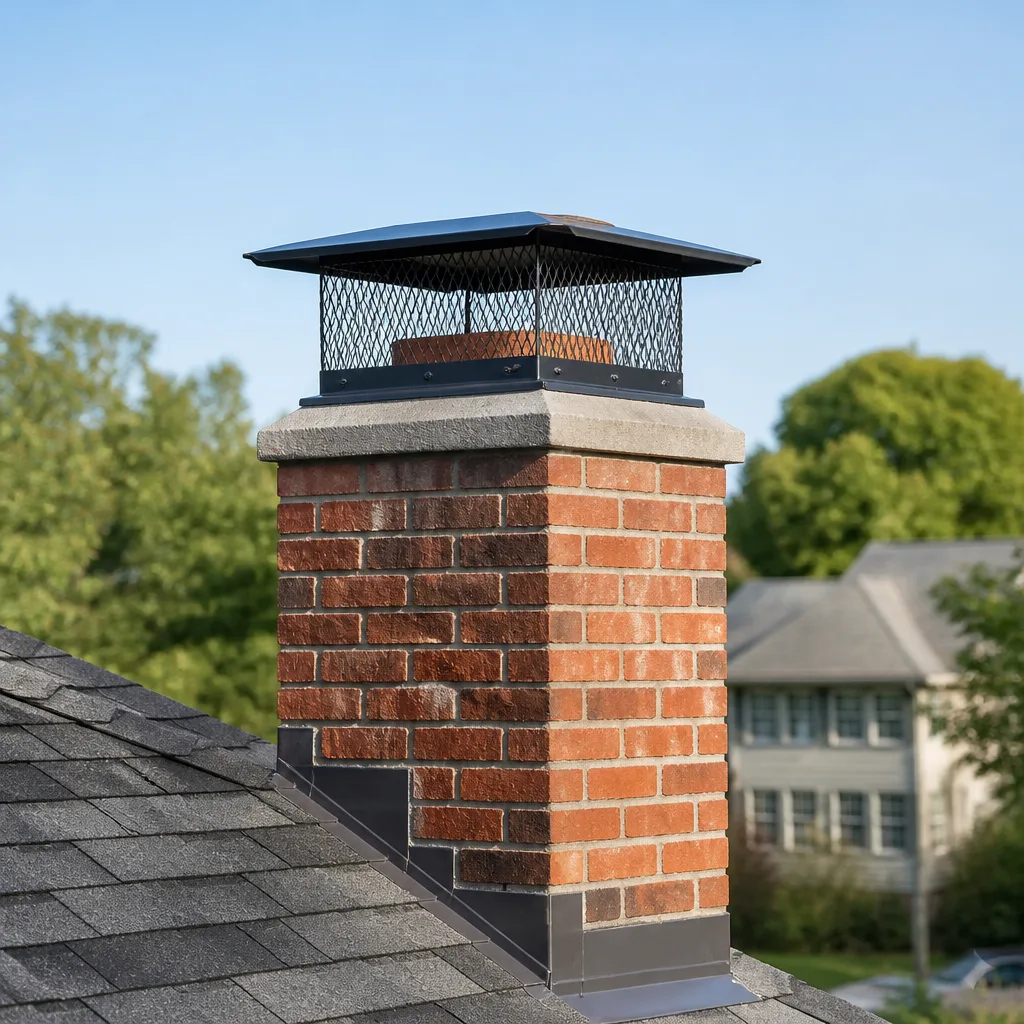 Caps & crowns
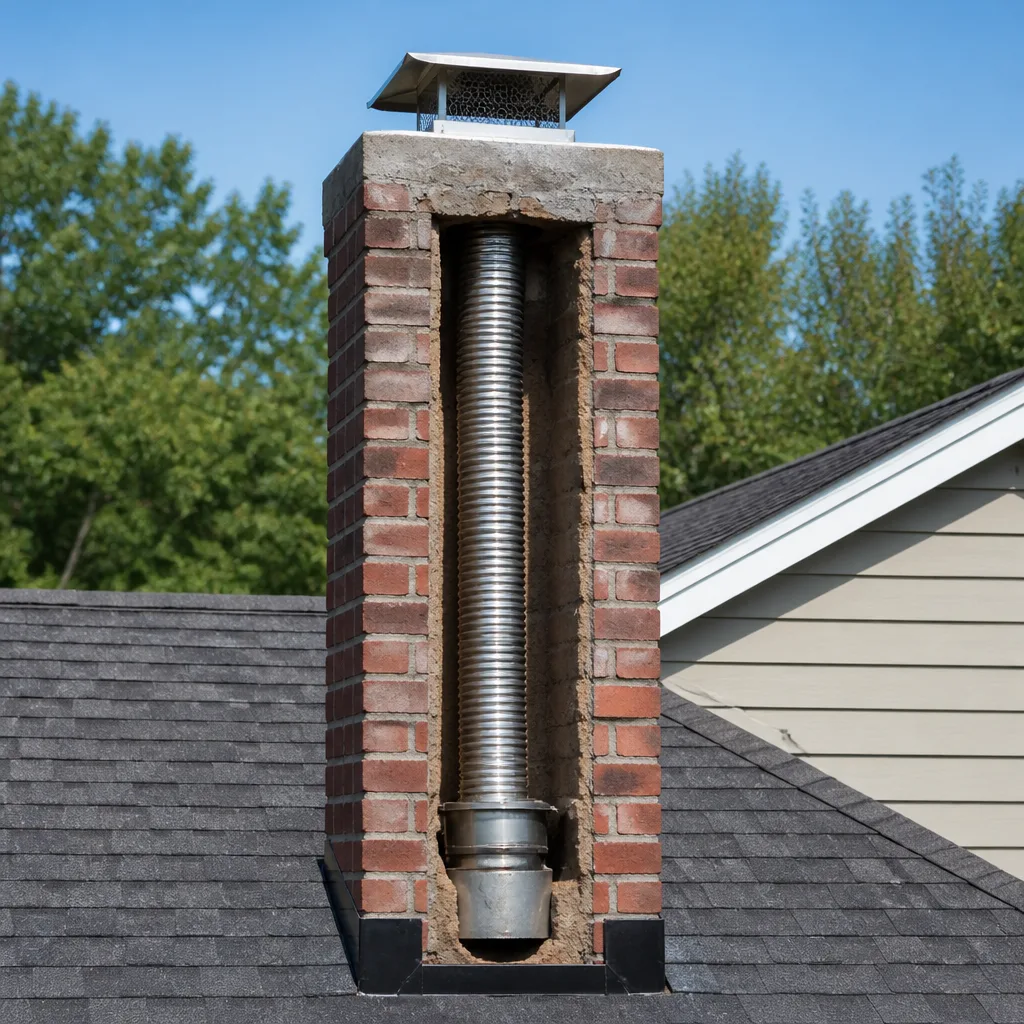 Flue relining
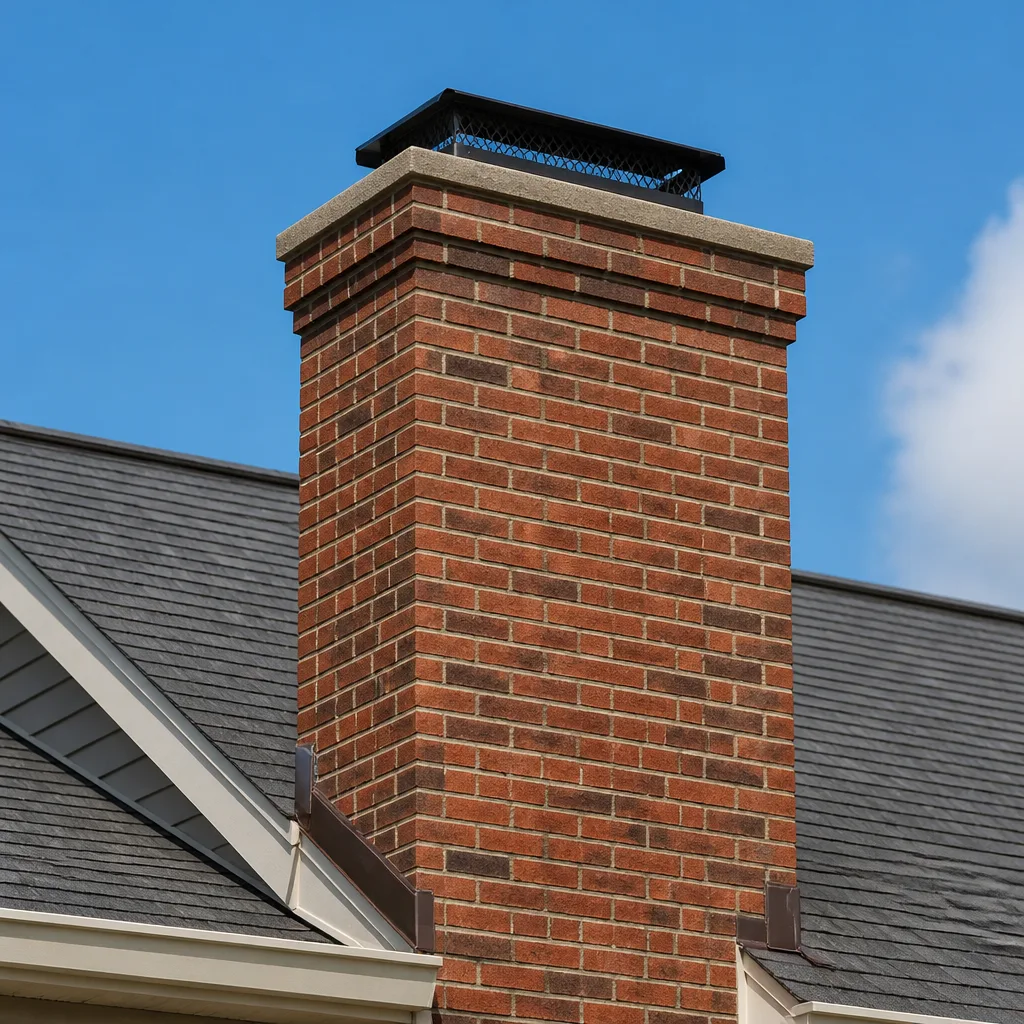 Masonry repair
 Gas fireplace service
Level 1 sweep and inspection to the NFPA 211 annual standard - flue, crown, cap, and flashing checked and photographed
Chimney sweep logs do not sweep chimneys. They loosen some creosote - which then falls where a brush and vacuum still have to collect it.
Chimney Cleaning Permits, Codes & Inspections in Sparks, NV: What You Need to Know
Most chimney cleaning doesn’t need a permit. That surprises people, and it shouldn’t, because sweeping is maintenance. The trouble starts one step later. When a sweep finds cracked flue tiles, a rusted liner, or a firebox that’s spalled and loose, the fix is no longer cleaning. It’s construction work, and in Sparks that work usually needs a permit. Homeowners often don’t learn the difference until an appraiser or a buyer’s inspector asks for paperwork at resale. This guide draws the line clearly: what’s routine maintenance, what’s permitted work, which inspections are legally triggered, and how to pull records from the City of Sparks so you can prove what was done.
Quick Answer
Plain chimney cleaning in Sparks, NV does not require a building permit. Chimney repair that changes the structure or the flue system does. Liner replacement, firebox rebuilding, and new appliance installation all require a permit through the City of Sparks Development Services, and the work must meet NFPA 211 and IRC Chapter 10 standards. A Level 2 inspection is legally expected at a real estate transaction, after an appliance change, or following any chimney fire.
Styles & brands we work with
- Sweep & inspection
- Caps & crowns
- Flue relining
- Masonry repair
- Gas fireplace service
Table of Contents
- Where Cleaning Ends and Permitted Work Begins
- What Nevada Code and Local Enforcement Actually Require
- NFPA 211 and IRC Chapter 10: The Standards Behind the Permit
- When a Level 2 Inspection Becomes Legally Required
- How Unpermitted Chimney Work Surfaces at Resale
- How to Request Inspection Records From the City of Sparks
- Why Sparks Climate Makes Code Compliance Matter More
- The Permit Process, Step by Step
Where Cleaning Ends and Permitted Work Begins
The dividing line is straightforward, even if it rarely gets explained at the kitchen table. A sweep removes creosote, soot, and obstruction. A repair changes something structural. The first is maintenance. The second is construction, and construction in Sparks is regulated.
Here’s the working list we use when a homeowner asks whether their job needs a permit:
- No permit needed: routine sweeping, a Level 1 inspection, a chimney cap replacement, and minor hardware like a damper handle. These are maintenance tasks that restore function without altering the system.
- Permit required: relining a flue, whether with a stainless system or a cast-in-place ceramic resurfacing. Rebuilding a firebox or smoke chamber. Replacing a chimney above the roofline. Installing a new wood stove, gas insert, or fireplace appliance.
- Permit likely required: altering the chimney chase, changing the height of a flue termination, or converting a wood-burning fireplace to gas. Anything that touches venting configuration falls into permit territory.
The reason this matters is that a homeowner can easily end up with permitted work done under the cover of a cleaning appointment. That’s the scenario worth avoiding. If a technician climbs down and says the flue needs a liner, that’s a repair decision, not a cleaning decision, and it should be separated out, priced in writing, and permitted properly. The two jobs shouldn’t blur together.
We handle all three pillars of chimney care, which means the sweep and the repair conversation happen with the same people. That doesn’t change the permit requirement, but it does mean nobody gets to hand off responsibility. When we find damage that needs permitted work, we say so plainly and put it in the estimate.
What Nevada Code and Local Enforcement Actually Require
Nevada adopts the International Residential Code with local amendments, and chimney and venting provisions fall under that adoption. The practical enforcement happens at the city level. In Sparks, the City of Sparks Development Services is the authority having jurisdiction, or AHJ, and that’s the office that reviews and issues permits for chimney and fireplace work.
What that means in practice:
- Permitted structural work gets a plan review. When you pull a permit for a liner replacement or firebox rebuild, the AHJ reviews the scope against code before work starts. Most liners pass review easily when the contractor lists the correct UL-listed system for the appliance type.
- An inspection happens before the flue is closed up. That’s the critical checkpoint. The inspector needs to see the liner, the connections, and the clearances before the chimney cap and facing go back on.
- Final sign-off means the work is documented. That paper trail is what a future buyer’s inspector will ask for.
One thing worth understanding: Nevada Revised Statutes set the framework for building codes statewide, but the actual permit triggers come from the adopted code and local amendments rather than the statutes themselves. If you’re trying to figure out whether a specific job needs a permit, the right question isn’t “what does Nevada law say,” it’s “what does the City of Sparks require for this scope.” Those are different questions, and calling the AHJ directly settles it faster than any online search.
Our technicians have up to 10 years of experience, and a fair amount of that time goes into reading a job correctly before touching it. Knowing what needs a permit before we start keeps homeowners out of the resale mess described further down.
NFPA 211 and IRC Chapter 10: The Standards Behind the Permit
The permit is the process. The standards are the substance. Two documents do most of the work here, and homeowners benefit from knowing what they are.
NFPA 211 is the standard for chimneys, fireplaces, vents, and solid fuel-burning appliances. It defines inspection levels, sets clearance requirements, and specifies what makes a flue safe to use. When a technician says your clearance to combustibles is insufficient, that judgment comes from NFPA 211.
IRC Chapter 10 covers chimneys and fireplaces in the residential code, including masonry construction requirements, liner specifications, hearth extension dimensions, and termination height rules. When a permit reviewer checks your liner installation against code, IRC Chapter 10 is generally the reference.
What’s actually enforced in Sparks versus what’s on the books in the standard isn’t always identical, and that gap trips people up. Picture a masonry chimney that’s intact and functional but goes above the minimum flue height by a marginal amount. It passed when it was built. It’ll likely pass again if inspected. Now picture a homeowner adding a taller appliance connector that changes the effective termination height. In that case the AHJ will want the new configuration to match current code, not the code from whenever the house was built. That’s a normal part of permitted work and the reason permits exist.
- Clearances: the distance from the chimney chase to framing and combustibles, typically checked during a Level 2 inspection.
- Liner integrity: whether a flue is lined, whether the liner is appropriate to the appliance, and whether it’s continuous from the appliance connection to the termination.
- Termination height: the 3-2-10 rule for chimneys, which sets how high a flue must extend above the roof and nearby obstructions.
- Hearth and hearth extension: the noncombustible area in front of and beneath the firebox opening.
None of this is exotic. It’s the same checklist every chimney contractor should know cold, and it’s the checklist our licensed technicians work from on a chimney repair job in Sparks.
When a Level 2 Inspection Becomes Legally Required
A Level 2 inspection is a specific, defined scope: it’s an inspection of accessible chimney portions, including all flue and vent connections, using video scanning where practical. It’s not an upsell. It’s the level of inspection the relevant standards call for under particular circumstances, and one of those circumstances is the point when it becomes effectively legally required.
The triggers are:
- Real estate transactions. When a house changes hands, a Level 2 inspection is the standard of care that buyers, sellers, and their inspectors rely on. If a Sparks home goes under contract and the buyer’s inspector asks for a chimney report, a Level 1 sweep record isn’t enough. The buyer wants the video scan.
- Appliance changes. Installing a new wood stove, gas insert, or a different appliance type in an existing chimney means the venting configuration has to be evaluated against the standards for that appliance.
- After any chimney fire or event. If there’s been a chimney fire, a partial collapse, or a flue fire inside the home, a Level 2 inspection determines whether the flue is still serviceable before anybody lights another fire.
- After a prolonged period of disuse. A chimney that sat idle for years may have developed cracking, nesting, or liner failure that only a camera scan reveals.
Our inspection work includes camera scanning and a photo report, so you can see exactly what we see. That matters enormously in a resale context, because a report nobody can interpret isn’t evidence. A photo report showing the flue’s interior is.
Level 2 inspection isn’t automatically required after every cleaning. It’s required when one of the triggers above applies. Knowing which trigger applies to your situation is the first step, and often the only thing a homeowner needs from a conversation.
How Unpermitted Chimney Work Surfaces at Resale
This is where homeowners get hurt and where the guide’s opening scenario comes from. A sweep visits, finds a damaged liner, and replaces it on the spot. No permit pulled. The homeowner has a functioning chimney and no reason to suspect a problem. Then the house goes on the market.
What happens next is predictable:
- The buyer’s inspector looks up the chimney. A decent inspector notices a new liner or a rebuilt firebox and asks for permit documentation. If there’s no permit record, the inspector writes it up as a concern.
- The buyer’s lender may get involved. Unpermited structural work can become a condition of financing. Lenders are risk averse, and a chimney with undocumented repair work is exactly the kind of thing that slows a closing.
- The homeowner has to prove the work was done right. That means retroactively opening the chimney for inspection, paying someone to verify the liner, or in the worst case replacing it because the installer’s work can’t be verified without seeing it.
- Insurance claims can hinge on it too. If a chimney fire occurs later, an insurer’s investigator will ask about the work history. Unpermitted work makes that conversation much harder.
The remediation cost isn’t the point. The point is that the permit would have cost almost nothing and produced a permanent record. Homeowners in Sparks with older masonry chimneys are the most exposed, because that’s where damage is most likely to be found mid-sweep and where the temptation to “just fix it now” is highest.
We don’t replace liners under the cover of a cleaning appointment. When we find damage, we document it, show you the photos, and separate the repair scope from the cleaning scope so it can be permitted properly. That’s one of the reasons we work with Chimney Sweep Sparks as a single point of contact across the whole job.
How to Request Inspection Records From the City of Sparks
If you own a home in Sparks and want to know whether past chimney work was permitted, you can request inspection records from the City of Sparks Development Services. The permit history on a property is a public record, and it’s worth checking before a sale, before buying, or after moving into a home of uncertain age.
The process runs like this:
- Identify the property and the scope you’re looking for. You’ll want the address and, ideally, the type of work (chimney, fireplace, wood stove, venting).
- Contact City of Sparks Development Services. Their permit records office handles residential permit history requests. They can tell you what permits were issued on the property and whether they were finaled.
- Ask specifically about final inspection status. A permit that was pulled but never finaled is a red flag. It means work began, but the inspection that would have confirmed it was done correctly never closed out.
- Compare the record against what’s physically on the chimney. If the record shows no permits but the flue has an obvious recent liner, something was done without a permit.
- Keep the documentation. If you’re selling, having permit records on hand shuts down buyer questions fast.
We’ll work with you on the inspection side of this. Our reports are structured so they can be attached directly to a permit application or a real estate disclosure. Getting a chimney sweep and inspection on record is the other half of the paper trail.
Why Sparks Climate Makes Code Compliance Matter More
Sparks sits in the high desert east of the Sierra, and the swing between seasons does more to a chimney than most homeowners realize. Two factors matter most.
Winter freeze cycles. Nights regularly drop below freezing, and masonry expands and contracts with those swings. Spalling and mortar joint failure are common, and when they develop slowly the homeowner usually can’t see them until a camera goes up the flue. Permitted repair work, which includes an inspection of the finished liner, catches what a spot repair misses.
Dry summer heat and wind. The hot months crack mortar and drive dust and debris into open flues, which speeds the deterioration of an unlined or deteriorating flue. If your flue was already compromised, summer is when the cracks widen.
Combine those cycles with a long dry season and you get off-gassing and creosote accumulation that’s easy to miss visually. That’s why the standards call for camera inspection, and why the permitted repair process, with its pre-closure inspection, is worth more here than in a mild climate.
The neighborhoods where we see the most pre-sale inspection questions are throughout Sparks, from the older homes near the downtown core to newer subdivisions like Spanish Springs and the neighborhoods around Reed High School. Older masonry chimneys are more likely to have unlined or partially relined flues. Newer homes with factory-built fireplaces are less likely to need structural repair but more likely to need inspection documentation when they sell, because the appliance’s manufacturer instructions must be satisfied by a permit inspection.
Materials matter too. We source from a curated lineup of professional-grade brands including Copperfield, HeatShield, DuraFlex, Gelco, Olympia Chimney, and Famco. HeatShield’s ceramic resurfacing products let us restore a damaged clay flue without a full tear-out when the flue geometry allows, and DuraFlex flexible liners handle offset flues where a rigid system won’t fit. When you’re pulling a permit, that material choice has to be specified correctly in the application. Our technicians are HeatShield-familiar and work with those systems routinely.
The Permit Process, Step by Step
Once you know the work is permitted, the process itself is manageable. Here’s the sequence, which is the same whether the AHJ is the City of Sparks or another jurisdiction that adopts the same code.
- Get a written scope of work. The permit application needs a specific description: what’s being replaced or installed, the materials, and the location. A vague scope slows review.
- Pull the permit. Either the homeowner or the contractor can pull it. Contractors typically do, because they’re the responsible party for the inspection.
- Complete the work to code. This is where the materials and installation details matter, and where NFPA 211 and IRC Chapter 10 come in.
- Request the inspection before closure. The inspector needs to see the installation before it’s covered.
- Close the permit. Final inspection and sign-off produce the record that protects you at resale.
How long that takes depends on the AHJ’s queue and the scope. We don’t control either, and we don’t promise timelines for permit review. What we do is handle the technical content of the application and coordinate the inspection scheduling so nothing stalls on the paperwork side.
One more thing to know: the permit isn’t the finish line. The inspection is. A finaled permit is the only reliable proof that structural chimney work was done right.
Common Mistakes to Avoid
- Treating a mid-sweep repair as part of the cleaning. The cleaning is maintenance. The repair is a separate scope that needs its own permit when structural. Mixing them is how homeowners end up with unpermitted work.
- Skipping the Level 2 inspection before listing a home. A buyer’s inspector will ask for a report, and a Level 1 record won’t satisfy them. Get the Level 2 six months before the listing, so any recommended repair can be permitted and completed without holding up the closing.
- Assuming the original builder is responsible for repair permits. Original construction is permitted at the time of construction. Subsequent repairs are the current owner’s responsibility, and nothing about the original home protects you from a permit requirement on new work.
- Never closing out a pulled permit. A permit with no final inspection is worse than no permit at all in some buyers’ eyes. It signals work began and was never verified.
- Failing to check permit history before buying in Sparks. Pull the property record from Development Services before you sign. Twenty minutes on the phone can save a negotiation later.
- Ignoring the chimney in a sweep report that flags “monitor.” Recommendations to monitor mortar joints or clearances deserve a timeline. What’s not urgent this fall can become permitted repair work next year, and knowing that in advance helps you budget.
- Assuming cleaning needs a permit. It doesn’t. Don’t let anyone tell you it does. The permit question only arrives when the work leaves maintenance and becomes structural.
See the difference
 Before
 After
 Before
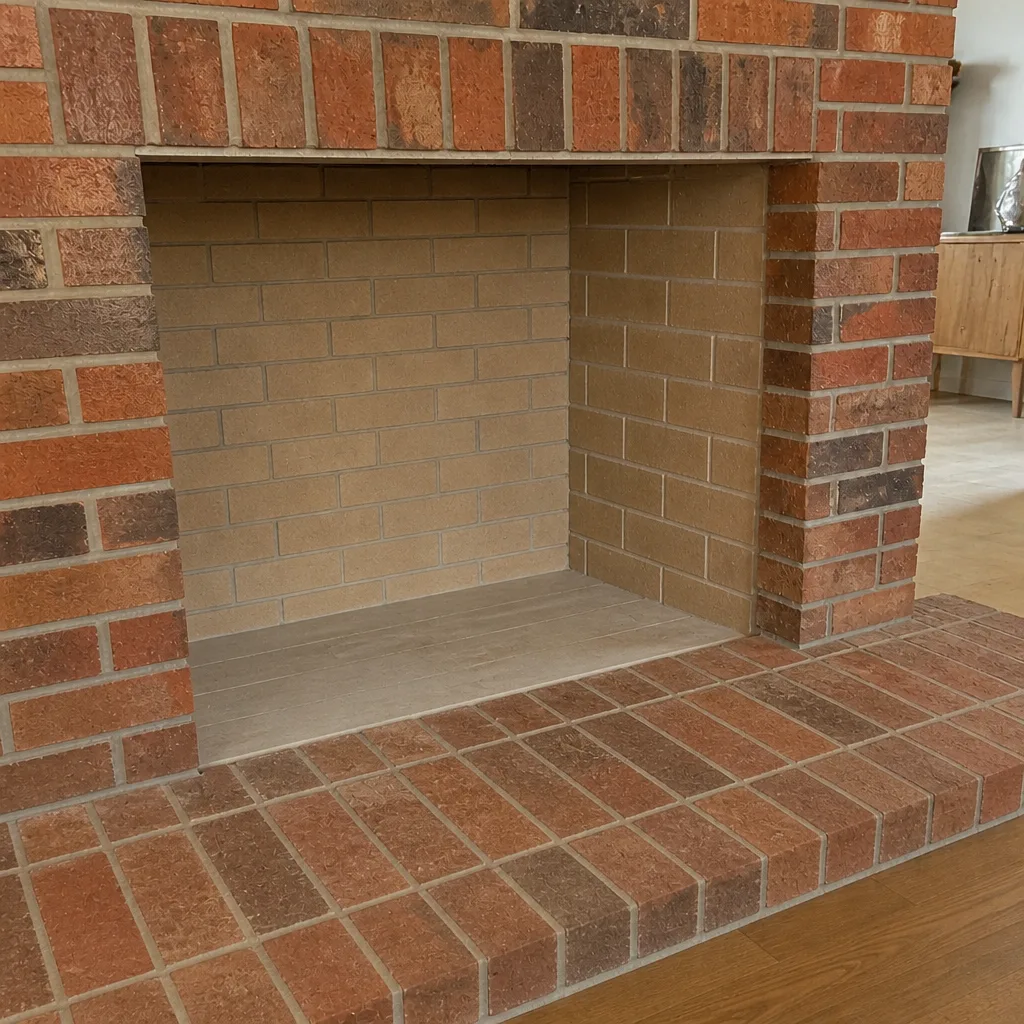 After
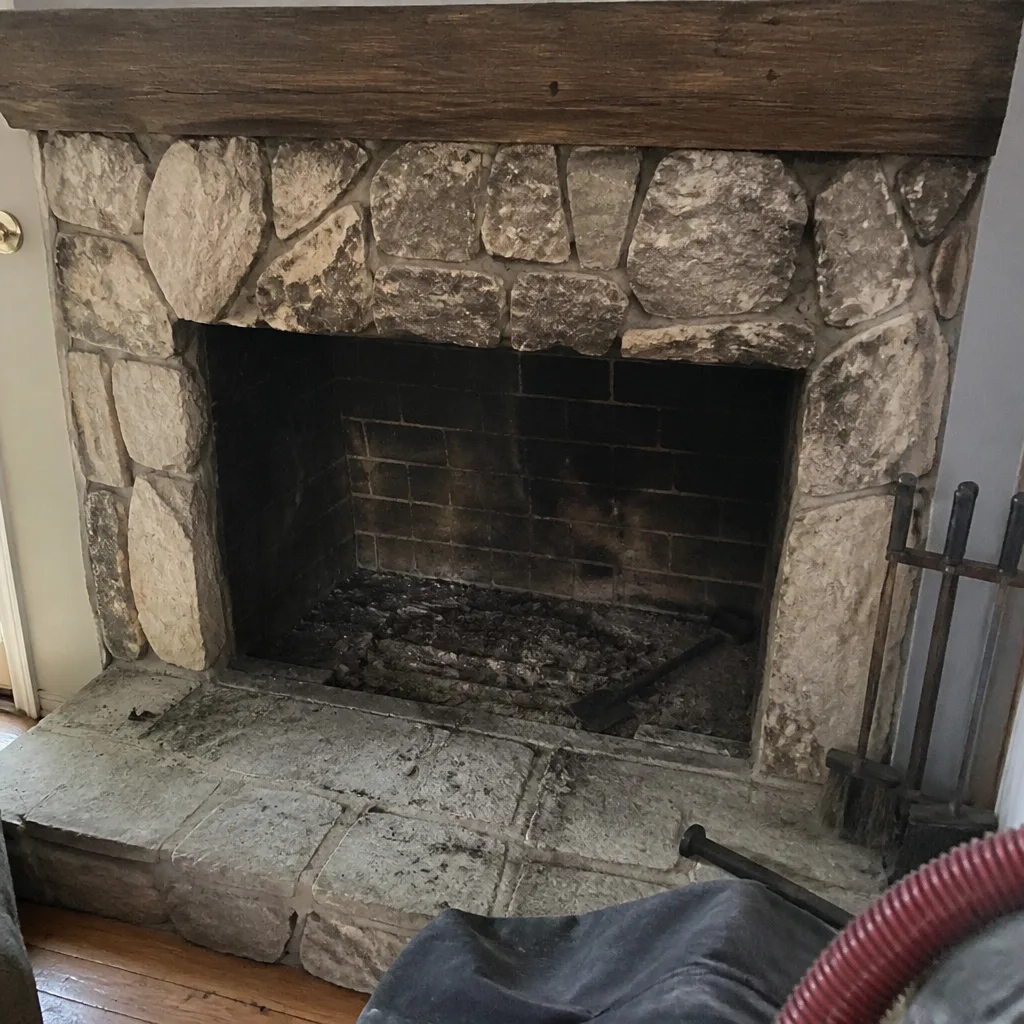 Before
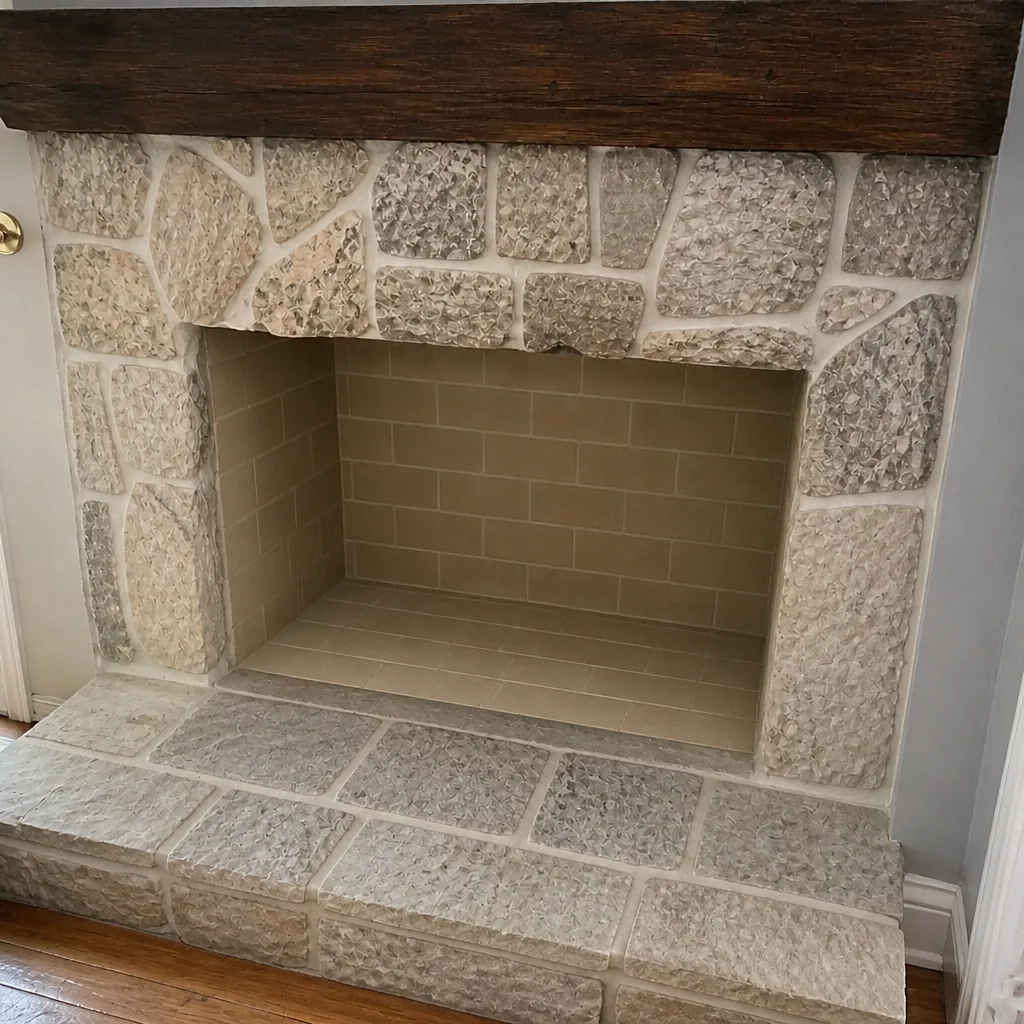 After
When to Call a Professional
Call a professional if a chimney sweep recommendation includes anything structural, if you’re within a year of listing a Sparks home, if your chimney has been unused for more than a season, or if an inspector has flagged the chimney with an “evaluate” note. Call if there’s been a chimney fire or a partial collapse, even if it looked minor. If you’re installing a new appliance, call before you buy it, because the venting has to match the appliance and the permit application has to specify the system correctly. And call if you’re simply unsure whether past work was permitted, because a records check and a Level 2 inspection together give you a clear answer. Chimney Sweep Sparks offers free estimates in Sparks by calling (855) 360-7181.
Frequently Asked Questions
No. Routine sweeping and a Level 1 inspection are maintenance and don’t require a building permit in Sparks. The permit requirement starts when the work becomes structural, such as liner replacement, firebox rebuilding, or appliance installation.
Yes in most cases. Replacing a liner is structural work on the flue system, and the City of Sparks Development Services generally requires a permit for it, with an inspection before the chimney is closed up. It’s always worth confirming the requirement directly with Development Services for your specific scope.
Most commonly during a real estate transaction, after any appliance change, and after a chimney fire or event. It’s also recommended after a long period of disuse. A Level 2 inspection includes video scanning of the flue and all accessible connections.
A standard chimney sweep in Sparks typically runs a moderate per-job price, and the written estimate sets the final cost, with material and scope driving the difference. We provide a flat-price scope agreed before booking. Call (855) 360-7181 for estimates, which are free.
Often yes. A thorough buyer’s inspector notices recent structural chimney work and asks for permit documentation, and the lender or buyer may require the work be verified or re-permitted. Checking a permit history before you sell remains the cleanest way to stay ahead of the question.
Contact the City of Sparks Development Services and request the permit history for your address. Ask specifically whether any chimney or fireplace permits exist and whether they were finaled with an inspection. Keep the record, as it’s useful at resale or for a future insurance claim.
The Bottom Line
Cleaning doesn’t require a permit. Repair does. The line between them is worth knowing before you book a sweep, because the moment structural work begins, the permit, the inspection, and the final record protect what happens next. In Sparks, that protection matters more than in many places, given the freeze cycles that stress masonry and the resale scrutiny that comes with a Western market. Follow the code path from the start of any structural chimney work, not when closing is two weeks away. The record you build in Sparks is what a buyer, a lender, and an insurer will rely on in the years ahead.
If you’re in Sparks and unsure where your job falls, call us. We answer 24/7. Fast dispatch from 7am to 7pm, Sunday through Friday. Whether it’s a routine sweep or a permitted repair, we’ll tell you exactly what’s needed and why. Call (855) 360-7181 for a free estimate, and if you’d like a second opinion on a project in a nearby part of the Sparks area, we’re glad to take a look.
Written by the team at Chimney Sweep Sparks.