
Last updated November 15, 2026
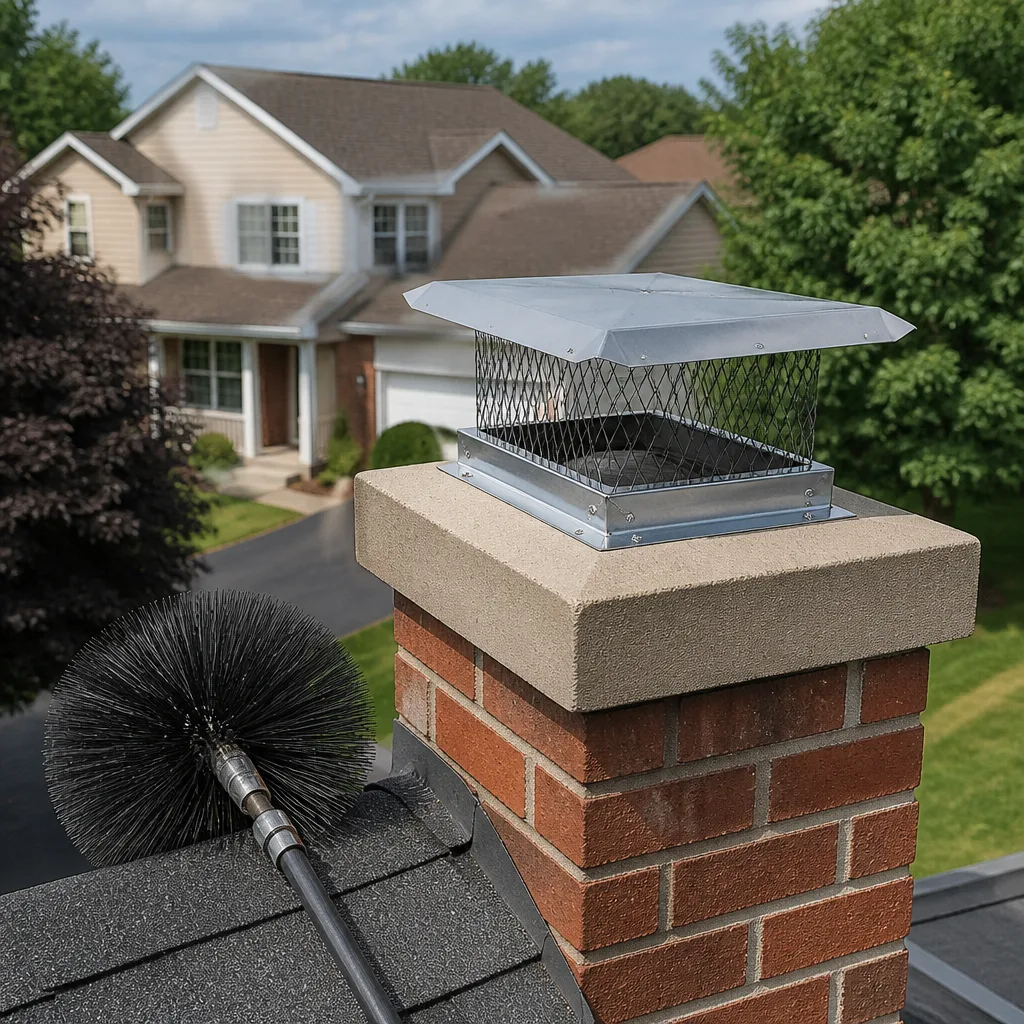 Sweep & inspection
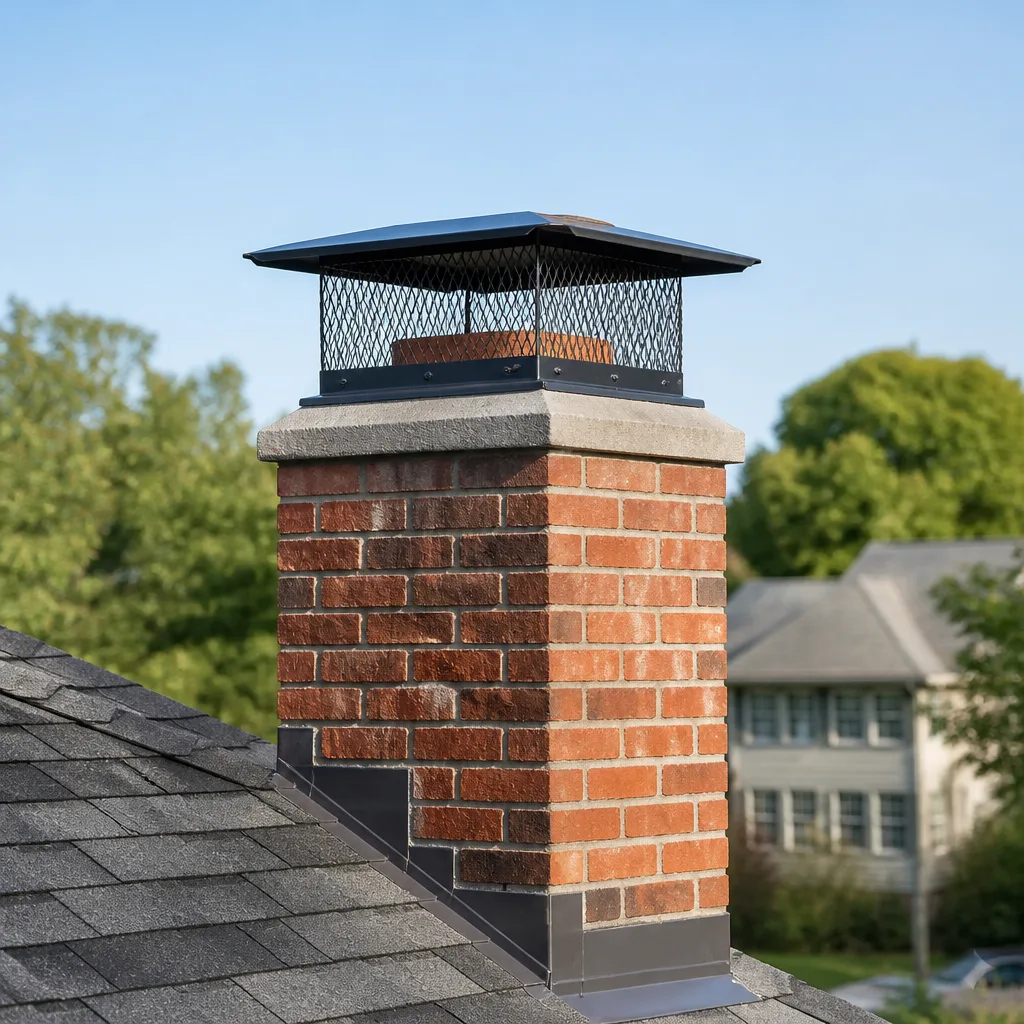 Caps & crowns
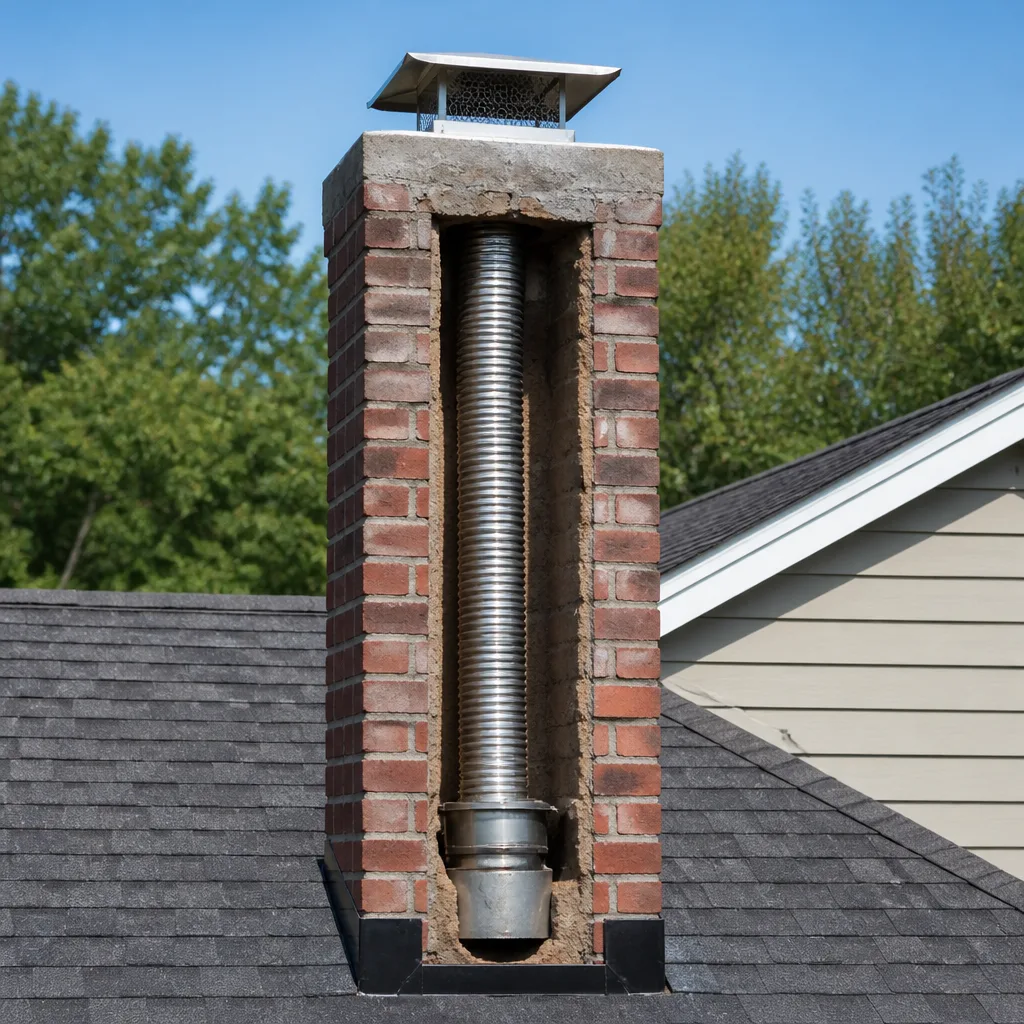 Flue relining
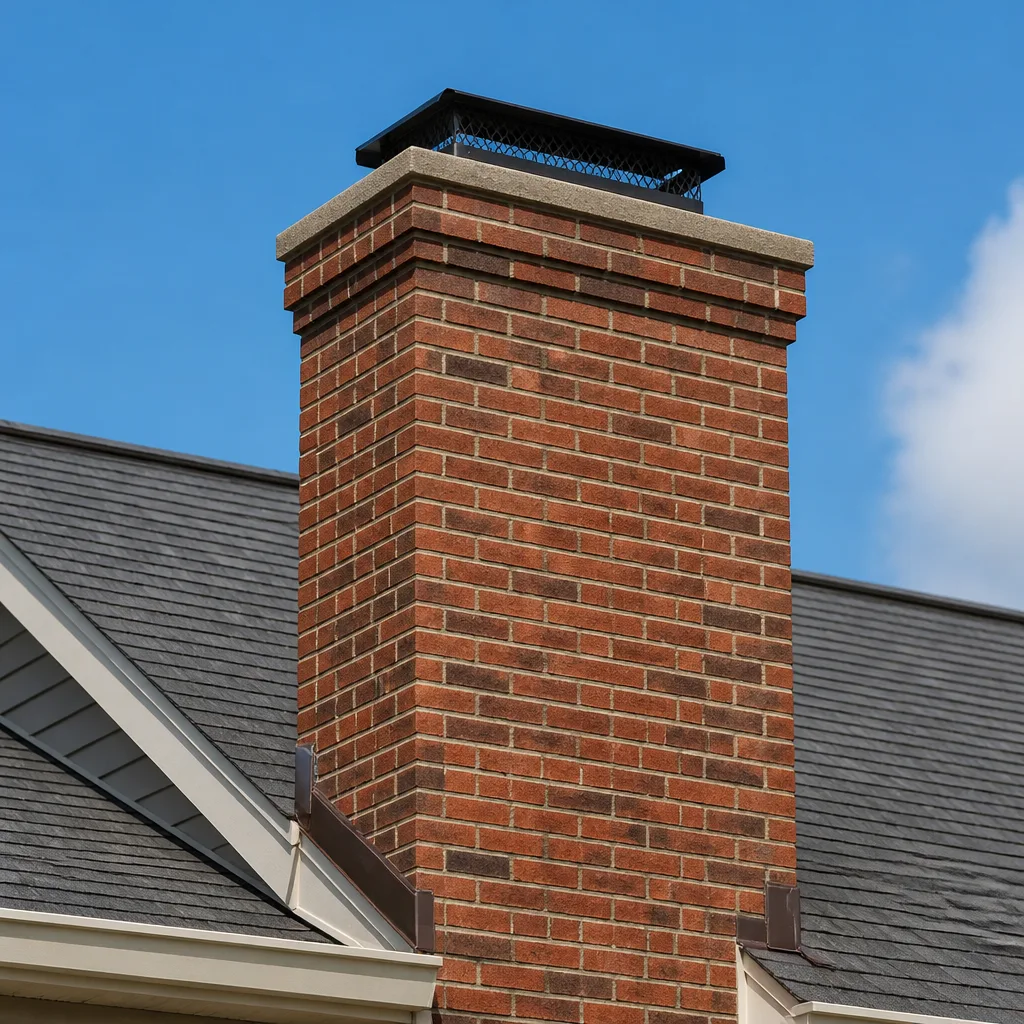 Masonry repair
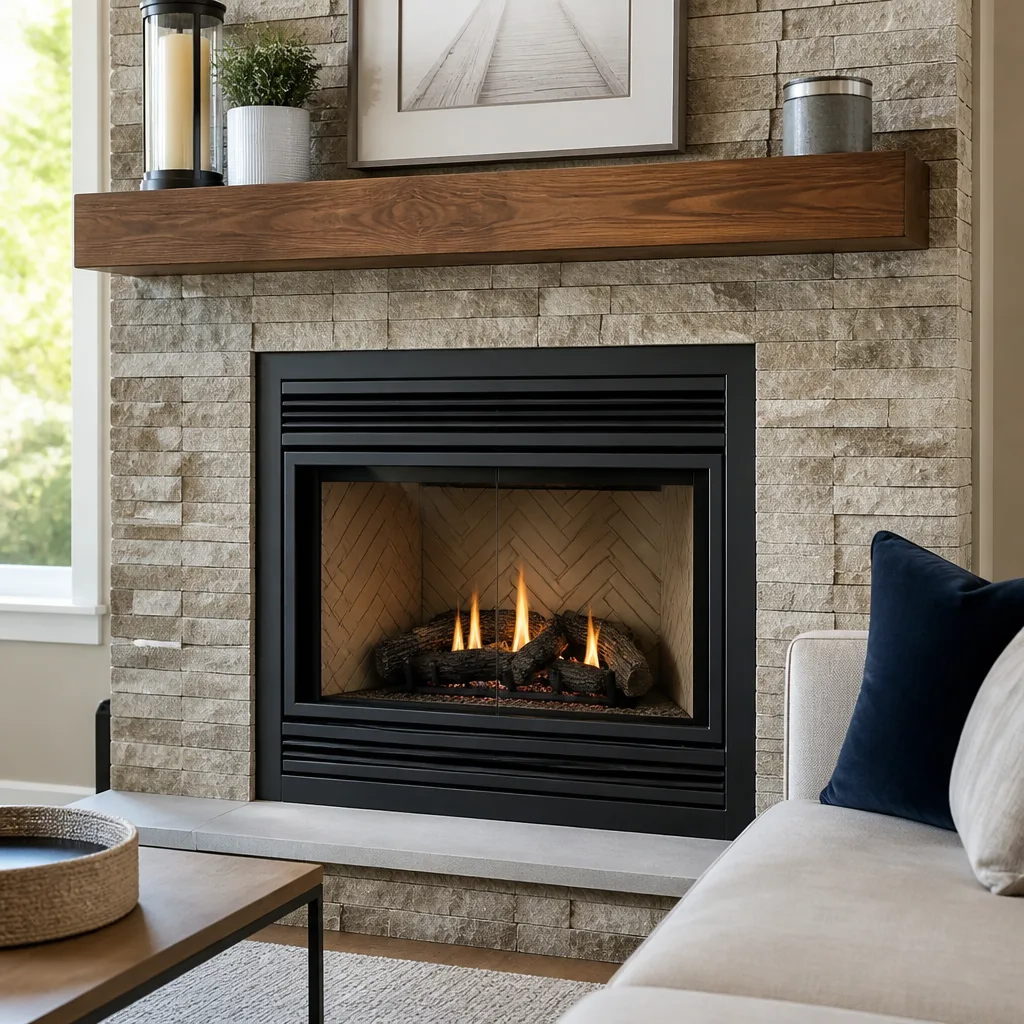 Gas fireplace service
Level 1 sweep and inspection to the NFPA 211 annual standard - flue, crown, cap, and flashing checked and photographed
Chimney sweep logs do not sweep chimneys. They loosen some creosote - which then falls where a brush and vacuum still have to collect it.
How to Hire a Chimney Cleaning Contractor in Sparks: A Step-by-Step Guide
A $79 sweep coupon in your mailbox isn’t a deal. It’s a signal, and most homeowners read it the wrong way. The cheap price tells you what the visit is built to do: get someone in the door fast, then start finding problems. That doesn’t mean every low bid is a scam, and it doesn’t mean the expensive bid is honest either. What it means is that price alone tells you almost nothing about whether the person on your roof can look at a flue and tell you the truth about it. This guide gives you the questions and checkpoints that separate a diagnostic-capable specialist from a brush and a vacuum. We’ll cover licensing, certification, estimates, camera evidence, and how to check the work afterward, all in the context of what a Sparks home actually needs.
Quick Answer
Hiring a chimney contractor in Sparks comes down to three checks: confirm they carry a Nevada contractor’s license where the work requires one and liability coverage, ask whether their sweep includes a camera inspection with a photo report, and require a written estimate that itemizes findings you can see for yourself. A contractor who can answer all three clearly, before you book, is doing diagnostic work. A contractor who dodges those questions is doing a surface cleaning and guessing at the rest. Everything below expands on those three checks.
Styles & brands we work with
- Sweep & inspection
- Caps & crowns
- Flue relining
- Masonry repair
- Gas fireplace service
Table of Contents
- What Does Chimney Care Actually Look Like in Sparks?
- CSIA Certification vs. Nevada C-21 Licensing: What Each One Covers
- Five Questions That Reveal Whether a Sweep Does Diagnostic Work
- What a Legitimate Written Estimate Should Itemize
- Why the Cheapest Bid in Sparks Often Means No Camera and No Coverage
- How to Verify the Work After the Job
- Booking a Sweep Before Heating Season
- Common Mistakes to Avoid
What Does Chimney Care Actually Look Like in Sparks?
Chimney care in Sparks isn’t the same job it is in a humid climate. Our air is dry most of the year, our cold months concentrate the heating load into a short window, and a lot of the housing stock mixes older masonry chimneys with newer construction that has factory-built flue systems. That mix matters when you hire, because the skills and materials for a masonry flue and a modern factory-built chimney are not interchangeable.
The dry climate affects how creosote behaves. Wood burned in a fire that runs hot and then cools abruptly, which is common when the weather swings between a cold night and a mild afternoon, tends to leave behind a harder, more glazed deposit rather than a soft, fluffy one. Hard creosote is more stubborn and more of a fire hazard, and it’s one reason a sweep in Sparks needs to actually inspect the flue rather than run a brush down it and call it done. You can read more about how we handle chimney sweep work on the main service page.
Neighborhood context matters too. Homes on the older blocks near downtown Sparks and along the established streets off Pyramid Way often have masonry chimneys with clay tile liners that have had decades of heating cycles on them. Newer development on the edges of town leans toward factory-built systems. A contractor who works both types knows the difference in cleaning method, inspection scope, and repair approach. Ask which of those two you have before you book, and see whether the answer is a confident one.
CSIA Certification vs. Nevada C-21 Licensing: What Each One Covers
These are two different things and homeowners frequently conflate them. Neither one substitutes for the other, and a good contractor will be clear about which applies to the work you’re hiring for.
CSIA certification comes from the Chimney Safety Institute of America. It’s a credential held by individual technicians, not a business license. It signals that a technician has been tested on sweeping, inspection, and the science of how chimneys vent. It’s a meaningful quality marker, but it’s specific to the person, not the company, and it doesn’t authorize structural work.
The Nevada C-21 license is a state contractor classification that covers chimney and fireplace work at the business level. When a job crosses from cleaning into repair, relining, or rebuilding, you want to see a license that covers that scope. A sweep-only visit may not require it, but a chimney repair project very likely does. Ask directly: “Does this job fall under your C-21 license, and can you show me the license number?” A contractor who answers without hesitation is operating in a clear lane. One who gets vague is telling you something.
Beyond those two, ask about general liability insurance. Not the number, just confirmation that coverage is in place for the work performed. If something goes wrong on your roof or in your flue, you want to know the business is carrying the risk, not you. This is a fair question to ask before booking, and no legitimate contractor will be annoyed by it.
Five Questions That Reveal Whether a Sweep Does Diagnostic Work
Most hiring advice stops at “check credentials.” The better test is what happens when you ask the technician to think out loud. These five questions are designed to surface whether a contractor actually diagnoses your chimney or just cleans it.
- “Does the sweep include a camera inspection, and do I get the photos?” A diagnostic sweep sends a camera up the flue to look for cracks, gaps, and creosote glaze. The photos should be yours to keep, not a sales prop that disappears after the visit. If the answer is “we can add that for an extra fee,” note it. The estimate conversation just changed.
- “How do you tell the difference between a hairline crack and a structural liner failure?” This one separates inspectors from brush operators. A technician who does diagnostic work will describe how they assess severity, not just that they found something.
- “What’s your process if you find a problem you can’t fix that day?” You’re looking for a clear handoff: photos, a written scope, and a quoted fix. If the answer is a hard sell on the roof, that’s your read on the visit.
- “Do you work on both masonry and factory-built systems?” In Sparks you need both. A contractor who only handles one type should say so honestly, and should refer you rather than improvise.
- “What materials do you install if a repair is needed?” Listen for specific product families. We work with professional-grade lines like HeatShield for ceramic flue resurfacing, Gelco and Olympia Chimney for liners and components, and Famco for caps and terminations. A contractor who can name their materials is a contractor who understands them. One who says “whatever’s in stock” is telling you something different.
Ask these on the phone before you book. The answers tell you whether the visit will be diagnostic or decorative.
What a Legitimate Written Estimate Should Itemize
A written estimate is where honest contractors and upselling contractors part ways. The honest version separates what was found from what is recommended, and it prices the two independently. The upsell version merges them, so you can’t tell where the finding ends and the pitch begins. Here’s how to read one.
What genuine line items look like:
- The cleaning itself, described by method and scope (camera inspection included or not, flue brushed from which access point).
- Specific findings with their location: “cracked crown at the north face,” “deteriorated mortar joint at the second flue tile,” “no rain cap present.”
- A recommended fix priced on its own, with the reasoning labeled as a recommendation, not a requirement.
- A clear statement of what the visit included at no extra charge versus what triggers a separate job.
What upsell indicators look like:
- Any line item that appears before the technician has been on your roof.
- Liner or rebuild quotes without camera evidence attached.
- Urgency language tied to the price: “if we do it today.”
- A number that appears out of nowhere with no corresponding photo.
Ask the contractor to walk you through each finding and point to the picture that supports it. If they can’t, that line item doesn’t belong on the estimate yet. For more detail on how estimates should be structured, see our Chimney Sweep Sparks overview of what a sweep and inspection actually includes.
Why the Cheapest Bid in Sparks Often Means No Camera and No Coverage
Here’s the arithmetic most homeowners don’t run. A sweep visit has three components: the labor to get on the roof and clean the flue, the equipment to inspect it properly, and the insurance to cover the work if something goes wrong. When the price is dramatically below the market, one of those three is missing. Usually it’s inspection equipment, sometimes it’s coverage, and occasionally it’s both.
Camera inspection is the piece that disappears first. A camera run requires a dedicated tool, time to review the footage, and a report you can keep. A brush-only visit gets the flue clean and skips all of that. The visit looks the same from your driveway, and the difference only shows up months later when a hidden crack becomes a problem.
Coverage is the second casualty. Verify insurance before booking, always. If a sweep damages a flue tile or drops something down a chimney without coverage, you’re absorbing the repair. That’s a real cost, and it makes the cheap coupon a lot more expensive than it looked.
In our experience in Sparks, the honest low-price visit is not impossible, but it’s rare, and it’s usually a starter offer that a diagnostic sweep is added to later. The best approach is to ask the price structure up front: “What’s the price for the sweep alone, and what’s the price with camera inspection and a written report?” When you can see both numbers side by side, you can judge the value yourself.
How to Verify the Work After the Job
Whether the work was done well isn’t something you have to take on faith. You can check the main areas yourself in a few minutes, and knowing where to look tells you whether to call the contractor back.
- Look at the firebox. It should be visibly clear of soot and ash below the damper. The brick or liner should look intact with no fresh cracks or missing mortar visible to the eye.
- Check the smoke chamber. This is the angled section above the damper and below the flue. It’s hard to see directly, which is exactly why the camera footage matters. Compare the photos the contractor provided against what you can see; they should show a clean smoke chamber with no obvious gaps or debris.
- Inspect the cap. The cap or spark arrestor should be seated correctly and intact. A cap that was knocked loose or left off is a quick call-back issue.
- Look at the crown. The concrete or masonry top of the chimney should be intact with no new cracks. If the contractor flagged a crown issue, you should now be able to see what they meant.
- Check the report. A camera sweep should come with photos or video. Review them yourself and confirm they match the findings in the written report. If anything in the report doesn’t match the photos, ask.
If anything looks off, call the contractor back before heating season. A well-run sweep business wants the chance to make it right, and a good one will treat a call-back as information rather than an inconvenience.
Booking a Sweep Before Heating Season
The best time to schedule a sweep in Sparks is before you start burning, not after. The logic is simple: a chimney that gets inspected while it’s cold and empty gets a more thorough look than one that gets rushed as the weather turns. Booking before heating season also gives you time to complete any repair work before you need the fireplace, rather than mid-winter when you’re calling around for the next available slot.
Pre-season is when you can ask the full set of questions without pressure. The visit can be scheduled at a normal pace, the inspection can be thorough, and if a repair is needed, there’s a window to quote it and complete it properly. Once the cold sets in, a lot of homeowners in Sparks are competing for the same appointments, and the rush tends to shorten inspections.
One scheduling note: we’re closed on Saturday, and dispatch runs Sunday through Friday, 7am to 7pm. If your chimney fails outside those hours, the phone line is still answered, and the job books into the next opening. Plan the sweep before you need it, and you’ll never be making that call under pressure.
Common Mistakes to Avoid
- Booking on price alone. A coupon price is a starting number, not a final one. Ask what’s included in the base price and what gets added, then compare the totals.
- Skipping the camera inspection question. Brush-only visits look identical to diagnostic ones from the outside. Ask specifically whether a camera goes up the flue and whether you get the photos.
- Accepting a repair recommendation without evidence. No photo, no recommendation. If a contractor wants to sell you a liner or a rebuild, ask to see the footage that supports it.
- Not confirming insurance before the visit. This is a two-minute question that protects you from a very large bill if something goes wrong on the roof.
- Waiting until the first cold snap. In Sparks, the pre-season window is the one that lets you schedule a thorough inspection and complete any repair before you need the fireplace.
- Ignoring the crown and the cap. These are the two most common small problems that turn into expensive ones, and they’re easy to check on the same visit that cleans the flue.
- Assuming masonry and factory-built systems are the same job. They’re not, and a contractor who only handles one should say so rather than work on the other.
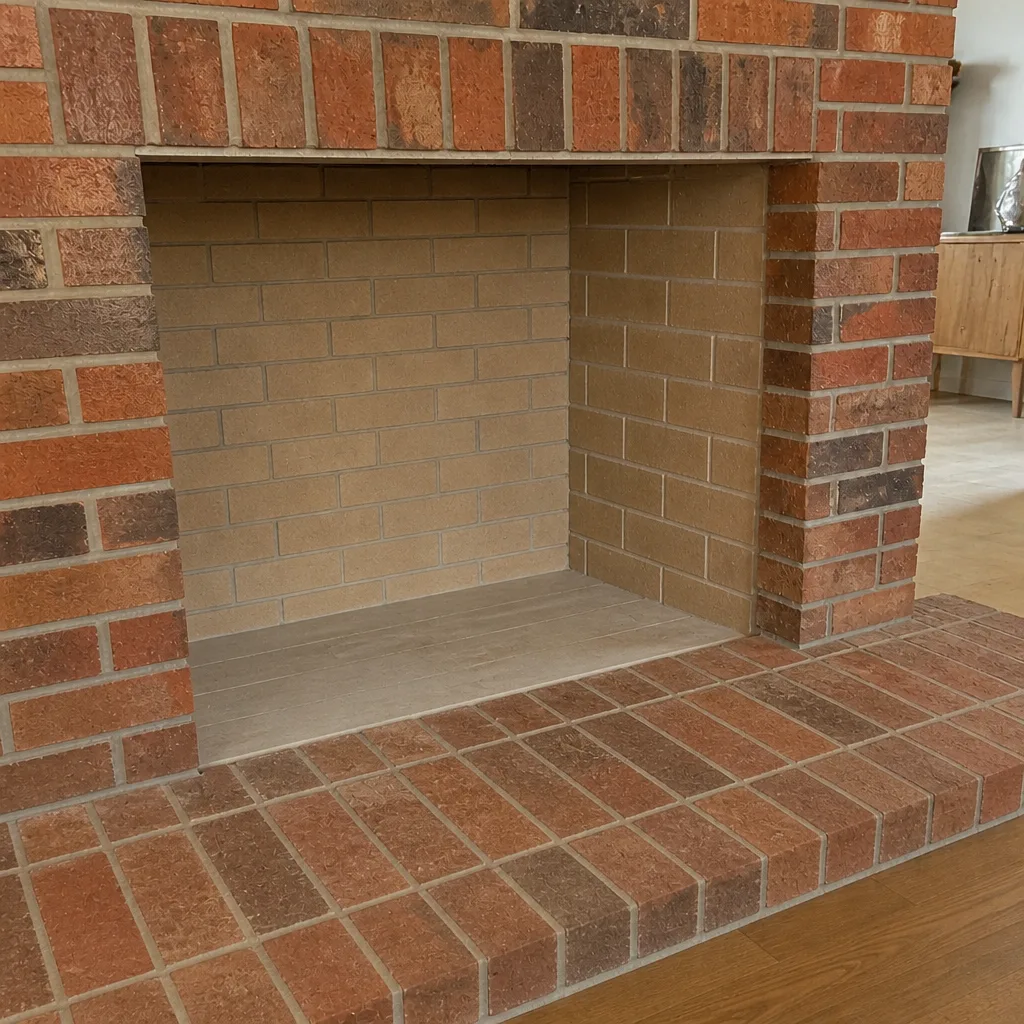
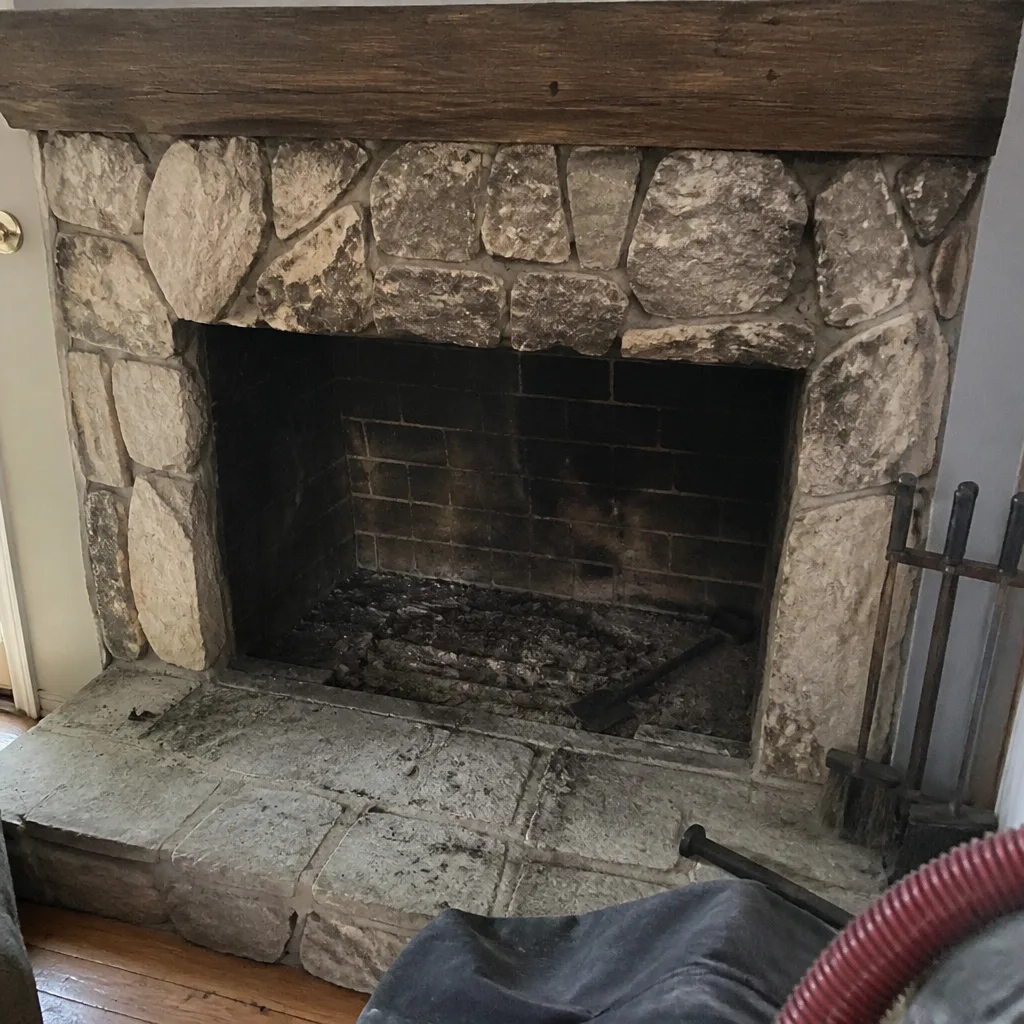
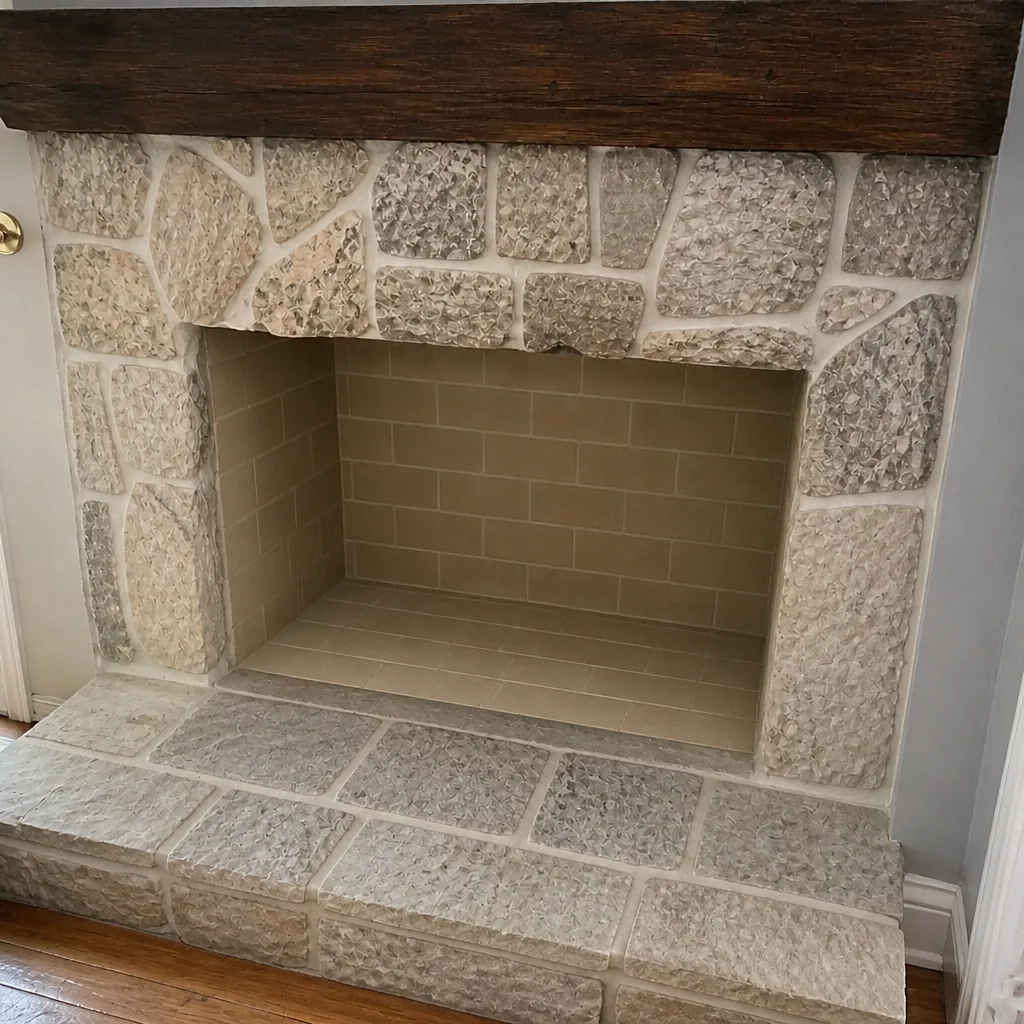
See the difference
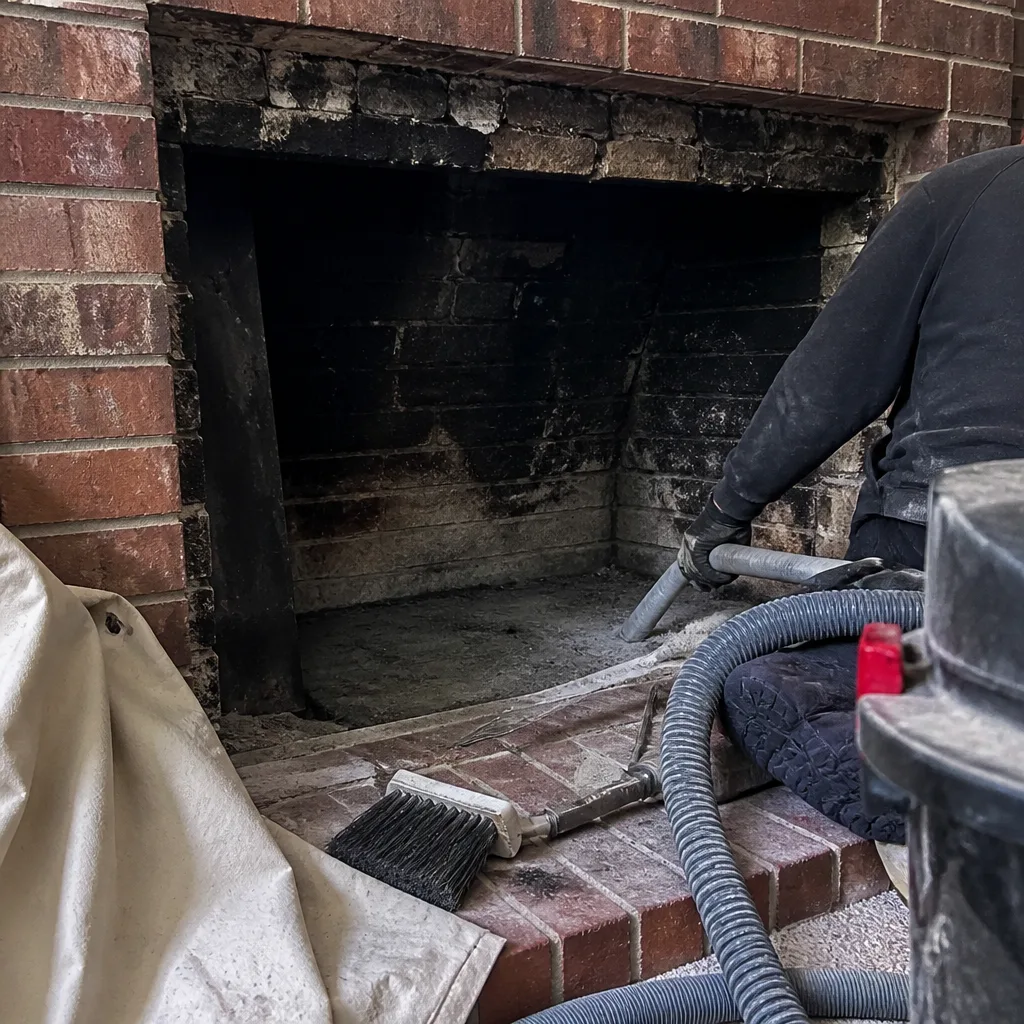 Before
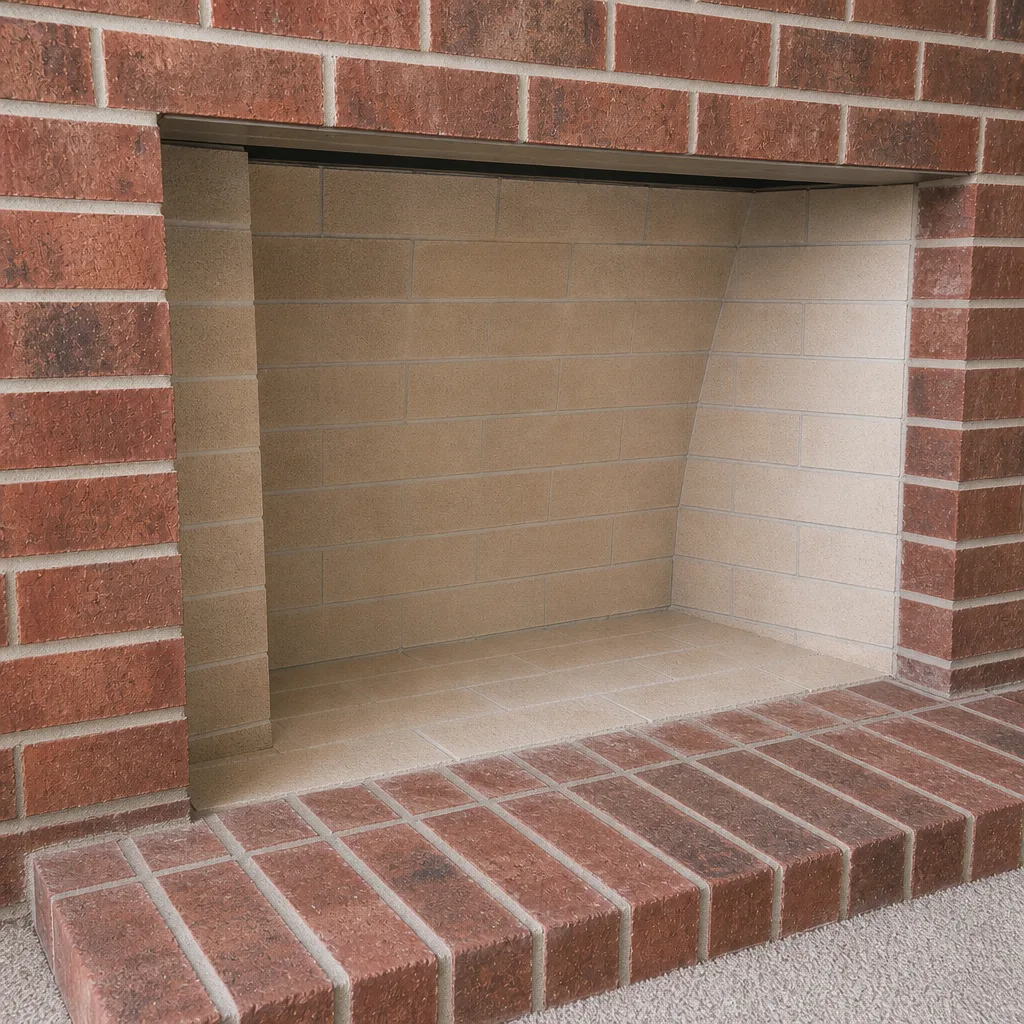 After
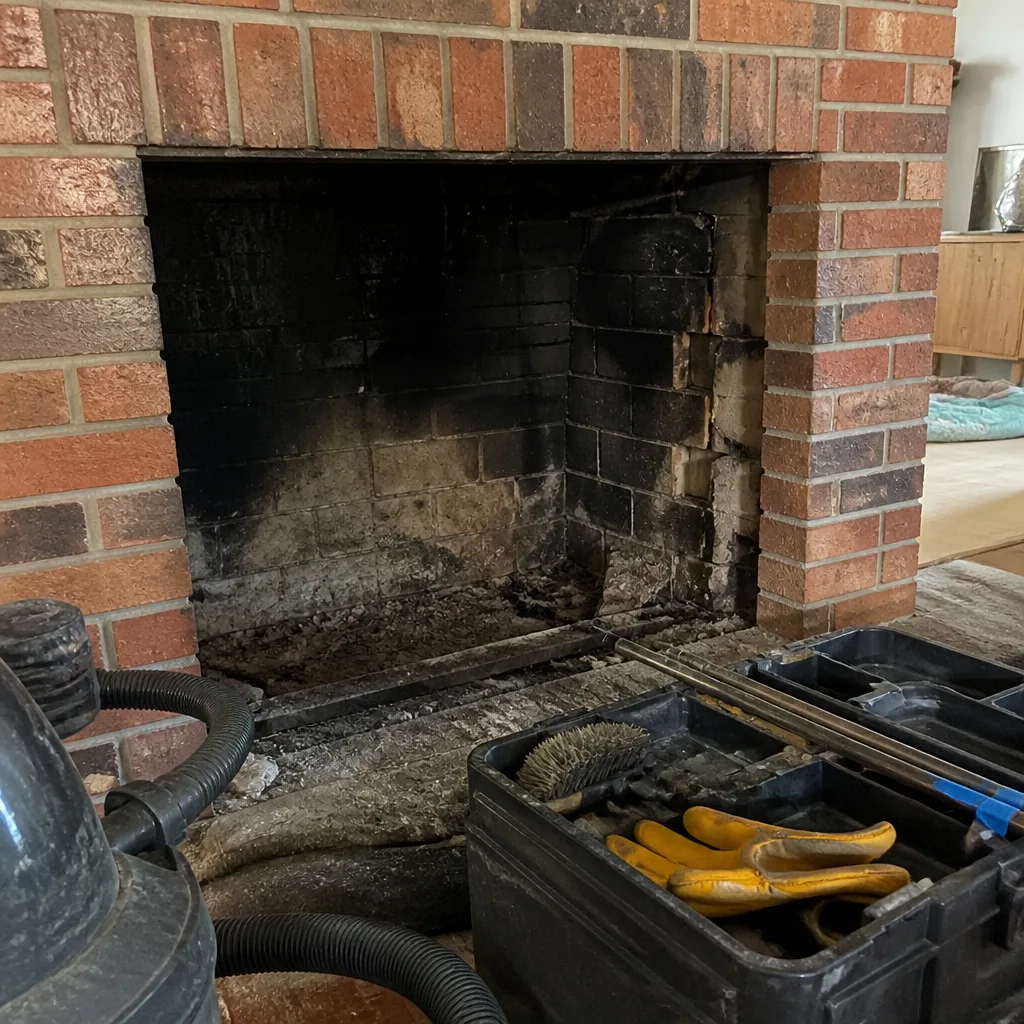 Before
 After
 Before
 After
When to Call a Professional
Some chimney work isn’t a job for the homeowner, and that’s not a scare tactic. It’s just an accurate reading of what’s involved. Call a professional if you see any of the following: creosote buildup that’s thick enough to flake or glaze, smoke backing into the room when you light a fire, visible cracks in the firebox or smoke chamber, a crown that’s cracked or missing mortar, a damaged or missing cap, or a flue that’s never been inspected since the home changed hands. Spring for a professional sweep if you’ve burned wood consistently through a season and can’t remember the last cleaning.
The stakes here are real, and they’re specific. A chimney fire and carbon monoxide are both hazards that come from a system that’s not venting correctly, and neither announces itself. A camera inspection catches what a visual check misses, which is why the inspection matters as much as the sweep. Chimney Sweep Sparks offers free estimates in Sparks, so the first call costs you nothing but time. Call (855) 360-7181 and we’ll talk through what you’re seeing.
Frequently Asked Questions
A standard sweep is priced per job, based on the system, its condition, and whether a camera inspection is included. The written estimate is what sets your final price, and we give that before any work begins, so the number you agree to is the number you pay. Call (855) 360-7181 for an exact quote, and estimates are free.
Only if the camera footage shows it, and only if you can see that footage yourself. A liner recommendation without photo or video evidence is a red flag, full stop. If the inspection shows cracks, gaps, or a liner that’s failed, a repair is a safety issue rather than an upsell; if it doesn’t, the recommendation should wait. Ask to see the footage and judge for yourself, then call (855) 360-7181 if you want a second look.
For a wood-burning fireplace that gets regular use through heating season, once a year is the standard. If you burn heavily, use unseasoned wood, or have an older masonry chimney, an annual inspection is the baseline and sometimes a mid-season check makes sense. The rule most trade professionals follow is that a chimney should be inspected annually and swept when there’s enough buildup to warrant it.
Creosote builds up on the flue walls, and when it accumulates enough, it can ignite. That’s a chimney fire, and it can damage the flue even when it goes unnoticed. The other risk is a blockage or crack that lets combustion gases into the house instead of out, which is where carbon monoxide becomes a concern. Neither problem is visible without an inspection. Call (855) 360-7181 to get an inspection on the calendar before heating season.
We handle sweep, repair, and inspection as one company, so a repair found during the sweep gets quoted and scheduled without handing you off. That covers ceramic flue resurfacing with HeatShield, liner work with materials like Olympia Chimney and Gelco, and caps and components from Famco. The point is that the person inspecting your flue can also fix it. Call (855) 360-7181 if you want the whole scope quoted together.
Ask four things: whether a camera inspection is included, whether you get the photos, whether the job falls under a Nevada C-21 license, and whether insurance covers the work. The answers tell you more than any coupon will. If a contractor can’t answer all four clearly, keep calling. Reach us at (855) 360-7181, and we’ll walk you through each one.
The Bottom Line
The difference between a good chimney contractor and a cheap sweep isn’t the price on the coupon. It’s whether the person on your roof can look at your flue and tell you the truth about what’s there. The three checks that matter most: camera inspection with photos you keep, a written estimate that separates findings from recommendations, and confirmed insurance and licensing before anyone climbs up. Add in the five questions that surface diagnostic capability, and you have enough to tell a specialist from a brush. For more on how a chimney sweep in Sparks actually works, see our overview at Sparks.
Call (855) 360-7181 for a free estimate. We answer 24/7. Fast dispatch from 7am to 7pm, Sunday through Friday. We sweep, repair, and inspect using professional-grade materials, and we’ll show you what we find before you decide anything.
Written by the team at Chimney Sweep Sparks.