
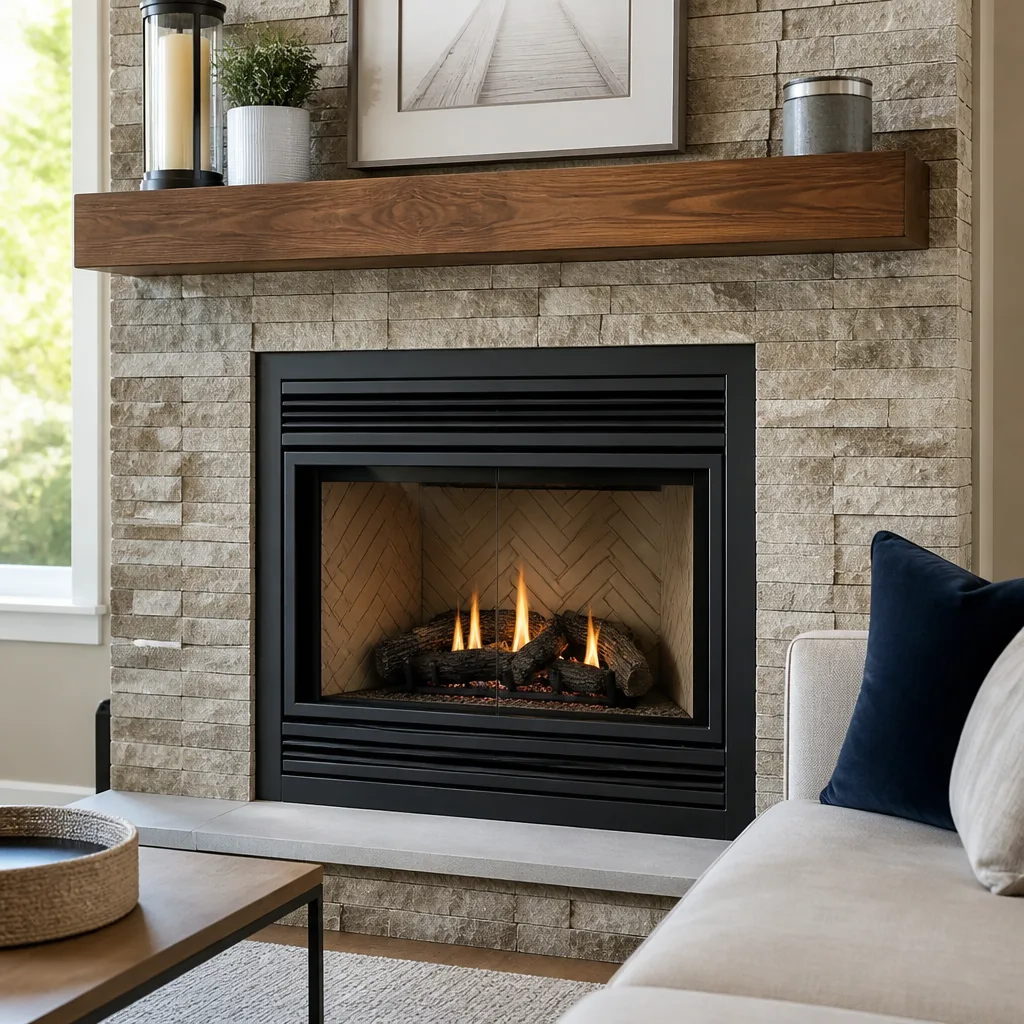
 Gas fireplace service
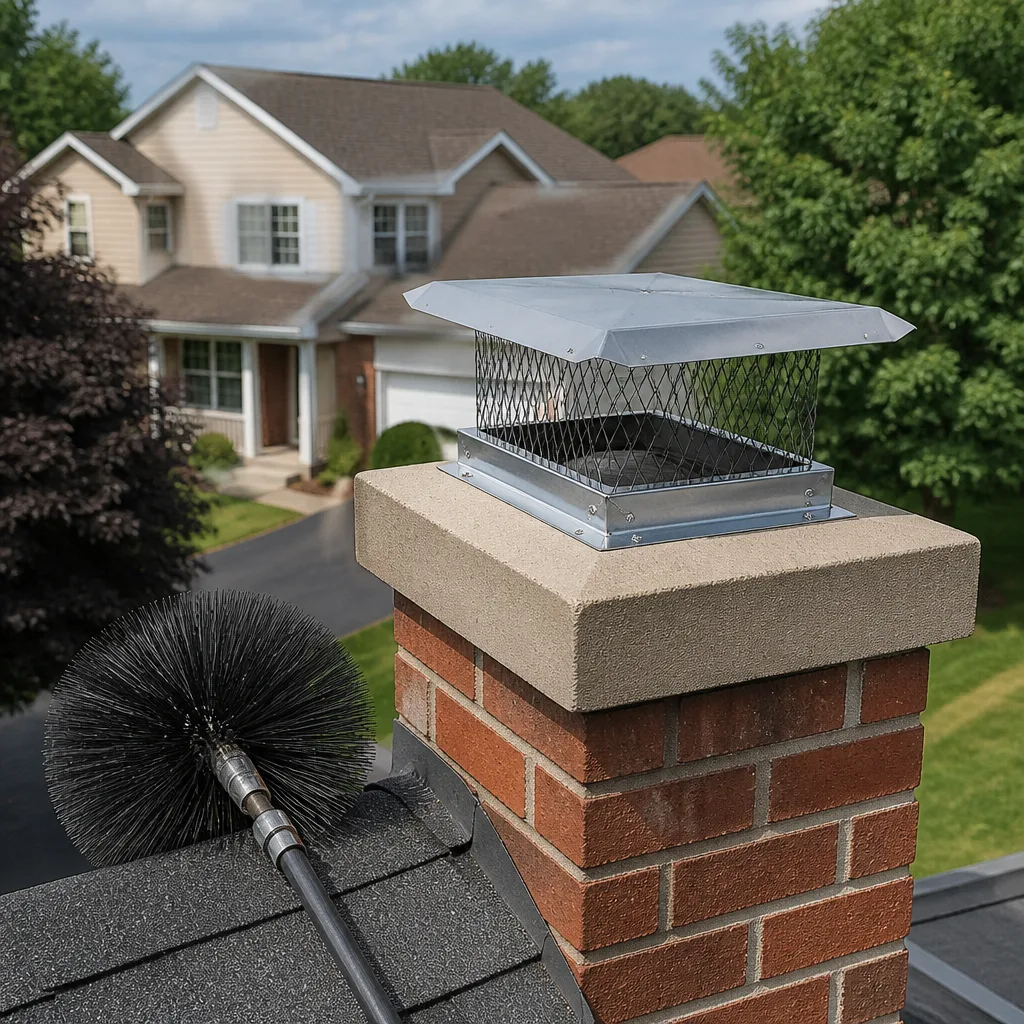 Sweep & inspection
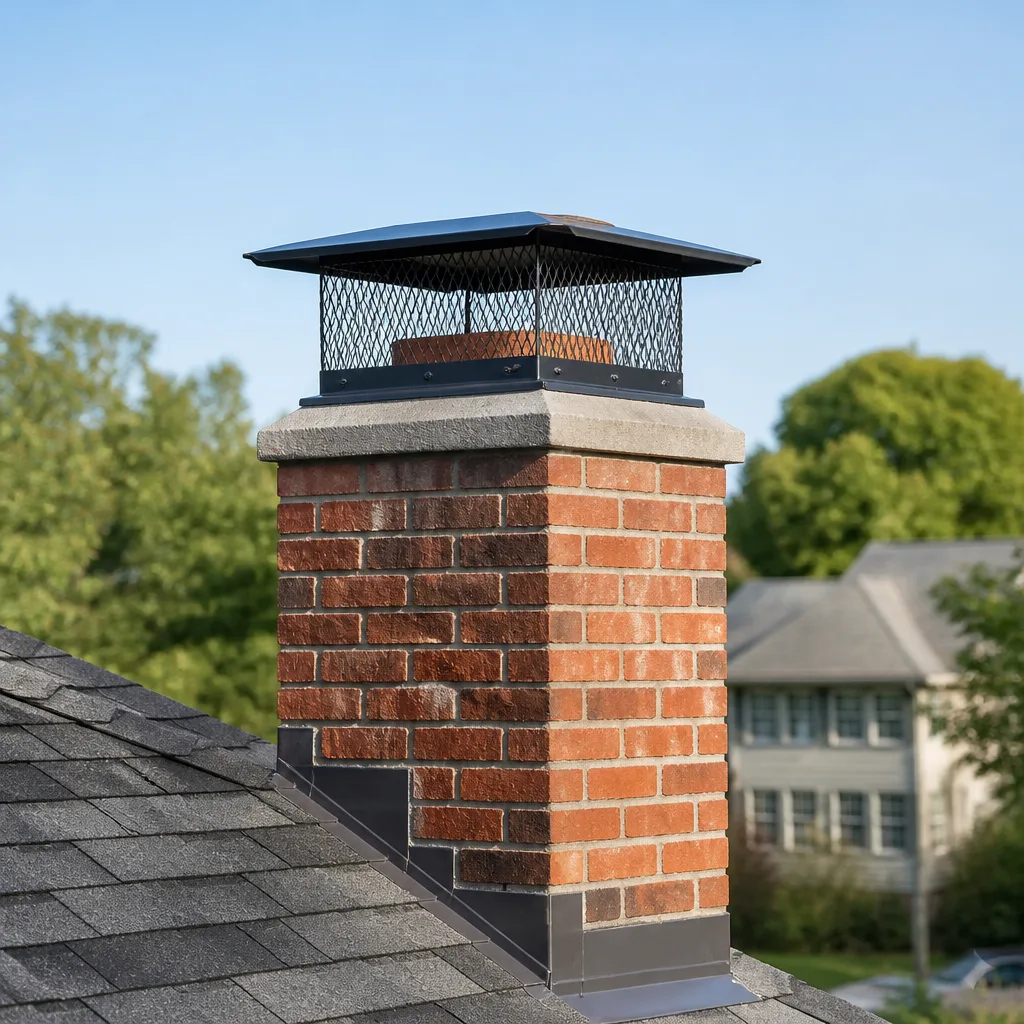 Caps & crowns
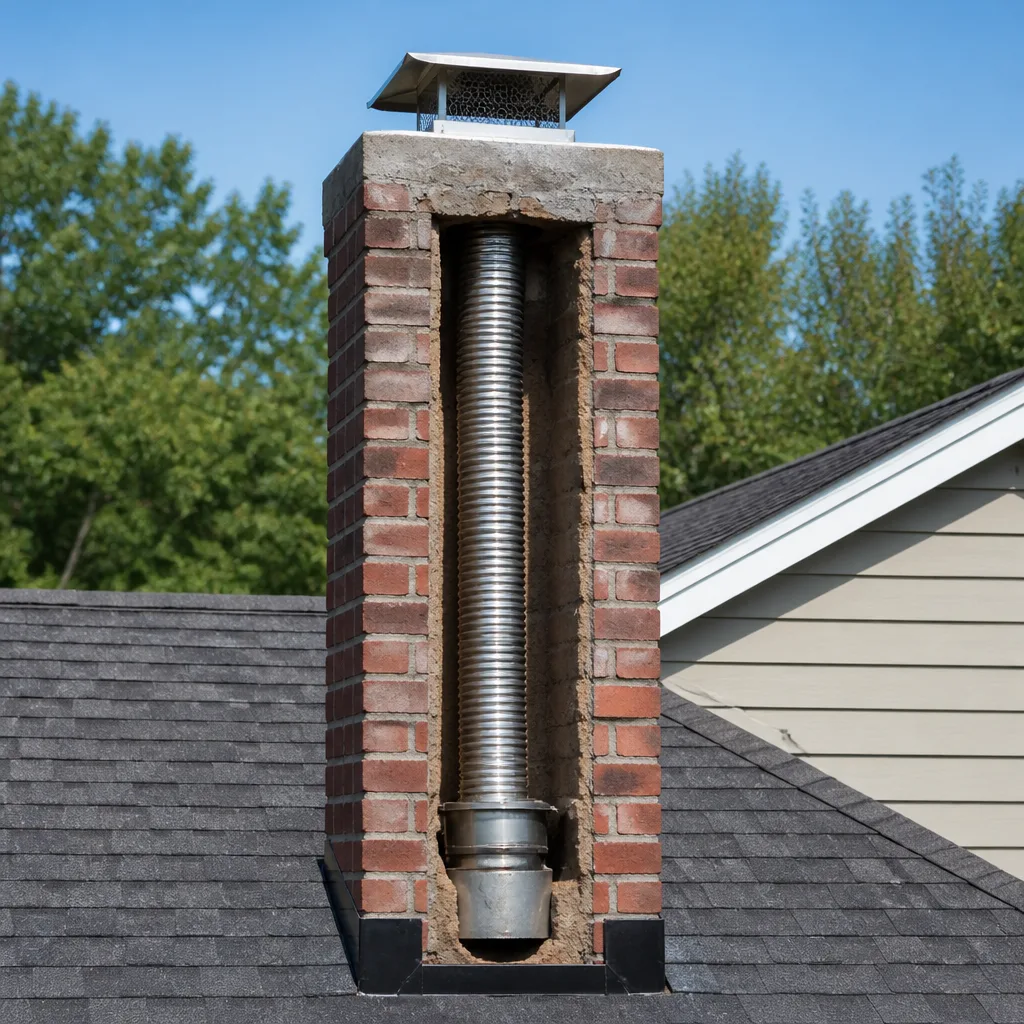 Flue relining
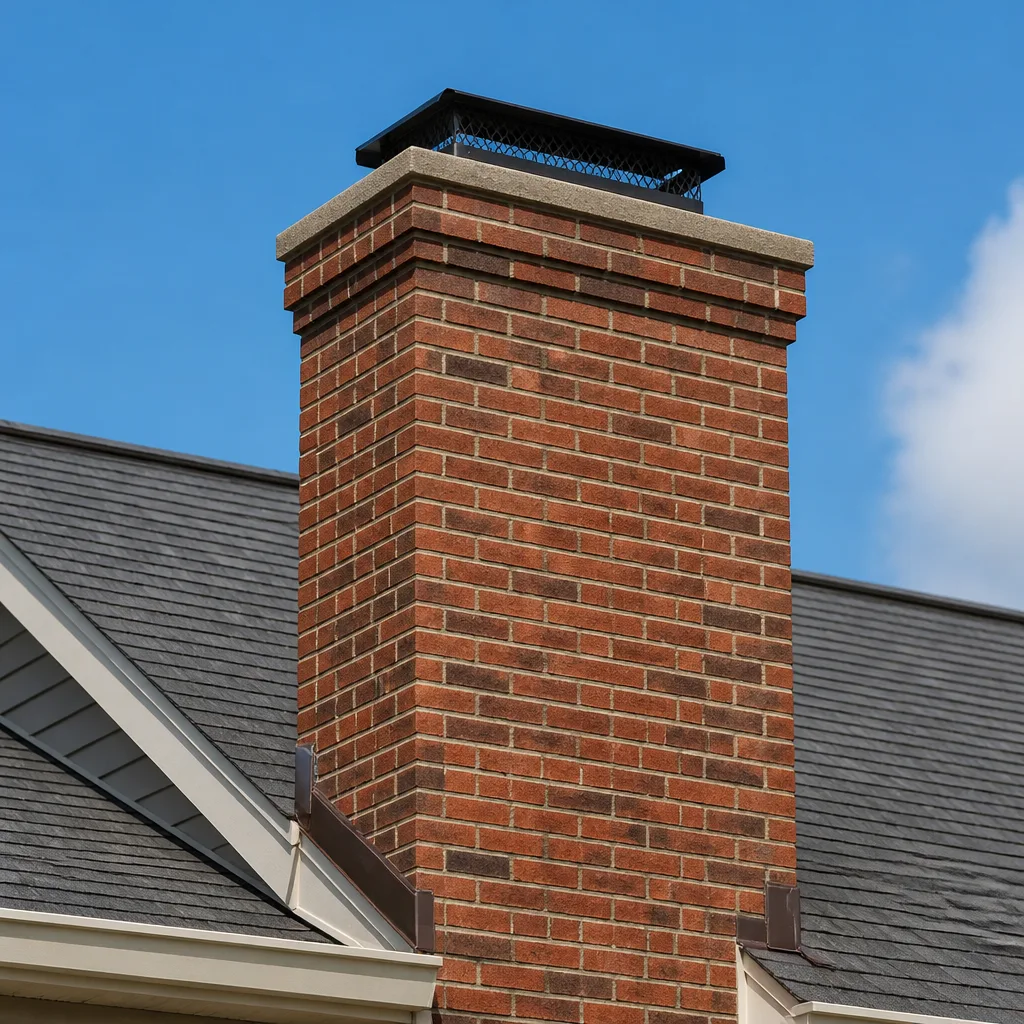 Masonry repair
Level 1 sweep and inspection to the NFPA 211 annual standard - flue, crown, cap, and flashing checked and photographed
Chimney sweep logs do not sweep chimneys. They loosen some creosote - which then falls where a brush and vacuum still have to collect it.
Why Sparks Homeowners Choose HeatShield Chimney Cleaning
We provide independent HeatShield chimney cleaning service in Sparks, and what sets our HeatShield work apart is that we assess whether your flue is actually a HeatShield candidate before anyone recommends cast-in-place work. HeatShield products are cast-in-place repair systems poured into an existing flue to form a new, smooth, insulated liner surface. We’re a full-service specialist handling sweeping, repair and inspection, working from professional-grade materials including HeatShield, DuraFlex and Gelco. Our technicians have up to 10 years of experience reading flues and judging surface prep, adhesion and cure. We’re not affiliated with or authorized by HeatShield – we’re an independent service provider, and we’ll tell you plainly when a HeatShield resurfacing job is and isn’t warranted. Call (855) 360-7181.
Why Trust Chimney Sweep Sparks for Your HeatShield Chimney Cleaning?
HeatShield work succeeds or fails on preparation and cure judgment, and that’s where an experienced independent eye matters more than any badge. Our technicians have spent up to 10 years inside flues across the Sparks area, and they know what a properly bonded cast-in-place surface looks like versus one that’s already separating from the substrate.
We use genuine HeatShield lining and crown materials when a resurfacing job is actually warranted, backed by standard-quality stainless caps, dampers and refractory mortar for the ancillary repairs around it. We don’t claim to stock, carry or order OEM HeatShield parts, and we’re not a HeatShield dealer. What we are is an independent shop fluent in the product line – the resurfacing compounds, the cast-in-place systems for masonry chimneys, the heat-cured ceramic material for wood and oil appliance flues, and the crown coatings that seal the top.
That matters for warranty-safe service. Cast-in-place linings carry their own manufacturer terms, and sloppy prep voids them fast. We work to keep your existing HeatShield installation within those terms when we sweep around it, and we document what we find with a Level 2 inspection so you have a record. If your lining was installed by someone else, we treat that carefully. We sweep, repair and inspect – start to finish, one company, no subcontractors.
Styles & brands we work with
- Sweep & inspection
- Caps & crowns
- Flue relining
- Masonry repair
- Gas fireplace service
Common HeatShield Chimney Cleaning Problems We Fix in Sparks
Sparks sits in the high desert basin where winter inversions trap cold air and wood smoke, so the local burning load is heavy and cast-in-place linings get worked hard. Here’s what we find:
- Delamination and flaking. The resurfaced layer separates from the original clay tile or brick when the substrate wasn’t abraded and cleaned to bare material before application. You’ll see grey flaking and gritty dust.
- Cracking along tile joints and at the flue offset. This happens when the mortar beds were loose or the tiles were already fractured and not stabilized first. The flue offset is the weak point, because the pour has to carry a bend.
- Rough, pitted interiors after a poor pour. A bad pour leaves a surface that traps creosote and makes sweeping far harder than on the original tile. You’ll notice more buildup, more often.
- Crown and top-seal failure. Water wicks behind the lining at the chimney top and mimics a failed liner from inside the flue. The liner can look damaged when the real problem is the crown.
- Undersized or original flues in older Sparks homes. Much of the 1950s-1970s tract housing has original brick masonry fireplaces with undersized flues and rusted-shut dampers. Those are the ones that sometimes get over-sold on cast-in-place work when a proper sweep and joint repair would do.
Older Sparks neighborhoods near Pyramid Way carry original 1950s fireplaces with a smoke shelf that collects debris and a damper that rusts shut from disuse. Technicians learn to check these before sweeping or risk a soot avalanche into the living room. Newer master-planned communities on the north and east sides use factory-built metal chimneys with tighter clearances, and those need different tools and technique. We handle both.
HeatShield Parts & Our Repair-vs-Replace Approach
We choose quality parts that fit your HeatShield equipment rather than pushing a full re-line as the only option. When resurfacing is genuinely warranted, we use genuine HeatShield lining and crown materials. Around it, standard-quality stainless caps, dampers and refractory mortar handle the smaller repairs. We don’t stock or carry OEM HeatShield parts, and we don’t pretend to.
Many HeatShield-damaged flues need only a proper sweep, joint repair and waterproofing rather than a re-line. An honest assessment says so before anyone pays for cast-in-place work. We run a Level 2 inspection with video, look at whether the failure is surface delamination, a cracked joint at the flue offset, or water getting in at the crown, then recommend the lightest repair that solves the actual problem. If the lining is sound and just dirty, you get a sweep and a report.
If you’re unsure whether your flue needs re-lining, call (855) 360-7181 for a free estimate. We’ll show you the evidence before you commit.
Our HeatShield Service Process – Step by Step
- 1
Diagnosis. We start with a Level 2 inspection using video to see the full flue interior. We identify whether the problem is delamination, a joint crack, a rough pour surface, or water intrusion at the crown. That determines whether HeatShield work is even the right answer.
- 2
Repair or install. If resurfacing is justified, we abrade and clean the substrate to bare material, stabilize any loose tile, then apply the HeatShield system. If a sweep and joint repair will do, we do that instead.
- 3
Test. We verify the surface is smooth, bonded and free of pitting, and check the crown and top seal for water paths. Creosote removal and waterproofing are confirmed before we close out.
- 4
Warranty. We document the work and the condition of the flue, and explain how your HeatShield lining’s manufacturer terms apply going forward.
See the difference
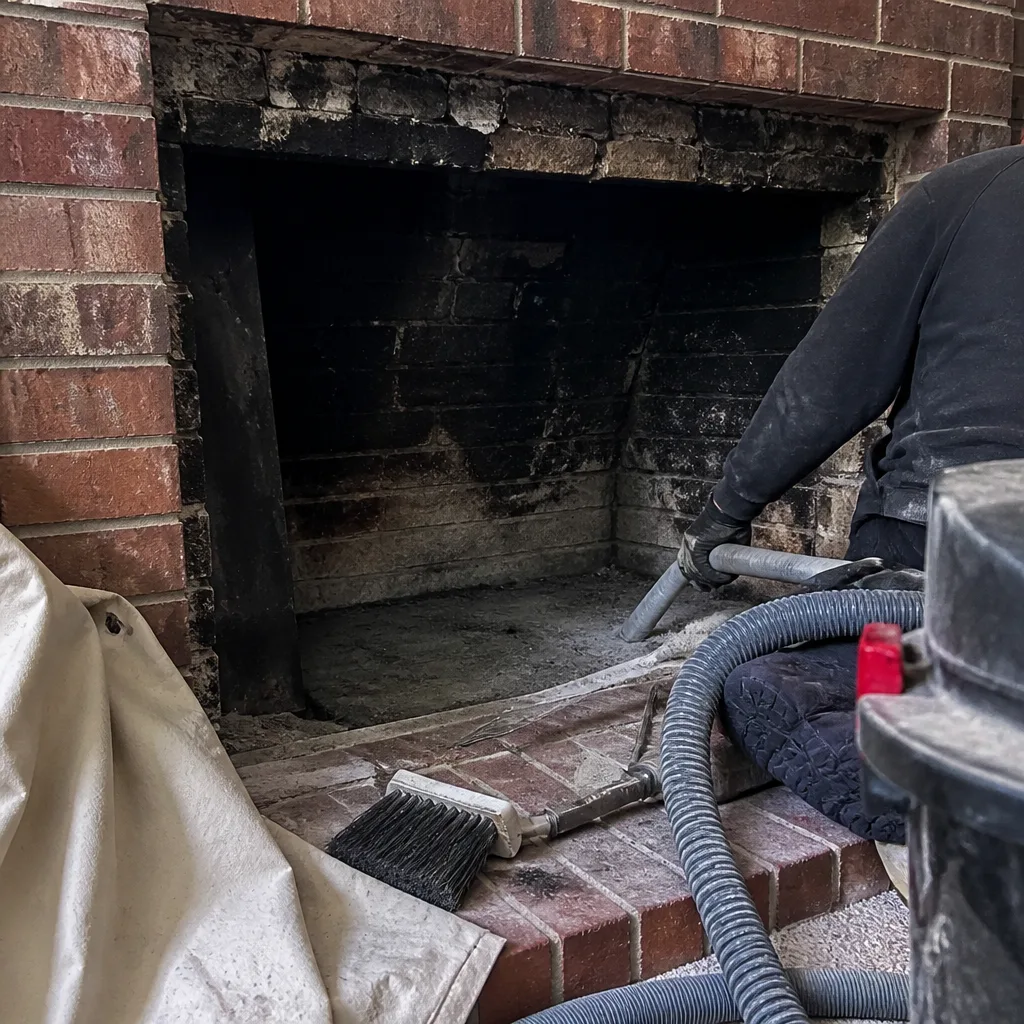 Before
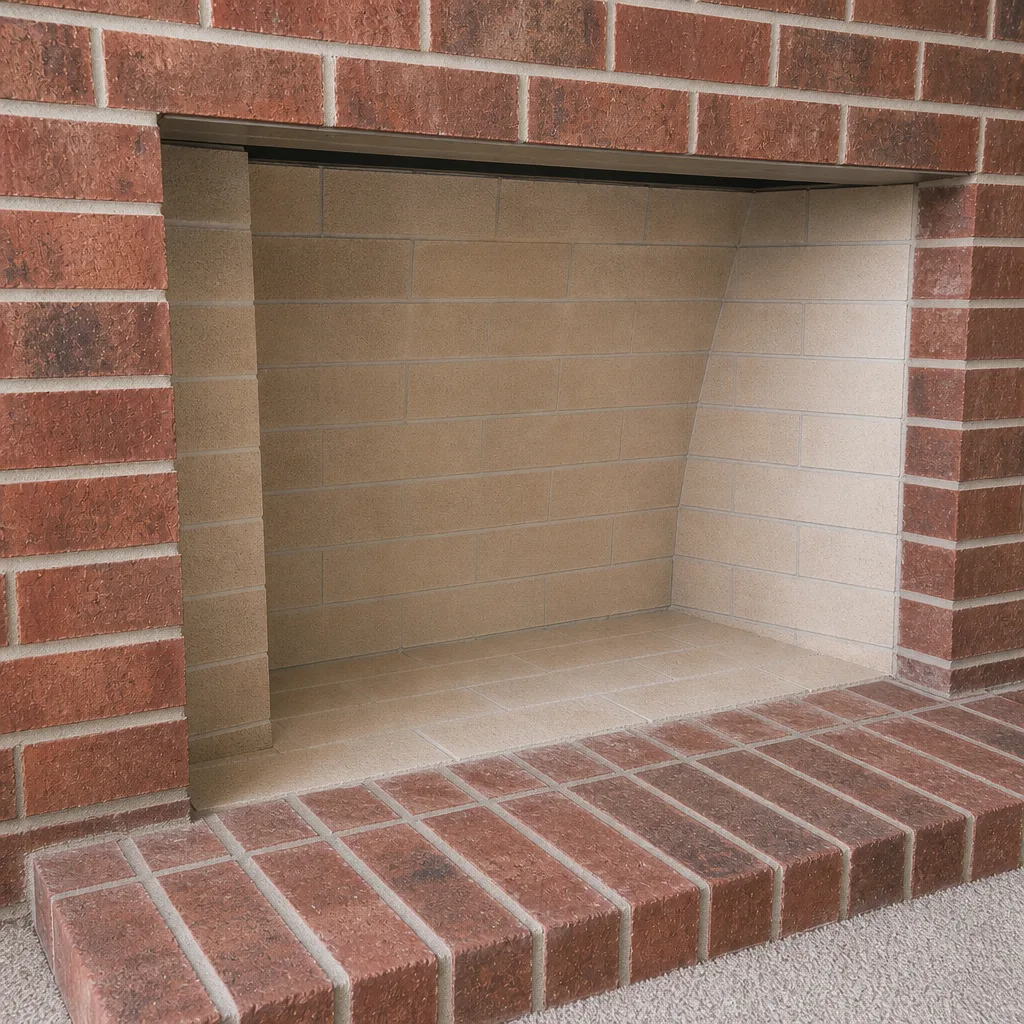 After
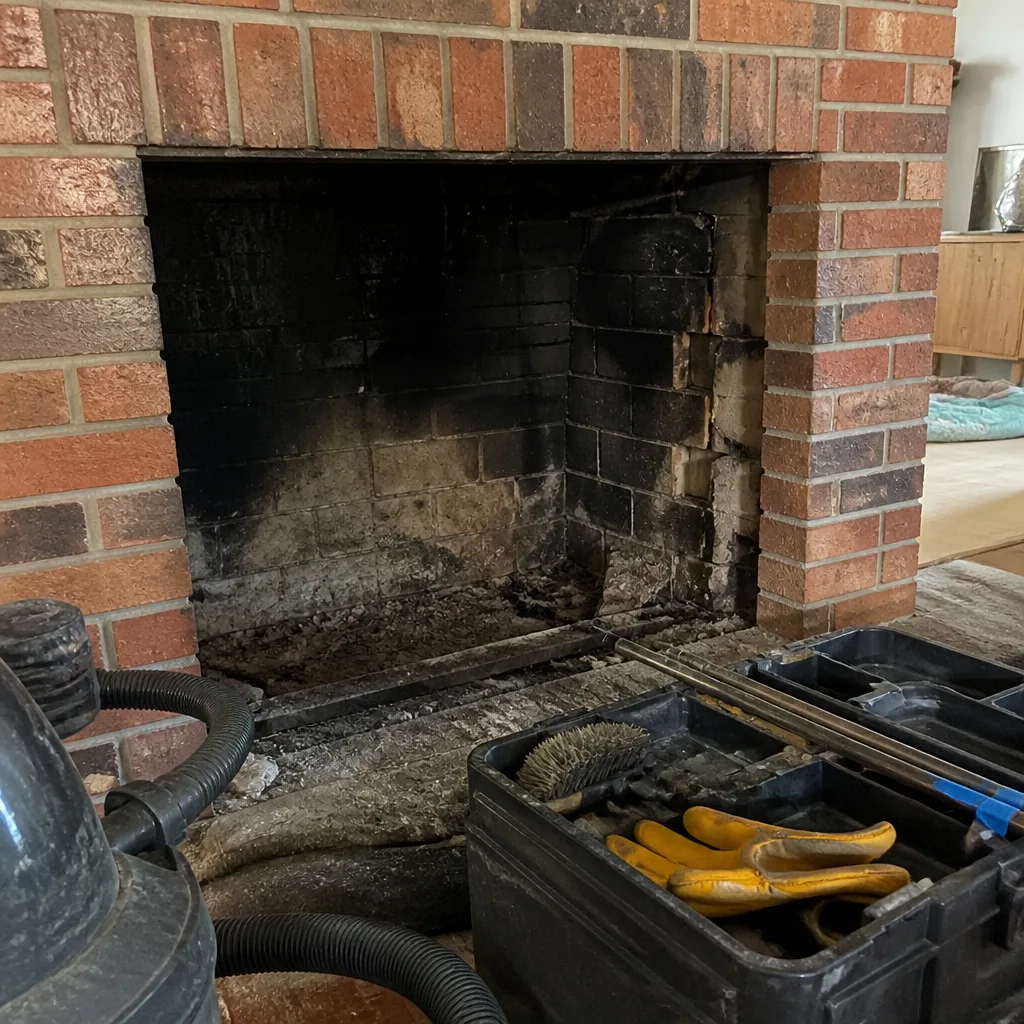 Before
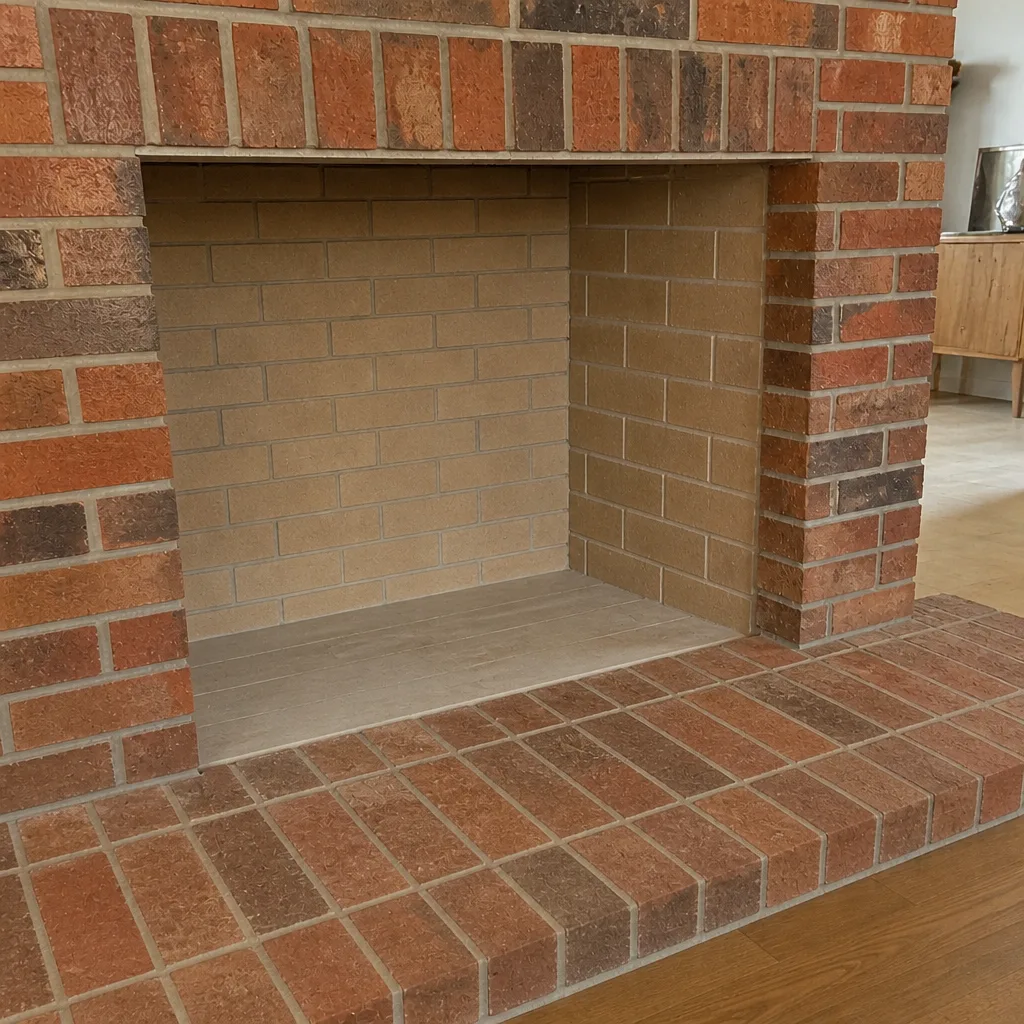 After
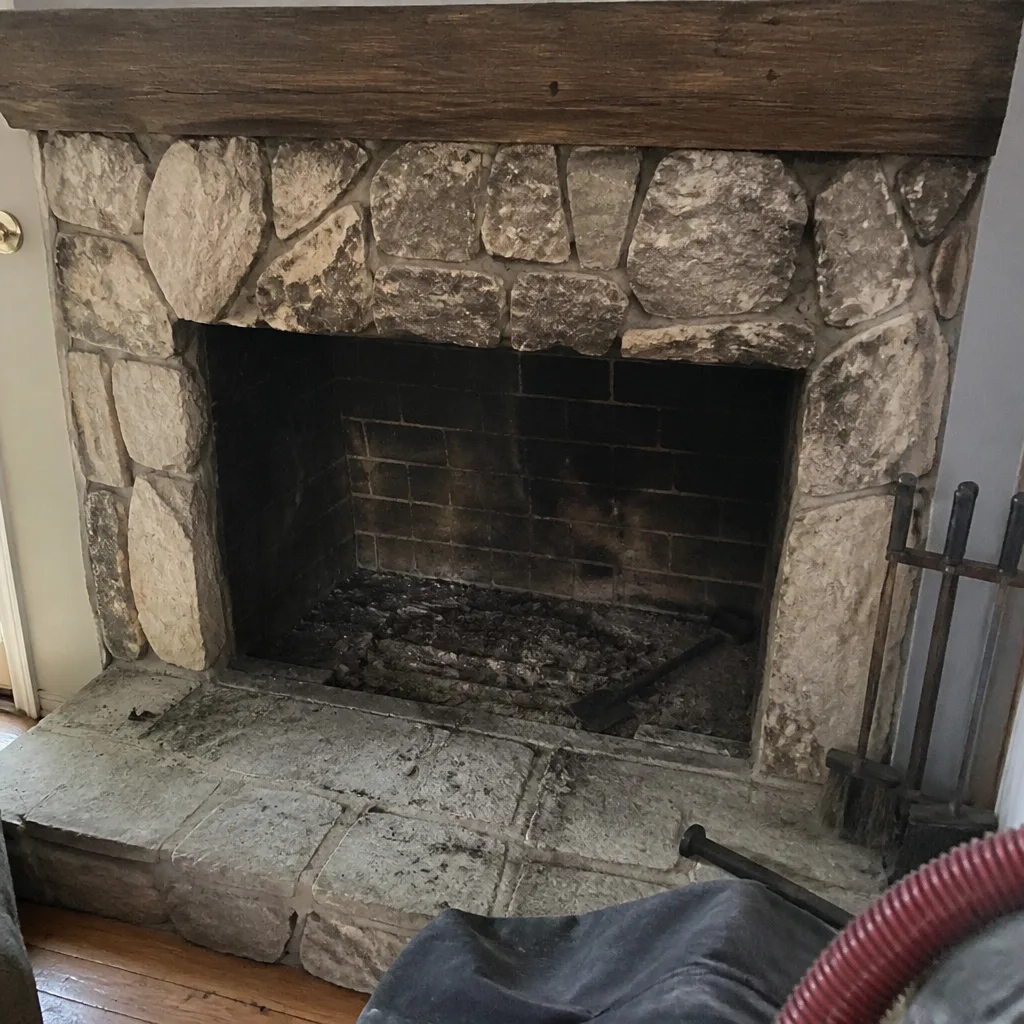 Before
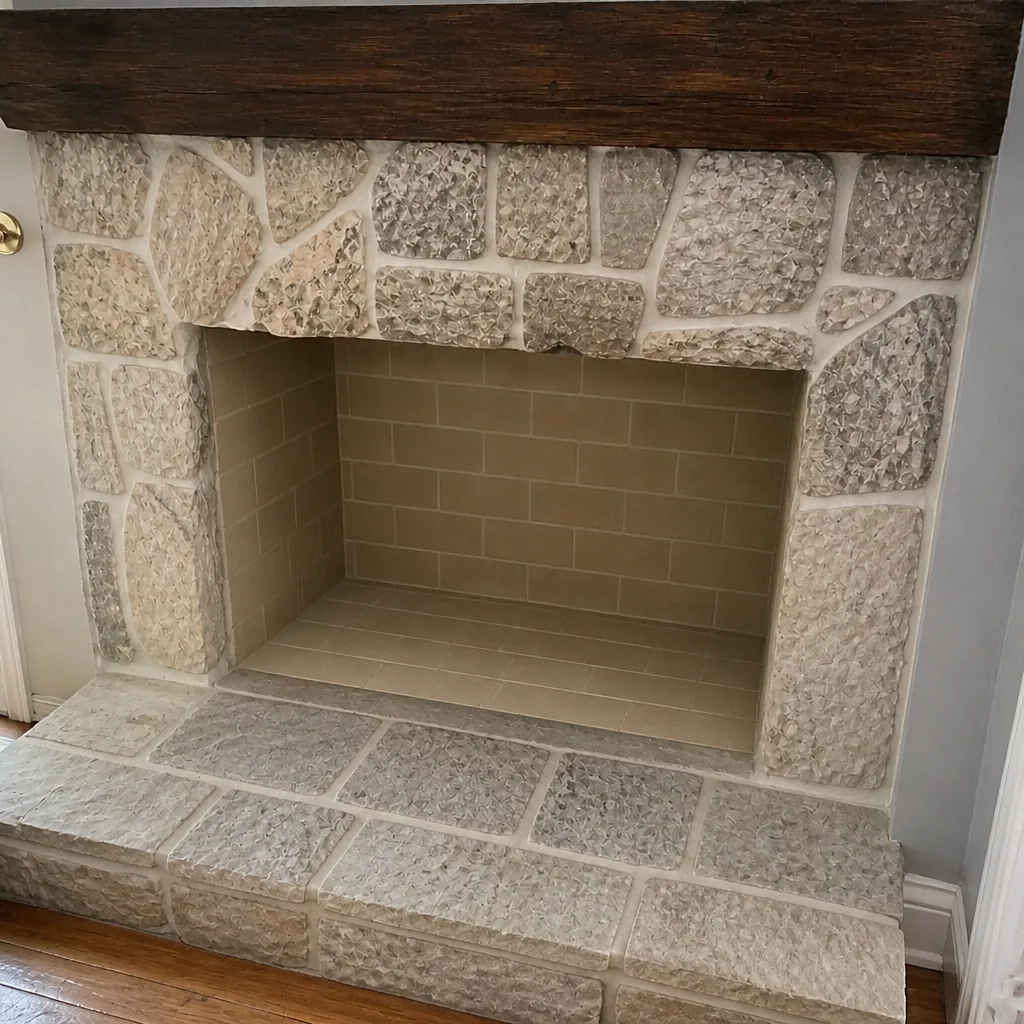 After
HeatShield Products We Service & Install in Sparks
We service and install the kinds of HeatShield products that come up in Sparks homes with masonry chimneys and appliance flues. That includes the cast-in-place flue lining system that forms a new insulated surface inside an existing masonry chimney. We also handle the resurfacing compound applied over a stainless armature for moderate spalling – the case where the flue is cracked but not collapsing. The heat-cured ceramic liner material for oil and wood appliance flues is another one we work with. And we service and install HeatShield crown products and coatings used to seal the chimney top, which is where a lot of “failed liner” complaints actually start. We don’t claim to stock these products. We assess what your flue needs, and we source and install from there.
We Also Service These Brands
HeatShield isn’t the only product line we know. We also work with DuraFlex flexible liner systems for damaged, deteriorated or offset flues, and Gelco products for the matching and ancillary work around a lining or flue repair. That range means we’re not locked into one brand’s answer for your chimney. If a HeatShield re-line isn’t the right call, we have other professional-grade options to consider.
FAQs – HeatShield Chimney Cleaning Service in Sparks
No. We are an independent HeatShield service provider and are not affiliated with or authorized by the manufacturer. We work with genuine HeatShield materials when a resurfacing job is warranted, but we don’t claim factory training or certification from HeatShield. Our expertise comes from years of hands-on flue work, not a manufacturer badge.
Yes. We use genuine HeatShield lining and crown materials for resurfacing work, and standard-quality stainless caps, dampers and refractory mortar for the ancillary repairs around it. We don’t stock or carry OEM HeatShield parts, and we’re not a dealer. What we do is match the right parts to your installation and the repair it actually needs.
It depends on whether we’re sweeping around an existing lining or installing a new cast-in-place system. A sweep and Level 2 inspection on a HeatShield-lined flue is usually a single visit. A full resurfacing job takes longer because the substrate has to be abraded to bare material and the system has to cure properly. We’ll give you a clear timeline in the written estimate.
We cover cast-in-place flue lining systems for masonry chimneys, resurfacing compound over a stainless armature for moderate spalling, heat-cured ceramic liner material for oil and wood appliance flues, and crown products and coatings for sealing the chimney top. If your product is somewhere in that range, it’s worth a call.
Not if it’s done correctly. Cast-in-place linings carry their own manufacturer terms, and poor prep or sloppy work around an existing lining can void them. We work to keep your installation within those terms and document what we find with a Level 2 inspection so you have a record. We can’t guarantee a manufacturer’s warranty decision, but we can give you the documentation to support it.
Chimney cleaning in Sparks is priced per job by the written estimate, which is free. A sweep and inspection is one range; a resurfacing job or re-line is another because the materials and labor are different. We don’t quote a single number sight unseen. Call (855) 360-7181 for an exact quote – estimates are free.
No. A HeatShield lining gives you a smooth, insulated surface, but it still collects creosote and still needs regular sweeping. In Sparks, with the winter inversions and heavy burning load, annual sweeping matters even more. The lining reduces how hard sweeping is; it doesn’t eliminate the need for it.
Flaking grey material is usually delamination, where the resurfaced layer is separating from the original clay tile or brick. It happens when the substrate wasn’t properly abraded and cleaned before application, or when the tiles were already fractured. A homeowner might notice it as gritty dust on the damper after a season of burning. A Level 2 inspection with video will confirm whether it’s surface delamination or a deeper issue.
Sometimes it can be repaired. Many HeatShield-damaged flues need only a proper sweep, joint repair and waterproofing rather than a full re-line. If the failure is a cracked joint at the flue offset or water getting in at the crown, the fix may be targeted. If the lining has failed broadly, removal and replacement may be justified. We assess before recommending.
A Level 2 inspection is the standard record of the flue’s condition, and it’s the one that shows what’s going on inside a HeatShield-lined flue with video. If you’re selling, it gives the buyer documentation and gives you a clear picture of any issues. Call (855) 360-7181 to book one before closing.
Waterproofing the chimney exterior helps stop water from wicking behind the lining at the chimney top, which is one of the things that cracks a HeatShield lining or mimics a failed liner from inside the flue. It works alongside crown repair, not instead of it. If the crown is failing, that has to be corrected first. Call (855) 360-7181 for an assessment.
Book Your HeatShield Service in Sparks, NV
If you have a HeatShield-lined flue and you’re seeing flaking, cracking or heavy creosote, or you’re not sure whether your flue needs one at all, call us. We’re independent, we show you the evidence, and we tell you when work can safely wait. Call (855) 360-7181 for a free estimate. We answer 24/7. Fast dispatch from 7am to 7pm, Sunday through Friday.
Written by the team at Chimney Sweep Sparks.